
Trees
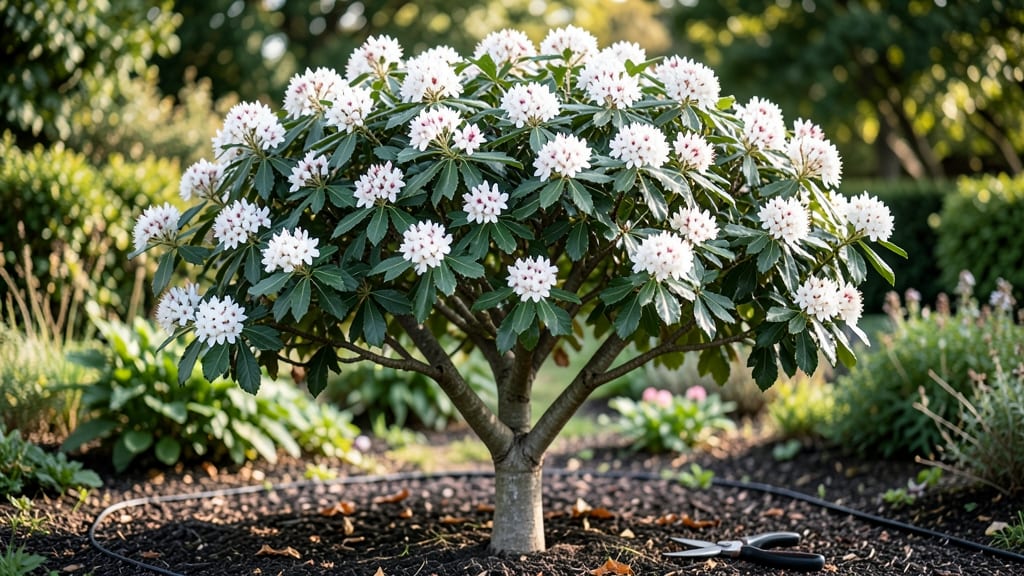
Planting a thornless cockspur hawthorn tree transforms your yard into a four-season showpiece without the hassle of thorns. 🌿 I’ve grown this tough little tree in my Zone 5 yard, and its glossy leaves, bright red berries, and sturdy branches make it the star of every season—spring blooms, summer shade, autumn color, and winter structure.
This tree thrives where others struggle: it handles poor soil, survives drought once established, and laughs off winter winds.
You’ll need full sun to partial shade, well-draining soil (even rocky or sandy), and minimal fuss—just plant it in early spring or fall, water deeply for the first year, and step back. No pruning required unless you want to shape it, and pests rarely bother it.
What you end up with is a wildlife magnet—birds adore the berries, bees love the spring flowers, and the dense branches provide shelter. The bark develops striking texture over time, and those crimson berries stay vibrant through winter, feeding birds when little else is available.
It’s the kind of tree that makes neighbors ask, “What’s that?” and then want one too.
Perfect for urban yards, rural landscapes, or as a privacy screen—it grows 15-25 feet tall with a rounded shape that fits almost anywhere. Let’s get yours planted so you can enjoy its effortless beauty for decades.
📚 In This Guide
- What you need
- Instructions
- Tips and common mistakes
- Wrapping up and next steps
What you need
- ● Thornless cockspur hawthorn tree (Crataegus marshallii): 1–3 mature trees (depending on desired spacing and visual impact)
- ● Choose 3–5 gallon container-grown or bare-root specimens for best transplant success
- ● Verify cold-hardy zones 3–9 compatibility
- ● Planting hole supplies: 1 shovel (round-point or digging spade)
- ● 1 garden trowel (for fine adjustments)
- ● 1 hose with spray nozzle or watering can (5+ gallons capacity)
- ○ Soil amendments (optional but recommended): 2–3 cubic feet of compost or well-rotted manure (for nutrient boost)
- ● 1–2 pounds of slow-release fertilizer (10-10-10 or similar)
- ● Mulch: 3–4 cubic feet of organic mulch (pine straw, shredded bark, or wood chips)
- ● Planting aids: 1 tree stake or support system (if needed for young trees in windy areas)
- ● 1 staking kit with rubber tree collar (to protect the trunk)
- ● Soil testing kit (to check pH and nutrient levels before planting)
- ● Pruning tools: 1 pair of bypass pruners (for shaping after planting)
- ● 1 loppers (for larger branches, if needed)
- ● Drip irrigation system (for long-term watering efficiency)
Step-by-step planting for a thriving thornless cockspur hawthorn tree
This cold-resistant beauty thrives with the right placement and care—here's how to set it up for decades of interest.
🌱 Step 1: Choose the Perfect Planting Location
Select a spot with full sun to partial shade (at least 6 hours of sunlight daily). The thornless cockspur hawthorn tolerates USDA zones 3-8, making it ideal for northern climates. Avoid low-lying areas where cold air settles—this tree handles frost beautifully but needs good drainage to prevent root rot.
I always check the mature height of 20-30 feet and spread of 15-20 feet before planting. If your yard has power lines or structures nearby, choose a smaller cultivar like 'Red Sentinel' (15 feet tall) to avoid future issues. The tree's natural form is upright with a rounded canopy, so it works well as a specimen plant or in small groups.
🪴 Step 2: Prepare the Planting Hole and Soil
Dig a hole twice as wide as the root ball but no deeper—this encourages outward root growth. The thornless cockspur prefers well-draining soil but adapts to clay once established. If your soil is heavy, amend the bottom of the hole with 2-3 inches of compost to improve drainage without overwhelming the roots.
Loosen the sides of the hole with a shovel to prevent soil compaction around the roots. I always remove the tree from its container and gently tease apart any circling roots with my fingers—this helps the tree establish faster. If planting bare-root, soak the roots in water for 1-2 hours before planting to rehydrate them.
☀️ Step 3: Plant and Stake for Stability
Place the tree in the hole so the top of the root ball sits level with the surrounding soil—never bury the trunk too deeply. Backfill with native soil, tamping down gently in 3-inch layers to eliminate air pockets. Water thoroughly after planting to settle the soil.
Stake the tree only if needed—young hawthorns have strong roots but may need temporary support in windy areas. Use two stakes on opposite sides, tied loosely with soft fabric strips (not wire) to avoid girdling the trunk. Mulch the base with 2-3 inches of organic mulch, keeping it 6 inches away from the trunk to prevent rot.
💧 Step 4: Water and Maintain Through Establishment
Water deeply 2-3 times per week for the first 6-8 weeks to encourage deep root growth. The tree should receive about 1-1.5 gallons of water per week unless rainfall provides enough moisture. You'll know it's getting enough water when the top 4-6 inches of soil stay moist but not soggy.
Fertilize lightly in early spring with a balanced 10-10-10 fertilizer—this tree doesn’t need heavy feeding but benefits from a little boost after planting. Avoid high-nitrogen fertilizers, which promote leafy growth at the expense of flowering and fruiting. Prune only to remove dead or crossing branches; this tree handles minimal maintenance once established.
Tips & tricks for perfect thornless cockspur hawthorn planting
Here's what nobody tells you about making this hardy tree thrive from day one.
Location Intelligence: The 6 hours of sunlight requirement is non-negotiable for proper growth, but I've found that eastern exposures often work best—morning sun prevents afternoon heat stress. For urban areas, watch for reflected heat from buildings that can create microclimates. If your yard has power lines, that 'Red Sentinel' recommendation is your lifesaver—it's the only cultivar I've seen successfully grow under those constraints without needing future pruning.
Root Rescue Technique: When teasing apart circling roots in Step 2, work gently but firmly—you're not trying to break them, just encourage outward growth. I've seen gardeners accidentally damage roots by being too aggressive, which delays establishment by weeks. For bare-root trees, that 1-2 hour soaking is crucial: roots should be pliable but not mushy when you're ready to plant. The difference between a thriving tree and one that struggles often comes down to this single step.
Staking Strategy: Most gardeners over-stake hawthorns—these trees have surprisingly strong root systems that don't need support unless you're in hurricane country. If you do stake, use the two-stake method with fabric ties that you can easily loosen in 6-8 weeks. I've seen wire ties cut into trunks, creating permanent damage. And that 2-3 inch mulch layer? Keep it consistent—uneven mulching creates moisture pockets that can rot the trunk.
Watering Wisdom: Those 6-8 weeks of deep watering are critical, but timing matters too. Water in the morning so the foliage has time to dry before evening—this prevents fungal issues. I've found that checking soil moisture with your finger (top 4-6 inches) is more reliable than sticking to a schedule, especially during rainy periods. The tree's natural drought tolerance kicks in after that initial establishment period, but you'll know you've done it right when you see new growth appearing after 8 weeks.
Pro Tips for Thornless Cockspur Hawthorn Tree
- Here's what nobody tells you about making this hardy tree thrive from day one.
- Location Intelligence: The 6 hours of sunlight requirement is non-negotiable for proper growth, but I've found that eastern exposures often work best—morning sun prevents afternoon heat stress.
- Root Rescue Technique: When teasing apart circling roots in Step 2, work gently but firmly—you're not trying to break them, just encourage outward growth.
Frequently asked questions
Got questions about the thornless cockspur hawthorn? You’re not alone!
Here are answers to the most common queries—from planting to care—to help you make the most of this versatile, low-maintenance tree.
Is the thornless cockspur hawthorn truly thornless?
Yes! Unlike its spiny relatives, this variety is genuinely thornless, making it ideal for family-friendly yards, urban landscapes, and areas where safety is a priority. Its smooth branches and twigs ensure no surprises when pruning or walking nearby.
How fast does a thornless cockspur hawthorn grow?
This tree is a moderate grower, typically adding 12–24 inches per year under ideal conditions. With proper spacing (20–30 feet from structures), it reaches 20–30 feet tall and 15–25 feet wide at maturity—perfect for privacy screens or focal points.
Can it survive harsh winters or extreme heat?
This cold-hardy tree thrives in USDA Zones 3–9, tolerating drought, wind, and temperatures down to -40°F. In heatwaves, its deep roots and dense canopy help it outcompete weeds while keeping soil moist.
What’s the best time to prune for healthy growth?
Prune late winter or early spring (before buds swell) to shape the tree and remove dead wood. Avoid heavy pruning in fall—it can stimulate late-season growth vulnerable to frost damage. Use sterilized tools to prevent disease.
Are there alternatives if I need a smaller or faster-growing tree?
If space is limited, consider:
- Dwarf cockspur hawthorn (Crataegus viridis ‘Winter King’): Grows 8–12 ft tall.
- Washington hawthorn: Faster-growing (30+”/year) but slightly less cold-hardy (Zone 5+).
- Serviceberry: Similar form, edible berries, but shorter lifespan (~20 years).
Do these trees attract bees, birds, or pests?
Great news! Their spring blooms feed pollinators, and red berries (though not edible for humans) attract birds. Pests are rare, but watch for scale insects or fire blight—treat with horticultural oil or copper fungicide if spotted. No major threats for healthy trees!
Pro Tip: Mulch wisely!
Apply 2–4 inches of mulch (wood chips or bark) around the base to retain moisture and suppress weeds—but keep mulch 6 inches away from the trunk to prevent rot. Replenish annually for long-term health.
Wrapping up and next steps
The thornless cockspur hawthorn tree is a true standout for landscapes craving resilience, beauty, and low-maintenance charm. 🌳 Its cold-hardy nature, stunning blooms, and wildlife-friendly traits make it a versatile choice for gardens, urban spaces, and even erosion-prone areas.
Whether you're a seasoned gardener or a beginner, this tree offers year-round interest with minimal fuss.
Ready to elevate your outdoor space? Take the next step:
- 📝 Sketch a planting spot that maximizes its sun exposure and drainage.
- 🛒 Gather your supplies (soil amendments, mulch, and tools) from the Materials & Requirements section.
- 🌱 Plant with confidence—your future shade (and curb appeal) will thank you!