
Pruning
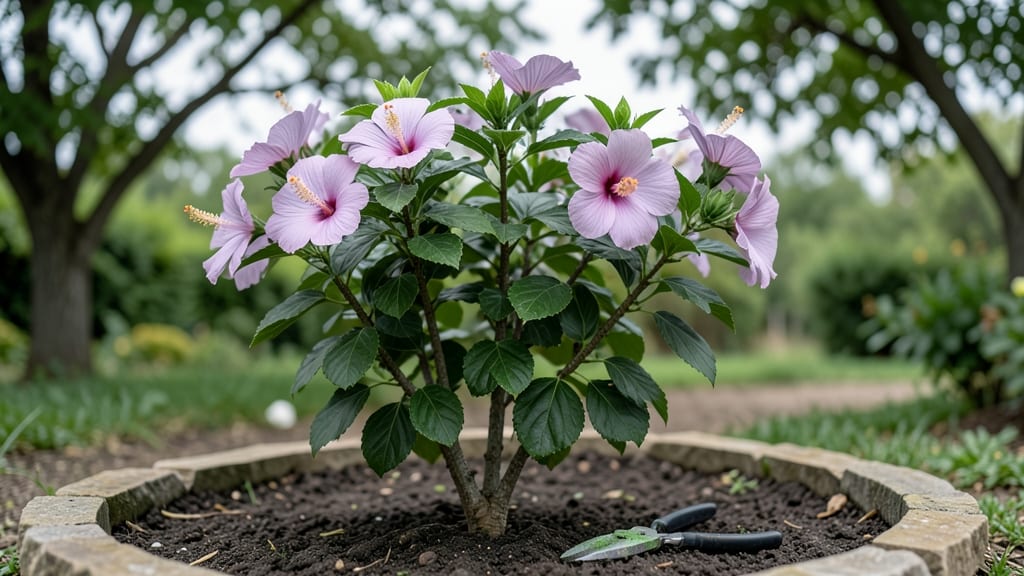
Transforming your yard into a tropical paradise starts with a hibiscus flowering tree—those bold, velvety blooms and intoxicating fragrance don’t happen by accident.
I’ve pruned mine for five summers now, and the difference between a scraggly shrub and a showstopper comes down to timing, technique, and a little seasonal finesse.
The key isn’t just cutting branches—it’s shaping the tree to bloom earlier, longer, and with flowers so big they look like they belong in a conservatory.
Here’s the thing—most gardeners prune hibiscus once a year, usually after flowering. But the real secret is year-round maintenance: a light trim in winter to remove dead wood, strategic cuts in spring to encourage new growth, and summer shaping to keep the canopy open for airflow (and more flowers).
You’ll need sharp pruners, a ladder for taller varieties, and about 30 minutes every few months—not a lot, but it makes all the difference. My tree now flowers from early June through October, with occasional blooms sneaking through in mild winters.
What you’ll end up with is a tree that’s not just pretty, but productive—think glossy, dark green leaves framing clusters of blooms in every shade from crimson to snow white. The fragrance? Like walking through a Hawaiian garden at dusk.
And because hibiscus responds so well to pruning, you can even shape it into a small tree, a shrub, or even a dramatic focal point in your landscape. The best part? Even if you’ve killed houseplants before, this is one plant that forgives mistakes.
Works for tropical climates and even cooler zones with winter protection—just adjust your timing based on your last frost date. Let’s get those shears out and turn that hibiscus into the star of your outdoor space.
📚 In This Guide
- What you need
- Instructions
- Tips and common mistakes
- Wrapping up and next steps
What you need
- ● Pruning shears: Sharp, bypass-style shears (for cuts under ¼ inch thick). Pro tip: Clean blades with rubbing alcohol between cuts to prevent disease spread! 💡
- ● Loppers: 1 pair (for branches ½–1.5 inches thick). Look for ergonomic handles for comfort during long sessions.
- ○ Pruning saw: 1 curved-tooth saw (for thick branches 1.5+ inches). Optional: A foldable pruning saw for portability.
- ● Gloves: Heavy-duty, cut-resistant gloves (e.g., Cooper or Fellex brands). Protects against thorns and sap irritation!
- ● Disinfectant: 70% isopropyl alcohol or a pruning sealant (e.g., Tanglefoot Tree Wound Pruning Seal).
- ● Ladder or step stool: Sturdy, extendable (if your hibiscus is 6+ feet tall). Safety first: Use a non-slip ladder and have a spotter!
- ● Trash bags or bucket: 1–2 large bags (for clippings). Bonus: A compost bin if you want to recycle organic waste.
- ● Permanent markers: 1–2 (for marking branches to remove later).
- ● Hand pruners with a crimping tool: For sealing larger cuts (e.g., Felco F-2 models).
- ● Tree wound dressing: (e.g., Ortho Tree Seal)—controversial but some swear by it for healing.
- ● Extension pole pruners: For high branches (e.g., Fiskars X27).
- ● Notebook & pen: To jot down pruning notes (e.g., branch sizes, growth patterns).
- ● Water spray bottle: Small (to mist blades and reduce dust/sap buildup).
- ● Know your hibiscus type: Tropical (e.g., Hibiscus rosa-sinensis) vs. hardy (e.g., Hibiscus syriacus). Pruning needs vary!
- ● Check the season: Best time to prune is late winter/early spring (before new growth). Exception: Light pruning can happen year-round.
- ● Weather conditions: Choose a dry, overcast day to avoid stressing the tree.
- ● Safety gear: Long sleeves/pants (hibiscus thorns are no joke!).
Step-by-step guide for pruning a hibiscus flowering tree
Here's how I keep my hibiscus blooming abundantly—no guesswork, just clear seasonal steps.
⏰ Step 1: Winter Pruning for Structure
Start in late winter, just as new growth begins. I remove dead, diseased, or crossing branches first—these compete with healthy growth and block airflow. Use clean, sharp pruners to make cuts at a 45-degree angle, about ¼ inch above a leaf node or outward-facing bud. This encourages outward growth and prevents the center from becoming bare.
Look for branches growing straight up or inward—these will crowd the canopy. Cut them back to a strong lateral branch. The goal is to open the center of the tree so light and air reach all parts. If your hibiscus is leggy, prune back one-third of the longest branches to stimulate bushier growth. You'll see fresh, vibrant shoots within 4-6 weeks as the tree responds to the fresh cuts.
☀️ Step 2: Spring Pruning for Bloom Stimulation
After the last frost but before new buds form, I focus on shaping and encouraging flowering. Remove any weak or spindly growth that emerged after winter pruning—these branches rarely produce strong blooms. Cut just above a set of healthy leaves or a bud that faces outward. This redirects the plant's energy toward producing larger, more abundant flowers rather than excessive foliage.
If your hibiscus bloomed well last year, prune lightly—just enough to maintain shape. Over-pruning in spring can reduce flowering. Watch for new growth near the pruning cuts; this is your signal that the tree is healing and preparing for the blooming season. A well-pruned hibiscus will start forming flower buds within 6-8 weeks of spring pruning.
✂️ Step 3: Mid-Summer Pruning for Maintenance
During the growing season, I do light maintenance pruning to keep the tree tidy and encourage continuous blooming. Remove spent flowers (deadhead) as soon as they fade—this prevents seed formation and redirects the plant's energy into producing more blooms. Use your fingers or small pruners to pinch off flowers at the base of the stem.
Look for shoots growing toward the center of the tree; these will create a dense, shaded interior that discourages blooming. Trim these back to a lateral branch. Also, prune any branches that are rubbing against each other—this prevents damage and disease. You'll notice a surge in new flower buds forming within 2-3 weeks of mid-summer pruning, keeping your hibiscus in bloom for months.
🌿 Step 4: Light Fall Pruning for Winter Prep
In late fall, after the first frost but before hard freezes, I do a final light pruning to remove any weak or damaged growth from the summer. Cut back any branches that grew excessively during the season, but avoid heavy pruning—this can stimulate new growth that won’t harden off before winter. Focus on cleaning up the tree and improving airflow to prevent fungal issues.
This is also the time to remove any suckers (shoots growing from the base or roots) and thin out crowded branches to maintain an open structure. The goal is to send the tree into winter healthy and well-shaped, ready to burst into bloom again next spring. A properly pruned hibiscus will have a strong root system and vigorous growth come spring.
Tips & tricks for pruning a hibiscus flowering tree
Here's what nobody tells you about keeping your hibiscus thriving—these are the secrets I've learned after years of trial and error.
Tool Selection Matters: Don't just grab any pruners! Use clean, sharp bypass pruners for larger branches and small, sharp scissors for deadheading. Dull tools crush stems, which invites disease. I sterilize my pruners with rubbing alcohol between cuts to prevent spreading bacteria. This simple step keeps your hibiscus healthier year-round.
Winter Pruning Precision: When pruning leggy branches in Step 1, focus on cutting back to a strong lateral branch rather than just hacking it off. The goal is to encourage outward growth—not just remove length. Look for branches that form a 45-degree angle from the trunk; these will produce the most flowers. After pruning, you should see fresh, vibrant shoots emerging within those 4-6 weeks as the tree responds to the fresh cuts.
Spring Pruning Balance: In Step 2, if your hibiscus bloomed well last year, resist the urge to heavily prune. Light shaping is key—just enough to maintain the tree's form. Over-pruning in spring can actually reduce flowering by redirecting energy away from bloom production. Watch for new growth near your cuts; this is your sign the tree is healing and preparing for its next flowering cycle.
Mid-Summer Deadheading: During Step 3, don't wait for flowers to fully fade before deadheading. Pinch them off at the base as soon as they start wilting. This redirects the plant's energy into producing more blooms rather than seeds. You'll notice a surge in new flower buds forming within 2-3 weeks of consistent deadheading—this keeps your hibiscus looking lush and fragrant throughout the summer.
Pro Tips for Hibiscus Flowering Tree
- Here's what nobody tells you about keeping your hibiscus thriving—these are the secrets I've learned after years of trial and error.
- Tool Selection Matters: Don't just grab any pruners!
- Winter Pruning Precision: When pruning leggy branches in Step 1, focus on cutting back to a strong lateral branch rather than just hacking it off.
Frequently asked questions
Got questions about keeping your hibiscus flowering tree in top shape? You’re not alone! Here are some of the most common concerns—and their solutions—to help you nurture a thriving, fragrant canopy year-round.
When is the best time to prune my hibiscus flowering tree?
The ideal time to prune is late winter or early spring, just before new growth begins. This encourages vibrant blooms and maintains shape. For tropical hibiscus, you can also prune lightly after flowering to promote bushier growth. Avoid heavy pruning in fall—it can stunt winter hardiness.
How much can I trim back without harming the tree?
You can safely prune up to one-third of the tree’s height, focusing on dead, diseased, or overcrowded branches first. For dramatic shaping, trim incrementally over 2-3 years. Never remove more than 25% in a single session—hibiscus trees are resilient but benefit from gradual adjustments!
Why aren’t my hibiscus flowers as vibrant as they used to be?
Dull or sparse blooms often signal over-pruning, poor nutrition, or lack of sunlight. Ensure your tree gets 6+ hours of direct sun daily and fertilize with a balanced, acidic fertilizer (like 8-3-9) in spring. Prune to improve airflow, and avoid cutting back flowering stems—these are where next year’s blooms form!
What pests or diseases should I watch for after pruning?
Pruning creates entry points for pests like aphids, spider mites, or scale insects, as well as fungal issues (e.g., powdery mildew). Inspect leaves regularly and treat with neem oil or insecticidal soap if needed. Keep the area around the tree clean to deter fungal growth.
Can I grow a hibiscus flowering tree in containers? How does pruning differ?
Dwarf varieties like Hibiscus rosa-sinensis ‘Dwarf Red’ thrive in containers. Prune similarly, but size up the pot first—root-bound trees stress easily. Use well-draining soil and fertilize monthly during growing season. In containers, prune more frequently to control growth and encourage compact, bushy shapes.
Wrapping up and next steps
Transforming your hibiscus flowering tree into a year-round masterpiece is simpler than you think! With the right tools, timing, and techniques, you’ll enjoy a lush, fragrant canopy that brings beauty to your space.
Whether you’re trimming for shape, health, or blooms, every snip brings your tree one step closer to its full potential.
Ready to take the next step? Grab your pruners, dust off those gloves, and start with just one branch—confidence grows with every cut! 🌿✨