
Pruning
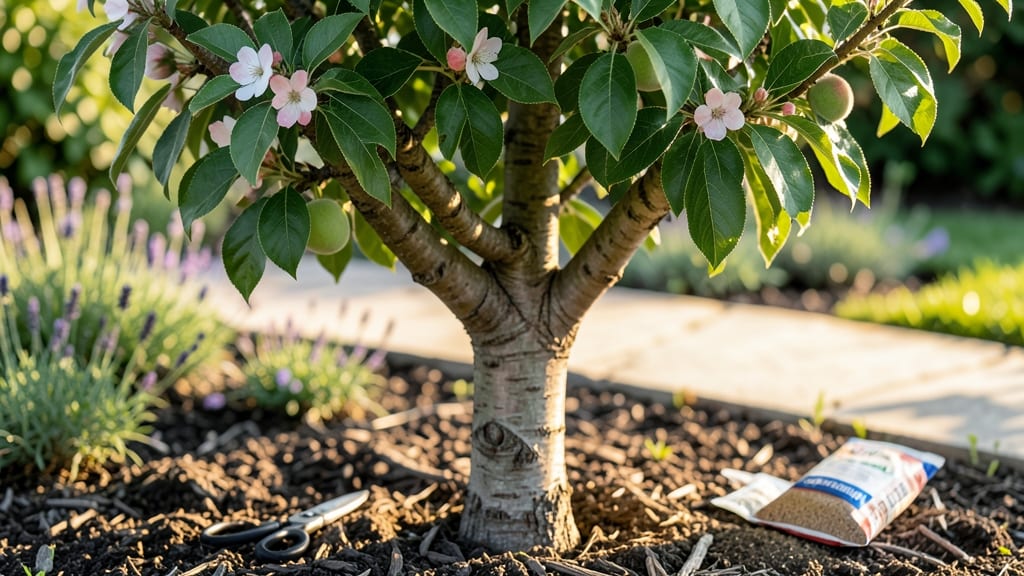
Growing a hardy peach tree variety in Zone 5 used to feel like a pipe dream—until I discovered these cold-hardy cultivars that actually thrive where winters freeze. 🌱 The right one can handle 20°F dips and still produce sweet, juicy fruit, proving you don’t need a Southern climate for peach perfection.
My top picks—like 'Reliance' and 'Contender'—are bred to resist late frosts and winter dieback, while 'Redhaven' delivers classic flavor with a little extra cold tolerance. These trees need full sun, well-draining soil, and a sheltered spot to protect blossoms from spring freezes.
The payoff? Homegrown peaches that outshine store-bought every summer.
Planting is straightforward: dig a hole twice as wide as the root ball, amend with compost, and water deeply before backfilling. Mulch heavily in fall to insulate roots, and prune in late winter to encourage strong growth.
With proper care, these trees reward you with years of reliable harvests—no tropical climate required.
For northern gardeners, the key is choosing the right variety and giving them a little extra winter protection. Whether you're in Minnesota or Maine, these cold-resistant peaches can become your garden’s star attraction. Let’s get you growing!
📚 In This Guide
- What you need
- Instructions
- Tips and common mistakes
- Wrapping up and next steps
What you need
- ● Hardy peach tree varieties: Choose from cold-resistant options like ‘Reliance’, ‘Contender’, or ‘Redhaven’ (ensure they’re labeled for your USDA zone). 1 tree per planting site.
- ● Shovel or trowel: For digging planting holes (size depends on root ball—3x wider and deep as the container).
- ● Pruning tools: Bypass pruners (for small branches, sharp and clean)
- ● Loppers (for thicker branches, 4–6” cutting capacity)
- ● Pruning saw (for stubborn wood, curved blade for clean cuts)
- ○ Grafting tape or pruning sealant: To protect cuts from disease (optional but highly recommended).
- ● Compost or well-aged manure: 5–10 gallons to enrich planting soil.
- ● Mulch (wood chips or straw): 2–3 inches around the base (keep 6” away from trunk).
- ● Watering can or hose with nozzle: For deep watering (1–2 gallons per tree, 2–3x weekly).
- ● Fertilizer (balanced 10-10-10 or citrus-specific): 1–2 lbs per tree at planting time.
- ○ Staking kit (optional): If your tree is young or in a windy area (2–3 stakes + soft ties).
- ● Location: Full sun (6+ hours daily) and sheltered from strong winds.
- ● Soil test: Check pH (ideal: 6.0–6.5); amend with lime or sulfur if needed.
- ● Timing: Planting: Early spring or fall (avoid extreme heat/cold).
- ● Pruning: Late winter/early spring (before buds swell).
- ○ Safety gear (optional but smart): Gloves (gardening or cut-resistant) and safety goggles for pruning.
How to select and plant hardy peach tree varieties in cold climates
Northern gardeners can absolutely grow peaches—here’s how to pick the toughest varieties and plant them right.
🌱 Step 1: Choose the Right Cold-Hardy Variety
Look for named varieties like ‘Reliance’, ‘Robusta’, or ‘Contender’—these survive down to -25°F with proper care. Dwarf varieties (like ‘Bonanza’) are ideal for small spaces but still need 100-150 chill hours per winter. Check your USDA zone: Zone 5+ gardeners should prioritize trees labeled “cold-hardy” or “low-chill.”
Here’s the thing—chill hours matter more than just temperature. A tree might survive -20°F but fail if it doesn’t get enough 32-45°F winter days. Most hardy peaches need 300-500 chill hours. Check your local climate data or use a university extension service for precise numbers.
☀️ Step 2: Site Selection for Maximum Sun and Wind Protection
Peaches demand full sun (6+ hours daily)—no exceptions. Plant against a south-facing wall or fence to capture reflected heat. In exposed areas, use windbreaks like evergreen hedges or lattice screens to prevent winter desiccation (when cold winds dry out bark).
Dig a hole twice as wide as the root ball but no deeper—peaches hate sitting too low. Amend the native soil with 2-3 inches of compost mixed into the bottom of the hole. Avoid fresh manure or high-nitrogen fertilizers at planting time; they burn tender roots.
🪴 Step 3: Plant with Proper Spacing and Mulch
Space dwarf varieties 8-10 feet apart and standard trees 15-20 feet to allow airflow and future growth. Plant in early spring or fall, when soil temps are 50-60°F. Remove the tree from its container and loosen any circling roots with your fingers—don’t cut them unless they’re severely wrapped.
Backfill with native soil (no amendments) and water deeply to settle it. Apply 3-4 inches of wood chips or straw mulch around the base, keeping it 6 inches away from the trunk. This insulates roots in winter and retains moisture. Water again until the soil 12 inches down feels evenly moist.
✂️ Step 4: Prune for Cold Resistance and Structure
Prune in late winter (before buds swell) to remove dead, crossing, or inward-growing branches. Open the center of the tree to let sunlight reach all branches—this prevents fungal diseases that thrive in damp, shaded wood. Cut back to outward-facing buds to encourage strong growth.
Here’s where it gets critical: paint all cuts larger than ½ inch with tree wound pruning sealant. This prevents disease entry through exposed wood. Avoid heavy pruning in fall—new growth won’t harden off before winter, making branches vulnerable to cold damage.
⏰ Step 5: Winterize for Extreme Cold Protection
Wrap the trunk with tree guard or burlap in late fall to shield bark from sun scald (when winter sun warms the south side, then freezing temps crack it). Water deeply before the ground freezes—hydrated roots survive better. In zones 5 or colder, mound 6-8 inches of soil around the base for extra insulation.
Don’t skip this: remove all fruit mummies (dried-up peaches) in fall—they harbor brown rot fungus. Thin branches with peach leaf curl (look for puckered, red leaves in spring) by 25% to reduce stress. Healthy trees handle cold better than overburdened ones.
Tips & tricks for perfect hardy peach tree planting
These insights will help you navigate the nuances of growing cold-resistant peaches like a local expert.
Variety Selection Deep Dive: When choosing between 'Reliance' and 'Robusta', consider maturity timing—'Reliance' ripens slightly earlier, making it ideal for shorter growing seasons. For Zone 5 gardeners, prioritize trees with 400+ chill hours; those with 300-350 may struggle. I've seen 'Contender' thrive in my Zone 5 garden with 450 chill hours—the extra buffer makes all the difference during unpredictable winters.
Site Preparation Insight: That 2-3 inches of compost in Step 2 should be well-aged—fresh compost can overheat roots. I recommend mixing it with native soil first to moderate temperature. For exposed sites, consider a double windbreak: plant evergreens on the north side and use lattice screens on the west to catch afternoon winds. This creates a microclimate that can raise winter temperatures by 5-10°F near the trunk.
Winterization Strategy: The 6-8 inch soil mound in Zone 5+ areas works wonders, but only if the soil is dry before freezing. Test moisture levels—if soil feels damp when you mound, wait a week or use straw mulch instead. For young trees, wrap the entire root zone with burlap before mounding; this prevents moisture loss through the soil surface during winter.
Pruning Precision: That ½ inch cut size threshold for sealant is crucial—smaller cuts heal naturally. I've found that making angled cuts (about 45 degrees) on branches larger than ½ inch promotes faster healing. For peach leaf curl prevention, prune out infected branches 6 inches below the visible damage—this removes hidden spores in the bark.
Pro Tips for Hardy Peach Tree Varieties
- These insights will help you navigate the nuances of growing cold-resistant peaches like a local expert.
- Variety Selection Deep Dive: When choosing between 'Reliance' and 'Robusta', consider maturity timing—'Reliance' ripens slightly earlier, making it ideal for shorter growing seasons.
- Site Preparation Insight: That 2-3 inches of compost in Step 2 should be well-aged—fresh compost can overheat roots.
Frequently asked questions
Got questions about growing hardy peach trees in colder climates? You’re not alone! Below, we tackle the most common concerns—from choosing the right variety to keeping your tree thriving through winter.
What are the coldest hardy peach tree varieties, and where can I find them?
The most cold-hardy peach varieties can survive down to USDA Zone 4 (or even colder with proper care). Top picks include ‘Reliance’ (Zone 4), ‘Contender’ (Zone 5), and ‘Honey Babe’ (Zone 5). Look for certified cold-hardy trees from reputable nurseries like Stark Bros. Nursery or Richardson’s Nursery. Pro tip: Check the label for “dwarf” or “semi-dwarf”—these are easier to protect in winter!
How do I protect my peach tree from winter damage?
Peach trees need winter wrap protection to avoid frost cracks or dieback. Start by wrapping the trunk with burlap or tree wrap in late fall. Add a 4–6 inch layer of mulch around the base (but avoid touching the trunk). For younger trees, use a tree guard or even a straw bale to insulate the roots. Bonus tip: Avoid pruning in late winter—wait until early spring when the tree is still dormant but frost-free.
Why aren’t my hardy peach tree’s fruits ripening fully in my Zone 5 garden?
Peaches need at least 800–1,000 chill hours (below 45°F) to fruit well. If your tree isn’t producing ripe fruit, it might be getting too much summer heat or not enough winter cold. Try a variety like ‘Redhaven’ (Zone 5) or ‘Elberta’ (Zone 5), which tolerate your climate better. Troubleshoot: Check for pests (like peach tree borers) or fungal issues (like brown rot) that can stress the tree.
Can I grow hardy peach trees in containers, or do they need to be planted in the ground?
While peach trees can grow in containers, they’re not ideal long-term due to root restrictions. If you must try it, use a large (20+ gallon) pot with drainage holes and plant in well-draining soil. Move the container to a sunny spot in summer and bring it indoors (or to a garage) when temps drop below 20°F. Warning: Container-grown trees may produce smaller yields and struggle with winter survival.
How often should I prune my hardy peach tree, and when is the best time?
Prune once a year in late winter or early spring (before buds swell) to remove dead, crossing, or weak branches. Avoid heavy pruning in fall—it can stimulate new growth that’s vulnerable to frost. Key steps:
- Remove suckers (shoots at the base) to direct energy to fruit production.
- Thin out crowded branches for better airflow (reduces disease risk).
- Shape the tree into an open-center form for easier harvesting.
Wrapping up and next steps
Choosing the right hardy peach tree varieties can transform your northern garden into a sweet, fruitful oasis—even in colder climates! 🌱 From the Reliance peach’s reliable frost tolerance to the Contender’s early blooms, these varieties prove that peaches aren’t just for the South.
With the right care, you’ll enjoy juicy rewards for years to come.
Ready to plant? Start by selecting a variety that thrives in your USDA zone, then give your tree the love it deserves—prune wisely, protect from late frosts, and watch it flourish! Your future peach pies are waiting. 🍑✨