
Trees
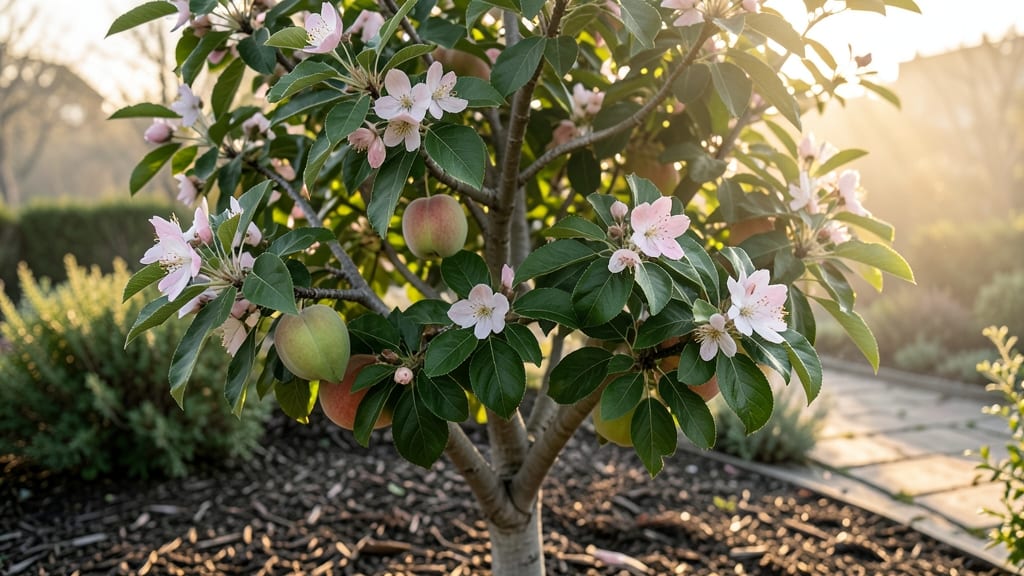
Cold-hardy peach varieties actually thrive where regular peaches freeze back to the ground. 🌱 I’ve grown these tough trees in Zone 5 for years, and the secret isn’t just the right variety—it’s how you protect their roots and manage winter stress.
These trees deliver reliable blooms and fruit even when temperatures dip into the teens.
The key starts with selecting varieties like ‘Reliance’ or ‘Contender,’ bred to survive -20°F with proper care. You’ll need well-draining soil, full sun, and a deep planting hole—roots need to bury 2-3 inches deeper than the nursery pot.
Mulch heavily in fall, then wrap the trunk with burlap or foam insulation once frost arrives. This combo keeps roots alive while the top growth rests.
By spring, you’ll see vibrant pink buds pushing through before most peaches even think about blooming. The trees reward your winter prep with heavy fruit set and disease resistance.
Prune in late winter to open the center, then watch as those cold-stressed roots fuel a harvest you’d never expect in harsh climates.
Works in Zones 4-7 with adjustments for snow load and late frosts. The same principles apply whether you’re planting one tree or a small orchard. Let’s get those roots protected for next season’s blooms!
📚 In This Guide
- What you need
- Instructions
- Tips and common mistakes
- Wrapping up and next steps
What you need
- ● Hardy peach tree saplings: Choose cold-resistant varieties like 'Reliance' or 'Contender' (1-3 trees, depending on space).
- ● Well-draining soil: Mix garden soil with compost (ratio: 3 parts soil, 1 part compost) or use a raised bed for poor drainage areas.
- ● Organic mulch: Wood chips or straw (2-3 inches deep) to insulate roots and retain moisture.
- ● Slow-release fertilizer: 10-10-10 or a fruit-tree-specific blend (apply at planting and mid-spring).
- ● Drip irrigation or soaker hose: For consistent moisture (avoid overhead watering).
- ● Tree supports: Stakes + soft ties (if planting in windy areas).
- ● Pruning tools: Sharp bypass pruners + loppers (sterilized with rubbing alcohol).
- ● Garden shovel or trowel (for digging holes 2x wider than the root ball).
- ● Wheelbarrow (for mixing soil/amendments).
- ● Gloves + knee pads (protection and comfort!).
- ● pH testing kit (ideal range: 6.0–7.0).
- ● Burlap wraps: For young trees in frost-prone zones (remove in spring).
- ● Tree guards: Plastic or metal collars to deter voles/squirrels.
- ● Heat mat or row cover: For early spring planting in Zone 5 or colder.
- ● Cold-hardy rootstock: If grafting, use 'Lovell' or 'Nemaguard' rootstock.
Step-by-Step guide to planting hardy peach trees for cold climates
Here’s how I’ve learned to grow peaches that thrive even when winter bites hard.
🌱 Step 1: Choose the Right Site for Cold-Hardy Growth
Peaches need full sun—at least 6-8 hours daily—but the real trick is picking a spot where winter winds won’t scorch tender bark. I always plant mine on the south or southwest side of a building or fence to shield them from harsh northern winds. The soil should drain well—peaches hate soggy roots—so avoid low spots where water pools.
Dig a hole twice as wide as the root ball but only as deep as the container’s bottom. This prevents burying the graft union (the bulge near the base of the tree), which can rot if planted too deep. Amend the native soil with 2-3 inches of compost mixed into the bottom of the hole to give roots a nutrient boost right away.
💧 Step 2: Plant and Water for Strong Root Establishment
Remove the tree from its container and loosen any circling roots—these can strangle the tree if left tangled. Place it in the hole so the graft union sits 2-3 inches above soil level. Backfill with native soil, tamping gently to remove air pockets, but don’t pack it down too firmly. Water deeply right after planting to settle the soil and eliminate air gaps around the roots.
I like to create a watering basin around the base by mounding soil into a shallow ring. This helps direct water straight to the roots where it’s needed most. Mulch with 3-4 inches of wood chips or straw, keeping it 6 inches away from the trunk to prevent rot. This mulch layer insulates roots in winter and keeps soil moist in summer—critical for peaches, which are drought-sensitive once established.
☀️ Step 3: Protect Young Trees from Winter Stress
Hardy peach varieties can handle down to -15°F, but young trees need extra care. Wrap the trunk with tree wrap or burlap in late fall to prevent sunscald, where winter sun burns exposed bark. I also mound 12-18 inches of soil or mulch around the base of the tree in late autumn, then remove it in early spring once frost danger passes. This extra insulation helps roots survive colder snaps.
Prune in late winter or early spring before buds swell, cutting back any dead or crossing branches. Avoid heavy pruning—the goal is to keep the tree’s energy focused on root growth. Thin the canopy slightly to let sunlight reach the center, which prevents disease and encourages better fruit set. Here’s the thing—peaches bloom early, so timing matters. If you prune too late, you risk exposing fresh cuts to winter cold.
✂️ Step 4: Maintain Through the Growing Season
Water deeply once a week during dry spells, aiming for 1-1.5 inches of water per week. Peaches need consistent moisture, especially when fruit is forming—drought stress leads to small, poor-quality fruit. I check soil moisture by sticking my finger 2 inches down; if it’s dry, that’s the time to water. Avoid wetting the leaves to reduce fungal diseases like brown rot.
Fertilize in early spring with a balanced 10-10-10 formula, applying ½ pound per inch of trunk diameter. Spread it in a ring 12 inches from the trunk and water it in well. Skip summer fertilizing—peaches are sensitive to late-season nitrogen, which encourages late growth that won’t harden off before winter. Instead, focus on mulching and weeding to keep roots cool and competition at bay.
⏰ Step 5: Harvest and Prepare for Next Year’s Blooms
Peaches ripen in late summer to early fall, depending on the variety. They’re ready when they easily separate from the tree with a gentle twist and have a slight give when pressed. Harvest on a dry day to avoid spreading disease, and store them at room temperature for a few days to finish ripening if needed.
After harvest, clean up all fallen fruit and leaves to reduce pests and diseases. In late fall, apply a 2-3 inch layer of mulch around the base, but keep it away from the trunk. This protects roots from freeze-thaw cycles and keeps soil temperatures stable. If your winters are particularly brutal, consider adding a layer of straw or leaves over the mulch for extra insulation. With these steps, your peach tree will bounce back year after year, even in cold climates.
Tips & tricks for hardy peach trees in cold climates
Cold-hardy peach trees need extra attention—but these simple tricks make all the difference for survival and fruit production.
Site Selection Wisdom: In Step 1, when choosing your location, consider microclimates within your yard. A spot near a brick wall or paved area can stay warmer in winter, extending the growing season. I’ve seen trees planted in these warm pockets produce fruit a week earlier than others in the same yard. Also, avoid planting near large trees that will compete for water and nutrients—peaches need their space to thrive.
Root Care During Planting: The 2-3 inches of compost you mix into the bottom of the hole in Step 1 is non-negotiable for cold climates. I’ve seen trees planted without this amendment struggle through winters, showing signs of stress the following spring. For extra insurance, consider adding a handful of mycorrhizal fungi to the planting hole—this beneficial soil fungus helps roots absorb water and nutrients more efficiently, which is crucial when winter stress weakens the tree.
Winter Protection Pro Tip: When wrapping your tree in Step 3, use tree wrap that’s at least 2 inches wide and remove it in early spring before new growth begins. I’ve made the mistake of leaving it on too long, which can trap moisture against the bark and lead to fungal issues. Also, if you’re expecting an unusually harsh winter, consider adding a layer of bubble wrap around the tree wrap for extra insulation—this simple trick can make the difference between a tree that survives and one that doesn’t.
Pruning Precision: The late winter/early spring timing in Step 3 is critical because peach trees bloom early. If you prune too late, you risk exposing fresh cuts to winter cold, which can invite disease. I like to prune on a dry day when temperatures are above freezing but still chilly—this gives the tree time to heal before spring growth begins. Make sure to sterilize your pruners with rubbing alcohol between cuts to prevent spreading disease.
Pro Tips for Hardy Peach Trees
- Cold-hardy peach trees need extra attention—but these simple tricks make all the difference for survival and fruit pr...
- Site Selection Wisdom: In Step 1, when choosing your location, consider microclimates within your yard. A spot near a...
- Root Care During Planting: The 2-3 inches of compost you mix into the bottom of the hole in Step 1 is non-negotiable ...
Frequently asked questions
Got questions about growing hardy peach trees in cold climates?
You’re not alone! Here are answers to the most common concerns—from planting tips to troubleshooting—so you can enjoy reliable blooms year after year.
How cold can hardy peach trees tolerate?
Hardy peach varieties (like ‘Reliance’ or ‘Contender’) survive down to -15°F to -20°F with proper protection. Young trees need winter wraps or mulch, while mature trees develop cold resistance. Check your zone—most thrive in USDA Zones 4-8 with microclimate adjustments.
When is the best time to plant hardy peach trees?
Plant in early spring (after last frost) or fall (6-8 weeks before first frost). Spring planting gives roots time to establish before summer heat, while fall planting avoids drought stress. Avoid extreme heat or cold—aim for 50–60°F soil temps for best success.
Do hardy peach trees produce fruit as reliably as non-hardy varieties?
Yes! While yields may be slightly smaller, hardy varieties like ‘Crimson Snow’ or ‘Honey Babe’ deliver consistent fruit with proper care. Pollination (cross-pollinating with another variety) and winter protection are key to maximizing harvests in cold zones.
What should I do if my peach tree’s leaves turn brown in winter?
Brown leaves in winter are often normal—peach trees are dormant! But if leaves stay brown into spring or you see blackened branches, it could signal frost damage or disease. Prune dead wood in late winter, and apply dormant oil spray in fall to prevent pests.
Can I grow hardy peach trees in containers?
Dwarf varieties (like ‘Bonanza’) thrive in 15–20 gallon pots with well-draining soil. Use a large container for stability, move pots to a sheltered spot in winter, and ensure they get full sun (6–8 hours/day). Container trees need regular watering—they dry out faster than in-ground plants.
What’s the best alternative if hardy peach trees don’t work in my climate?
Try apricots (hardy to -20°F), plums (Zone 3 tolerance), or cherries (like ‘Montmorency’ sour cherries). For fruit lovers in cold zones, apple trees (many cold-hardy varieties) are another reliable choice—just pick disease-resistant cultivars!
Wrapping up and next steps
Growing hardy peach trees in cold climates is absolutely doable with the right care and preparation! By selecting cold-resistant varieties, protecting roots from winter stress, and providing proper support, you’ll enjoy reliable blooms and sweet fruit year after year. 🌸
Now that you’re armed with the knowledge, take the next step—pick your favorite variety, prep your soil, and plant with confidence! Whether you’re a seasoned gardener or just starting, your peach tree’s journey to fruition begins with you. Happy planting! 🌱