
Pruning
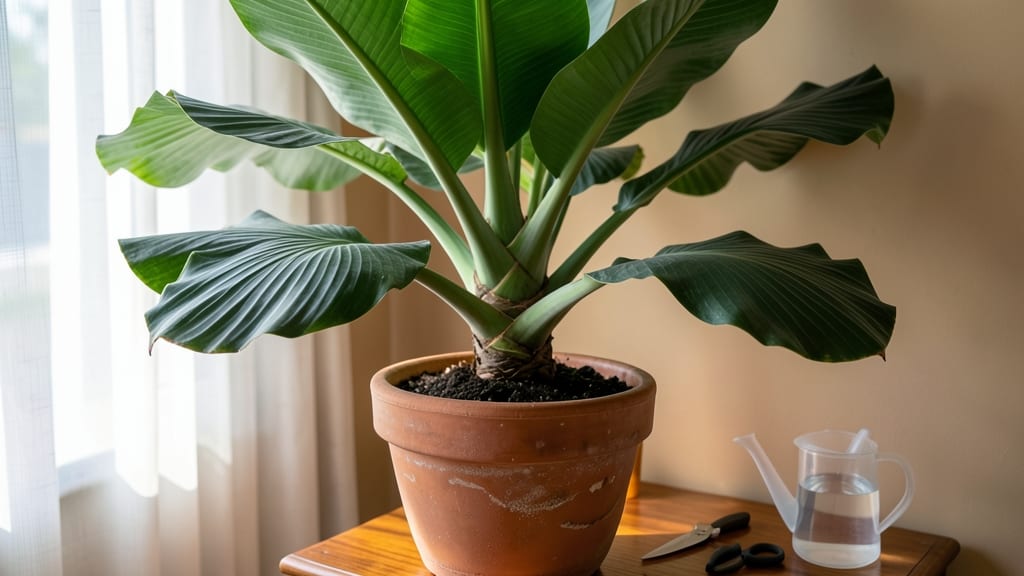
Pruning your German Silver banana tree during dormancy transforms it from a wild, unruly giant into a controlled, towering centerpiece. 🌿 I’ve watched mine go from scraggly to showstopping in just one winter trim—it’s all about timing, technique, and a little patience.
The key? Waiting until after the first hard frost when the plant’s energy shifts underground, leaving you with clean canes ready for new growth in spring.
You’ll need sharp pruners, a bucket for cuttings, and a clear day to work—no rushing. Start by removing any dead or damaged leaves at the base, then cut back the tallest canes by about one-third to encourage bushier regrowth.
The goal isn’t to make it shorter but to shape it for stronger, more productive stems next season. Think of it like giving your tree a haircut that sets it up for success.
What you’ll end up with is a plant that looks neater, grows faster, and produces those iconic silver-striped leaves with fewer gaps. The pruned canes can even be propagated for free plants—just stick them in water or moist soil, and you’ll have new trees in a few months.
It’s like hitting two gardening goals at once: cleanup and expansion.
Works perfectly for USDA Zones 5-9, though in colder areas, you might need to wrap the base in burlap for extra protection. The same method applies whether your tree is in the ground, a large pot, or even a container—just adjust the pruning height to match the space.
Ready to give it a try?
📚 In This Guide
- What you need
- Instructions
- Tips and common mistakes
- Wrapping up and next steps
What you need
- ● Pruning shears: Sharp, bypass-type shears (for clean cuts on smaller stems). Example: Felco F-2 or equivalent.
- ● Loppers: Heavy-duty, bypass or anvil-style (for thicker stems up to 2 inches). Example: Corona 4450L.
- ● Pruning saw: Curved-tooth saw for stems thicker than 2 inches. Example: Felco F-20.
- ● Disinfectant: 70% isopropyl alcohol or rubbing alcohol (to sterilize tools between cuts).
- ● Gloves: Heavy-duty gardening gloves (to protect against thorns and sap).
- ● Rope or twine: 10–15 ft (for securing branches during trimming).
- ● Bucket or bag: For collecting pruned debris (preferably compostable).
- ● Hand pruners: For fine-tuning small branches (e.g., Felco Classic).
- ● Pole saw: If your tree is tall (over 6 ft) and hard to reach.
- ○ Pruning sealant: Tree wound dressing (controversial but useful for large cuts—optional).
- ● Ladder: Sturdy, extendable (if branches are high). Safety tip: Use a spotter if working alone!
- ● Spray bottle with soapy water: To clean tools between cuts (eco-friendly alternative to alcohol).
Step-by-Step instructions for pruning German silver banana trees
Here's the method I rely on to keep these dramatic plants healthy and thriving.
🌿 Step 1: Identify the Right Time to Prune
German silver banana trees need their dormant season trim, which is typically late winter to early spring before new growth begins. Look for brown, dead fronds that have completely dried out and turned crispy—these are your first targets. Wait until temperatures stay above 50°F at night to avoid stressing the plant.
Real talk: If you prune too early, you risk encouraging new growth that could get damaged by cold snaps. I always check the weather forecast for a two-week window with no hard freezes predicted. This timing ensures the plant has energy reserves to support fresh shoots.
✂️ Step 2: Gather Tools and Prepare the Workspace
You'll need sharp pruning shears (sterilized with rubbing alcohol) and gloves for protection—those fronds can be surprisingly tough. Lay down a drop cloth or tarp to catch debris, and have a bucket of soapy water ready to clean your tools between cuts. German silver banana trees can harbor pests, so keeping tools clean prevents spreading issues.
I like to work on a dry day when the plant isn't thirsty. Water the tree 24 hours before pruning to ensure it's hydrated, but avoid overwatering—soggy soil makes cleanup messier. Clear the area around the base so you have 18-24 inches of space to move comfortably.
🌱 Step 3: Remove Dead and Damaged Fronds
Start with the outermost, completely brown fronds—these are dead and no longer contributing to the plant. Cut them off at the base of the pseudostem (the thick, false trunk) using a 45-degree angle to prevent water from pooling. Avoid cutting into the green, living tissue—this is where new growth emerges.
If you see yellowing fronds with some green, hold off on removing them. These are still photosynthesizing and should be left until they're fully brown. I usually leave 2-3 healthy fronds unless the plant is overcrowded. The goal is to maintain a balanced shape while encouraging fresh growth from the center.
☀️ Step 4: Trim for Airflow and Light Penetration
German silver banana trees grow tall, and dense fronds can block sunlight from reaching the lower leaves. Step back and look for fronds that overlap or create dense clusters—these should be thinned out. Remove every other frond if necessary, starting from the outside and working inward. This opens up the plant for better airflow and reduces disease risk.
Here's the thing—don't go overboard. You want to reduce bulk by about 20-30% at most. Over-pruning stresses the plant and can lead to weak new growth. If you're unsure, take a photo first and compare it to reference images of healthy German silver banana trees.
🪴 Step 5: Clean Up and Monitor Recovery
After pruning, rake up all the debris and dispose of it in the trash (don't compost—pests can linger). Wipe down the pseudostem with a damp cloth to remove any sap or residue. This keeps the plant looking tidy and prevents fungal spores from settling.
Watch for new growth within 4-6 weeks. You'll see it as a tight, green bud emerging from the center of the plant. Keep the soil evenly moist but not soggy during this time, and avoid fertilizing until new fronds are 6 inches tall. This gives the plant energy to focus on recovery rather than foliage.
Tips & tricks for pruning German silver banana trees
These simple strategies will help you prune with confidence and keep your towering plant thriving for years.
Timing is Everything: The late winter to early spring window is critical because German silver banana trees store energy in their pseudostems during dormancy. Pruning at nighttime temperatures consistently above 50°F ensures the plant isn't shocked by cold snaps. I've seen plants struggle when pruned too early—new growth can get damaged by unexpected freezes. Check your local frost dates and aim for at least a two-week frost-free window after your last expected freeze.
Tool Prep Matters: Sterilizing your pruning shears with rubbing alcohol between cuts prevents spreading fungal spores or bacterial infections that can weaken your plant. I always double-check my tools are clean before starting, especially when dealing with large, mature plants. For extra protection, wear gloves—the fronds can be surprisingly sharp and may have hidden pests. A drop cloth makes cleanup easier, but don't forget to dispose of all debris in the trash rather than composting it.
Visual Cues for Pruning: When removing dead fronds in Step 3, look for completely brown, crispy leaves that crumble easily when touched—these are ready to go. For the 2-3 healthy fronds you should leave, check that they're fully green with no brown edges. The 45-degree angle cut at the pseudostem base prevents water from pooling, which could lead to rot. If you're unsure whether a frond is dead or just dormant, give it another week before deciding.
Recovery Monitoring: After pruning, watch for that tight green bud within 4-6 weeks—this is your sign that new growth has started. During this time, maintain evenly moist (not soggy) soil and resist the urge to fertilize until those new fronds reach 6 inches tall. I've learned the hard way that fertilizing too soon can stress the plant when it's still recovering from pruning. A damp cloth wipe-down of the pseudostem after pruning helps prevent fungal issues that can set in during recovery.
Pro Tips for German Silver Banana Tree
- These simple strategies will help you prune with confidence and keep your towering plant thriving for years.
- Timing is Everything: The late winter to early spring window is critical because German silver banana trees store energy in their pseudostems during dormancy.
- Tool Prep Matters: Sterilizing your pruning shears with rubbing alcohol between cuts prevents spreading fungal spores or bacterial infections that can weaken your plant.
Frequently asked questions
Got questions about pruning your German silver banana tree? You’re not alone! Here are some of the most common concerns—and their answers—to help you trim with confidence.
When is the best time to prune a German silver banana tree?
The ideal time to prune is late winter or early spring, just before new growth begins. This aligns with the tree’s dormant season (typically January–March in most climates) and minimizes stress. Avoid pruning during extreme heat or cold, as the tree may struggle to recover.
How do I know which branches to cut back?
Focus on removing dead, damaged, or crossing branches first. For shaping, trim back overgrown fronds to about 1/3 of their height—never cut into the trunk itself. Look for yellowing leaves, weak stems, or branches rubbing against others as clear signs for pruning.
Will pruning hurt my German silver banana tree?
When done correctly, pruning stimulates healthier growth by redirecting energy to stronger branches. However, over-pruning (cutting more than 30% of the foliage at once) can stress the tree. Always use sterilized tools and avoid heavy trims in hot or dry conditions to prevent shock.
What should I do with the cut branches after pruning?
You’ve got options! Compost small branches for nutrient-rich soil, or use them as mulch around the base of the tree. Larger stems can be chopped for firewood (if dry) or repurposed as stakes for other plants. Never leave cut branches piled near the tree—they can attract pests or diseases.
Can I prune a German silver banana tree in summer?
Summer pruning is possible, but it’s riskier. If you must trim, do so early in the morning to reduce water loss and stress. Avoid heavy pruning—stick to light shaping or removing only dead fronds. Water the tree thoroughly before and after to help it recover faster.
Wrapping up and next steps
Pruning your German Silver Banana Tree during dormancy isn’t just about aesthetics—it’s the secret to unlocking healthier, stronger, and more productive growth. By following the right techniques, you’ll encourage lush foliage, better fruit yields, and a tree that stands tall with confidence. 🌿
Ready to give your tree the care it deserves? Start by gathering your tools and scheduling your first trim this season—your German Silver Banana Tree will thank you with vibrant, towering beauty! 🌱✨