
Pruning
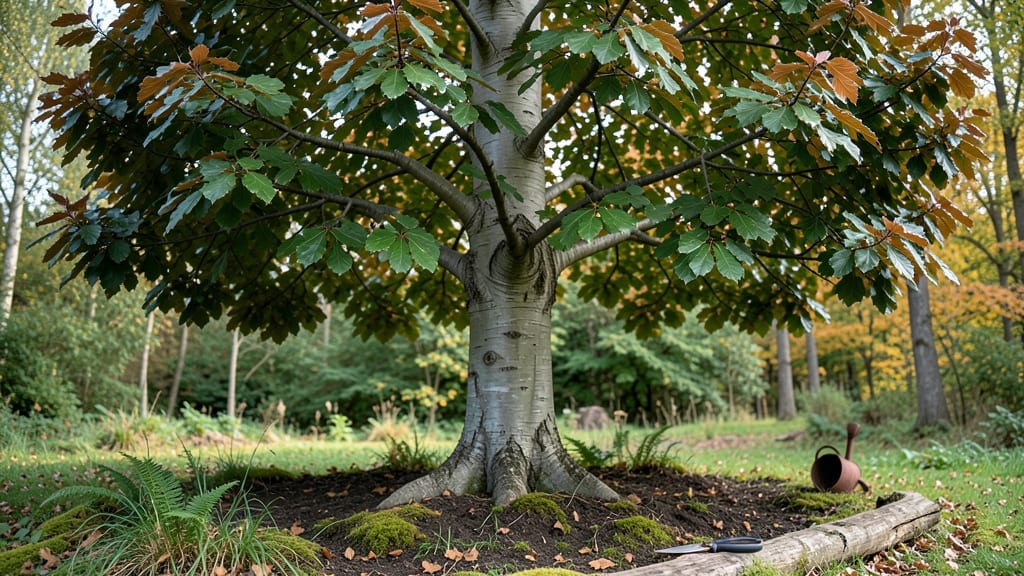
Pruning a Fagus beech tree isn’t just about shaping—it’s about unlocking that signature glossy foliage and sturdy structure that makes these trees so coveted. 🌿 I’ve watched my own beech trees go from scraggly saplings to showstopping specimens by mastering the timing and technique, and the results speak for themselves: fewer dead branches, denser canopies, and a tree that looks like it belongs in a park, not just your yard.
The key? Pruning isn’t seasonal—it’s strategic. Young trees need gentle shaping to encourage strong growth, while mature specimens benefit from targeted cuts to maintain their natural elegance. You’ll work with the tree’s natural form, removing only what’s necessary to keep it healthy and vibrant.
Even in winter, when the leaves are gone, you can spot exactly where to trim for the best spring flush.
What you’ll end up with is a tree that’s not just alive but thriving—smooth bark catching the light, leaves that stay lush even in drought, and branches that hold their shape year after year.
The best part? Beech trees respond beautifully to careful pruning, so every cut you make is an investment in long-term beauty. Let’s get started with the right tools and timing.
Whether you’re dealing with a young sapling or a century-old specimen, the principles stay the same: patience, precision, and understanding how beech trees grow. We’ll cover everything from the best time to prune to how to handle those stubborn branches that refuse to cooperate.
Your tree will thank you for it.
📚 In This Guide
- What you need
- Instructions
- Tips and common mistakes
- Wrapping up and next steps
What you need
- ● Pruning Shears: Bypass pruners (sharp, 6–8" blades) for cuts up to ½" in diameter.
- ● Loppers: 1 pair (10–12" handles) for branches ½"–2" thick.
- ● Pruning Saw: Curved-tooth saw (8–10" blade) for thicker branches (2"+).
- ● Gloves: Heavy-duty, cut-resistant gloves (e.g., Fellex or Tough Outdoors).
- ● Ladder: Extendable aluminum ladder (20–30 ft) for tall trees—always use stabilizers!
- ○ Disinfectant: 70% isopropyl alcohol or Tanglefoot Tree Wound Pruning Sealant (optional but recommended).
- ● Twine or Zip Ties: For temporary support if training young branches.
- ● Pole Pruner: For high branches (16–24 ft reach).
- ● Work Gloves + Safety Glasses: Extra protection from debris.
- ● Tree Wound Paint: Only use if pruning large wounds (>2" diameter)—controversial but some swear by it!
- ● Notebook + Pen: To sketch pruning plans or track growth progress.
- ● Check local regulations—some areas require permits for tree work over a certain height.
- ● Schedule pruning on a dry, calm day (avoid wind or rain).
- ● Wear closed-toe shoes and avoid loose clothing near machinery.
Step-by-step guide to pruning Fagus beech trees for year-round health
Mastering beech tree pruning keeps them lush and resilient—here's how to do it right.
✂️ Step 1: Assess the Tree's Structure and Seasonal Needs
Start by examining your beech tree in late winter or early spring when it's dormant. Look for dead branches (they'll snap easily when bent), crossing limbs, and areas with poor growth. Beech trees respond best to pruning during their dormant season, so avoid cutting in summer when they're actively growing.
Here's the thing—beech trees have smooth, gray bark that makes cuts stand out. To prevent unsightly scars, always make clean cuts just outside the branch collar (the swollen area where the branch meets the trunk). Use sharp, clean pruning tools to avoid tearing the bark. I like to sketch a rough map of the branches I'll remove first—it helps visualize the final shape.
🌿 Step 2: Remove Dead, Diseased, or Weak Branches First
Begin with the obvious—any branches that are dead, diseased, or rubbing against others need to go. These are your priority because they drain energy from the tree. Cut these first, working from the bottom up. Use bypass pruners for branches up to ½ inch thick and a pruning saw for anything larger.
Watch for signs of disease like mushrooms growing at the base or oozing sap. If you see these, sterilize your tools with 70% rubbing alcohol between cuts to prevent spreading pathogens. Beech trees are tough, but they won't tolerate neglect—removing these branches now keeps the rest of the tree strong.
☀️ Step 3: Thin the Canopy for Better Airflow and Light
Next, focus on thinning the canopy to improve airflow and sunlight penetration. Remove 10-20% of the branches evenly distributed throughout the tree. Aim for an open, vase-like shape—this encourages new growth at the base and prevents a dense, heavy crown. Start at the outer edges and work inward.
You'll notice some branches grow straight up while others angle outward. The goal is to create a balanced silhouette where no single branch dominates. If a branch is growing directly toward another, remove the weaker one. Beech trees have a natural tendency to fill in, so thinning now prevents future overcrowding. Step back often to check your progress—what looks balanced from close up might not be from a distance.
⏰ Step 4: Shape the Tree Gradually Over Time
Beech trees grow slowly, so pruning should be a gradual process spread over several years. Avoid removing more than 25% of the canopy in one season—this stresses the tree and can lead to dieback. Focus on small, strategic cuts each year to guide the tree's shape without shocking it.
Here's where it gets fun—watch how the tree responds. New growth will emerge from the sides of branches where you made cuts, filling in gaps naturally. If you see vigorous shoots growing where you didn't want them, prune them back in the following year. Patience is key; a beech tree pruned correctly will reward you with a sturdy, picturesque form for decades.
✂️ Step 5: Clean Up and Protect the Tree
After pruning, rake up and dispose of all debris—this prevents pests and diseases from taking hold. Seal larger cuts (over ½ inch in diameter) with tree wound pruning sealant to protect the tree from decay. For smaller cuts, let them heal naturally; sealants aren't necessary and can sometimes trap moisture.
Finally, give your beech tree a deep watering to help it recover from the pruning stress. Mulch the base with 2-3 inches of organic mulch (like wood chips) to retain moisture and regulate soil temperature. Avoid piling mulch against the trunk—keep it 2-3 inches away to prevent rot. Your tree will thank you with stronger growth and a healthier appearance next season.
Tips & tricks for perfect Fagus beech tree pruning
Want to transform your beech tree into a stunning landscape feature? These game-changing tips will help you achieve professional results without harming your tree.
Seasonal Timing Secret: Late winter or early spring is your ideal window for pruning—this is when beech trees are fully dormant but just beginning to show signs of new growth. If you must prune outside this window, avoid summer when the tree is actively growing, as this can stress the tree and leave it vulnerable to disease. The key is to catch it between the time it sheds its leaves and before buds start to swell.
Tool Prep That Changes Everything: Before you even touch your tree, make sure your tools are ready. Sterilize your pruners and saw with 70% rubbing alcohol between cuts—this prevents spreading diseases from one branch to another. Also, sharpen your tools regularly; dull blades tear bark instead of making clean cuts, which can lead to larger wounds and slower healing. I like to keep a small bottle of rubbing alcohol in my tool bag for quick sterilization between trees.
Visualization Technique: Here's what nobody tells you—sketching a rough map of your tree before you start can save you hours of frustration. Trace the main branches on paper and mark which ones you'll remove. This helps you visualize the final shape and ensures you're making balanced cuts. I've done this enough times to know that seeing the tree's structure on paper reveals imbalances you might miss just by looking.
Pruning Collar Precision: The branch collar—the swollen area where a branch meets the trunk—is your guide for perfect cuts. Always cut just outside this collar to encourage proper healing and prevent unsightly scars. If you cut too close to the trunk, you'll damage the tree's natural healing mechanism. For larger branches, make a second cut slightly above the first to avoid tearing bark as you remove the branch.
Pro Tips for Fagus Beech Tree
- Want to transform your beech tree into a stunning landscape feature?
- Seasonal Timing Secret: Late winter or early spring is your ideal window for pruning—this is when beech trees are fully dormant but just beginning to show signs of new growth.
- Tool Prep That Changes Everything: Before you even touch your tree, make sure your tools are ready.
Frequently asked questions
Got questions about pruning your Fagus beech tree? You’re not alone!
Whether you're a seasoned gardener or just starting out, these common queries—and their answers—will help you master year-round shaping for a thriving tree.
When is the best time to prune a beech tree?
The ideal time to prune a Fagus beech tree is late winter to early spring (February–March), just before new growth begins. This timing minimizes stress and reduces disease risk. Avoid heavy pruning in late summer or fall, as it can stimulate tender growth vulnerable to frost damage. Light maintenance pruning can be done in summer if needed, but keep it minimal!
How much of a beech tree can I safely prune at once?
Never remove more than 25% of the tree’s foliage in a single session—especially for mature Fagus beech trees. Over-pruning weakens the tree, stresses its root system, and can lead to dieback. For young trees, you can trim up to 15–20% annually. Always prioritize removing dead, diseased, or crossing branches first to maintain structural integrity.
What should I do if my beech tree bleeds sap after pruning?
Sap bleeding (or "weeping") is common in beech trees after pruning, especially in early spring. While it may look alarming, it’s usually harmless and stops on its own. To minimize mess, prune on a dry day and avoid cutting into large branches when the tree is actively growing. If bleeding is excessive or accompanied by wilting leaves, check for pests or disease—contact a local arborist if needed.
Can I prune a beech tree in summer, and how?
Summer pruning is possible but should be light and strategic. Focus on removing only deadwood, water sprouts, or branches rubbing together—avoid heavy cuts. Prune on a cool, overcast day to reduce stress. If shaping is necessary, spread pruning sessions over 2–3 weeks to give the tree time to recover. Never prune during heatwaves or drought conditions!
Are there alternatives to traditional pruning for shaping a beech tree?
Yes! For a more natural look, try pollarding (cutting back to a stub) or coppicing (removing stems at ground level), though these are best for younger trees or specific designs like hedges. Another option is topiary, which involves careful, artistic shaping—ideal for ornamental Fagus varieties. Always research the method thoroughly or consult an expert to avoid harming the tree.
Wrapping up and next steps
The Fagus beech tree is a stunning addition to any landscape, but mastering its pruning takes patience and precision. By following seasonal best practices—whether removing dead branches, thinning for airflow, or shaping for aesthetics—you’ll ensure its long-term health and beauty. 🌿
Now that you’re armed with the knowledge, roll up your sleeves and get pruning! Start with a small section today, observe how your tree responds, and gradually refine your technique.
Every trim brings you closer to a thriving, picturesque Fagus beech tree that will be the envy of your neighborhood. Happy pruning! ✂️🌳