
Pruning
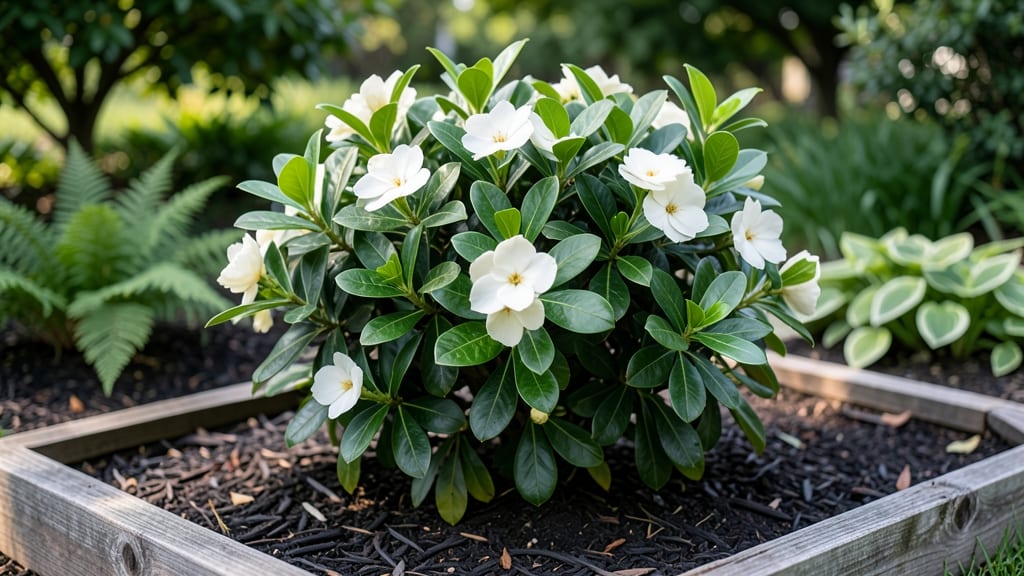
Florida’s year-round warmth makes gardenia trees thrive—if you prune them right. ✨ I’ve learned the hard way that skipping pruning means fewer blooms and leggy branches, but the right cuts transform your gardenia into a fragrant, bushy powerhouse that flowers almost nonstop.
The secret isn’t just cutting back—it’s timing. Prune lightly after blooming to encourage new growth, then do a heavier trim in late summer to shape the tree and prepare for winter’s mild chill.
Florida’s humidity also means watching for scale insects, so I’ll show you how to spot and treat them before they ruin your plant’s beauty.
By the end of this, your gardenia will burst with glossy leaves and intoxicating white flowers from spring through fall. The key is patience: each cut builds denser branches, and within a season, you’ll have a tree that’s the envy of every neighborhood.
Works for both container gardenias and in-ground plants, whether you’re in Miami’s heat or Orlando’s slightly cooler winters. Let’s get those shears ready!
📚 In This Guide
- What you need
- Instructions
- Tips and common mistakes
- Wrapping up and next steps
What you need
- ● Pruning shears – Bypass shears (8-10" blade) for clean cuts on small branches.
- ● Loppers – For thicker branches (1.5-2" diameter)—look for bypass or anvil types.
- ● Hand pruners – For precision trimming (smaller than 0.5" diameter).
- ● Garden gloves – Heavy-duty, chemical-resistant (gardenia thorns are sharp!).
- ● Disinfectant (70% isopropyl alcohol or bleach solution) – 1 part bleach to 9 parts water to sterilize tools between cuts.
- ○ Sharpie or pruning sealant – For marking cuts or sealing larger wounds (optional but helpful).
- ● Bucket or trash bag – For collecting pruned branches.
- ● Ladder or step stool – Sturdy, 6-8 ft tall (if your gardenia is mature).
- ● Safety glasses – To protect against debris.
- ● Extension pruners – For high branches without a ladder.
- ● Hose or spray bottle – To clean tools and rinse sap off cuts.
- ● Mulch or compost – For amending soil after pruning.
- ● Fertilizer (balanced or acid-loving plant formula) – 10-10-10 or 8-3-9 to boost recovery.
- ● Work apron or old towel – To catch sap drips (gardenia sap is sticky!).
Step-by-Step guide to pruning gardenia trees in Florida
Your gardenia’s fragrance and shape depend on smart pruning—here’s how to keep it lush all year.
✂️ Step 1: Prune After Flowering (Late Spring)
Wait until 2-3 weeks after blooming when you notice new growth emerging from the old wood. This timing ensures you don’t cut off next year’s flower buds hidden in the stems. Gardenias bloom on old wood, so pruning too early removes potential blooms.
Use clean, sharp pruning shears to make 45-degree cuts just above a leaf node or outward-facing bud. Avoid leaving stubs—these invite disease. I always prune on a dry morning when the plant is fully hydrated, which helps it recover faster.
🌿 Step 2: Light Summer Trim (Mid-July)
Give your gardenia a light shaping trim in mid-July to encourage bushier growth before winter. Look for overly long or leggy branches—these are your targets. You’ll know it’s time when you see new green growth starting to harden off after summer rains.
Remove no more than 20% of the plant’s total foliage at once. Focus on thinning out crowded branches from the center to improve airflow. This prevents fungal issues like powdery mildew, which Florida’s humidity loves to exploit.
☀️ Step 3: Winter Maintenance (Late January)
In late January, check for dead, diseased, or crossing branches that rub together. These are the only cuts you’ll make now—no heavy pruning. Gardenias are sensitive to cold, and pruning wounds take longer to heal in Florida’s cooler months.
Disinfect your shears with rubbing alcohol between cuts to prevent spreading any latent infections. Remove any branches that look yellowed or mushy at the base—these are signs of root rot or winter stress. Keep your cuts clean and precise.
🌱 Step 4: Post-Bloom Renewal (Early Fall)
After the spring flush of flowers fades in early fall, give your gardenia a renewal trim to prepare for next year’s blooms. Look for spent flower clusters—these are your first targets. You’ll also spot overly dense areas that need thinning to let light penetrate.
Step back and visualize the shape you want. Gardenias respond well to open, airy forms, so avoid heavy hedging. A light layering of branches creates that classic tropical look while keeping the plant healthy. This is also when I fertilize lightly to support new growth.
Tips & tricks for perfect gardenia tree pruning in Florida
Here's what nobody tells you about keeping your gardenia thriving through Florida's unique seasons.
Timing is Everything: That 2-3 week wait after blooming in Step 1 is crucial—it's when the plant has already set next year's flower buds. I learned this the hard way after pruning too early and losing my gardenia's fragrance for an entire season. Look for those tiny new shoots emerging from the old wood as your cue.
The 45-Degree Cut Secret: Those precise 45-degree cuts in Step 1 aren't just for looks—they prevent water from pooling on the wound, which would invite fungal infections. I use a small mirror to check my angle when learning. For thicker branches, make a second cut parallel to the branch collar to avoid tearing the bark.
Florida Humidity Hack: The 20% foliage limit in Step 2 is non-negotiable in our climate. After removing branches, I always give the plant a light spray with a fungicide to create a protective barrier against powdery mildew. This is especially important after summer rains when humidity spikes.
Winter Pruning Wisdom: Late January is your only window for winter maintenance—gardenias are particularly sensitive to cold stress. I've found that disinfected shears aren't just about preventing disease; they also help the plant heal faster in cooler temperatures. Always make your cuts on a dry, sunny day when the plant is fully hydrated.
Pro Tips for Gardenia Tree Florida
- Here's what nobody tells you about keeping your gardenia thriving through Florida's unique seasons.
- Timing is Everything: That 2-3 week wait after blooming in Step 1 is crucial—it's when the plant has already set next year's flower buds.
- The 45-Degree Cut Secret: Those precise 45-degree cuts in Step 1 aren't just for looks—they prevent water from pooling on the wound, which would invite fungal infections.
Frequently asked questions
Got questions about keeping your gardenia tree in Florida thriving with the perfect pruning routine? Here are some of the most common concerns—plus quick answers to keep your fragrant beauty lush and happy year-round.
When is the best time to prune my gardenia tree in Florida?
Prune your gardenia tree after it blooms (late spring to early summer) to encourage new growth and more flowers. Light trimming can also happen in early fall to shape the tree before winter. Avoid heavy pruning in late fall or winter—gardenias are sensitive to cold stress!
How much can I trim my gardenia tree without harming it?
Never remove more than 25-30% of the foliage in one session. Gardenias are delicate—over-pruning weakens the plant and reduces flowering. Focus on thinning out dense areas and shaping rather than aggressive cuts. Think "less is more" for these tropical divas!
Why are my gardenia leaves turning yellow after pruning?
Yellowing leaves often signal stress from over-pruning, poor drainage, or fungal issues (like root rot). If this happens, reduce pruning, ensure well-draining soil, and avoid wetting the foliage. A balanced fertilizer (high in iron) can also help revive your tree.
Can I grow a gardenia tree in Florida’s heat and humidity?
Gardenias love Florida’s climate but need partial shade (especially afternoon sun) and consistent moisture. Mulch the root zone to retain humidity, and protect young trees from harsh winds. With the right care, they’ll thrive and reward you with intoxicating blooms!
What’s a good alternative if my gardenia isn’t doing well?
If your gardenia struggles with pests, disease, or Florida’s heat, consider jasmine, plumeria, or frangipani—all fragrant, low-maintenance, and heat-tolerant. For a similar shape, oleander is drought-resistant but toxic (handle with care!).
Wrapping up and next steps
Growing a fragrant gardenia tree in Florida is a rewarding experience, and with the right pruning techniques, you’ll enjoy lush, blooming foliage year-round. 🌿 Whether you’re shaping for aesthetics, encouraging new growth, or maintaining health, consistent care pays off in stunning, aromatic flowers.
Now that you’re equipped with the how-tos and answers to common questions, it’s time to roll up your sleeves—grab those pruners and give your gardenia the love it deserves!
Your next step? Schedule a light trim every 4-6 weeks and observe how your tree responds. Keep experimenting with techniques like thinning cuts or deadheading to find what works best for your Florida climate. Happy pruning—your gardenia will thank you with blooms that smell as good as they look! 🌸