
Pruning
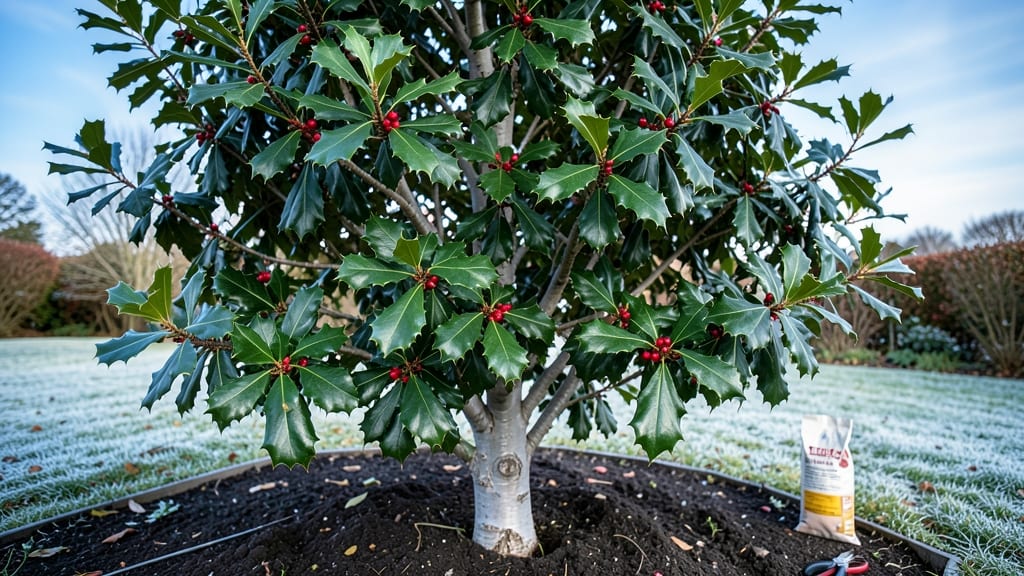
Caring for a holly tree isn’t just about keeping it alive—it’s about unlocking its shockingly lush growth year after year. 🌿 I’ve learned that the key lies in understanding its unique needs, from soil to seasonal pruning, because a healthy holly isn’t just pretty—it’s resilient, productive, and full of those signature berries.
The biggest mistake? Waiting until winter to trim. That’s when you realize last year’s missed cuts are now permanent scars on your tree.
First, match your holly’s care to its variety—dwarf hollies thrive in small spaces, while larger ones need room to spread. Morning sun and well-draining soil are non-negotiable, but the real game-changer is year-round pruning: light trims in spring, shaping cuts in summer, and cleanup in late winter.
Most gardeners skip the summer trim, and that’s when pests or diseases sneak in. I’ve seen hollies go from ragged to showstopping in just one season with this approach.
You’ll end up with a tree that’s disease-resistant, berry-laden, and easier to maintain than you thought. The secret? Pruning with the tree’s natural shape—never hacking back wildly.
By summer, you’ll notice new growth filling in bare spots, and by winter, your holly will stand out in the neighborhood like a neighbor-jealousy magnet. The best part? This method works for both glossy-leaf and blue holly varieties.
Even experienced gardeners miss one critical step—watering deeply but infrequently. Holly roots rot faster than you’d think, and overwatering is the silent killer. Once established, these trees are tough, but that first year demands consistency. Let’s get your holly thriving before the next growing season rolls around.
📚 In This Guide
- What you need
- Instructions
- Tips and common mistakes
- Wrapping up and next steps
What you need
- ● Pruning shears: Bypass pruners (for small branches, ¼”–¾” thick)
- ● Loppers: For medium branches (¾”–2” thick)
- ● Pruning saw: Curved-tooth saw for thick branches (2”+ thick)
- ● Gloves: Heavy-duty, cut-resistant (e.g., mechanics’ or pruning gloves)
- ● Ladder: Sturdy, extendable (if tree exceeds 6–8 feet)
- ● Disinfectant: 70% isopropyl alcohol or bleach solution (1 part bleach:9 parts water) for tools
- ● Heavy-duty trash bags: For collecting pruned branches (5–10 gallon size)
- ● Safety gear: Safety glasses, long sleeves/pants, and closed-toe shoes
- ● Pole pruner: For high branches (10–20 feet)
- ● Tree wound dressing: Pruning sealant (controversial but useful for large cuts)
- ● Work gloves: Extra pair for handling thorns
- ● Knee pads: For ground-level trimming
- ● Spray bottle: With water to rinse tools between cuts
- ● Notebook/pencil: To sketch pruning plans or track growth
Step-by-step guide to pruning holly trees for year-round health
Your holly tree thrives when pruned with precision—here’s how to keep it lush and disease-resistant.
✂️ Step 1: Time Your Pruning for Optimal Growth
Prune holly trees late winter to early spring, just before new growth begins. This timing ensures you remove dead wood while encouraging vigorous spring flushes. Avoid pruning in fall—it stimulates tender new growth that won’t survive winter freezes.
If you must prune in summer, do it after flowering to avoid cutting off next year’s berries. Holly trees bloom on old wood, so late-season cuts won’t harm their fruiting potential. Check for dormant buds (small, swollen nodes) as your cue—prune just above these to encourage branching.
🌿 Step 2: Assess and Remove Problem Areas
Start by removing dead, diseased, or crossing branches—these compete for resources and invite pests. Use sharp, clean pruners to make cuts at a 45-degree angle, about ¼ inch above a outward-facing bud. This prevents water from pooling and causing rot.
Look for branches growing inward or rubbing against others—these will eventually tear or create entry points for fungal infections. Thin the canopy by 20-30% max in one session to avoid shocking the tree. If a branch is larger than 2 inches in diameter, make a three-cut approach to prevent bark tearing.
☀️ Step 3: Shape for Balance and Light Penetration
Holly trees develop dense foliage, so prune to maintain an open center that allows sunlight to reach the inner branches. Focus on outer growth to preserve the tree’s natural pyramid shape. Cut back overgrown branches to one-third of their length to stimulate bushier growth.
Step back frequently to check your work—holly trees respond well to gradual shaping. Avoid heavy pruning on young trees; focus on removing only water sprouts and suckers that drain energy. Mature trees can handle more aggressive trimming, but never remove more than 30% of the canopy in a single year.
💧 Step 4: Post-Pruning Care for Recovery
Water deeply within 24 hours of pruning to help the tree recover. Holly trees have shallow roots, so soak the soil to a depth of 12 inches to encourage root growth. Avoid fertilizing immediately—wait until new growth appears in spring.
Monitor the tree for 3-4 weeks for signs of stress, like yellowing leaves or oozing sap. If you see excessive sap, apply a thin layer of pruning sealant (optional for small cuts, but skip for large wounds—holly bark seals naturally). Mulch around the base with 2-3 inches of organic mulch to retain moisture and regulate soil temperature.
Tips & tricks for perfect holly tree trimming
Common pitfalls can turn a simple pruning session into a disaster—here’s how to keep your holly tree thriving year-round.
Timing is Everything: The late winter to early spring window is non-negotiable for healthy growth. I’ve seen too many trees stressed after fall pruning—new growth simply can’t survive winter freezes. If you must prune in summer, wait until after flowering to protect next year’s berries. Look for those dormant buds (they’re like little green promises of next season’s fruit) and cut just above them to encourage branching.
Precision Cuts Prevent Problems: That 45-degree angle and ¼-inch clearance above outward-facing buds isn’t just technical jargon—it’s how you prevent water pooling that leads to rot. For branches thicker than 2 inches, the three-cut approach saves your bark from tearing. I learned this the hard way when a large cut peeled like a banana and took months to heal.
Gradual Shaping Builds Resilience: Holly trees respond best to gradual changes. Never remove more than 30% of the canopy in one session—this rule protects against shock. Young trees need even gentler treatment: focus on water sprouts and suckers that drain their energy. For mature trees, that one-third reduction on overgrown branches stimulates bushier growth without stressing the system.
Post-Pruning Recovery is Critical: The 24-hour watering deadline isn’t arbitrary—holly roots are shallow and need immediate hydration after pruning. Soak that soil to 12 inches deep, then wait until spring to fertilize. I’ve seen trees recover beautifully with just this simple care, while others struggled when rushed into fertilization too soon.
Pro Tips for Holly Tree Care
- Common pitfalls can turn a simple pruning session into a disaster—here’s how to keep your holly tree thriving year-round.
- Timing is Everything: The late winter to early spring window is non-negotiable for healthy growth.
- Precision Cuts Prevent Problems: That 45-degree angle and ¼-inch clearance above outward-facing buds isn’t just technical jargon—it’s how you prevent water pooling that leads to rot.
Frequently asked questions
Got questions about keeping your holly tree thriving?
Here are some of the most common concerns—plus quick, actionable answers to keep your evergreen looking its best year-round.
When is the best time to trim a holly tree?
The ideal time to prune holly trees is late winter or early spring (just before new growth starts). This timing promotes healthy regrowth and prevents stress during the dormant season. Avoid heavy pruning in late summer or fall, as it can stunt flowering or berry production for the next year.
How much can I trim without harming the tree?
Holly trees are resilient, but aim to remove no more than 25-30% of the foliage in a single session. Over-pruning can weaken the tree and reduce its ability to produce berries. Focus on shaping, removing dead branches, and thinning dense areas to improve airflow and sunlight penetration.
Why aren’t my holly berries forming?
Holly trees need both male and female plants to produce berries—unless you have a self-pollinating variety. If berries are missing, check if your tree is female (with red berries) and ensure a male holly is nearby (within 15–20 feet). Poor pruning, nutrient deficiencies, or environmental stress (like drought) can also hinder berry production.
How do I prevent pests or diseases in my holly tree?
Start with proper pruning to improve airflow and reduce humidity (a breeding ground for fungi). Inspect leaves regularly for signs of spider mites, scale, or holly leaf miner. Use neem oil or insecticidal soap for mild infestations. For fungal issues like leaf spot, prune infected branches and apply a copper fungicide as needed.
Can I grow a holly tree in a container?
Yes! Dwarf holly varieties (like Ilex crenata or Ilex verticillata ‘Dwarf Burford’) thrive in containers. Use a well-draining potting mix and a pot with drainage holes. Repot every 2–3 years and fertilize lightly in spring and summer. Just ensure the container is large enough to accommodate root growth—holly trees hate being root-bound!
Wrapping up and next steps
Caring for your holly tree year-round doesn’t have to be overwhelming—just consistent and mindful. By pruning at the right times, using the right tools, and keeping an eye out for pests or disease, you’ll reward yourself with a lush, vibrant tree that thrives for years. 🌿
Now that you’re armed with the know-how, grab those shears and give your holly tree the love it deserves! Start small with a single trim, then build confidence as you master the art. Happy pruning! 🌟