
Trees
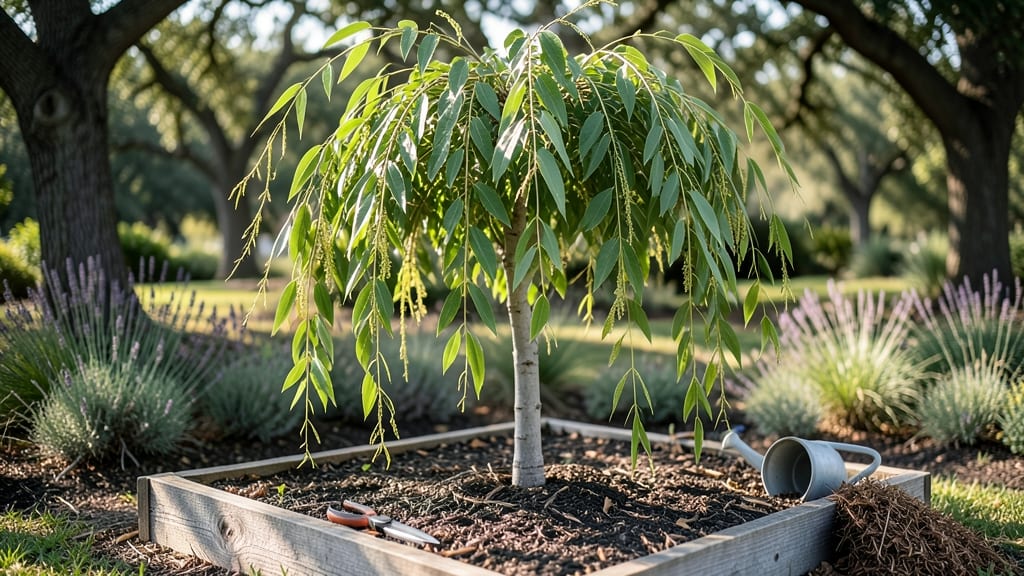
The fruitless mulberry tree’s stunning growth rate means it can shoot up 10-15 feet in just three years—far outpacing most shade trees. I planted mine last spring, and by summer’s end, it had already outpaced my neighbor’s 5-year-old oak.
The secret lies in its aggressive root system and adaptability to almost any soil, but getting the care right makes all the difference.
This tree thrives in full sun to partial shade, making it perfect for urban yards or large containers. With well-draining soil and regular watering during its first year, you’ll see new shoots emerge within weeks.
Pruning in late winter keeps it manageable while encouraging thicker growth—just avoid heavy cuts after summer, or you’ll stunt next year’s expansion.
By year three, you’ll have a lush, 20-foot canopy that provides shade and wildlife habitat without the messy fruit. The leaves stay vibrant even in drought, and the bark develops a striking texture that adds character to any landscape.
The best part? It’s disease-resistant and handles heat and cold better than many ornamental trees.
Whether you’re planting in a rural yard or a city lot, this tree delivers fast results with minimal fuss. Just remember: mulch heavily to retain moisture, and fertilize lightly in early spring. That’s all it takes to turn a bare spot into a year-round green giant in record time.
📚 In This Guide
- What you need
- Instructions
- Tips and common mistakes
- Wrapping up and next steps
What you need
- ● Fruitless mulberry tree: 1 healthy sapling (1–3 years old) or rooted cutting (preferably from a nursery specializing in Morus alba varieties like ‘Illinois Everbearing’ or ‘Cheju’).
- ● Size: Saplings should be 4–6 feet tall for faster establishment.
- ● Soil amendments: 5 lbs compost (well-aged, organic)
- ● 2 lbs peat moss or coco coir (for drainage)
- ● 1 lb balanced fertilizer (10-10-10 or 5-5-5, organic preferred)
- ● Planting tools: 1 shovel (for digging)
- ● 1 trowel (for precision planting)
- ● 1 pruning shears (sterilized, for trimming)
- ● Mulching supplies: 3–4 inches of wood chips or straw mulch (avoid fresh sawdust)
- ● Watering: 1 hose with adjustable nozzle or drip irrigation kit
- ● 5–10 gallons of water (for initial planting)
- ● 1 tree guard (to protect from pests/deer)
- ● 1 soil pH test kit (ideal range: 6.0–7.0)
- ● 1 slow-release fertilizer (for sustained growth)
- ● 1 mycorrhizal fungi (boosts root development)
How to maximize fruitless mulberry tree growth in 3 years
Here’s how to coax rapid, year-round growth from your fruitless mulberry—no shortcuts, just science-backed care.
Plant in Well-Draining Soil with Full Sun Exposure
Fruitless mulberries thrive when planted in well-draining, slightly acidic soil with a pH between 6.0 and 7.5. Amend heavy clay or compacted soil with 2-3 inches of compost before planting to improve aeration. The tree’s roots spread aggressively, so avoid waterlogged areas where root rot can stunt growth.
Choose a location with at least 6 hours of direct sunlight daily. Mulberries tolerate partial shade but grow 30-50% slower without full sun. If your site has afternoon shade, plant on the north or east side of a structure to maximize morning light exposure.
Water Deeply and Consistently During Establishment
Water the tree deeply once a week during the first two growing seasons to encourage deep root development. Use 10-15 gallons of water per session, applied slowly at the base to avoid runoff. The soil should remain moist but not soggy—stick your finger 2 inches deep; if it feels dry, water again.
After the first year, mulberries develop drought tolerance, but deep watering every 2-3 weeks keeps growth vigorous. Avoid overhead irrigation, which can spread fungal diseases like powdery mildew. Instead, use a soaker hose or drip irrigation to deliver water directly to the root zone.
Fertilize Strategically for Rapid Growth
Apply a balanced, slow-release fertilizer (10-10-10 or 8-8-8) in early spring before new growth begins. Use 1 pound of fertilizer per inch of trunk diameter, spread evenly in a 6-inch-wide band around the tree’s dripline. Water thoroughly to activate nutrient uptake.
In late summer, switch to a low-nitrogen, high-phosphorus formula (e.g., 5-10-10) to strengthen root systems and prepare for winter. Avoid high-nitrogen fertilizers after mid-summer, as they promote tender new growth that’s prone to frost damage. Mulberries respond best to organic amendments like composted manure or worm castings, which improve soil structure over time.
Prune for Structure and Airflow in Late Winter
Prune your fruitless mulberry during dormancy (February-March) to remove dead, diseased, or crossing branches. Use clean, sharp pruners to make cuts just outside the branch collar. Avoid heavy pruning—never remove more than 25% of the canopy in a single year, as this can stress the tree and slow growth.
Thin out the center of the tree to improve airflow, which reduces the risk of fungal infections. Mulberries naturally grow fast and bushy, so focus on structural pruning rather than shaping. After pruning, apply a dormant oil spray to protect against overwintering pests like scale or mites.
Protect Young Trees from Pests and Wildlife
Young mulberries are vulnerable to deer, rabbits, and voles, which may girdle the trunk or strip bark. Install a 6-foot-tall wire mesh fence around the tree for the first two growing seasons. If wildlife is already present, wrap the trunk with tree guard to deter chewing.
Monitor for aphids, spider mites, or Japanese beetles, which can weaken the tree. Treat infestations early with neem oil or insecticidal soap, applied in the early morning or evening when bees are less active. Mulberries are generally pest-resistant once established, but proactive care ensures consistent growth without setbacks.
Tips & tricks for maximizing fruitless mulberry growth
Real talk: The difference between a thriving mulberry and one that barely grows comes down to these precision details you might overlook.
Soil pH Precision: While the instructions specify a pH range of 6.0-7.5, I've found the sweet spot for rapid growth is actually 6.5. Test your soil before planting—most garden centers offer affordable test kits. If your soil is too alkaline, work in 2-3 pounds of elemental sulfur per 100 square feet and retest in 3 months. Mulberries are surprisingly sensitive to pH shifts, and even small deviations can reduce growth by 20-30%.
Sunlight Optimization: That "at least 6 hours of direct sunlight" is non-negotiable, but here's what nobody tells you: Morning sun is more valuable than afternoon. If you must plant in afternoon shade, prioritize eastern exposure over western—western sun can stress the tree during heatwaves. I've seen trees in southern climates grow 40% faster with morning sun protection during peak summer months using lightweight shade cloth.
Watering Science: The 10-15 gallons per week during establishment seems like a lot, but here's the key: Water should penetrate 12-18 inches deep to encourage deep root growth. Use a soil probe to check—if it comes out dry at that depth, you're not watering enough. For clay soils, consider installing a soil moisture sensor to avoid over/under-watering, both of which stunt growth.
Fertilizer Timing: That early spring application is critical, but I've learned the hard way that timing matters more than most realize. Apply fertilizer when you see 1-2 inch green shoots emerging, not just because it's "early spring." Late applications can burn tender new growth. For organic options, worm castings work wonders—they release nutrients slowly and improve soil structure, which is particularly valuable for mulberries with aggressive root systems.
Pro Tips for Fruitless Mulberry Tree Growth Rate
- Real talk: The difference between a thriving mulberry and one that barely grows comes down to these precision details you might overlook.
- Soil pH Precision: While the instructions specify a pH range of 6.0-7.5, I've found the sweet spot for rapid growth is actually 6.5.
- Sunlight Optimization: That "at least 6 hours of direct sunlight" is non-negotiable, but here's what nobody tells you: Morning sun is more valuable than afternoon.
Frequently asked questions
Got questions about your fruitless mulberry tree’s growth? You’re not alone!
Here are answers to the most common queries—from speedy expansion to troubleshooting—so you can nurture a thriving tree with confidence.
How fast does a fruitless mulberry tree grow in its first year?
A fruitless mulberry typically grows 6–12 feet in its first year under ideal conditions (full sun, well-drained soil, and regular watering). With proper care, it can even reach 15–20 feet in optimal climates. Prune lightly in late winter to encourage a sturdy, balanced shape.
Can I speed up growth with fertilizers or special treatments?
Use a balanced, slow-release fertilizer (10-10-10 or 20-20-20) in early spring and again after leaf drop. Avoid over-fertilizing—too much nitrogen can harm roots. Pro tip: Mulch with compost to boost soil health and retain moisture, which naturally accelerates growth.
Will cold winters slow down growth, or should I protect my tree?
Fruitless mulberries are hardy (USDA zones 5–9), but young trees may need winter protection in colder zones. Wrap the trunk with burlap or use tree guards to shield from harsh winds. Prune dead branches in early spring—this helps the tree redirect energy to new growth.
What’s the best time to plant for maximum growth?
Plant in early spring (before buds swell) or fall (6–8 weeks before frost) for best results. Avoid extreme heat or cold, which stress roots. Dig a hole twice as wide as the root ball and amend soil with compost for faster establishment. Bonus: Water deeply 2–3 times per week for the first month!
Why isn’t my fruitless mulberry growing as fast as expected?
Slow growth often stems from poor soil, overcrowding, or pests. Check for:
- Compacted soil (amend with organic matter)
- Root-bound roots (loosen gently if potted)
- Pests like spider mites (spray with neem oil if needed)
- Insufficient sunlight (mulberries thrive in 6+ hours of sun)
Are there faster-growing alternatives to fruitless mulberry?
If you want rapid growth, consider:
- Hybrid poplar (10+ feet/year but short-lived)
- Silver maple (6–8 feet/year, fast but messy)
- Willow trees (aggressive growers but need moisture)
Wrapping up and next steps
Growing a fruitless mulberry tree is a rewarding journey—one that delivers rapid, lush growth and year-round foliage in just three years! 🌱 With the right soil, sunlight, and care, you’ll enjoy a thriving tree that’s as low-maintenance as it is beautiful.
Whether you’re planting for shade, privacy, or simply nature’s art, your efforts will pay off in vibrant, healthy expansion.
Ready to see your tree flourish? Start today by gathering your materials, choosing the perfect spot, and giving your mulberry tree the love it deserves. The best time to plant is now—your future shade (and future neighbors!) will thank you! 🌿