
Pruning
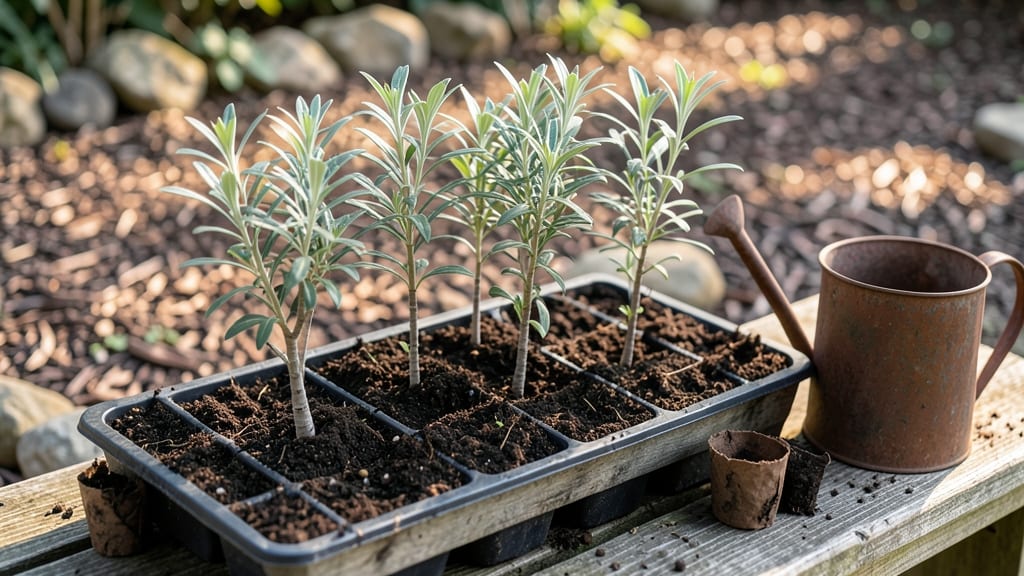
Starting eucalyptus tree seedlings in your yard means fragrant, fast-growing shade within just a few years—if you nail the early care.
I’ve watched these seedlings go from tiny pots to towering trees in under three years, and the key is getting them off to the right start with well-draining soil and smart watering.
The first few weeks decide whether they’ll thrive or struggle through winter, so let’s set them up for success from day one.
You’ll need well-draining soil mix (half potting soil, half perlite or sand), a sunny spot with at least 6 hours of sunlight daily, and a 5-gallon container for early growth. Eucalyptus seedlings hate soggy roots, so raised beds or mounded soil work best in cooler climates.
Plant them 12–18 inches apart—they grow fast, but crowding slows them down. The chill-resistant varieties (like ‘Gunnii’ or ‘Silver Dollar’) handle light frosts once established, but young seedlings need protection until their roots take hold.
Water deeply once a week after planting, letting the top inch of soil dry between sessions. Overwatering is the #1 killer—these trees mimic their native Australian conditions, where drought is normal.
In their first season, you’ll see bright green new growth by midsummer, and by year two, they’ll start developing that signature eucalyptus scent. The payoff? A fragrant privacy screen or striking focal point that grows 6–10 feet per year once mature.
Watch for aphids or spider mites on tender new leaves—spray with soapy water if you spot them. Mulch lightly to retain moisture without suffocating roots. With the right start, your seedlings will outpace weeds and pests, giving you low-maintenance, high-impact growth. Ready to plant yours?
📚 In This Guide
- What you need
- Instructions
- Tips and common mistakes
- Wrapping up and next steps
What you need
- ● Eucalyptus tree seedlings: 3–5 healthy, certified chill-resistant varieties (e.g., Eucalyptus pauciflora or Eucalyptus gunnii).
- ● Well-draining soil mix: 50% potting soil + 50% perlite/pumice (10–15 lbs per seedling).
- ● Containers: 5–7 gallon pots (or nursery trays) with drainage holes.
- ● Watering can or hose: With a gentle spray nozzle.
- ● Fertilizer: Slow-release, low-phosphorus fertilizer (e.g., 10-10-10, 1 lb per 5 gallons of soil).
- ● Mulch: Wood chips or pine bark (2–3 inches thick per pot).
- ○ Shade cloth (optional but helpful): 30–50% shade for seedlings in hot climates.
- ● Pruning shears: Sharp, sterilized shears for trimming (sterilize with rubbing alcohol).
- ● Gloves: Heavy-duty gardening gloves (eucalyptus leaves can be prickly!).
- ● pH test kit: To ensure soil pH is 5.5–7.0 (eucalyptus prefers slightly acidic to neutral).
- ● Sunlight access: Full sun (6+ hours/day) or bright indirect light for indoor starters.
- ○ Thermometer (optional): To monitor soil temps (ideal: 60–75°F).
Step-by-step guide for growing eucalyptus tree seedlings
Here's how to nurture hardy eucalyptus seedlings that thrive and grow quickly.
Prepare the Ideal Growing Medium
Eucalyptus seedlings need a well-draining mix to prevent root rot. Combine equal parts of coarse sand, perlite, and peat moss to create a loose, airy medium. Avoid garden soil—it compacts too easily and holds excess moisture. I like to sterilize the mix by baking it in the oven at 200°F for 30 minutes to kill any pathogens that could harm tender seedlings.
Fill small pots—at least 4 inches deep—with this mix, leaving ½ inch of space at the top. Tap the pots gently to settle the soil without compacting it. The goal is a texture that feels like a damp sponge: firm enough to hold shape but light enough for roots to penetrate easily.
Sow Seeds at the Right Depth and Temperature
Eucalyptus seeds germinate best at 70-80°F, so use a seedling heat mat if your home runs cooler. Plant seeds ¼ inch deep—any deeper delays germination because seedlings struggle to reach the surface. I use a toothpick to make small holes in the soil, then place one seed per pot to avoid overcrowding.
Cover the seeds lightly with a fine layer of the same mix, then mist the surface with a spray bottle until evenly moist. A clear plastic dome or plastic wrap helps retain warmth and humidity, but remove it as soon as sprouts appear to prevent fungal issues. Germination can take 10-21 days, so patience is key—especially in cooler climates.
Provide Bright, Indirect Light Immediately
Eucalyptus seedlings crave light but can scorch in direct sun. Place them near a south-facing window where they receive bright, indirect light for 12-14 hours daily. If growth looks leggy or pale, your light source isn’t strong enough. I use a grow light on a timer to supplement natural light, keeping it 6 inches above the seedlings and raising it as they grow.
Rotate the pots quarter-turn weekly so seedlings grow straight instead of leaning toward the light. Watch for first true leaves—these are your signal that the seedlings are establishing strong roots. At this stage, you’ll see them develop a glossy, deep green appearance, which means they’re ready for slightly more direct sunlight.
Water and Fertilize for Fast, Healthy Growth
Water seedlings when the top inch of soil feels dry, but avoid soggy conditions. Eucalyptus roots are sensitive to overwatering, so I use a small watering can with a narrow spout to deliver moisture directly to the soil. Let excess water drain completely—stagnant moisture invites root rot, which can kill seedlings in days.
Once seedlings show 3-4 sets of leaves, switch to a balanced liquid fertilizer diluted to half-strength. Feed every 2-3 weeks during the growing season to encourage rapid, fragrant growth. You’ll notice new leaves emerging faster and a stronger, more vibrant scent—this is your cue that the seedlings are thriving.
Harden Off and Transplant for Outdoor Success
Two weeks before moving seedlings outdoors, begin hardening them off by placing them in a sheltered spot for 1-2 hours daily, gradually increasing exposure. Eucalyptus is drought-tolerant but needs time to adjust to wind and sun. Choose a warm, partly cloudy day for transplanting to minimize shock.
Dig a hole twice as wide as the root ball and slightly deeper to encourage root spread. Plant seedlings 6-8 inches apart in well-draining soil, then water deeply to settle the roots. Mulch around the base with 2 inches of organic mulch to retain moisture and suppress weeds. Within 4-6 weeks, you’ll see vigorous new growth—proof that your chill-resistant starters are off to a strong start.
Tips & tricks for perfect eucalyptus seedling growth
These insights will help you accelerate your eucalyptus seedlings' growth while avoiding common pitfalls that slow development.
Soil Sterilization Strategy: The 30-minute sterilization at 200°F isn't just about killing pathogens—it also helps break down any residual organic matter that could compete with your seedlings for nutrients. I've found that adding a handful of worm castings to the sterilized mix before planting gives seedlings a natural nutrient boost without overwhelming them. This two-step approach creates the perfect balance of sterile conditions and gentle nutrition.
Germination Temperature Secret: While the 70-80°F range is ideal, eucalyptus seeds are surprisingly resilient. If your home consistently stays below 70°F, consider using a small, portable heat mat that you can place directly under the pots. The key is maintaining consistent warmth—the seeds won't germinate if the temperature fluctuates dramatically between day and night. I've had success with a simple seedling heat mat on low setting, which maintains a steady 75°F even in cooler homes.
Light Rotation Technique: The quarter-turn weekly rotation mentioned for light exposure is crucial, but I've discovered an even better method: use a lazy Susan turntable under your seedling pots. This allows for continuous, even light exposure without you having to manually rotate each pot. The turntable should be placed directly under your grow light or south-facing window, creating perfect conditions for straight, healthy growth from the very beginning.
Transplanting Timing Insight: The 4-6 week growth window after transplanting is actually more flexible than it appears. If your climate experiences early fall temperatures, you can extend this window by providing light protection (like shade cloth) during the hottest part of the day. The key indicator isn't time but the seedlings' ability to handle outdoor conditions—look for stems that are sturdy enough to support themselves without wilting when exposed to wind.
Pro Tips for Eucalyptus Tree Seedlings
- These insights will help you accelerate your eucalyptus seedlings' growth while avoiding common pitfalls that slow development.
- Soil Sterilization Strategy: The 30-minute sterilization at 200°F isn't just about killing pathogens—it also helps break down any residual organic matter that could compete with your seedlings for nutrients.
- Germination Temperature Secret: While the 70-80°F range is ideal, eucalyptus seeds are surprisingly resilient.
Frequently asked questions
Got questions about eucalyptus tree seedlings?
You’re not alone! Here are answers to the most common queries to help you grow strong, fragrant trees with ease.
How long does it take for eucalyptus seedlings to grow into mature trees?
Eucalyptus seedlings can take 3 to 5 years to reach maturity, depending on the species and growing conditions. Fast-growing varieties like Eucalyptus globulus may mature sooner, while slower types could take longer. Patience pays off—these trees reward you with towering height and lush foliage!
Can eucalyptus seedlings survive cold weather?
Most eucalyptus seedlings are not frost-tolerant and thrive in USDA zones 8-11. However, chill-resistant varieties (like Eucalyptus pauciflora) can handle brief cold snaps. If you live in colder climates, grow them in containers or plant in sheltered microclimates. Mulch heavily to protect roots!
What’s the best time to plant eucalyptus seedlings?
Plant seedlings in early spring or late fall when temperatures are mild. Avoid extreme heat or frost, as young seedlings are sensitive. Well-draining soil and partial shade during the first few weeks will help them establish roots before summer stress sets in.
How often should I water eucalyptus seedlings?
Water seedlings deeply 2-3 times per week for the first month, then taper to once a week once established. Overwatering can cause root rot, so ensure soil drains well. Drought-tolerant once mature, but young trees need consistent moisture to thrive.
Can I grow eucalyptus from seed instead of seedlings?
Yes! Growing from seed is possible but slower (germination takes 2-4 weeks). Start seeds indoors in warm soil, then transplant seedlings outdoors after the last frost. Seedlings from nurseries are a faster, more reliable option for beginners—just ensure they’re disease-free and healthy!
Are eucalyptus trees toxic to pets or wildlife?
Eucalyptus leaves and oils contain eucalyptol, which can be toxic if ingested in large amounts. Keep pets away from chewing leaves, and avoid planting near hives—bees love eucalyptus nectar! If concerned, opt for pet-safe alternatives like lemon-scented gum (a milder variety).
Wrapping up and next steps
Growing eucalyptus tree seedlings is a rewarding way to enjoy fast, fragrant foliage—even in cooler climates! With the right chill-resistant varieties, proper soil prep, and a little patience, you’ll soon have a thriving tree that adds beauty and freshness to your space. 🌿
Ready to take the next step? Start by selecting your seedlings, preparing the soil, and giving them the care they need. Whether you’re a gardening newbie or a seasoned pro, your eucalyptus will thank you with lush, aromatic growth!