
Pruning
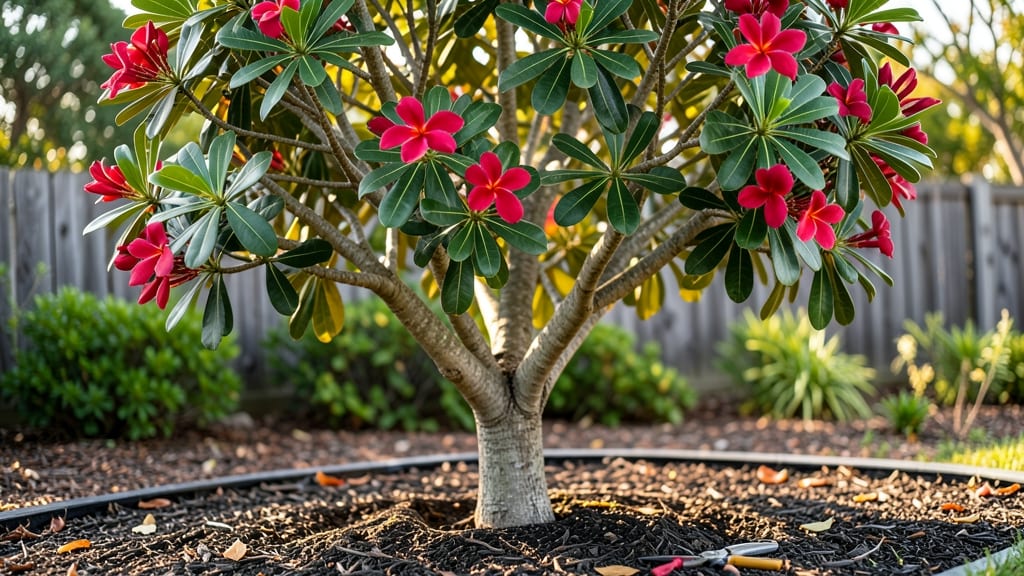
Caring for a frangipani tree means never missing those intoxicating blooms again—if you prune it right. 🌺 I’ve learned the hard way that skipping regular trims leads to leggy branches and sparse flowers, but with the right timing and technique, you’ll have lush, fragrant growth all year.
The key is understanding when to cut back for shape, when to encourage new blooms, and how to avoid common mistakes that stifle growth.
You’ll need sharp pruning shears, a clean workspace, and a basic understanding of where the buds form—those little bumps where new growth will sprout. Start by removing dead or crossing branches first, then focus on shaping the tree to let light reach the center.
Most gardeners over-prune in spring, but frangipani respond better to lighter cuts in late winter or early summer when new growth is just starting.
What you’ll end up with is a tree that bursts with vibrant, fragrant flowers year-round and stays compact enough to enjoy up close. The air around it will smell like tropical vacations, and you’ll avoid the frustration of bare branches or weak growth.
Once you master the rhythm of trimming, your frangipani will reward you with blooms that last longer and appear more often than you ever expected.
This works for both container-grown and in-ground frangipani, though container plants may need slightly more frequent pruning to control size. Whether you’re dealing with a mature tree or a young sapling, the principles stay the same—just adjust the scale. Let’s get those shears ready!
📚 In This Guide
- What you need
- Instructions
- Tips and common mistakes
- Wrapping up and next steps
What you need
- ● Pruning shears: Sharp, bypass-style shears (for clean cuts). Size: 6–8 inches (15–20 cm).
- ● Loppers: For thicker branches (up to 2 inches/5 cm in diameter).
- ● Hand pruners: Small, precise shears for delicate trimming.
- ● Disinfectant (70% isopropyl alcohol or bleach solution): 1 part bleach to 9 parts water (to sterilize tools).
- ● Gloves: Heavy-duty, cut-resistant gloves (frangipani thorns are real!).
- ○ Pruning saw: Optional, for stubborn, thick branches.
- ● Rake or broom: To clear fallen debris after trimming.
- ● Pruning sealant: For large cuts (helps prevent disease).
- ● Mulch: Organic mulch (e.g., pine bark) to retain moisture post-pruning.
- ● Plant food: Balanced fertilizer (10-10-10 or similar) for post-trimming recovery.
- ● Watering can or hose: With a gentle spray nozzle for post-care hydration.
- ● Camera or phone: To document your tree’s progress (because before/after pics are satisfying!).
Step-by-Step guide for trimming frangipani trees
Healthy trimming keeps your fragrant trees blooming year after year.
✂️ Step 1: Prune After Spring Blooming
Wait until after the last spring flowers have faded completely—usually late May or early June—before you trim. This ensures you don’t accidentally cut off next year’s blooms, which form on old wood. I like to check for dried-up blossoms first; if the flowers are still fresh, wait a few more days.
Use clean, sharp pruning shears to make 45-degree cuts just above a leaf node or bud. Avoid leaving stubs—this prevents disease. If you’re unsure where to cut, look for the small bump where new growth emerges; that’s your target spot. I always trim back to one-third of the plant’s height in the first year to encourage bushier growth.
🌿 Step 2: Lightly Thin in Summer
During summer’s peak growth, focus on thinning out crowded branches rather than heavy pruning. Look for crossing branches or those growing inward—they compete for sunlight and weaken the tree. Remove these entirely at their base with a clean cut. You’ll know you’re doing it right when you see more air circulating through the canopy and fewer leaves shading the center.
This step is gentle—just 10-15% of the total foliage. Over-trimming in summer can stress the tree, especially in hot climates. Water deeply before and after to help the tree recover. If you notice yellowing leaves, that’s a sign you’ve trimmed too much; hold off until next spring.
☀️ Step 3: Prepare for Winter Dormancy
In late fall, before temperatures drop below 50°F, give your frangipani a final light trim. Remove dead, diseased, or damaged branches first—these are easy to spot because they’re brown or brittle. Then, shape the tree by trimming back any overly long branches to maintain its natural form. I aim for a rounded silhouette to encourage balanced growth.
After pruning, apply a layer of mulch around the base (but not touching the trunk) to protect roots from cold snaps. This is also the perfect time to fertilize lightly with a balanced, slow-release fertilizer to support next year’s blooms. Watch for new buds forming by early spring—that’s your signal the tree is healthy and ready for another season.
⏰ Step 4: Monitor and Adjust Year-Round
Between pruning seasons, keep an eye out for suckers—those aggressive shoots growing from the base. Snip them off at the soil line as soon as you see them; they drain energy from your main tree. Also, prune spent flowers throughout the year to encourage more blooms. You’ll know you’re on the right track when your tree produces more flowers than leaves by late spring.
If your frangipani starts looking leggy or sparse, it’s time for a rejuvenation trim in early spring. Cut back one-third of the oldest branches to the ground—this might sound drastic, but it triggers fresh, vigorous growth. Just be patient; it can take 6-8 weeks for new shoots to appear, but the results are worth it.
Tips & tricks for perfect frangipani tree trimming
Keeping your fragrant frangipani thriving takes just a few key tricks that make all the difference. Here's what I've learned from years of keeping these tropical beauties blooming.
The Right Time is Everything: In Step 1, those dried-up blossoms are your cue—wait until every last flower has faded before you trim. I've made the mistake of pruning too early, and it meant fewer blooms the following spring. If you're unsure, do the "finger test": gently brush a branch. If petals fall away easily, it's time. The late May to early June window gives you that perfect balance between encouraging new growth and preserving next year's flowers.
Cutting Technique Matters: When making those 45-degree cuts in Step 1, think of it like giving your tree a clean haircut. The angle helps water run off, preventing rot at the cut site. I always clean my pruning shears with rubbing alcohol between cuts to prevent disease spread. And remember, those one-third height reductions in the first year? They might seem drastic, but they're what transform a leggy sapling into a lush, bushy tree. The key is patience—don't rush this step.
Summer Trimming Secrets: That 10-15% foliage guideline in Step 2 is your safety net. I've seen people go overboard and end up with sad, yellowing leaves. Here's my trick: hold your hand out and look at the branch through your fingers. If you can see light coming through easily, you've thinned enough. And always water before and after—your tree will thank you with healthier growth. The air circulation you create isn't just about looks; it's what prevents fungal diseases that can ruin your tree's health.
Winter Prep That Pays Off: The 50°F threshold in Step 3 is crucial—it's when your tree starts preparing for dormancy. I've found that adding a 2-inch layer of mulch (but keeping it away from the trunk) makes all the difference in cold climates. And that light fertilization? Use a slow-release, balanced formula—think 10-10-10. The goal is to give your tree just enough nutrients to store for spring without overdoing it. Watching for those new buds in early spring is the best reward for all your winter prep work.
Pro Tips for Frangipani Tree Care
- Keeping your fragrant frangipani thriving takes just a few key tricks that make all the difference.
- The Right Time is Everything: In Step 1, those dried-up blossoms are your cue—wait until every last flower has faded before you trim.
- Cutting Technique Matters: When making those 45-degree cuts in Step 1, think of it like giving your tree a clean haircut.
Frequently asked questions
Got questions about keeping your frangipani tree thriving?
Here are answers to the most common concerns—so you can enjoy lush blooms and fragrant beauty all year long!
When is the best time to trim a frangipani tree?
The ideal time to prune is right after flowering (late spring to early summer) to encourage new growth. You can also do a light trim in late winter to shape the tree before spring blooms. Avoid heavy pruning during fall or winter, as this can stress the tree.
How do I prune frangipani to encourage more flowers?
To boost blooms, trim back 1/3 of the previous year’s growth just above a leaf node (where leaves grow). This stimulates branching and flower production. Always use clean, sharp shears to avoid damaging the tree and promote faster healing.
What should I do if my frangipani isn’t blooming?
If your tree skips blooms, check these fixes:
- Light: Ensure it gets full sun (6+ hours daily)—frangipani loves bright light.
- Water: Overwatering or soggy soil can stress the tree. Let the top 2–3 inches of soil dry out between waterings.
- Pruning: If you’ve avoided trimming for years, a light structural prune can wake it up.
- Fertilizer: Use a balanced, citrus-friendly fertilizer (like 6-6-6) in spring and summer.
Can I grow frangipani indoors, and how do I care for it?
Yes! If you live in a cooler climate, grow frangipani in large containers and bring them indoors during winter. Place near a sunny window or under grow lights. Reduce watering in winter (let soil dry completely) and resume regular care in spring. Watch for pests like spider mites—wipe leaves with a damp cloth to prevent them.
What do I do with the cut frangipani flowers?
Those fragrant blooms are perfect for:
- Floral arrangements: Let them dry upside-down in a dark, airy spot for 2–3 weeks to preserve their scent.
- Potpourri: Mix petals with dried lavender or citrus peels for a natural fragrance.
- Compost: Chop leaves and flowers into your compost bin—they break down easily!
Why are my frangipani leaves turning yellow?
Yellow leaves usually signal overwatering or nutrient deficiency. Check the soil—if it’s soggy, reduce watering and improve drainage. If leaves are pale, feed the tree with a citrus fertilizer (high in nitrogen). Brown edges? That’s often underwatering or salt buildup from tap water—flush the soil with rainwater.
Wrapping up and next steps
Caring for your frangipani tree is a rewarding journey that brings fragrant blooms and lush growth year after year! By mastering seasonal trimming, proper tools, and maintenance tips, you’ll keep your tree thriving and stunning.
With patience and consistency, your frangipani will flourish—ready to inspire neighbors and fill your space with beauty.
Now that you’re equipped with expert advice, grab your pruners and get started! 🌸 Whether you’re trimming for shape, health, or blooms, every snip brings you closer to a blooming masterpiece. Happy pruning!