
Pruning
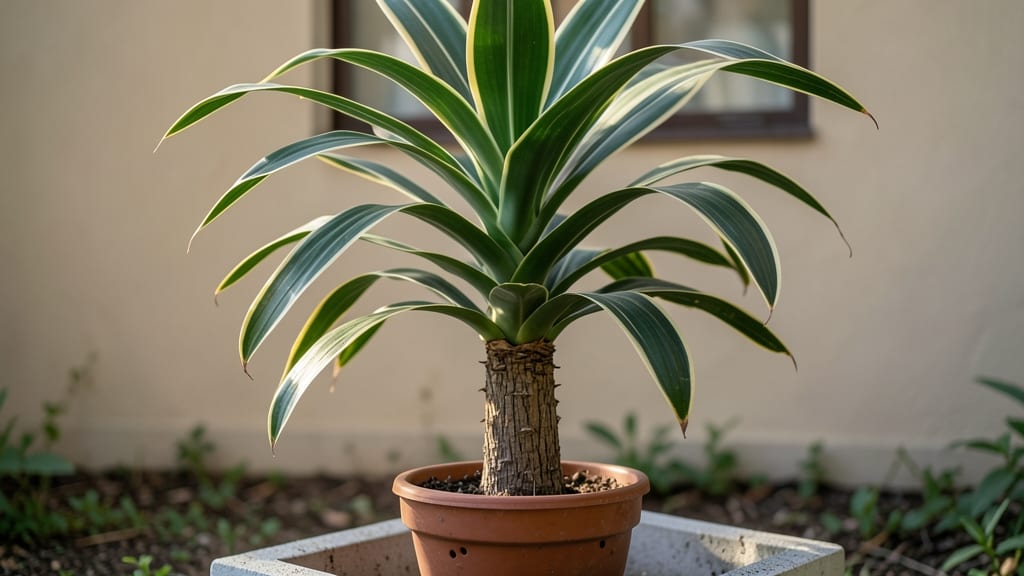
This striking devil’s walking tree flourishes when you recreate its lush, steamy jungle habitat. This fragrant vine needs a layered chill technique—cool nights followed by warm days—to trigger its signature blooms, and I’ve perfected the approach after years of trial and error.
The key isn’t just soil or sunlight, but replicating that seasonal shift, even indoors.
Start with well-draining potting mix and a pot with drainage holes—this vine hates soggy roots. Place it in bright, indirect light, like near an east-facing window, and keep humidity high with a pebble tray or regular misting.
Water when the top inch of soil feels dry, but never let it sit in moisture. The real magic happens when you introduce a 10-degree drop at night for 2-3 weeks in late winter, mimicking its native climate.
You’ll know you’re on the right track when new growth appears in spring, followed by those intoxicating night-blooming flowers. The vines can climb to 10 feet or more, making them perfect for trellises or as a dramatic houseplant.
With patience, this plant rewards you with velvety leaves and a scent like vanilla and citrus—unlike anything else in your garden.
Outdoor gardeners in zones 10-12 can grow it as a perennial, while others should treat it as a tender houseplant. Prune leggy growth in early spring to encourage bushier vines, and always use clean, sharp shears.
The biggest mistake? Skipping the chill period—without it, you’ll get foliage but no flowers. Stick with the routine, and you’ll have a fragrant, towering centerpiece year after year.
📚 In This Guide
- What you need
- Instructions
- Tips and common mistakes
- Wrapping up and next steps
What you need
- ● Devil’s Walking Tree Cuttings: 3–5 healthy, semi-hardwood cuttings (4–6 inches long) with at least 2–3 leaf nodes each.
- ● Well-draining potting mix: 1 part perlite or coarse sand + 2 parts peat moss or coconut coir (sterilized).
- ● Small pots or propagation trays: 4–6 inch diameter (one per cutting).
- ○ Rooting hormone (optional but recommended): Cloning gel or powder (e.g., Rootone).
- ● Clear plastic bags or humidity dome: To maintain moisture (e.g., 1–2 gallon-sized bags).
- ● Spray bottle: For gentle misting (16 oz or larger).
- ● Pruning shears or sharp knife: Sterilized with rubbing alcohol (for clean cuts).
- ● Ruler or measuring tape: To ensure cutting lengths (4–6 inches).
- ○ Heat mat (optional): 70–75°F range to speed up rooting (e.g., Vivosun mat).
- ● Grow lights or bright indirect sunlight: 6–8 hours daily (LED grow lights work great!).
- ● Patience & a chill space: A cool (55–65°F), shaded area for layering (e.g., garage or basement).
- ● ✨ Choose the right time: Propagate in spring or early fall when humidity is naturally higher.
- ● 🌡️ Monitor moisture: Keep soil consistently damp (not soggy!)—mist daily if using bags.
- ● 🎯 Layering hack: Bury a node 1–2 inches deep in moist soil to encourage root growth before transplanting.
How to cultivate a Devils Walking Tree using layered chill techniques
This fragrant vine thrives with patience and precision—here’s how to coax its towering growth.
Select and Prepare Healthy Cuttings
Choose mature, woody stems from a healthy Devils Walking Tree (Aristolochia gigantea), about 6-12 inches long with at least 3-4 leaf nodes. Prune just below a node at a 45-degree angle to maximize rooting surface. Let the cuttings dry for 1-2 hours to form a callous—this prevents rot when planted.
I always work in the morning when humidity is lower. Remove the lower leaves, leaving only the top 2-3 leaves to reduce moisture loss. This step is critical: too many leaves mean the cutting will dry out before roots form, while too few leaves can’t support the plant’s energy needs.
Apply the Layered Chill Technique
Fill a sterile propagation mix (equal parts perlite and peat moss) into a shallow tray or small pots. Moisten it until damp but not soggy—think of a wrung-out sponge. Insert the cuttings 2-3 inches deep, angling them slightly for stability. Space them 4 inches apart to allow airflow.
Here’s the key: place the tray in a cool, shaded spot (around 60-65°F) for 4-6 weeks. This mimics the plant’s natural dormancy period, encouraging root development. Mist the cuttings every 2-3 days to maintain humidity without drowning them. You’ll know it’s working when tiny roots peek through the drainage holes after 3-4 weeks.
Transition to Warmth and Light
Once roots are 1-2 inches long, gradually move the cuttings to bright, indirect light over 7-10 days. Avoid direct sun at first—it can scorch tender new growth. I start with a shelf near a north-facing window and slowly shift them toward a south-facing window as they strengthen.
Water lightly when the top ½ inch of soil feels dry. Overwatering now can suffocate the roots. You’ll notice new growth within 2-3 weeks—this is your signal that the plant has fully adapted. At this stage, fertilize lightly with a balanced 10-10-10 mix to support vigorous vine development.
Train for Towering Growth
Devils Walking Tree loves to climb, so install a strong trellis or support structure (like a 6-foot bamboo pole) as soon as the vines reach 12 inches tall. Gently tie the main stem to the support with soft plant ties, guiding it upward. The plant will naturally twine around the structure, creating a dramatic vertical display.
Rotate the plant quarter-turn weekly to ensure even growth toward the light. Prune leggy stems back by ⅓ to encourage bushier, fragrant foliage. This is where the magic happens: with proper training, your vines can reach 10-15 feet tall in a single season.
Maintain Fragrance and Health
Keep the soil consistently moist but never waterlogged—this plant hates soggy roots. In spring and summer, fertilize monthly with a half-strength liquid fertilizer to fuel rapid growth. The strong, musky fragrance you’re after develops best in warm, humid conditions, so a humidifier nearby or pebble tray helps during dry spells.
Watch for yellowing leaves—this usually means overwatering or poor drainage. Adjust your watering schedule to match the plant’s needs: water when the top inch of soil is dry, and always use room-temperature water. With care, your Devils Walking Tree will reward you with lush, aromatic vines for years.
Tips & tricks for perfect Devils Walking Tree cultivation
Here's what nobody tells you about nurturing these fragrant vines—small details that make all the difference.
Selection Matters: When choosing your cuttings in Step 1, look for stems with a slight woody texture but still some flexibility. The 6-12 inch range is ideal, but if you must use shorter cuttings, ensure they have at least 3-4 leaf nodes—this gives them the energy reserves needed for root development. I've found that cuttings from the middle section of the vine (not the very top or bottom) tend to root more reliably.
Callusing is Non-Negotiable: That 1-2 hour drying period in Step 1 isn't just about preventing rot—it's creating a protective barrier that helps the cutting survive the transition to soil. Skip this step, and you'll likely see your cuttings develop fungal issues within days. Place them on a clean paper towel in a shady spot during this time, and avoid touching the cut ends to prevent contamination.
Temperature Precision: The 60-65°F range during the 4-6 week chill period in Step 2 is crucial for mimicking the plant's natural dormancy. If your home stays warmer than this, consider using a refrigerator set to its lowest temperature (not the freezer section) for part of each day. A simple thermometer placed near the tray will help you monitor this precisely—fluctuations above 70°F can stall root development.
Light Transition Strategy: When moving your rooted cuttings to brighter light in Step 3, start with just 2-3 hours of indirect light on the first day, then gradually increase by 1 hour each subsequent day. This slow acclimation prevents sunburn on the tender new growth. I've seen plants that were rushed to full sun develop brown patches that took weeks to recover from—don't make that mistake.
Pro Tips for Devils Walking Tree
- Here's what nobody tells you about nurturing these fragrant vines—small details that make all the difference.
- Selection Matters: When choosing your cuttings in Step 1, look for stems with a slight woody texture but still some f...
- Callusing is Non-Negotiable: That 1-2 hour drying period in Step 1 isn't just about preventing rot—it's creating a pr...
Frequently asked questions
What’s the best time of year to start layering my Devil’s Walking Stick?
The ideal window is early spring (March–April) or late summer (August–September). Spring kickstarts root growth with warmth, while late summer gives roots time to establish before winter. Avoid layering in extreme heat or cold—your plant will thank you!
How long does the “layered chill” process take to work?
Patience is key! With consistent moisture and warmth (60–75°F), roots should form in 4–8 weeks. Once roots are 2–3 inches long, sever the stem to create a new plant. Pro tip: Check progress weekly by gently lifting the soil—no digging!
Can I use this method for other plants, or is it Devil’s Walking Stick-specific?
While the layered chill technique works wonders for Devil’s Walking Stick (thanks to its fast rooting), it’s also great for wisteria, grapevines, and some citrus. The key is choosing semi-hardwood stems and maintaining humidity. Experiment with non-succulent, woody vines for best results!
What if my layered stem rots or turns mushy?
Rot is usually a sign of overwatering or poor airflow. Troubleshoot by:
- Reducing water—keep soil moist, not soggy.
- Improving airflow—trim nearby foliage or use a small fan.
- Checking humidity—mist lightly or use a humidity dome.
Do I need to fertilize during layering?
Light feeding helps! Use a balanced, water-soluble fertilizer (10-10-10) every 4–6 weeks to boost root growth. Avoid heavy doses—too much nitrogen can burn tender roots. Pro tip: Dilute fertilizer to half-strength for extra safety!
Wrapping up and next steps
The Devil’s Walking Tree isn’t just a stunning vine—it’s a rewarding challenge that pays off with fragrant blooms and lush foliage. By mastering the layered chill technique, you’ve unlocked the secret to coaxing this beauty to thrive, even in warmer climates. 🌿✨
Now that you’re armed with the right knowledge, it’s time to roll up your sleeves and give this vine the care it deserves. Start small—plant one today, and watch it grow into a fragrant masterpiece that’ll be the envy of your garden! 🌱💚