
Trees
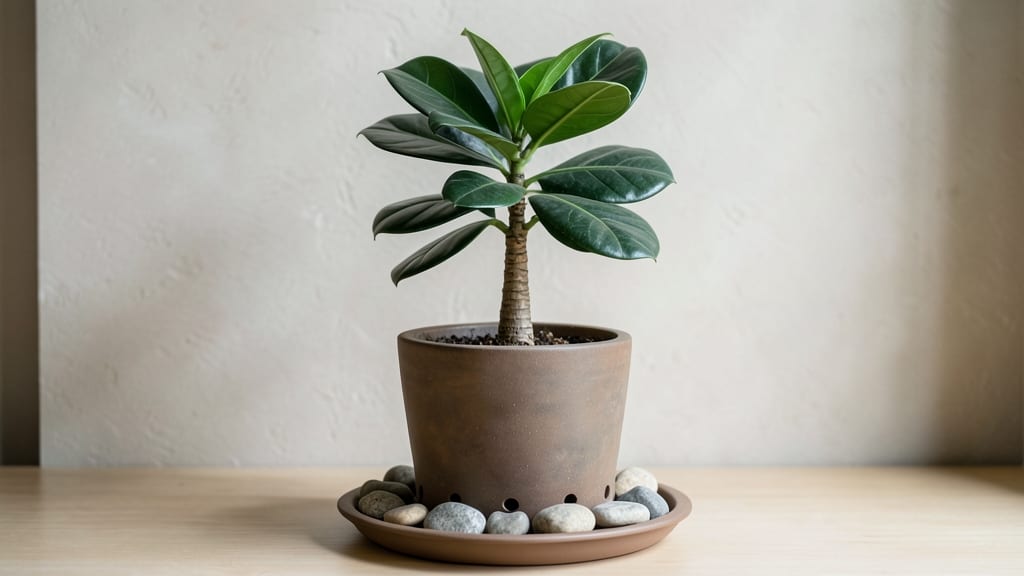
Decorative trees in pots turn even the tiniest balcony into a lush, year-round statement. 🌿 I remember my first attempt with a dwarf Japanese maple—its delicate foliage transformed a concrete patio into a serene retreat.
The key isn’t just choosing the right tree, but pairing it with containers that complement its form and the space around it.
Start with varieties that thrive in containers: olive trees for Mediterranean charm, crape myrtles for bold summer blooms, or Japanese maples for delicate year-round color. Your container should have drainage holes and be at least 12-18 inches wide for mature roots, with a weighty base to prevent tipping.
Grouping pots in odd numbers creates natural balance, while mixing textures—glazed ceramic with rustic wood—adds visual interest.
What you’ll love most is how these trees anchor your outdoor space without overwhelming it. A well-placed olive tree becomes a focal point, while a cluster of crape myrtles adds seasonal drama.
The foliage stays vibrant through all four seasons, and you’ll enjoy the satisfaction of maintaining a living centerpiece that grows more elegant with each year.
Works beautifully on balconies, patios, or even indoors near bright windows. The secret is regular watering, seasonal pruning, and choosing varieties that match your climate zone—then letting their natural beauty do the rest. Ready to turn your space into a mini forest?
📚 In This Guide
- What you need
- Instructions
- Tips and common mistakes
- Wrapping up and next steps
What you need
- ● Decorative Tree: 1 dwarf or bonsai tree (e.g., Ficus, Olive, or Japanese Maple) or a pre-potted ornamental tree (height: 2–6 ft, depending on preference).
- ○ Optional: A tree with seasonal interest (e.g., Weeping Willow for texture or Cherry Blossom for spring blooms).
- ● Pot: 1 container with drainage holes (10–15% larger in diameter than the root ball).
- ○ Optional: A decorative cache pot (without drainage) for aesthetic appeal over the functional pot.
- ● Potting Mix: 1 bag of high-quality well-draining potting soil (avoid garden soil—it compacts!).
- ○ Optional: Add perlite or orchid bark (20–30%) for extra aeration.
- ● Drainage Layer: ½ inch of gravel, pebbles, or ceramic shards (for water drainage).
- ● Fertilizer: 1 slow-release granular fertilizer (or liquid fertilizer for frequent feeders).
- ● 1 pair of gardening gloves (to keep hands clean!).
- ● 1 small trowel or hand shovel (for planting).
- ● 1 watering can or hose with gentle spray (avoid over-saturating!).
- ○ Optional: Pruning shears (for shaping or trimming).
- ● Decorative mulch (e.g., pine bark or colored stones for a polished look).
- ● Moisture meter (to check soil hydration).
- ● A sunny or partially shaded spot (check your tree’s light needs!).
- ● Access to clean water (dechlorinated if using tap water).
- ○ Optional: A plant stand or elevated surface (to showcase your tree or improve drainage).
Step-by-step guide to planting and caring for decorative trees in pots
Transform small spaces into lush, year-round gardens with these simple steps.
🪴 Step 1: Choose the Right Containers and Drainage
Start with pots that are at least 12-18 inches deep for mature trees—shallower containers stunt root growth. I like terracotta for its breathability, but plastic retains moisture longer, which is better for drought-tolerant varieties like Japanese maples. Make sure each pot has multiple drainage holes—blocked drainage is the fastest way to kill a potted tree.
If your chosen pots lack drainage, drill ¼-inch holes in the bottom before planting. Line the bottom with 2-3 inches of gravel or broken pottery to create an air gap. This prevents soil from clogging the holes while allowing excess water to escape. Here's the thing—skipping this step leads to soggy roots and fungal diseases within weeks.
🌱 Step 2: Select and Prepare the Soil Mix
Use a well-draining potting mix blended with 20% perlite or pumice to improve aeration. I avoid garden soil—it compacts in containers and suffocates roots. For acid-loving trees like azaleas, add ½ cup of peat moss per 5 gallons of mix. Test your soil's pH before planting; most decorative trees thrive in slightly acidic to neutral ranges.
Fill the pot ⅓ full with your prepared mix, then tap the container gently to settle the soil. Leave 2-3 inches of space at the top for watering—this prevents spills while allowing root expansion. Press down lightly but don't compact the soil. You'll see roots struggle to push through dense soil, leading to stunted growth.
☀️ Step 3: Plant and Position for Optimal Growth
Remove the tree from its nursery pot and loosen the roots gently if they're circling. Position the root ball so the top sits 1 inch below the pot's rim—this accounts for settling. Backfill with your mix, pressing lightly to eliminate air pockets. Water deeply until it drains from the bottom holes, then let it sit for 10-15 minutes before adding a 1-inch layer of mulch on top.
Place your potted tree where it gets 6+ hours of sunlight daily, but avoid harsh afternoon sun for delicate varieties like Japanese maples. A south-facing window or patio works well. Real talk: Overwatering is the #1 killer of potted trees—wait until the top 2 inches of soil feel dry before watering again. Use a moisture meter if you're unsure.
💧 Step 4: Establish a Watering and Fertilizing Routine
Water deeply once a week during the growing season (spring-fall), then reduce to every 10-14 days in winter. I use a self-watering pot for my indoor trees—it keeps moisture consistent without drowning roots. Always water at the base, not overhead, to prevent fungal diseases. You'll notice leaves yellowing if roots are waterlogged or wilting if they're dry.
Fertilize monthly from spring to fall with a balanced, slow-release fertilizer (10-10-10). Reduce to every 6-8 weeks in winter when growth slows. Here's where it gets fun: Prune lightly after flowering to encourage bushier growth. Use clean, sharp shears and cut just above a leaf node—never leave stubs. This keeps your tree looking intentional, not hacked.
Tips & tricks for perfect decorative trees in pots
Here's what nobody tells you about keeping your potted trees thriving for years.
Container Depth Matters: The 12-18 inch depth recommendation isn't arbitrary—it gives roots room to grow without becoming root-bound. I've seen trees in shallow pots struggle after just two years. For dwarf varieties, you can go slightly smaller (10-12 inches), but never less. The extra depth also helps stabilize the tree, preventing it from tipping over in windy conditions.
Drainage System Check: When creating that 2-3 inch gravel layer at the bottom, use clean, coarse gravel—not pebbles or sand. I learned this the hard way after using decorative river rocks that clogged the drainage holes over time. The gravel should be large enough to allow water to flow freely while keeping soil particles from falling through. This simple layer can mean the difference between a thriving tree and one that develops root rot within months.
Soil Settlement Strategy: That ⅓ full pot in Step 2? Don't just eyeball it—use a measuring cup to ensure accuracy. After adding your soil mix, press down gently but firmly to eliminate air pockets, then water thoroughly. The soil will settle about 1-2 inches, which is why we leave that 2-3 inch space at the top. This prevents you from having to add more soil later when the tree starts to look top-heavy. I've seen people skip this and end up with trees that look like they're growing out of a volcano.
Sunlight Secret: The 6+ hours of sunlight is a minimum, not a maximum. Most decorative trees actually thrive with 8-10 hours, especially during their growing season. For indoor trees, supplement with a grow light if natural light is limited. I've noticed my indoor olive trees grow twice as fast when I add 4 hours of grow light in winter. And remember: East-facing windows provide gentle morning sun, while west-facing can scorch delicate leaves in afternoon heat.
Pro Tips for Decorative Trees In Pots
- Here's what nobody tells you about keeping your potted trees thriving for years.
- Container Depth Matters: The 12-18 inch depth recommendation isn't arbitrary—it gives roots room to grow without becoming root-bound.
- Drainage System Check: When creating that 2-3 inch gravel layer at the bottom, use clean, coarse gravel—not pebbles or sand.
Frequently asked questions
Got questions about keeping your decorative potted trees thriving? Here are some common concerns—and their solutions—to help you master the art of small-space greenery!
What’s the best type of soil for potted decorative trees?
Use a well-draining potting mix blended with perlite or sand (about 20%) to prevent root rot. Avoid garden soil—it compacts and holds too much moisture. For tropical varieties like Ficus or Olive trees, add a bit of peat moss for extra moisture retention. Pro tip: Repot every 2–3 years to refresh the mix!
How often should I water my potted decorative tree?
Water when the top 1–2 inches of soil feel dry (stick your finger in to test!). Overwatering is the #1 killer—most potted trees prefer dry spells between waterings. Adjust for seasons: less in winter (when growth slows) and more in summer. Drainage holes are non-negotiable!
Can I keep a decorative tree in a pot year-round, or should I move it outside in summer?
Many varieties (like Dwarf Citrus or Japanese Maple) thrive indoors year-round with bright light. However, if your tree is sun-loving (e.g., Olive or Juniper), move it outdoors in spring/summer for 4–6 hours of sunlight daily. Acclimate gradually to avoid shock!
How do I deal with pests like spider mites or aphids on my potted tree?
Start with a gentle spray of water to dislodge pests, then treat with neem oil (mix 1 tsp per quart of water) or insecticidal soap. Isolate the tree to prevent spread. For severe infestations, wipe leaves with a soapy cloth (mild dish soap + water). Prevent pests by misting leaves regularly and keeping the area clean!
What’s the best pot size for a decorative tree, and how do I choose?
Start with a pot 2–3 inches wider than the root ball, but not too large—big pots hold excess moisture. Materials matter: Terracotta breathes (great for drought-tolerant trees), while plastic retains moisture (ideal for tropicals). Add a cache pot (decorative outer pot) for style, but ensure the inner pot has drainage!
Wrapping up and next steps
Decorative trees in pots bring effortless elegance to any space—whether you’re working with a tiny balcony or a cozy corner. With the right variety, care, and a little creativity, you can enjoy lush greenery year-round without sacrificing style or space. 🌿✨
Ready to transform your outdoor (or indoor!) area? Start small: pick a pot, choose your tree, and let your green thumb shine! Need inspiration? Browse local nurseries or explore online plant communities for trends and tips—your perfect decorative tree is just a step away.