
Pruning
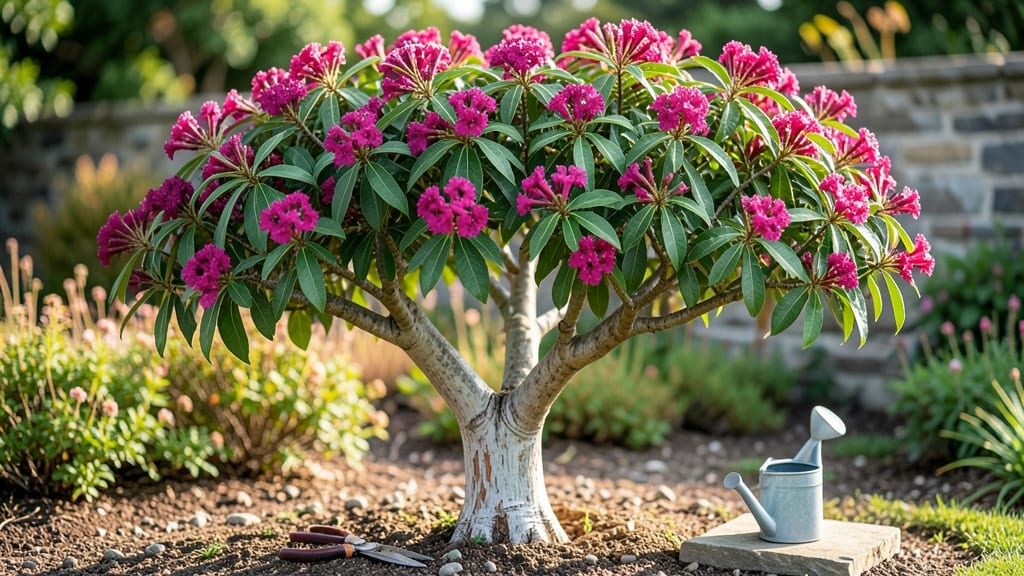
Growing crepe myrtle trees in California means year-round fragrance and drought-defying beauty—if you prune them right. 🌿 I’ve watched these trees transform from scraggly shrubs into towering, blooming showstops by mastering the timing and technique, and the secret isn’t just cutting branches.
It’s about understanding when to shape them for maximum impact in our Mediterranean climate.
The best varieties for California—like ‘Natchez’ or ‘Tonto’—thrive with minimal fuss once established, but they do need strategic pruning. Start with late winter cleanup to remove dead wood, then prune lightly after blooms fade to encourage next year’s flowers.
The key? Never cut back into old wood, or you’ll lose next season’s blooms. With the right approach, you’ll have fragrant, disease-resistant trees that outperform even the toughest California summers.
By summer’s end, your crepe myrtle will look like a well-loved friend—full, lush, and ready for another round of blooms. The fragrance alone makes it worth the effort, and the drought tolerance means less watering once roots establish.
Plus, these trees attract hummingbirds year-round, turning your yard into a living postcard. Let’s get those shears ready!
This method works for both urban yards and rural landscapes, whether you’re shaping a single specimen or a privacy screen. The only real mistake? Waiting too long to prune. Start now, and you’ll enjoy that signature crepe myrtle charm for decades—with minimal effort after the first year.
📚 In This Guide
- What you need
- Instructions
- Tips and common mistakes
- Wrapping up and next steps
What you need
- ● Pruning shears – Bypass-style (for clean cuts), 1 pair (sharp and sterilized).
- ● Loppers – Bypass or anvil type, 1 pair (for thicker branches, 1–2 inches in diameter).
- ● Pruning saw – Bow or folding saw, 1 (for branches >2 inches thick).
- ● Gloves – Heavy-duty, cut-resistant, 1 pair (to protect from thorns and splinters).
- ● Disinfectant – Rubbing alcohol (70%+) or pruning sealant, small bottle (to prevent disease spread).
- ● Ladder – Sturdy, extendable, 1 (if tree exceeds 8–10 feet; never stand on top!).
- ● Trash bags or bucket – 2–3 (for debris disposal).
- ● Safety glasses – 1 pair (to shield eyes from debris).
- ○ Pruning paint/sealant – For larger cuts (>1 inch) (optional but reduces sap oozing).
- ● Hose or spray bottle – 1 (to clean tools between cuts).
- ● Work gloves with grip – 1 pair (for extra comfort on long sessions).
- ● Tree pruning rope or zip ties – Small roll (to secure branches during heavy pruning).
- ● Extension pole pruners – For high branches (if you skip the ladder).
Step-by-Step year-round pruning for California crepe myrtles
California’s mild climate lets these trees thrive with minimal stress—here’s how to keep them fragrant and towering.
✂️ Step 1: Late Winter Cleanup (Before New Growth)
Start in late February to early March when the tree is still dormant. Remove all dead, diseased, or crossing branches first—these are easy to spot because they’re brittle and brown. I use clean, sharp loppers to make cuts just outside the branch collar, where the branch meets the trunk. This prevents unsightly stubs and encourages faster healing.
Look for water sprouts (thin, vertical shoots) growing from the trunk or lower branches—these sap energy from your tree. Snip them off at the base. You’ll know you’ve done well when the tree’s structure looks open and airy, letting sunlight reach the center. Avoid heavy pruning now; you’re just tidying up, not shaping.
☀️ Step 2: Summer Light Pruning (After Flowering)
Once the tree finishes blooming in July or August, do a light pruning to maintain shape and encourage next year’s flowers. Focus on removing overly long branches that spoil the tree’s natural form. Cut back to a bud facing outward—this keeps the tree full and prevents a lopsided look.
I never remove more than 25% of the canopy in one session. If you’re aggressive, you’ll sacrifice next year’s blooms. Watch for suction cups (those weird growths where branches were cut too close)—they’re a sign of poor pruning technique. If you see them, trim them out immediately to protect the tree’s health.
🌿 Step 3: Fall Maintenance (Preparing for Dormancy)
In October or November, do a final check for any weak or damaged branches that might not survive winter. Remove them before cold snaps arrive—California’s coastal areas stay mild, but inland zones can drop unexpectedly. Prune just like in late winter, but this time, focus on thinning the canopy to improve airflow.
Here’s the thing—crepe myrtles in California often grow faster than expected. If your tree is getting too tall for its space, you can lightly head back the tallest branches by 1/3 to control height. Just don’t overdo it; these trees thrive on their natural shape. Leave some older wood—it’s where next year’s flowers form.
⏰ Step 4: Year-Round Monitoring (Adjust as Needed)
Crepe myrtles in California’s varied climates need year-round attention. If you notice new shoots growing from the base in spring, trim them back to encourage a stronger trunk. In drought-prone areas, prune lightly to reduce water needs—less foliage means less stress during dry spells.
I always carry a small pair of hand pruners when inspecting my trees. A quick trim here and there keeps them looking polished. If you see yellowing leaves, it’s often a sign of overwatering—crepe myrtles hate soggy roots. Adjust your watering and prune any affected branches to improve airflow. Your goal is a healthy, fragrant tree that stands out in any California landscape.
Tips & tricks for perfect crepe myrtle pruning
These practical insights will help you maintain your California crepe myrtle's beauty while avoiding common pruning pitfalls.
Tool Selection: Always use clean, sharp pruning tools—dull blades tear rather than cut cleanly, causing more damage to the tree. I recommend investing in a pair of bypass pruners for smaller branches and loppers for thicker stems. Sterilize your tools with rubbing alcohol between cuts to prevent spreading disease from infected branches. This simple step makes all the difference in keeping your tree healthy.
Seasonal Timing: The specified pruning windows in late February-March, July-August, and October-November work perfectly for California's climate. However, if you live in coastal areas where winters are milder, you can extend the late winter pruning slightly into April without stressing the tree. The key is to avoid heavy pruning during the active growing season (spring through early summer), as this can reduce next year's bloom production.
Branch Selection: When removing branches in Step 2, look for those growing inward or crossing others—these create weak points and reduce airflow. I always make my cuts just outside the branch collar where the branch meets the trunk. This precise cut prevents unsightly stubs and promotes faster healing. For thicker branches, make the cut on the underside of the branch to prevent water from pooling and causing rot.
Visual Pruning Cues: In Step 3, when thinning the canopy, aim to create an open, vase-like shape that allows sunlight to reach the center. You'll know you've achieved the right balance when you can see light filtering through the branches on a sunny day. For height control, never remove more than one-third of the tree's height in a single pruning session—this maintains the tree's natural vigor and flowering potential.
Pro Tips for Crepe Myrtle Tree California
- These practical insights will help you maintain your California crepe myrtle's beauty while avoiding common pruning pitfalls.
- Tool Selection: Always use clean, sharp pruning tools—dull blades tear rather than cut cleanly, causing more damage to the tree.
- Seasonal Timing: The specified pruning windows in late February-March, July-August, and October-November work perfectly for California's climate.
Frequently asked questions
Got questions about growing and maintaining crepe myrtles in California? Here are some of the most common ones—and their answers!
When is the best time to prune crepe myrtles in California?
The ideal window is late winter to early spring (February–March), before new growth begins. This ensures you remove dead wood while avoiding the risk of frost damage. Avoid pruning in fall—it stimulates tender new growth that won’t survive winter. Pro tip: If you missed the window, a light cleanup in early summer is better than nothing!
How much can I trim back my crepe myrtle?
You can safely remove up to 1/3 of the tree’s height in a single pruning session. For mature trees, this means cutting back last year’s growth (the "woody stems") to just above a leaf node or outward-facing bud. Never "top" the tree—this creates weak, ugly growth. Aim for an open, vase-like shape to encourage airflow and blooms!
Why are my crepe myrtle leaves turning yellow or dropping?
Yellow leaves often signal overwatering, underwatering, or nutrient deficiencies. Check soil moisture—crepe myrtles hate soggy roots but also need consistent water (1–2 inches per week). Dropping leaves in summer? It’s likely heat stress—mulch the base and water deeply in the morning. Fungal issues? Look for dark spots; prune affected branches and avoid overhead watering.
Are there drought-tolerant alternatives to crepe myrtles for California?
Yes! If you want low-maintenance, fragrant options, consider:
- Texas Sage (Leucophyllum frutesens) – Thrives on neglect, blooms after rain, and loves heat.
- California Lilac (Ceanothus) – Drought-resistant, evergreen, and attracts pollinators.
- Desert Willow (Chilopsis linearis) – Mimics crepe myrtle’s trumpet flowers but needs less water.
Do crepe myrtles need winter protection in California?
Most California varieties (like ‘Natchez’ or ‘Tonto’) are hardy to USDA Zone 7–10 and don’t need winter wraps. However, young trees or tender cultivars may benefit from a 2–3 inch mulch ring and light burlap wrapping if temps dip below 20°F. Pro tip: Prune in late winter after frost risk passes to avoid damaging new buds!
Wrapping up and next steps
Growing a stunning crepe myrtle tree in California is all about timing, technique, and a little love! With the right year-round pruning—especially those critical late-winter cuts—you’ll enjoy vibrant blooms, lush foliage, and a fragrant backyard haven. Remember, patience and consistency are key, but the results are worth every snip.
Ready to transform your outdoor space? Grab your tools, mark your calendar, and start pruning today! 🌿✂️ For extra confidence, watch a quick tutorial or join a local gardening group to swap tips with fellow crepe myrtle enthusiasts.