
Trees
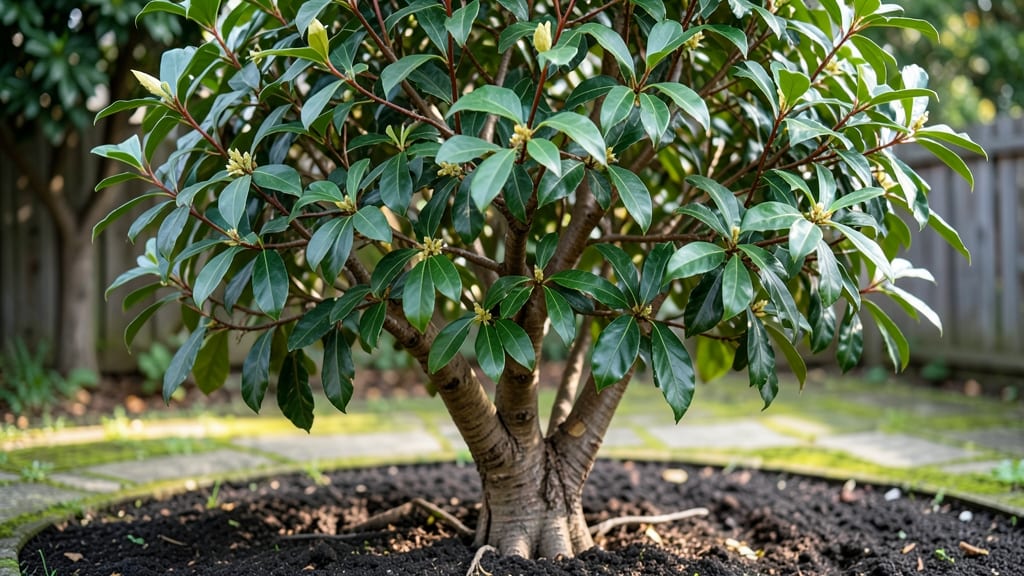
The fragrant harvest of cinnamon tree leaves starts with choosing between true cinnamon (Cinnamomum verum) and its ornamental cousins—both offer that warm, spicy aroma, but only the real deal delivers the culinary punch. 🌿 I’ve grown both in my sunny Florida yard, and the difference in leaf texture and scent is night-and-day.
The true cinnamon’s leaves are thinner, glossier, and packed with that signature cinnamon kick when crushed.
You’ll need bright, indirect light for indoor plants or full sun with afternoon shade outdoors, plus well-draining soil that mimics their tropical roots. True cinnamon trees thrive in zones 10-12, but dwarf varieties or potted plants can adapt indoors with a south-facing window or grow light.
The key? Mimic their natural humidity—mist leaves regularly or use a pebble tray to keep them lush and fragrant year-round.
📚 In This Guide
- What you need
- Instructions
- Tips and common mistakes
- Wrapping up and next steps
What you need
- ● Cinnamon tree (Cinnamomum verum or Cinnamomum cassia): 1 healthy sapling (3–5 ft tall, 2–3 inches in diameter) from a nursery or online supplier.
- ● Note: Ensure it’s disease-free and well-acclimated to your climate zone (USDA Zones 9–11 for outdoor growth; indoor options available for cooler regions).
- ● Well-draining potting mix: 5–10 gallons (depending on pot size), blended with perlite or sand (1:3 ratio) for aeration.
- ● Pro tip: Avoid heavy clay soil—it causes root rot! 🌡️
- ● Containers or garden bed: Outdoor: 15–20 gallon pot (minimum) with drainage holes or a sunny, sheltered garden spot.
- ● Indoor: Large ceramic or fabric pot (12+ inches deep) near a south-facing window.
- ● Watering can or hose with nozzle (fine mist setting for seedlings).
- ● Balanced fertilizer (10-10-10 or organic options like composted manure).
- ● Pruning shears (sterilized, sharp blades for trimming).
- ● Mulch (wood chips or straw, 2–3 inches thick to retain moisture).
- ● pH testing kit (ideal range: 5.5–6.5 for cinnamon trees).
- ● Humidity tray (for indoor plants to mimic tropical conditions).
- ● Grow lights (LED full-spectrum, 12–14 hours/day if indoors).
- ● Pest control: Neem oil spray (for aphids or mites).
- ● Yellow sticky traps (to monitor for whiteflies).
- ● Harvesting tools: Clean kitchen scissors (for snipping leaves).
- ● Drying rack or mesh screen (for preserving leaves).
- ○ Gloves (optional, to protect hands during pruning).
Step-by-Step guide to cultivating a fragrant cinnamon tree
Here’s how to coax those aromatic leaves into thriving growth year-round.
🌱 Step 1: Select and Prepare Your Cinnamon Tree Sapling
Start with a healthy Cinnamomum verum sapling—either a nursery-grown plant or a cutting from an established tree. Look for a specimen with smooth, glossy leaves and no signs of yellowing or pests. If using a cutting, root it in sandy, well-draining soil for 4-6 weeks before transplanting.
I always choose a pot at least 12 inches deep with drainage holes—cinnamon trees hate soggy roots. Fill the container with a mix of equal parts potting soil and perlite to mimic their natural, aerated habitat. The first few weeks are critical; keep the soil slightly moist but never soggy to prevent root rot.
☀️ Step 2: Position for Optimal Light and Humidity
Cinnamon trees thrive in bright, indirect light—think 6-8 hours of filtered sunlight daily. A south- or east-facing window works well, but avoid harsh afternoon sun, which can scorch delicate leaves. If natural light is insufficient, supplement with a grow light positioned 12-18 inches above the plant for 12-14 hours per day.
Humidity is key—these tropical trees need 60-70% humidity to mimic their native rainforest environment. Place the pot on a pebble tray with water or use a humidifier near the plant. Mist the leaves daily in dry climates, but avoid wetting the foliage if humidity is already high—this can encourage fungal issues.
💧 Step 3: Water and Fertilize for Lush Growth
Water when the top 1-2 inches of soil feel dry—typically every 5-7 days, depending on your climate. Stick your finger in the soil; if it’s dry past your first knuckle, it’s time to water. Use room-temperature water and pour slowly until it drains freely from the bottom. Empty the saucer after 10 minutes to prevent waterlogging.
Feed your cinnamon tree monthly with a balanced liquid fertilizer (10-10-10 or 20-20-20) diluted to half-strength during the growing season (spring and summer). Reduce fertilization in fall and winter, as growth slows. Over-fertilizing leads to salt buildup, which burns roots—flush the soil every 3 months with plain water to cleanse excess minerals.
✂️ Step 4: Prune and Harvest for Year-Round Fragrance
Prune in early spring to encourage bushier growth. Trim back overly long stems by one-third to maintain shape and stimulate new shoots. Use sterilized pruning shears to make clean cuts just above a leaf node. Avoid heavy pruning in fall or winter, as the tree needs time to recover before dormancy.
Harvest leaves as needed, but don’t take more than one-third of the plant’s foliage at once. Young, tender leaves have the strongest cinnamon scent—strip them gently from the stem. Dry them in a dark, well-ventilated space for 1-2 weeks before crushing for use. Regular harvesting encourages continuous new growth, keeping your tree productive year-round.
🪴 Step 5: Overwinter for Long-Term Success
Reduce watering in fall and winter, allowing the top 2-3 inches of soil to dry out between waterings. Keep the tree in a cool but bright spot (ideally 60-65°F) to mimic its natural seasonal slowdown. Avoid drafts or sudden temperature swings, which stress the plant.
Check for pests like spider mites—a common issue in dry indoor air. Wipe leaves weekly with a damp cloth to remove dust and deter infestations. If you notice yellowing leaves, it’s often a sign of overwatering or nutrient deficiency. Adjust care accordingly, and your tree will bounce back with fresh, fragrant foliage in spring.
Tips & tricks for perfect cinnamon tree cultivation
These insider strategies will help you nurture a thriving cinnamon tree with maximum fragrance and vitality.
Rooting Cutting Success: When rooting a cinnamon tree cutting in Step 1, I've found that adding a rooting hormone to the sandy soil mix significantly boosts success rates. After planting, create a mini greenhouse effect by covering the pot with a clear plastic bag secured with rubber bands. This maintains high humidity around the cutting, mimicking tropical conditions. Remove the bag once roots form—usually after those 4-6 weeks—but keep humidity elevated during this critical period.
Lighting Optimization: For Step 2's light requirements, I recommend positioning your grow light on a timer to automatically provide those 12-14 hours of daily illumination. If using natural light, rotate the pot quarter-turns weekly to ensure even growth—cinnamon trees grow toward the light source. Notice how the leaves will naturally orient themselves toward the brightest direction, which helps you adjust positioning for balanced growth.
Watering Technique: The finger test in Step 3 is essential, but I've learned to pay attention to the weight of the pot as well. A properly moistened cinnamon tree should feel noticeably heavier when watered compared to its dry state. After the 10-minute drainage period, I always give the pot a gentle shake to ensure excess water has fully drained—this prevents those problematic waterlogged roots that can kill your tree.
Pruning Strategy: When pruning in early spring (Step 4), I focus on creating an open center by removing stems that grow toward the center of the plant. This improves air circulation and prevents fungal issues. The one-third rule applies to both length and foliage—never remove more than one-third of the plant's leaves at any single pruning session, as this can shock the tree and reduce its ability to photosynthesize effectively.
Pro Tips for Cinnamon Tree Leaves
- These insider strategies will help you nurture a thriving cinnamon tree with maximum fragrance and vitality.
- Rooting Cutting Success: When rooting a cinnamon tree cutting in Step 1, I've found that adding a rooting hormone to the sandy soil mix significantly boosts success rates.
- Lighting Optimization: For Step 2's light requirements, I recommend positioning your grow light on a timer to automatically provide those 12-14 hours of daily illumination.
Frequently asked questions
Can I use cinnamon tree leaves instead of cinnamon sticks for cooking?
Yes! While the flavor is subtly different (more herbal, less sweet), cinnamon tree leaves can be used fresh or dried in teas, soups, or marinades. For a stronger cinnamon taste, pair them with a pinch of ground cinnamon. Pro tip: Crumble dried leaves into oatmeal or smoothies for a unique twist!
How long do cinnamon tree leaves take to grow back after harvesting?
Cinnamon trees are resilient! With proper care, new leaves typically regrow within 4–8 weeks after pruning. Avoid over-harvesting—never take more than ⅓ of the foliage at once. Prune in early spring to encourage lush, healthy regrowth.
Are cinnamon tree leaves toxic to pets if ingested?
While non-toxic in small amounts, cinnamon tree leaves (especially in large quantities) can cause mild stomach upset in pets. Monitor your furry friends if they nibble on fallen leaves. If you’re concerned, opt for pet-safe alternatives like lavender or rosemary for homemade remedies.
Can I dry cinnamon tree leaves at home? If so, how?
Bundle fresh leaves with rubber bands and hang them upside down in a warm, dry, dark place (like a pantry) for 1–2 weeks. Alternatively, use a dehydrator at 95°F (35°C) for 2–3 hours. Store dried leaves in airtight containers away from light for up to 6 months.
What’s the best time of year to harvest cinnamon tree leaves?
The ideal time is late spring to early summer, when leaves are fully mature but still tender. Avoid harvesting after heavy rain (leaves can be damp and prone to mold). For year-round use, harvest lightly in fall/winter—just don’t strip the tree bare!
What’s a good alternative if I don’t have a cinnamon tree?
If you’re craving that warm, aromatic touch, try:
- Cassia leaves (closer to cinnamon sticks in flavor)
- Bay leaves (earthy, pairs well with cinnamon)
- Star anise (for a spicy, licorice-like note)
- Dried cloves (intense, perfect for baking)
Wrapping up and next steps
Cultivating cinnamon tree leaves is a rewarding journey that brings fragrant beauty and potential benefits to your garden year-round. Whether you're drawn to their aromatic allure, culinary uses, or medicinal properties, these versatile leaves offer endless possibilities.
With the right care—like well-draining soil, proper sunlight, and consistent moisture—you can enjoy a thriving cinnamon tree that keeps giving back.
Ready to take the next step? Start small—plant a cutting or seedling today and watch your fragrant harvest grow! Share your progress with fellow gardeners or explore creative ways to use the leaves in your home. Happy growing! 🌿✨