
Pruning
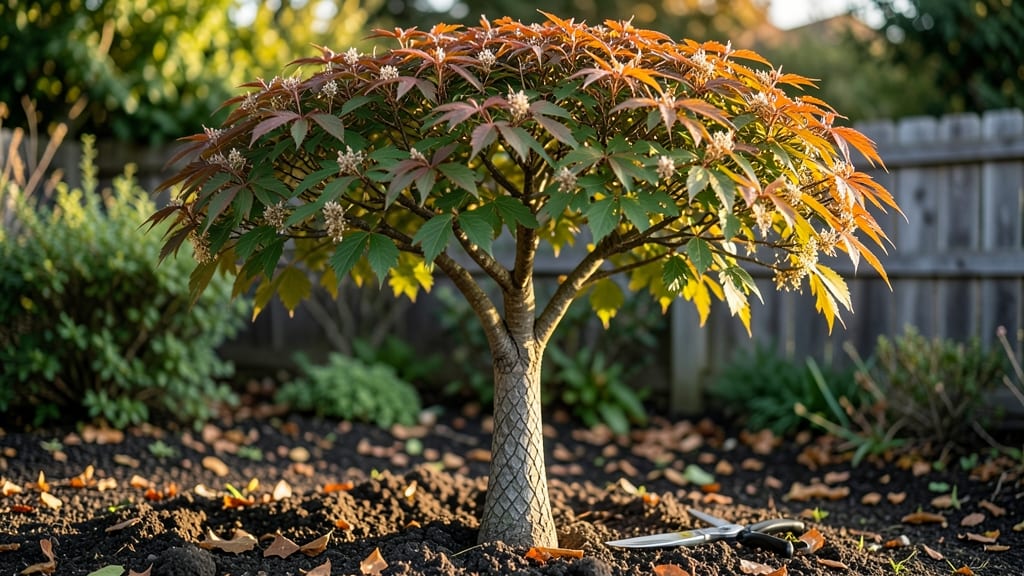
Pruning a Japanese ewe tree isn't just about shaping branches—it's about unlocking that signature fragrant growth that makes this tree so special. 🌿 I learned the hard way that skipping regular trims means losing the lush, velvety foliage and the sweet scent that lingers on warm afternoons.
The key is a balanced approach: light pruning in early spring to encourage new shoots, and strategic cuts in late winter to maintain its natural shape.
You’ll need sharp pruning shears, a ladder (for taller branches), and a clear day to work—Japanese ewe trees respond best to clean cuts made just above outward-facing buds.
Most home gardeners can tackle this in under an hour, even for mature trees, by focusing on removing dead wood, crossing branches, and thinning out crowded areas. The goal isn’t perfection; it’s creating space for the tree to thrive and reward you with that signature fragrance.
What you’ll end up with is a tree that stays compact yet full, with glossy leaves that shimmer in sunlight and a subtle, almost citrusy aroma when brushed against. Pruned correctly, it grows 3-5 feet per year, staying manageable even in smaller yards.
Plus, the fragrant foliage makes it a standout in any landscape—whether as a standalone specimen or part of a mixed border.
Works year-round with seasonal adjustments: minimal pruning in summer to shape growth, and heavier cuts in late winter before new buds form. The tree’s adaptability means it thrives in USDA zones 7-10, making it a versatile choice for warm climates.
Ready to transform your tree into a fragrant, lush centerpiece?
📚 In This Guide
- What you need
- Instructions
- Tips and common mistakes
- Wrapping up and next steps
What you need
- ● Pruning shears: Bypass pruners (for clean cuts on branches up to ½ inch thick). Recommended: Felco F-2 or Corona Tools.
- ● Loppers: For branches ½ to 1.5 inches thick. Look for anvil or bypass styles with 10-12 inch handles for leverage.
- ● Pruning saw: A curved-tooth saw (like the Fiskars X27) for thick branches over 1.5 inches.
- ● Gloves: Heavy-duty, cut-resistant gloves (e.g., Mechanix Wear) to protect from thorns and sap.
- ● Disinfectant: 70% isopropyl alcohol or a pruning sealant (e.g., Tanglefoot Pruning Seal) to prevent disease spread.
- ○ Extension pole: Optional but helpful for high branches (e.g., 24-inch telescoping pole with pruners attached).
- ● Bucket or tarp: To collect clippings and debris.
- ● Sharpener: A file or honing stone to keep blades razor-sharp (dull tools crush branches!).
- ● Safety glasses: Protect your eyes from flying sap or debris.
- ● Rubbing alcohol wipes: For quick disinfection between cuts.
- ● Marking spray: (e.g., white spray paint) to tag branches for removal (great for large-scale pruning!).
- ● Pruning rope: For temporary support if you’re removing large limbs.
Step-by-Step guide to pruning your Japanese ewe tree
Here's how I keep my fragrant tree thriving year-round with simple, effective cuts.
✂️ Step 1: Prune for Shape in Late Winter or Early Spring
This is the best time to establish your tree's structure. Wait until just before new growth begins—typically February to March in most climates. Start by removing any dead, damaged, or crossing branches first. These are the easiest to spot—they'll be brown, brittle, or growing inward toward the center.
Next, shape the tree by cutting back branches to just above an outward-facing bud. I like to make my cuts at a 45-degree angle about ¼ inch above the bud—this prevents water from pooling and rotting the wound. For larger branches, use clean, sharp pruners to make a smooth cut. Never leave stubs; they invite disease.
🌿 Step 2: Light Pruning During Active Growth (Spring to Summer)
Throughout the growing season, do light maintenance pruning to encourage bushier growth. Pinch back new growth tips to promote branching—this is especially helpful if your tree looks leggy. Look for branches growing straight up or inward; these are prime candidates for removal.
When pruning during summer, remove only 20-30% of the foliage at a time. Too much pruning now stresses the tree. Always cut just above a leaf node or bud, and avoid cutting into old wood—new growth will emerge from the buds left behind. I like to do this every 4-6 weeks to keep the shape tidy and encourage dense foliage.
☀️ Step 3: Minimal Trimming in Late Summer to Early Fall
This is the time for very light pruning—just enough to tidy up the tree before winter. Remove any branches that are rubbing against each other or growing in an unattractive direction. Also, cut back any overly long branches that might break under snow or ice.
Stop pruning by mid-October to allow the tree to harden off for winter. Avoid heavy pruning now, as new growth won't have time to mature before cold weather sets in. If you must prune, focus only on removing dead or diseased branches. The goal here is to keep the tree healthy and prepare it for dormancy.
⏰ Step 4: Post-Winter Cleanup (Late Winter)
Just before buds swell in late winter, do a final cleanup. Remove any dead, broken, or diseased branches that may have appeared over winter. Also, check for any branches that grew too long or in odd directions during the previous season.
This is also a great time to thin out the center of the tree if it's getting too dense. Look for branches growing inward—these compete for sunlight and weaken the tree. Cut them back to a strong outward-facing branch or bud. A well-thinned tree will have better air circulation, reducing the risk of fungal diseases.
Tips & tricks for pruning your Japanese ewe tree
Here’s what I’ve learned after years of keeping my Japanese Ewe Tree looking its best—simple tricks that make all the difference.
Timing is Everything: The late winter/early spring pruning in Step 1 is non-negotiable for shaping your tree. I’ve found that waiting until just before buds swell (typically February-March) gives the tree time to heal before summer heat arrives. If you prune too early, you risk encouraging new growth that won’t harden off properly before winter. And if you wait too late, you’ll be cutting back growth that could have helped the tree store energy for next year.
The 45-Degree Rule: When you’re making those cuts in Step 1, that 45-degree angle above the outward-facing bud isn’t just a suggestion—it’s crucial. The angle prevents water from pooling in the cut, which could lead to rot. For larger branches, I use my pruners to make a clean cut just outside the branch collar (that swollen area at the base). This helps the tree seal the wound faster and reduces the chance of disease entering.
Summer Pruning Secrets: During the spring/summer maintenance in Step 2, remember that 20-30% foliage removal rule? That’s your safety net. I’ve seen trees stressed beyond recovery when people get carried away. For leggy growth, pinch back those tips when they’re about 4-6 inches long—they’ll branch out beautifully. And always cut just above a leaf node or bud; new growth will emerge from there, keeping your tree bushy and full.
Winter Prep Matters: That mid-October cutoff in Step 3 isn’t arbitrary. Trees need time to harden off before winter. I’ve made the mistake of pruning too late, and the new growth never survived our cold winters. Focus on tidying up rather than making major structural changes. And if you must prune diseased branches, do it when the tree is dormant—fewer pests and pathogens are active then.
Pro Tips for Japanese Ewe Tree
- Here’s what I’ve learned after years of keeping my Japanese Ewe Tree looking its best—simple tricks that make all the difference.
- Timing is Everything: The late winter/early spring pruning in Step 1 is non-negotiable for shaping your tree.
- The 45-Degree Rule: When you’re making those cuts in Step 1, that 45-degree angle above the outward-facing bud isn’t just a suggestion—it’s crucial.
Frequently asked questions
Got questions about keeping your Japanese Ewe Tree (also called Ullucus tuberosus or Japanese cedar—though often confused with Zelkova serrata) thriving? Here are some of the most common ones, answered for easy reference:
When is the best time to prune my Japanese Ewe Tree?
The ideal time to prune is late winter or early spring, just before new growth begins. This timing helps avoid stressing the tree during dormancy and promotes vigorous regrowth. Light trimming to shape can also be done in summer, but avoid heavy pruning then.
How much can I trim without harming the tree?
Never remove more than 25% of the tree’s foliage in one session. Over-pruning can stress the tree, reduce flowering (if you’re growing it for its fragrant blooms), and weaken its natural defenses. Focus on thinning out crowded branches and shaping gradually for a balanced look.
What should I do if my tree’s leaves turn yellow after pruning?
Yellowing leaves post-pruning often signal stress or nutrient loss. Check for:
- Over-trimming (scale back next time).
- Underwatering (deep water 1–2x/week in dry spells).
- Pests (inspect for spider mites or scale).
Does pruning affect the tree’s fragrant flowers?
Yes! Pruning too aggressively can reduce flowering, as blooms form on new wood. To encourage fragrant flowers:
- Prune lightly in spring to shape.
- Avoid cutting back old wood (where last year’s flowers grew).
- Fertilize in early spring to support blooming.
Can I use the same pruning tools for other trees?
While you can share tools, it’s best to disinfect them between uses (rubbing alcohol or bleach solution) to prevent disease spread. Japanese Ewe Trees are prone to powdery mildew—so clean tools after pruning to keep your tree healthy and ready for other projects!
Wrapping up and next steps
Mastering the art of Japanese Ewe Tree pruning ensures your fragrant beauty thrives year-round! 🌿 With the right tools, timing, and techniques—whether shaping for aesthetics or encouraging blooms—you’re well on your way to a lush, healthy tree. Remember, consistency is key!
Ready to take your pruning skills to the next level? Start by scheduling a seasonal maintenance calendar and observe how your tree responds to each trim. Happy gardening—your fragrant oasis awaits! 🌸