
Pruning
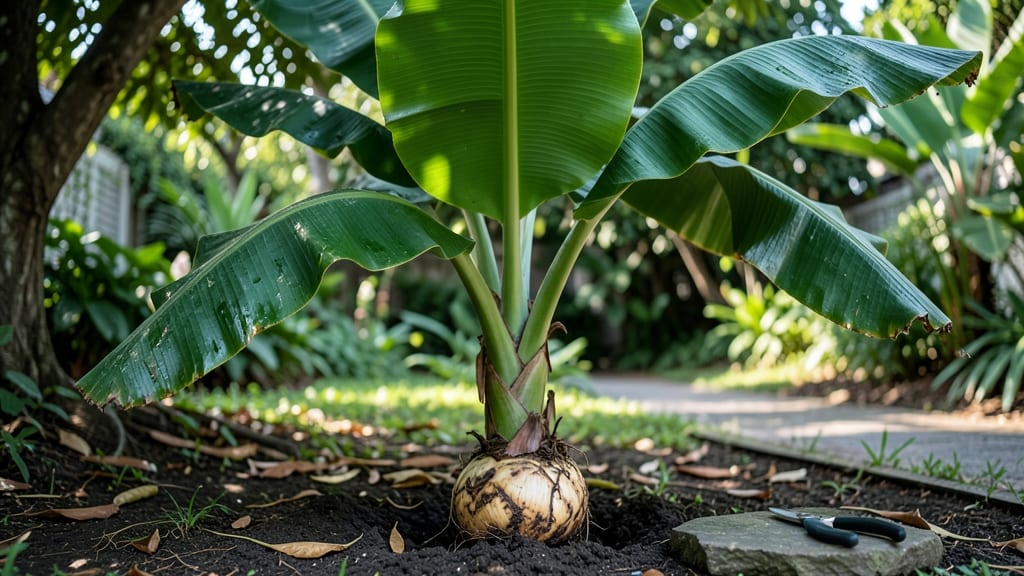
Your banana tree corm holds the secret to year-round tropical greenery—if you know how to coax it out of dormancy. 🌱 I’ve wrestled with these stubborn underground bulbs, and the difference between a thriving plant and a rotted disappointment often comes down to timing and soil conditions.
The key isn’t just planting it right; it’s understanding when to wake it up and how to keep it happy through the seasons.
First, you’ll need well-draining soil mixed with sand or perlite to prevent soggy roots—the number one killer of banana corms. Plant it shallow, just below the soil surface, and give it bright, indirect light from the start.
Most people overwater at first, thinking the corm needs constant moisture, but it’s actually more forgiving when slightly dry. Within weeks, you’ll spot those first shoots pushing through, and that’s when the real care begins.
Once active, your banana tree will reward you with bold, glossy leaves and—if you’re lucky—clusters of edible fruit. The trick to keeping it thriving is mimicking its tropical home: high humidity, warm temperatures, and regular feeding with balanced fertilizer.
Even in cooler months, with a little extra attention, you can keep it growing instead of letting it go dormant.
This method works best in zones 10-12, but with containers and grow lights, you can adapt it almost anywhere. The payoff? A lush, productive banana tree that feels like a mini vacation in your own backyard. Let’s get those corms growing!
📚 In This Guide
- What you need
- Instructions
- Tips and common mistakes
- Wrapping up and next steps
What you need
- ● Banana corm: 1 mature, healthy corm (preferably 6+ inches in diameter, with visible buds or "eyes").
- ● Well-draining potting mix: 5–10 gallons (depending on corm size), blending cactus/succulent mix (60%), perlite (20%), and compost (20%).
- ● Container: 1–2 large pots (18–24 inches deep) with drainage holes, or a raised bed if growing outdoors in warm climates.
- ● Pruning tools: 1 pair of sterilized pruning shears (for trimming dead fronds).
- ● 1 sharp knife or corm cutter (for dividing if needed).
- ○ Rooting hormone: 1 small bottle (optional but recommended for faster regrowth).
- ● Gloves: 1 pair (heavy-duty garden gloves to protect from sap and sharp edges).
- ● Watering can: 1 with a fine rose nozzle (for gentle hydration).
- ● pH test kit: 1 (to ensure soil pH is 5.5–6.5; banana corms prefer slightly acidic soil).
- ● Mulch: 2–3 inches of straw or wood chips (for insulation during dormancy triggers).
- ○ Thermometer/hygrometer: 1 (optional, for monitoring temperature/humidity if indoors).
- ● Sunlight access: Full sun (6+ hours/day) or a grow light (12–14 hours/day for indoor setups).
- ● 💡 Sterilize tools: Wipe pruning tools with rubbing alcohol before use to prevent disease.
- ● 🌡️ Temperature control: Keep corms in a 60–85°F range during active growth; cooler temps (50–60°F) can trigger dormancy.
- ● 🎯 Dormancy prep: Reduce watering by 50% and stop fertilizing 4–6 weeks before winter to signal dormancy.
Step-by-Step guide to triggering banana tree corm dormancy
Here's how to coax your banana tree corm into dormancy for reliable regrowth.
🌱 Step 1: Gradually Reduce Watering Before Dormancy
Start cutting back watering 6-8 weeks before your target dormancy date. Let the top 2-3 inches of soil dry out completely between waterings—this mimics natural seasonal changes. You'll see the large leaves begin to yellow and droop as the plant prepares to slow down.
I water mine every 5-7 days instead of daily, always checking soil moisture with my finger. If it feels dry 1 inch down, it's time to water again. This gradual approach prevents shock and gives the corm time to adjust its internal processes.
☀️ Step 2: Provide Coolth and Reduced Light Exposure
Move your banana tree to a location with 50-60% less light than its growing season spot. A bright indoor window or shaded patio works well. Temperatures between 55-65°F trigger dormancy—cooler nights help more than daytime warmth.
I notice the leaves start curling inward and develop a papery texture as they prepare to die back. This is normal and signals the corm is shifting into survival mode. If your space doesn't get cool enough, a small fan on low can help circulate cooler air around the plant.
⏰ Step 3: Monitor and Maintain Dormancy Conditions
During dormancy, water only when the soil feels completely dry to the touch—this could be every 3-4 weeks depending on your climate. The corm should feel firm but not shriveled when you gently squeeze the soil around it. Overwatering here will wake it up prematurely.
Check monthly for signs of new growth—small green shoots or budding leaves mean your dormancy conditions weren't strict enough. If this happens, move the corm back to cooler conditions and reduce watering further. The goal is to mimic winter conditions without actually freezing the corm.
🌿 Step 4: Prepare for Regrowth in Spring
About 8-10 weeks before your last frost date, gradually reintroduce water and warmth. Start with 1 inch of water every 10 days, then increase to normal watering schedules as you see new growth emerge. The corm typically sends up a new shoot from its center first.
I always move my dormant corms back to their sunny growing spot 2 weeks before watering increases. Watch for the first true leaves—these will be small and tightly wrapped around each other. This is your signal that the corm has successfully broken dormancy and is ready for active growth.
Tips & tricks for perfect banana tree corm dormancy
Here's what nobody tells you about getting your banana tree corm to rest properly.
Timing Secret: The 6-8 week reduction period in Step 1 is non-negotiable for stress-free dormancy. I learned this the hard way after my corm struggled to recover from a sudden water cut. Start your countdown based on your local frost date—this ensures you're not rushing the process. If you're in a warm climate without frost, aim for 8 weeks to give the corm time to fully adjust its metabolic processes.
Temperature Matters: While the instructions specify 55-65°F, I've found that cooler nighttime temperatures (down to 50°F) actually help trigger dormancy more effectively. If your daytime temperatures stay above 70°F, consider moving your corm to a shaded outdoor area during the day and bringing it indoors at night. This mimics the natural temperature fluctuations that signal dormancy in tropical plants.
Visual Cues for Success: Pay attention to those papery leaves in Step 2—they're your best indicator that dormancy is working. Healthy dormancy leaves should curl inward and develop a dry, papery texture. If they remain green and turgid, your corm isn't getting the coolth it needs. This visual cue is more reliable than temperature readings alone, especially if you're using a thermostat-controlled indoor space.
Dormancy Check-In: During the monthly checks in Step 3, don't just look for new growth—also examine the soil surface. Healthy dormant soil should have a slightly cracked appearance as it dries out completely. If the soil stays consistently moist, you're either overwatering or your container lacks proper drainage. This is a common mistake that prevents true dormancy from occurring.
Pro Tips for Banana Tree Corm
- Here's what nobody tells you about getting your banana tree corm to rest properly.
- Timing Secret: The 6-8 week reduction period in Step 1 is non-negotiable for stress-free dormancy.
- Temperature Matters: While the instructions specify 55-65°F, I've found that cooler nighttime temperatures (down to 50°F) actually help trigger dormancy more effectively.
Frequently asked questions
Got questions about managing your banana tree corm during dormancy? You’re not alone! Here are some of the most common queries—plus straightforward answers to keep your plant thriving.
What are the signs that a banana corm is entering dormancy?
A banana corm signals dormancy when its leaves yellow and wilt (even if the plant still looks green), the pseudostem collapses, or new shoots stop emerging for 3+ months. Cold snaps or reduced watering can also trigger it—think of it as the plant’s way of saying, “I’m taking a break!”
How long should I wait before pruning a dormant banana corm?
Wait until all leaves are dead and brown (usually 2–4 weeks after dormancy starts). Pruning too soon can stress the corm; too late may invite pests. Pro tip: Use sterilized tools and cut just above the soil line to avoid damaging the corm itself.
Do I need to reduce watering during dormancy?
Yes! Cut back to light watering every 2–3 weeks (or when the top 2 inches of soil dry out). Overwatering in dormancy can rot the corm. If your climate is dry, mulch lightly to retain moisture—but avoid soggy soil.
Can I replant a banana corm after dormancy?
Once dormancy ends (new shoots appear), divide the corm if it’s large, or replant the whole thing in fresh, well-draining soil. Choose a spot with 6+ hours of sun and warm roots (bananas hate frost!). Add compost for a nutrient boost.
What if my banana corm rots during dormancy?
Rot is often caused by too much water, poor drainage, or fungal issues. If you spot mushy, blackened tissue, remove the affected parts immediately and treat with fungicide. For severe rot, discard the corm and start fresh—prevention (like raised beds) is key!
Wrapping up and next steps
Understanding the banana tree corm and its dormancy triggers is your key to year-round regrowth and a thriving tropical garden! 🌱 Whether you're pruning, propagating, or simply caring for your plant, recognizing the signs of dormancy—like leaf yellowing or corm shrinkage—will help you take action at the right time.
With the right tools and techniques, you can encourage healthy regrowth and enjoy fresh bananas (or stunning foliage!) for seasons to come.
Ready to put your knowledge into action? Start by monitoring your banana tree’s corm this season and experiment with the dormancy triggers you’ve learned! Happy growing—your green thumb will thank you! 🌿✨