
Pruning
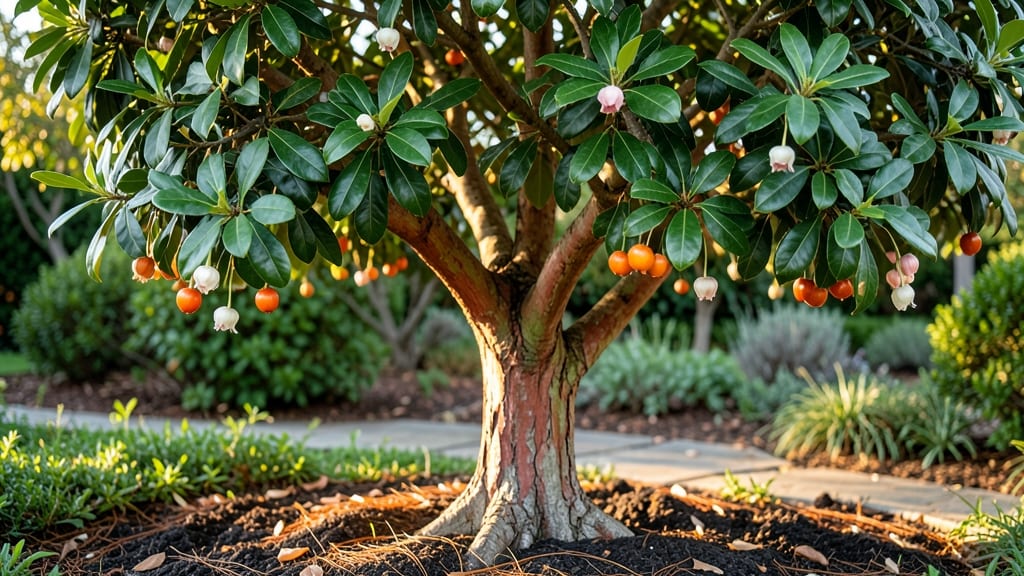
The Arbutus unedo, or Irish strawberry tree, turns your garden into a fragrant, evergreen wonderland with its striking bark and delicate blooms. 🌿 I fell for this tree after seeing how its creamy flowers smell like vanilla and its tiny red fruits taste like a mix of strawberries and raspberries—nature’s candy.
Unlike most trees, it blooms in fall and winter, offering color when everything else is dormant.
This Mediterranean native thrives in zones 7-9 but handles milder winters in containers, making it perfect for cooler climates. It loves well-draining soil and full sun to partial shade, though it tolerates some drought once established.
The real magic happens when you prune it right—year-round shaping keeps it compact and encourages those fragrant blooms.
With the right care, you’ll end up with a multi-season showstopper: fragrant flowers in winter, edible fruit in fall, and glossy evergreen leaves year-round. The tree’s peeling bark adds texture, and its low-maintenance nature makes it ideal for both cottage gardens and urban spaces.
Let’s get into the pruning secrets that keep it thriving.
Whether you’re growing it for its culinary fruit, ornamental value, or just the scent, this tree delivers. The key is balancing pruning with its natural growth habits—no heavy-handed cuts needed.
We’ll cover when to trim, how much to remove, and how to protect it in colder zones without stressing the plant.
📚 In This Guide
- What you need
- Instructions
- Tips and common mistakes
- Wrapping up and next steps
What you need
- ● Pruning shears: Sharp, bypass-style shears (for clean cuts on small branches). Size: 6–8 inches.
- ● Loppers: For thicker branches (½–1 inch in diameter). Size: 18–24 inches.
- ● Pruning saw: Bow saw or pruning saw for branches over 1 inch thick.
- ● Gloves: Heavy-duty, cut-resistant gloves to protect hands from thorns.
- ● Disinfectant: 70% isopropyl alcohol or rubbing alcohol to sterilize tools between cuts.
- ● Rag or paper towels: For wiping tools clean.
- ○ Pruning sealant: Optional but helpful for sealing larger cuts (e.g., tree wound dressing).
- ● Safety gear: Safety glasses (to protect from debris) and long sleeves/pants (for thorn protection).
- ● Weather check: Prune on a dry, overcast day to reduce stress on the tree.
- ● Ladder (if needed): Extension ladder (20–24 ft) for tall trees—ensure it’s stable and rated for your weight.
- ● Cleanup supplies: Garden bags or bucket for collecting pruned branches.
- ● Water & snacks: Hydration and energy are key for a job well done! 💧🍎
- ● Timing matters: Prune lightly in late winter (before new growth) and heavily in summer (after fruiting).
- ● Tool sharpness: Dull shears crush branches—always test on a small twig first!
- ● Sterilize often: Wipe tools between cuts to prevent disease spread.
Step-by-Step guide to year-round pruning for the Irish strawberry tree
This is how I keep my Arbutus unedo thriving with lush foliage and fragrant blooms—no matter the season.
🌿 Step 1: Late Winter Cleanup (February-March)
Start by removing dead, diseased, or crossing branches—these compete for energy and invite pests. Use clean, sharp pruners to make cuts just outside the branch collar, where the branch meets the trunk. This ensures clean wounds that heal faster. I always prune on a dry, sunny day to reduce stress on the plant.
Look for branches that are brown, brittle, or hollow—these won’t recover. If you’re unsure, gently scratch the bark with your thumbnail. Healthy wood should be greenish underneath, while dead wood will be dry and dark. Never remove more than one-third of the plant’s total foliage in a single session, or you’ll shock the tree.
✂️ Step 2: Spring Growth Stimulation (April-May)
This is when you shape the tree for optimal air circulation and sunlight penetration. Focus on thinning out dense areas by selectively removing branches that grow inward or rub against others. The goal is to create an open, vase-like structure that lets light reach the center—where those fragrant white blooms will form.
Cut back overly long branches to encourage bushier growth, but never reduce them by more than one-third of their length. I like to step back frequently to visualize the tree’s form—pruning is as much about aesthetics as it is about health. If you see water sprouts (thin, upright shoots), remove them immediately—they drain energy from the main structure.
☀️ Step 3: Summer Maintenance (June-August)
During the growing season, light pruning is key—just enough to maintain shape and remove any damaged or diseased foliage. Use sterilized pruners after each cut to prevent spreading pathogens. Watch for suckers (shoots growing from the base) and trim them back to 1 inch above the soil line—they’ll otherwise compete with the main tree.
If you notice new growth that’s leggy or sparse, it’s a sign the tree needs more light. Adjust its position if possible, or prune nearby branches to improve airflow. Avoid heavy pruning now—you don’t want to stress the tree as it prepares for fall flowering. A quick once-over every 4-6 weeks keeps things tidy without overdoing it.
🍓 Step 4: Fall Bloom Preparation (September-October)
This is the most critical pruning window for Arbutus unedo—the tree’s flowers form on current year’s growth, so now is when you encourage robust new shoots. Remove any weak or misplaced branches that would block sunlight from reaching the center, where next year’s blooms will develop.
Pay special attention to last year’s flower clusters—they’ll turn into those edible (but tart) strawberry-like fruits. If the tree looks overburdened, you can lightly thin these clusters to redirect energy into stronger growth. I always prune just after the fruits ripen in late fall, giving the tree a fresh start before winter.
⏰ Step 5: Minimal Winter Touch-Ups (November-January)
Winter pruning is gentle and corrective only. Remove any storm-damaged branches or those that have frozen and died back. Use sharp, sterilized tools to make clean cuts, and avoid heavy shaping—this is a time of rest for the tree.
If you notice dormant branches that look dead but still have a tiny bit of green beneath the bark, wait to prune them until spring. Sometimes, what looks dead in winter surprises you with new growth in spring. A quick inspection every 2-3 months keeps the tree healthy without unnecessary stress.
Tips & tricks for perfect year-round pruning of Irish strawberry trees
Pruning your Arbutus unedo properly transforms it from a struggling shrub to a fragrant, fruit-bearing beauty. Here’s how to elevate your technique beyond the basics.
Branch Health Check: In Step 1, when identifying dead branches, look for another telltale sign: the bark’s texture. Healthy branches have slightly rough, corky bark, while dead ones feel smooth and papery. This visual cue helps you make confident cuts—especially important since you’re limited to removing no more than one-third of the foliage in a single session.
Seasonal Timing Secret: The 4-6 week summer maintenance window is your chance to catch problems early. I schedule my checks right after rain—when the tree is fully hydrated, any hidden issues like fungal spots or pest damage become more visible. This proactive approach prevents small problems from becoming major ones by fall.
Tool Maintenance Tip: After every pruning session, especially in Step 3’s summer maintenance, clean your tools with rubbing alcohol and a stiff brush. The Arbutus unedo’s bark contains natural oils that can gum up pruner blades over time. I keep a small bottle of alcohol in my gardening toolbox specifically for this purpose—it’s a small effort that pays off with cleaner cuts and healthier plants.
Visual Pruning Guide: For Step 2’s spring shaping, imagine your tree as a vase—open at the top, narrower at the base. When you step back 10 feet, you should see this shape clearly. If you can’t, that’s your cue to remove branches that are blocking the center. This open structure is what allows those signature white blooms to develop fully and fragrantly.
Pro Tips for Arbutus Unedo Irish Strawberry Tree
- Pruning your Arbutus unedo properly transforms it from a struggling shrub to a fragrant, fruit-bearing beauty.
- Branch Health Check: In Step 1, when identifying dead branches, look for another telltale sign: the bark’s texture.
- Seasonal Timing Secret: The 4-6 week summer maintenance window is your chance to catch problems early.
Frequently asked questions
When is the best time to prune my Irish strawberry tree?
The ideal time to prune is late winter or early spring (just before new growth starts). You can also do light trimming in summer after flowering to shape the tree. Avoid heavy pruning in fall—it may stimulate tender growth vulnerable to frost. Pro tip: If you miss the window, a light prune anytime is better than none!
How much can I trim without harming the tree?
Remove no more than 25-30% of the foliage in a single session to avoid stress. Focus on dead, crossing, or overcrowded branches first. For shaping, trim back to a healthy bud or branch junction. Arbutus unedo is forgiving, but never cut into old wood—it rarely regrows!
Will pruning affect my tree’s strawberry-like fruit?
No—pruning actually boosts fruit production by improving airflow and sunlight. Just avoid heavy cuts in fall or winter, as this can delay flowering. If your tree isn’t fruiting well, check for overcrowding or nutrient deficiencies (like phosphorus). A balanced fertilizer in spring can help!
Can I prune in cold or rainy weather?
Avoid pruning during frost, heavy rain, or extreme heat—wet wood can rot, and cold stress weakens the tree. Early morning on a dry, mild day (50–70°F) is perfect. If you must prune in damp conditions, sterilize tools with rubbing alcohol to prevent fungal spread.
What if my Irish strawberry tree isn’t blooming after pruning?
Check these fixes:
- Light exposure: Ensure it gets at least 6 hours of sun daily.
- Soil health: Test for acidic soil (pH 5.0–6.5)—amend with peat or pine needles if needed.
- Age: Young trees (<5 years) may need patience—blooms often start at age 3–7.
- Over-fertilizing: Too much nitrogen = leaves, not flowers. Use a low-nitrogen, high-phosphorus fertilizer instead.
Are there alternatives if pruning doesn’t work?
If your tree is severely overgrown or diseased, consider:
- Gradual renewal pruning: Remove 1/3 of oldest branches yearly over 3 years.
- Rejuvenation cut: For mature trees, cut back all branches to 1–2 feet from the ground (risky but effective).
- Propagation: Take softwood cuttings in summer for a fresh start.
Warning: Avoid drastic cuts—Arbutus unedo recovers slowly!
Wrapping up and next steps
Mastering the art of year-round pruning for your Arbutus unedo (Irish strawberry tree) ensures vibrant blooms, lush foliage, and a bountiful harvest of edible berries. 🌿 With the right tools, timing, and techniques, you’ll keep this versatile shrub thriving for decades.
Now that you’re armed with expert tips and answers to common questions, there’s no better time to roll up your sleeves and give your tree the care it deserves!
Ready to take action? Start by scheduling your next pruning session—whether it’s a light trim in summer or a more structured shape in late winter. Watch your Arbutus unedo reward you with fragrant flowers and delicious fruit year after year!