
Pruning
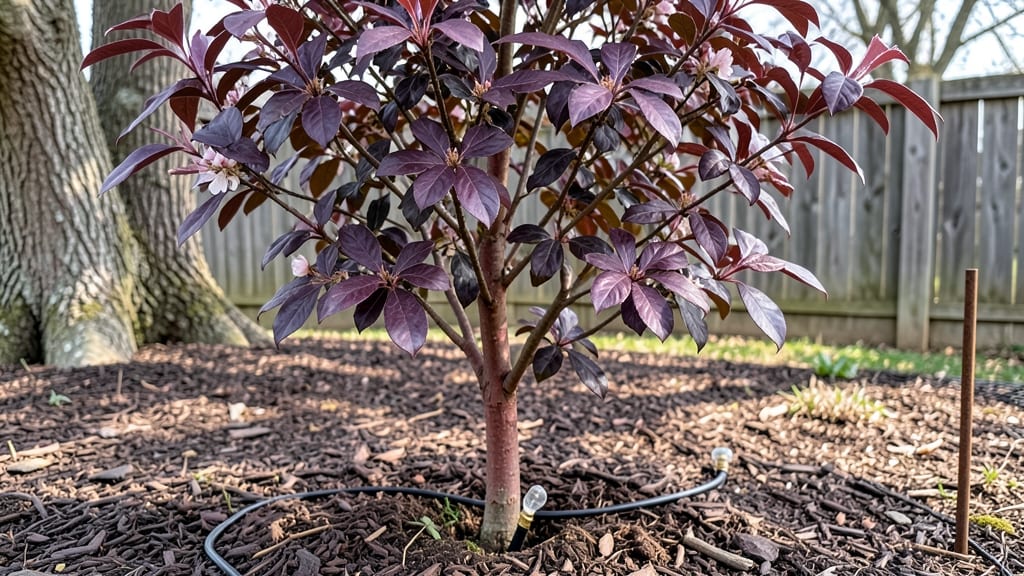
That deep purple foliage transforms your garden into a living painting—plum color trees like Prunus cerasifera bring drama and texture year-round. I planted mine as a bold statement piece near the patio, and now neighbors ask which "magic tree" it is every time they visit.
The secret isn’t just the variety—it’s the pruning rhythm that keeps those rich hues vibrant and the canopy dense enough to cast dappled shade.
Most people prune once in late winter, but I’ve found year-round light trims (spring, summer, and fall) prevent leggy growth and encourage tighter branches. You’ll need sharp bypass pruners, a ladder for higher branches, and about 30 minutes every few months—no fancy tools, just strategic cuts.
The payoff? A tree that looks intentional, not wild, with fragrant spring blossoms as a bonus.
By summer, your tree will be a lush, jewel-toned centerpiece that draws hummingbirds and complements everything from roses to lavender. The foliage deepens in fall, and even winter’s bare branches have character.
Imagine sipping coffee under its canopy or using it as a striking border for your driveway—this isn’t just a tree, it’s a design anchor that works in every season.
Works for small yards (dwarf varieties) or as a statement tree in larger spaces. The key is matching your pruning schedule to the tree’s growth cycles—more aggressive in spring, lighter touches in summer. Let’s make yours the talk of the neighborhood!
📚 In This Guide
- What you need
- Instructions
- Tips and common mistakes
- Wrapping up and next steps
What you need
- ● Pruning shears: Bypass pruners (for cuts under ½ inch thick) and anvil pruners (for thicker branches). Opt for sharp, stainless steel blades to avoid crushing stems.
- ● Loppers: A pair with 18-24 inch handles for branches ½ to 2 inches in diameter.
- ● Pruning saw: A curved-tooth saw for branches over 2 inches thick (avoid pinching the bark).
- ● Disinfectant: 70% isopropyl alcohol or a bleach solution (1 part bleach to 9 parts water) to sterilize tools between cuts and prevent disease spread.
- ● Gloves: Heavy-duty gardening gloves (nitrile-coated for grip and protection from thorns).
- ○ Pruning sealant: Tree wound dressing (optional but helpful for large cuts to reduce sap loss).
- ● Ladder or step stool: Ensure it’s stable and tall enough to reach the tree’s canopy safely.
- ● Heavy-duty trash bags: For collecting pruned branches and debris.
- ● Notebook & pencil: To sketch a pruning plan and track cuts.
- ● Safety gear: Safety glasses (to shield from flying debris) and earplugs (if using a chainsaw for thick branches).
- ● Extension pole pruners: For high branches without a ladder.
- ● Tree growth regulator: Like hydrogen peroxide (3%) to disinfect cuts and promote faster healing.
- ● Mulch: Organic mulch (wood chips or straw) to protect the root zone post-pruning.
Step-by-step guide for pruning a plum color tree
Here’s how I maintain a plum color tree’s lush, fragrant canopy year-round—balancing structure, airflow, and seasonal growth.
Assess the Tree’s Structure in Early Spring
Begin pruning in late winter or early spring, just as buds swell but before new growth starts. This timing avoids damaging tender shoots and aligns with the tree’s natural dormancy break. Inspect the canopy for dead, diseased, or crossing branches—these are your first targets. Use sharp pruning shears to make clean cuts at a 45-degree angle, just outside the branch collar.
Look for water sprouts (thin, upright shoots) and suckers (shoots growing from the base). These sap energy from the tree and disrupt airflow. Remove them entirely—don’t leave stubs, as they invite rot. If a branch is larger than ¼ inch in diameter, use a pruning saw for a smooth cut. Always sterilize tools with rubbing alcohol between cuts to prevent bacterial spread.
Thin the Canopy for Airflow and Light Penetration
Step back and visualize the tree’s shape. Aim for an open-center form, where light reaches the inner branches. Remove 10-20% of the total foliage in this phase—never more, as drastic cuts stress the tree. Focus on branches growing inward or rubbing against others; these compete for resources and create weak wood. Cut back to the nearest lateral branch or bud, ensuring the remaining branch is at least ⅓ the diameter of the parent branch for stability.
Watch for overcrowded areas where leaves cluster too densely. These spots trap humidity, promoting fungal diseases like powdery mildew. Thin selectively to leave 6-8 inches of space between branches. If you’re unsure, prioritize removing branches that block sunlight from reaching the lower canopy—this encourages even growth and fruit production.
Refine Shape and Encourage Blooms in Late Spring
After the initial thinning, shift to fine-tuning the tree’s form. Plum color trees bloom profusely on one-year-old wood, so avoid heavy pruning of flowering branches. Instead, trim back last year’s growth by ⅓ to ½ to stimulate new, vigorous shoots. Use hand pruners for precision, and make cuts just above an outward-facing bud to direct growth away from the center.
Here’s the thing—don’t prune during flowering. Wait until after blooms fade to avoid removing potential fruit. If you notice weak, leggy branches, cut them back aggressively to encourage bushier growth. For larger limbs, use the three-cut method: Undercut, then cut above, and finally remove the branch. This prevents bark tearing and ensures a clean wound.
Light Summer Pruning for Maintenance and Disease Prevention
Mid-summer is for corrective pruning—not shaping. Remove any damaged, broken, or storm-affected branches immediately to prevent pests and disease from entering the tree. If you spot suckers or water sprouts that appeared after spring, trim them back now. These shoots divert energy from fruit production and a dense canopy.
Keep an eye out for diseased leaves or branches. If you see signs of black knot (a common plum disease), prune 6 inches below and above the infected area to ensure removal of the fungus. Sterilize tools between cuts, and dispose of infected material in the trash—not the compost. Avoid pruning on hot, humid days, as open wounds are more susceptible to infection.
Prepare for Winter with Minimal Pruning
In late fall, limit pruning to removing deadwood and crossing branches. Avoid heavy cuts now, as the tree is entering dormancy and needs energy reserves for spring growth. Focus on cleaning up the canopy—remove any mummified fruit (dried, shriveled plums) that could harbor pests or diseases. These can be identified by their wrinkled, brown appearance and often cling to branches.
This is also the time to sanitize the tree’s base. Rake up and remove fallen leaves, especially if they show signs of disease. Apply a 2-3 inch layer of mulch (using the 4 cubic feet of mulch from your materials) around the tree’s drip line, keeping it 6 inches away from the trunk. This protects roots from freezing temperatures and retains moisture for early spring growth.
Tips & tricks for pruning a plum color tree
Pruning a plum color tree properly transforms it from a tangled mess into a fragrant, productive powerhouse. Here’s what I’ve learned after years of trial and error—plus the secrets that keep my trees thriving.
Timing is Everything: The late winter to early spring window (just as buds swell) is critical because it aligns with the tree’s natural dormancy break. Pruning too early risks damaging tender new growth, while waiting too late can stress the tree before spring. I mark my calendar for the first warm day after a hard frost—this is when my plum color trees are most resilient. If you miss this window, avoid pruning until after blooms fade to protect potential fruit.
The 45-Degree Angle Rule: When making cuts, always angle them at 45 degrees just outside the branch collar (that swollen area where the branch meets the trunk). This technique prevents water from pooling on the wound, which leads to rot. For branches larger than ¼ inch in diameter, use a pruning saw to avoid tearing the bark. I’ve seen too many trees develop cankers from improper cuts—this simple detail makes all the difference in long-term health.
Seasonal Pruning Strategy: Spring is for shaping (10-20% of foliage removal), summer is for maintenance (corrective pruning only), and fall is for cleanup (removing deadwood and diseased branches). In late spring, focus on trimming last year’s growth by ⅓ to ½ to encourage vigorous new shoots—just avoid pruning during flowering. The three-cut method for larger limbs (undercut, then cut above, then remove) prevents bark tearing and ensures clean wounds that heal faster. This method is especially important for plum color trees, which are prone to splitting if cuts aren’t made properly.
Disease Prevention: Sterilize your tools with rubbing alcohol between cuts to prevent bacterial spread, and dispose of infected material in the trash—not the compost. Black knot fungus is particularly aggressive on plum trees, so prune 6 inches below and above any infected area. I also avoid pruning on hot, humid days because open wounds are more susceptible to infection. If you notice mummified fruit in late fall, remove it immediately—these dried plums can harbor pests and diseases over winter.
Pro Tips for Plum Color Tree
- Pruning a plum color tree properly transforms it from a tangled mess into a fragrant, productive powerhouse.
- Timing is Everything: The late winter to early spring window (just as buds swell) is critical because it aligns with the tree’s natural dormancy break.
- The 45-Degree Angle Rule: When making cuts, always angle them at 45 degrees just outside the branch collar (that swollen area where the branch meets the trunk).
Frequently asked questions
Got questions about keeping your plum color tree lush, fragrant, and vibrant year-round? Here are some of the most common concerns—and their solutions!
When is the best time to prune a plum color tree for maximum growth?
Prune your plum color tree in late winter or early spring (just before buds swell) to encourage dense, fragrant foliage. Avoid heavy pruning in fall—it can stress the tree before winter. Light shaping in summer (after flowering) is fine, but focus on removing dead or crossing branches.
How much can I trim back without harming the tree?
You can safely remove up to 25-30% of the tree’s canopy in a single pruning session. For plum color trees, aim for selective trimming—focus on dead wood, weak growth, and branches rubbing together. Avoid over-pruning; it reduces flowering and weakens the tree long-term.
Why does my plum color tree have sparse foliage despite regular pruning?
Sparse foliage often stems from over-pruning, poor soil nutrition, or root-bound conditions. Check for compacted roots or nutrient deficiencies (test soil pH—plum color trees prefer 6.0-7.0). Fertilize lightly in spring with balanced 10-10-10 and mulch to retain moisture.
Can I prune a plum color tree in containers or small spaces?
Yes! Container-grown plum color trees thrive with annual pruning to control size. Use dwarf varieties if space is tight, and prune aggressively in early spring to encourage bushier growth. Ensure the pot has drainage holes and repot every 2-3 years to prevent root circling.
Should I prune plum color trees in winter?
Light pruning (removing broken branches) is safe in winter, but avoid heavy cuts—it can invite disease or pests. Wait until dormancy breaks (late winter) to shape the tree. If you must prune in cold months, do so on dry, frost-free days to minimize stress.
Pro Tip:
Use sterilized pruners (rubbing alcohol or bleach wipe) to prevent bacterial spread. Disinfect tools between cuts, especially if your tree has signs of plum pox virus or fungal spots. Healthy tools = healthier growth!
Wrapping up and next steps
Transforming your plum color tree into a lush, fragrant masterpiece is well within reach with the right techniques! 🌿 Whether you’re a seasoned gardener or just starting, year-round pruning unlocks its full potential—denser foliage, vibrant blooms, and that signature aromatic charm. Remember, consistency and patience are key.
Ready to take the next step? Bookmark this guide, grab your pruners, and schedule your first pruning session this month! Your plum tree—and your senses—will thank you. 🌸