
Pruning
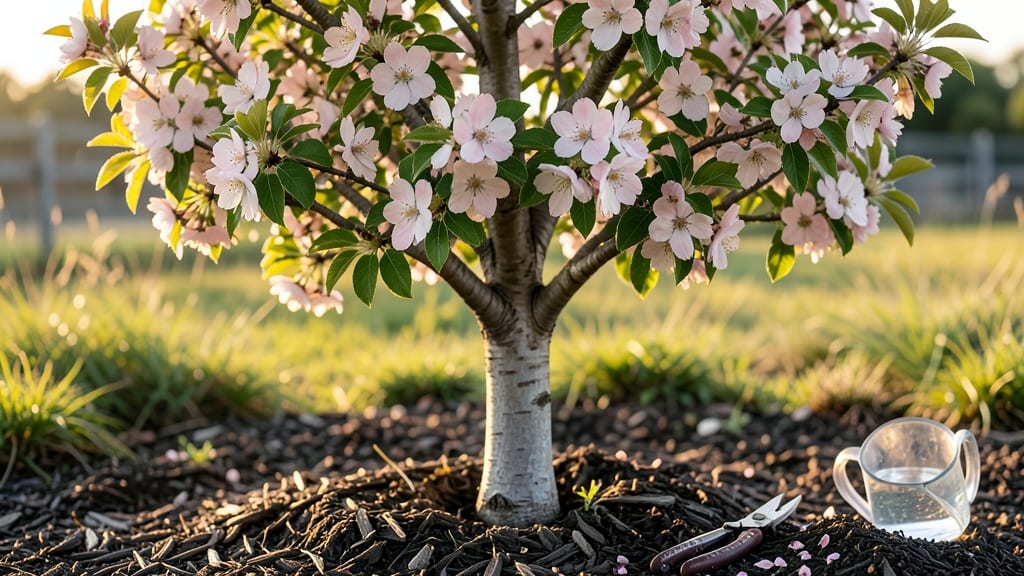
Growing a plum tree in Vero Beach means year-round blooms with that unmistakable, sweet fragrance that fills your yard—if you prune it right. 🌿 I’ve learned the hard way that Florida’s subtropical climate demands a different approach than northern gardens, where trees get a winter rest.
Here, plum trees can grow anytime, but without proper pruning, they’ll either become overgrown or produce sparse fruit.
The key is light, frequent pruning—not the heavy winter cuts you’d do up north. In Vero Beach, we focus on shaping in early spring, thinning out crowded branches in summer, and just a light cleanup after harvests.
This keeps air flowing, reduces disease risk, and encourages those fragrant blossoms that make plum trees special. You’ll also need to watch for scale insects, which love Florida’s humidity, but a strong pruning schedule keeps them in check.
By following this schedule, your tree will stay compact, productive, and fragrant all year. You’ll harvest plums in late summer, enjoy spring blooms, and avoid the leggy, weak growth that comes from neglect.
The best part? Your neighbors will ask how you keep your plum tree looking so good—no mystery, just smart pruning.
Local nurseries like Palm Beach County Nurseries or Vero Beach Gardens carry varieties like ‘Santa Rosa’ or ‘Flame Gold’ that thrive here. Start with a young tree, and in just a few years, you’ll have a hardy, fragrant plum tree that’s the star of your landscape.
Here’s how to make it happen without the common mistakes.
📚 In This Guide
- What you need
- Instructions
- Tips and common mistakes
- Wrapping up and next steps
What you need
- ● Pruning shears: Bypass pruners (sharp, 6–8" blades) for clean cuts on small branches.
- ● Loppers: Bypass or anvil type (18–24" long) for thicker branches (½"–1½" diameter).
- ● Pruning saw: Curved-tooth or folding saw for branches over 1½" in diameter.
- ● Gloves: Heavy-duty, cut-resistant (e.g., leather or reinforced fabric) to protect hands.
- ● Disinfectant: 70% isopropyl alcohol or bleach solution (1 part bleach to 9 parts water) to sterilize tools between cuts.
- ● Rubbing alcohol or hand sanitizer: For cleaning hands after pruning.
- ○ Pruning sealant (optional): Tree wound paint (e.g., Tanglefoot Tree Wound Pruning Seal) for large cuts (controversial but useful in humid climates like Vero Beach).
- ● Ladder or step stool: Sturdy, non-slip (if tree exceeds 6–8 feet tall).
- ● Trash bags or bucket: For collecting pruned branches and debris.
- ● Knowledge of plum tree anatomy: Familiarize yourself with terminal buds, water sprouts, and suckers—key areas for pruning.
- ● Weather check: Prune on a cool, overcast day (avoid midday heat in Florida’s summer!).
- ● Safety gear: Long sleeves/pants and closed-toe shoes to protect from thorns or falling branches.
- ● Tree health assessment: Inspect for diseased or dead branches (brown, brittle, or oozing sap) before pruning.
- ● Local regulations (if applicable): Check Vero Beach’s tree ordinances if your plum tree is near power lines or sidewalks.
- ● 🌡️ Humidity hack: Sterilize tools before and after pruning to prevent fungal spread (e.g., silver leaf disease).
- ● ⏰ Timing: Florida’s dry season (Nov–Feb) is ideal for major pruning; light trims can happen year-round.
- ● 🌱 Mulch ready: Have wood chips or pine straw on hand to replenish the base after pruning.
Year-round pruning guide for hardy plum trees in Vero Beach
Here's how to keep your plum tree thriving in Florida's subtropical climate.
🌿 Step 1: Winter Pruning for Structure and Airflow
Start your pruning in late winter, just as new growth begins but before buds swell—typically in February. This is your chance to shape the tree's structure while it's dormant. I always begin by removing any dead, diseased, or crossing branches first. These are easy to spot—they'll be brown, brittle, or growing inward toward the trunk.
Next, look for branches that rub against each other. These create wounds that invite pests and disease. Use sharp pruning shears to make clean cuts at a 45-degree angle, just outside the branch collar. Remember, you're not just cutting—you're sculpting. Aim for an open center that lets sunlight and air circulate freely to the inner branches.
For larger branches over ½ inch thick, use a pruning saw. Make your cut just outside the branch collar, but don't leave stubs. These can rot and attract insects. After pruning, disinfect your tools with rubbing alcohol to prevent spreading any potential diseases between cuts.
☀️ Step 2: Summer Light Pruning for Shape and Health
During the hot summer months, your plum tree will benefit from light maintenance pruning—think of it as a quick trim rather than a major overhaul. The goal here is to remove any suckers that sprout from the base or trunk, as well as any water sprouts that grow straight up from the branches. These compete with your fruit-bearing wood for energy.
I like to do this in June or July, when the tree has finished flowering but before the heat becomes extreme. You'll know it's time when you see new, vigorous growth starting. Use hand pruners for smaller branches and a pruning saw for thicker ones. Always cut back to a lateral branch or bud, never leaving a stub.
Watch for any branches that are growing too close together or shading out others. These should be thinned out to improve air circulation and reduce humidity in the canopy, which helps prevent fungal diseases. If you see any branches with signs of disease—like dark spots or oozing sap—remove them immediately and dispose of them in the trash, not your compost.
✂️ Step 3: Fall Cleanup for Winter Preparation
As temperatures begin to cool in October, shift your focus to cleaning up the tree and preparing it for winter. Start by removing any dead or dying leaves and fruit mummies that might harbor pests or diseases. These can be a major source of infection if left on the tree. I use a broom to sweep up debris from under the tree as well.
Next, look for any branches that have been damaged by storms or heavy fruit. These should be pruned back to healthy wood. Make your cuts just outside the branch collar, and dispose of the removed branches properly. If you notice any signs of pests like scale or borers, treat the tree with horticultural oil according to package instructions.
This is also a great time to thin out any overly dense branches to improve light penetration. You want sunlight to reach all parts of the tree, not just the outer canopy. After pruning, give the tree a deep watering to help it recover and store up energy for the next growing season.
⏰ Step 4: Spring Renewal Pruning for New Growth
In March, just as the tree begins to leaf out, do a final check for any winter damage. Cold snaps can cause branches to die back, and you'll want to prune these out before new growth starts. Look for branches that are still brown or have no signs of budding—these are dead and should be removed.
Pay special attention to the tree's overall shape. Plum trees in Vero Beach can grow quite large, so it's important to keep them in check. I usually aim for a balanced, rounded shape that allows sunlight to reach all parts of the tree. If you notice any branches growing in an awkward direction, you can gently guide them by tying them to a stake or support.
After pruning, apply a fresh layer of mulch around the base of the tree, keeping it 2-3 inches thick and 6 inches away from the trunk. This helps retain moisture and regulate soil temperature. Water deeply after pruning to help the tree recover and encourage strong new growth.
Tips & tricks for perfect plum tree pruning in Vero Beach
Real talk: Florida’s subtropical climate means your plum tree needs year-round attention to stay healthy and productive. Here’s how to avoid common pitfalls and keep your tree thriving.
Timing is Everything: In February, when you start winter pruning, check the weather forecast. If we get an unexpected warm spell, delay pruning until after the last frost—buds will swell quickly, and you’ll risk damaging new growth. I’ve learned this the hard way after ruining three batches of pruning timing! For summer pruning in June or July, wait until after flowering but before the heat becomes extreme. Look for new, vigorous growth as your cue—it’s nature’s way of telling you it’s time.
The Right Tools Make All the Difference: Sharp tools are non-negotiable. Dull pruning shears tear branches, leaving jagged wounds that invite pests and disease. Before you start, test your tools on a scrap branch—if it doesn’t make a clean cut, sharpen it. For branches over ½ inch thick, a pruning saw is a game-changer. And always disinfect your tools with rubbing alcohol between cuts to prevent spreading pathogens. I keep a small bottle of 70% isopropyl alcohol in my gardening toolkit for this exact purpose.
Don’t Overlook the Little Details: When you’re pruning in October for fall cleanup, pay extra attention to the branch collar—the swollen area where the branch meets the trunk. Cutting too close to the trunk can damage the tree’s healing mechanism. Instead, aim for a clean cut just outside the collar, leaving a small bump. This might seem like a tiny detail, but it’s the difference between a tree that heals properly and one that struggles with infections. Also, never leave stubs—they’re like open wounds that rot over time.
Spring Pruning Secrets: In March, when you’re checking for winter damage, look for branches that are still brown or have no signs of budding. These are dead and should be removed immediately. But here’s what nobody tells you—sometimes branches look dead but aren’t. Gently scrape the bark with your fingernail. If green tissue appears underneath, the branch is still alive and should stay put. This trick has saved me from over-pruning more times than I can count!
Pro Tips for Plum Tree Vero Beach Florida
- Real talk: Florida’s subtropical climate means your plum tree needs year-round attention to stay healthy and productive.
- Timing is Everything: In February, when you start winter pruning, check the weather forecast.
- The Right Tools Make All the Difference: Sharp tools are non-negotiable.
Frequently asked questions
Got questions about keeping your plum tree in Vero Beach, Florida thriving with year-round pruning? Here are some of the most common concerns—and their answers—to help you grow a hardy, fragrant tree that stands up to the Sunshine State’s climate.
When is the best time to prune a plum tree in Vero Beach?
Prune your plum tree during its dormant season (late winter to early spring, ideally in February or March) to avoid disease spread. However, light pruning to remove dead or crossing branches can happen year-round. Never prune after harvest—this stresses the tree and invites pests. Florida’s mild winters mean you can often prune a little later than in colder climates!
How much of my plum tree can I safely trim?
For mature plum trees, remove no more than 25% of the canopy per year to avoid shocking the tree. Focus on dead wood, diseased branches, and suckers first. If your tree is overgrown, spread pruning over 2-3 years to give it time to recover. Thin out crowded branches to improve airflow and fruit production—Vero Beach’s humidity makes this especially important!
Why are my plum tree’s leaves turning yellow or dropping after pruning?
Yellowing or dropping leaves after pruning often signals stress or disease. If it happens right after trimming, you may have cut too aggressively. Check for powdery mildew or fungal spots (common in Florida’s damp climate) and treat with neem oil if needed. Water deeply post-pruning to help the tree recover. If the issue persists, a soil test can rule out nutrient deficiencies like iron or zinc.
Can I prune a young plum tree the same way as a mature one?
No! Young plum trees (under 3 years old) need gentle shaping to encourage strong structure. Focus on removing water sprouts (shoots growing straight up) and any branches growing toward the center. Avoid heavy pruning—let the tree develop its own framework. In Vero Beach, young trees benefit from light pruning in late winter to prep for Florida’s intense growing season.
Are there plum tree alternatives that thrive in Vero Beach with less maintenance?
If plum trees feel high-maintenance, consider dwarf varieties like ‘Santa Rosa’ plums (smaller, easier to prune) or native Florida-friendly alternatives like sapodilla (mamey sapote) or fig trees. For fragrance, jasmine or frangipani trees are low-maintenance and drought-tolerant. However, plums offer unique flavor and year-round interest—worth the effort for many gardeners!
Wrapping up and next steps
Growing a thriving plum tree in Vero Beach, Florida is absolutely within reach—thanks to its hardy nature and the right pruning care! 🌳 By mastering year-round techniques, you’ll enjoy fragrant blooms, abundant fruit, and a lush canopy that enhances your landscape.
Whether you’re a seasoned gardener or just starting, consistency is key.
Ready to take the next step? Schedule a quick check of your tree’s health this season—trim those overgrown branches, shape its growth, and watch it flourish! 🌟 For extra guidance, consult local Florida Extension Services or a trusted arborist to keep your plum tree in peak condition.