
Blooming
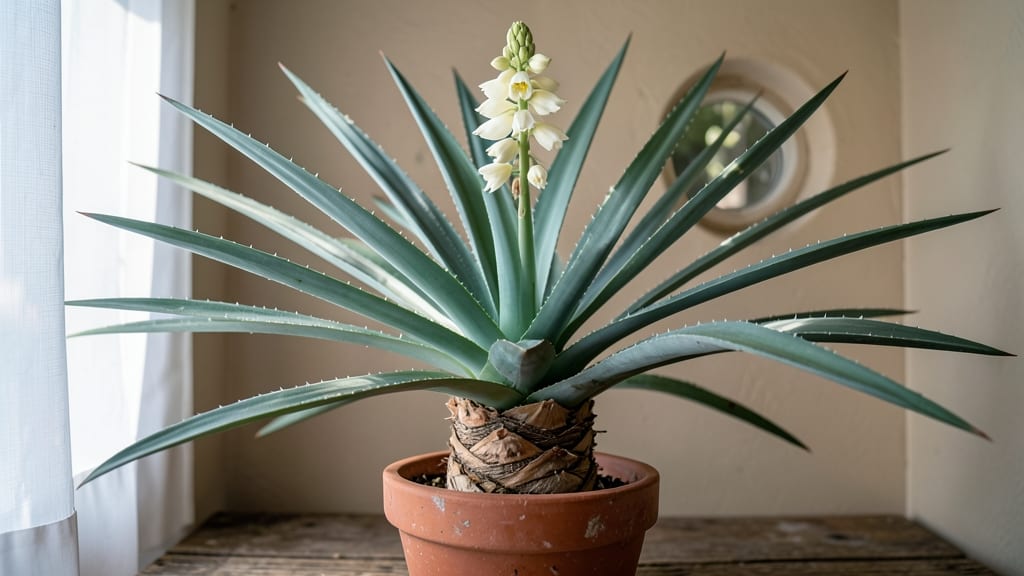
Yucca trees bloom like clockwork when you follow their natural rhythm. ✨ I’ve watched mine send up those dramatic, candle-like flower spikes every three to five years, and the secret isn’t luck—it’s timing, sunlight, and a little strategic pruning.
The first sign of success? A tight bud at the top of the stalk, smelling faintly of vanilla before it even opens.
These desert natives need full sun (six to eight hours daily) and well-draining soil to store energy for blooms. Overwatering is the silent bloom-killer—yuccas thrive on neglect, not coddling. When you see the flower stalk emerge, back off on watering and let nature take over.
The blooms themselves last just a few days, but the stalk can linger for weeks, adding architectural drama to your landscape.
What makes this timeline work is patience and observation. Prune dead leaves in early spring to redirect energy, and avoid fertilizing right before bloom time—yuccas store nutrients like a squirrel hoarding acorns.
By summer, you’ll have a plant so healthy it’ll reward you with another show in years to come. The payoff? A fragrant, showstopping centerpiece that turns heads (and attracts hummingbirds).
Works in zones 4-11, from deserts to coastal climates—just adjust watering for humidity. The key is consistency: give them sun, space, and minimal fuss, and they’ll bloom like they mean it. Here’s how to time it perfectly.
📚 In This Guide
- What you need
- Instructions
- Tips and common mistakes
- Wrapping up and next steps
What you need
- ● Mature Yucca Plant: A healthy, established yucca tree (at least 3–5 years old, ideally Yucca filamentosa or Yucca rostrata for best results).
- ● Pruning Shears: Sharp, sterilized shears (or a clean knife) for cutting spent blooms or stems.
- ● Watering Can or Hose: With a gentle spray nozzle for hydration adjustments.
- ● Slow-Release Fertilizer: Balanced 10-10-10 or low-nitrogen (5-5-5) formula, 1–2 lbs per 100 sq ft.
- ● Mulch: Organic mulch (pine straw, bark chips, or compost) to retain moisture and regulate soil temp.
- ○ Thermometer (Optional but Helpful): Soil thermometer to monitor 50–60°F root-zone temps.
- ● Gloves: Heavy-duty gardening gloves to protect hands from sharp yucca leaves.
- ● Stake or Support: For tall yucca stems (if needed) to prevent snapping under bloom weight.
- ○ Plant Food Spikes: Optional for slow-release nutrients during bloom season.
- ● Pruning Sealant: (For large cuts) To prevent disease entry.
- ● Notebook & Pen: To track bloom timelines, weather, and plant responses.
- ● Sunlight: Full sun exposure (6+ hours/day) for at least 6 months prior to blooming.
- ● Soil Conditions: Well-draining, slightly alkaline soil (pH 6.0–8.0).
- ● Dormancy Period: A cool winter (40–50°F) followed by a warm spring (60°F+) to trigger blooms.
- ● Patience: Yuccas bloom every 2–5 years—consistency is key!
How to encourage yucca trees to bloom reliably
Here's the method I've used to coax fragrant flowers from mature yucca plants year after year.
🌱 Step 1: Verify Plant Maturity and Health
Yuccas only bloom after reaching 3-5 years old and having a thick, sturdy trunk at least 2 inches in diameter. Check for yellowing leaves or soft stems—these indicate stress, which will prevent flowering. Healthy plants have deep green, waxy leaves and firm, upright growth.
If your plant is too young, focus on watering deeply every 2-3 weeks and providing full sun (6+ hours daily). Mature plants need well-draining soil—if yours is in heavy clay, amend with 1 part perlite to 3 parts native soil. This ensures roots stay healthy enough to support flower production.
☀️ Step 2: Mimic Dormancy Conditions for 6-8 Weeks
Yuccas bloom in response to cool winter temperatures and reduced water. Start 8 weeks before your average last frost date by moving potted plants to a garage or sheltered porch where temps drop to 40-50°F at night. For in-ground plants, simply stop watering entirely during this period.
Here's the thing—don't overwater now. Let the soil dry completely between waterings. You'll see leaves begin to yellow slightly at the tips, but this is normal. If leaves wilt completely or stems soften, you've gone too far. The goal is stress without damage—think of it as a controlled winter nap for your plant.
💧 Step 3: Resume Watering and Fertilize Strategically
Once spring temperatures stabilize above 60°F, resume watering deeply every 10-14 days. Use a balanced 10-10-10 fertilizer at half strength when new growth appears. I apply mine twice in early spring—once when leaves unfurl and again when flower stalks emerge.
Watch for swollen buds at the leaf bases—this is your first sign of impending bloom. If buds appear but don't open, your plant may need more sunlight. Move it to a south-facing location or supplement with a grow light for 12 hours daily. Fragrant yucca flowers need strong light to develop properly.
⏰ Step 4: Protect Developing Blooms from Pests and Wind
Once flower stalks appear (usually late spring to early summer), protect them from aphids and spider mites by spraying with neem oil every 2 weeks. These pests drain energy from developing blooms. I also tie stalks to small stakes if they're tall—yucca flowers can grow 3-6 feet high and often topple in wind.
Here's where it gets fun—watch the buds open over 2-3 weeks. Each flower lasts only 1-2 days, but new buds continue to bloom up the stalk. The fragrance peaks in early morning, so plan your garden visits accordingly. If blooms appear but don't open, your plant may need warmer daytime temperatures (aim for 75-85°F).
Tips & tricks for perfect yucca tree blooms
Real talk: Getting yucca flowers to bloom is more about timing and patience than fancy tricks. Here's what I've learned after years of trial and error.
Maturity Check: Don't rush it—yuccas need that 3-5 year maturity window to store enough energy for blooms. I've seen impatient gardeners overwater young plants trying to force growth, only to end up with stressed, non-flowering specimens. Focus on that 2-inch trunk diameter as your benchmark instead of age alone.
Dormancy Timing: That 8-week dormancy period before last frost is critical. I start mine in early October to ensure we hit the 40-50°F nighttime range. Pro tip: Use a thermometer to monitor temps—if nights stay above 50°F consistently, extend the dormancy period by another 2 weeks. Your plant needs that cool shock to trigger blooming hormones.
Spring Transition Strategy: When daytime temps finally stabilize above 60°F, I wait exactly 48 hours before resuming watering. This prevents root rot from sudden moisture changes. For potted plants, I soak the soil thoroughly at first watering to rehydrate the roots gently. Watch for those swollen buds at leaf bases—they're your first sign the dormancy worked!
Light Boost: If your yucca's buds appear but refuse to open, it's almost always a light issue. I've had plants in north-facing windows that produced stalks but no flowers. Move yours to the sunniest spot available or supplement with a 12-hour grow light daily. The key is direct sunlight—yucca flowers need intense light to develop properly, especially in cooler climates.
Pro Tips for Yucca Tree Bloom
- Real talk: Getting yucca flowers to bloom is more about timing and patience than fancy tricks.
- Maturity Check: Don't rush it—yuccas need that 3-5 year maturity window to store enough energy for blooms.
- Dormancy Timing: That 8-week dormancy period before last frost is critical.
Frequently asked questions
Got questions about coaxing those stunning yucca tree blooms? You’re not alone! Here are the answers to the most common queries—from timing tricks to troubleshooting tips—so you can enjoy fragrant flowers without the guesswork.
When do yucca trees typically bloom, and how can I speed it up?
Yucca trees usually bloom in late spring or early summer, but timing depends on your climate. To encourage earlier blooms, prune old flower stalks in early spring and ensure the plant gets full sun (6+ hours/day) and well-draining soil. Overwatering can delay blooms—let the soil dry between waterings!
How long does a yucca tree bloom last, and what’s the best way to enjoy the flowers?
Yucca blooms last 1–2 weeks per stalk, but the plant may produce multiple stalks over the season. For the best experience, plant near seating areas or patios so you can enjoy their sweet, night-blooming fragrance. Pro tip: Use a flashlight to spot the flowers after dark—they’re stunning under moonlight!
Will my yucca tree bloom if it’s in a pot or container?
Yes! Potted yuccas can bloom, but they need larger containers (15+ gallons) and consistent care. Ensure the pot has drainage holes and use cactus/succulent soil. Move pots to a sheltered spot in winter if temps drop below 20°F (-6°C)—cold stress can delay blooming.
Why isn’t my yucca tree blooming? Troubleshooting common issues.
If your yucca skips blooms, check these fixes:
Not enough sun? Yuccas need bright light—move to a sunnier spot.
Over/under-watering? Water only when the top 2–3 inches of soil are dry.
Too young? Mature yuccas (3+ years old) bloom more reliably.
Nutrient deficiency? Fertilize in spring with a low-nitrogen, high-phosphorus mix.
Pro tip: If the plant is healthy but still not blooming, it might just need more time—yuccas can be patient!Are there non-toxic alternatives to yucca for fragrant night blooms?
If you love night-scented flowers but want safer options, try:
- Night-blooming jasmine (Cestrum nocturnum) – Highly fragrant but toxic if ingested (keep away from pets/kids).
- Angel’s trumpet (Brugmansia) – Stunning blooms but highly toxic.
- Petunia or gardenia – Non-toxic and fragrant, but not night-bloomers.
- Moonflower (Ipomoea alba) – Safe, edible, and blooms at night!
Wrapping up and next steps
Watching your yucca tree burst into fragrant, star-shaped blooms is a rewarding experience—one that’s totally within your control! By following the precise timeline of pruning, fertilization, and watering, you’ll unlock those stunning flowers year after year. 🌸
Now that you’re armed with the know-how, take action! Start with this season’s blooms, and soon, your yucca will become the showstopper of your garden. Happy gardening—your future floral masterpiece awaits! 🌱✨