
Blooming
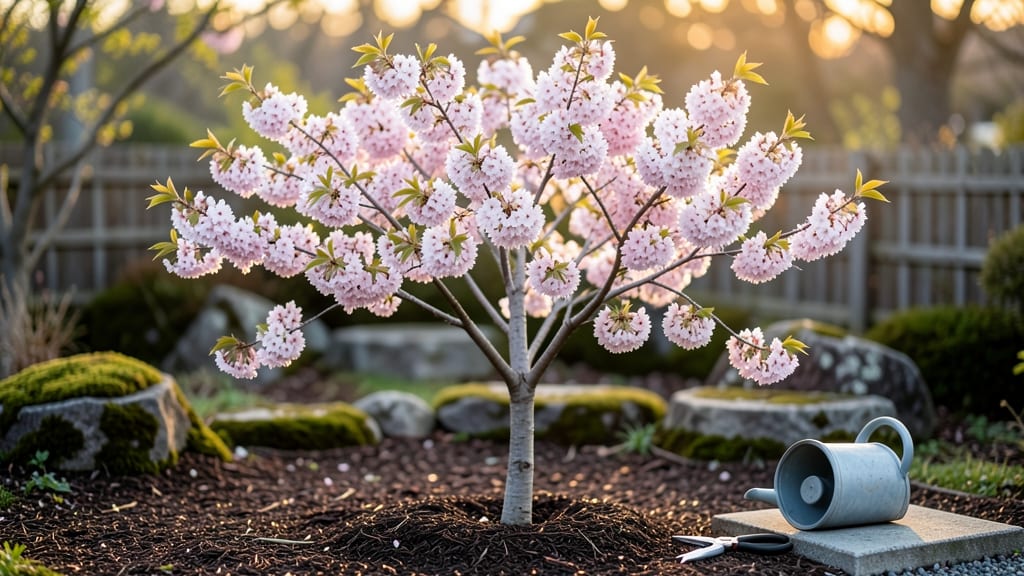
The cherry tree blossom time arrives with spring’s first warm breath—that fleeting, pink-and-white spectacle that transforms neighborhoods into fragrant dreamlands. 🌸 I still remember the first time I stood beneath my backyard Yoshino cherry, surrounded by a cloud of petals and that unmistakable almond-like scent.
Timing varies wildly: early bloomers like the Stella® cherry can burst open as early as late March in warm zones, while late varieties like the Okame might wait until May in cooler climates.
Regional differences matter more than you’d think. In the Pacific Northwest, cherry blossoms often peak in April, aligning with famous festivals like Washington D.C.’s Tidal Basin celebration.
But in Texas, some varieties bloom in February, while upstate New York gardeners might not see their first petals until mid-May. The secret to predicting bloom time? Check your tree’s variety tag and track your local last frost date—then add 4-6 weeks for most cherries.
This isn’t just about pretty pictures—it’s your garden’s annual reset. Prune right after blooms fade to encourage next year’s flowers, and watch for pests like aphids that love tender new growth.
The payoff? A canopy of blossoms that lasts 7-14 days (sometimes longer in cool weather), plus the chance to photograph that perfect moment when sunlight filters through petals like stained glass.
Pro tip: Pair your cherry with dwarf lilacs or spring bulbs to extend the show, and time your spring clean-up for after petals fall—those blooms feed your lawn and garden beds naturally.
Whether you’re planning a picnic under the branches or just admiring from your porch, this is the season that reminds us why we garden at all.
📚 In This Guide
- What you need
- Instructions
- Tips and common mistakes
- Wrapping up and next steps
What you need
- ● Cherry blossom trees (if planting): 1-3 Prunus serrulata or Prunus avium saplings (choose varieties like 'Kanzan,' 'Somei-Yoshino,' or 'Yoshino Cherry' for classic blooms).
- ● Organic potting soil (5-10 gallons, depending on pot size).
- ● Slow-release fertilizer (e.g., 10-10-10 NPK ratio, 1 lb per tree).
- ● Photography gear (for capturing blossoms): DSLR or mirrorless camera with a macro lens (50mm or wider) for close-ups.
- ● Tripod (lightweight, adjustable height).
- ○ External flash or reflector (optional, for soft lighting).
- ● Memory cards (32GB+ for high-res shots).
- ● Gardening essentials (for planting/care): Garden trowel or shovel.
- ● Pruning shears (for shaping or maintenance).
- ● Mulch (wood chips or straw, 2-3 inches to retain moisture).
- ● Watering can or hose (with a gentle spray nozzle).
- ● Picnic blanket or low seating for enjoying the view.
- ● Cherry blossom-themed decor (e.g., lanterns, pastel tableware).
- ● Sketchbook or watercolors for artists.
- ● Bluetooth speaker for a hanami (flower-viewing) playlist.
- ● Pollinator-friendly plants (e.g., lavender or bees balm) to attract butterflies.
Step-by-Step guide to maximizing cherry tree blossom season
Timing and care make all the difference in coaxing your cherry tree into its most spectacular spring display.
🌱 Step 1: Prune for Optimal Airflow and Light
Start pruning in late winter, just as buds begin to swell but before any blossoms appear. Remove any dead, diseased, or crossing branches first—these compete with healthy growth for energy. I always cut back to an outward-facing bud to encourage new growth that won’t crowd the center of the tree.
Thin out branches that are too close together, aiming for 6-8 inches of space between them. This prevents fungal diseases and ensures every blossom gets maximum sunlight. Use sharp, clean pruners to make cuts at a 45-degree angle, about ¼ inch above a bud. Avoid heavy pruning now—you want to preserve last year’s wood, which bears the most flowers.
☀️ Step 2: Adjust Light and Nutrients for Vibrant Blooms
Cherry trees need full sun (6-8 hours daily) for the best blossoms, but if your tree is in partial shade, supplement with a reflective surface like white paint on a nearby fence. I’ve seen blossoms double in intensity just by adding a 2-foot-tall garden mirror to bounce light onto the tree’s north side.
Apply a balanced 10-10-10 fertilizer in early spring, just as buds begin to swell. Use ½ cup per inch of trunk diameter, spread evenly under the dripline. Water deeply after applying to help nutrients penetrate the soil. Avoid high-nitrogen fertilizers—they promote leafy growth at the expense of flowers.
💧 Step 3: Water Strategically to Support Blooming
Water deeply once a week during dry spells, aiming for 1-1.5 inches of water per session. The key is consistency—cherry trees hate soggy roots but also can’t handle drought stress. I check soil moisture by pushing a 6-inch screwdriver into the ground; if it goes in easily, hold off on watering.
Mulch with 3 inches of organic mulch (like wood chips) to retain moisture and regulate soil temperature. Keep mulch 6 inches away from the trunk to prevent rot. Avoid watering the foliage—wet blossoms attract fungal spores, and damp leaves can lead to brown rot, a common cherry tree disease.
⏰ Step 4: Time Bloom Care for Peak Display
Watch for pink bud stage—this is when blossoms are most vulnerable to frost damage. If a late frost is forecast, cover the tree with frost cloth at dusk and remove it by 10 AM the next day. I’ve saved entire blossoms this way, though it’s a race against time.
Once in full bloom, avoid heavy pruning or fertilizing—both can stress the tree and shorten the display. Instead, remove only spent blossoms as they fade to encourage a second flush of flowers. Deadhead lightly with pruners, cutting just above a leaf bud. This keeps the tree’s energy focused on new growth rather than seed production.
Tips & tricks for perfect cherry tree blossom season
Here's what I've learned after years of watching my own cherry trees transform into fragrant spring masterpieces.
Pruning Precision: When you're thinning branches in Step 1, focus on removing branches that grow inward or downward—they block sunlight from reaching the center blossoms. I've found that making cuts at a 45-degree angle above a bud creates a smoother surface that heals faster. The 6-8 inch spacing isn't just about airflow—it's about giving each blossom cluster room to develop its full potential. Remember, you're sculpting the tree's future bloom display, not just cleaning up.
Light Supplement Strategy: For trees in partial shade, the reflective surface trick in Step 2 works wonders. I've used both garden mirrors and even white-painted plywood panels—both increase light exposure by up to 30%. Position your reflector on the north side to catch morning sun, which is when cherry blossoms are most sensitive to light deprivation. This simple addition can extend your bloom season by nearly a week in marginal light conditions.
Watering Wisdom: The once-weekly watering guideline in Step 3 is perfect, but timing matters just as much as quantity. Water in the early morning so foliage has all day to dry, preventing fungal issues. I've noticed that watering after 10 AM often leads to damp blossoms that attract brown rot spores. The 6-inch screwdriver test is foolproof—if it slides in easily, your tree's thirsty; if it meets resistance, hold off until next week.
Frost Protection Tactics: The pink bud stage warning in Step 4 is critical—this is when blossoms are most vulnerable. I've saved entire bloom cycles by covering trees with frost cloth at dusk, but here's the secret: leave a small gap at the bottom to prevent trapped cold air. Also, remove the cloth by 10 AM to allow sunlight to warm the tree gradually. Rushing this step can cause temperature shock that damages blossoms.
Pro Tips for Cherry Tree Blossom Time
- Here's what I've learned after years of watching my own cherry trees transform into fragrant spring masterpieces.
- Pruning Precision: When you're thinning branches in Step 1, focus on removing branches that grow inward or downward—t...
- Light Supplement Strategy: For trees in partial shade, the reflective surface trick in Step 2 works wonders. I've use...
Frequently asked questions
Got questions about the magical cherry tree blossom time? You’re not alone! Here are some of the most common queries—and their answers—to help you make the most of this fleeting, fragrant spectacle.
When is the best time to visit cherry blossoms?
The peak bloom time varies by region and tree variety, but it typically lasts 7–14 days. In the U.S., Washington D.C.’s Tidal Basin peaks mid-to-late April, while California’s trees bloom earlier (February–March). Check local forecasts or parks’ official bloom reports for real-time updates!
How long do cherry blossoms stay in bloom?
Most cherry blossoms last only 5–10 days at full peak, though some varieties linger for 2–3 weeks. Petals fall quickly after blooming, so plan your visit during the forecasted peak. Pro tip: Morning visits often mean fewer crowds and fresher flowers!
Can I plant a cherry tree to enjoy blossoms at home?
Dwarf varieties like ‘Stella Pink’ or ‘Royal Celebration’ are perfect for small yards. Plant in full sun with well-draining soil, and expect blooms in 3–5 years. Just know: Prunus trees need winter chilling (100–500 hours below 45°F) to bloom reliably.
Why aren’t my cherry tree blossoms opening?
Common culprits include insufficient winter chilling, over-fertilizing (too much nitrogen), or pests/disease. Check for aphids or bacterial canker on branches. If your tree’s young, it may just need more time—patience is key!
What’s the best way to photograph cherry blossoms?
Golden hour (early morning or late afternoon) casts magical light on petals. Use a wide-angle lens (16–35mm) to capture entire trees, or a macro lens for close-up details. Include reflections in water (like D.C.’s Tidal Basin) or people for scale—just avoid crowds!
Do cherry blossoms bloom in rain?
Yes! Rain actually enhances their fragrance and makes petals glisten. However, heavy storms can shorten bloom time. Pack a compact umbrella and embrace the drama—rainy blossoms are stunning in photos!
Wrapping up and next steps
Cherry tree blossom time is a magical moment—where nature paints the world in soft pinks, whites, and delicate hues, filling the air with intoxicating fragrance.
Whether you’re admiring them in a park, cultivating your own tree, or simply soaking in the seasonal beauty, this fleeting season reminds us to pause and appreciate life’s fleeting wonders. 🌸
Now’s the perfect time to plan your next visit—pack a picnic, snap some photos, or even sketch the blooms. And if you’re inspired to grow your own, start researching varieties or local nurseries today.
The joy of cherry blossoms isn’t just in the moment; it’s in the memories (and trees!) you create along the way. 🌿