
Trees
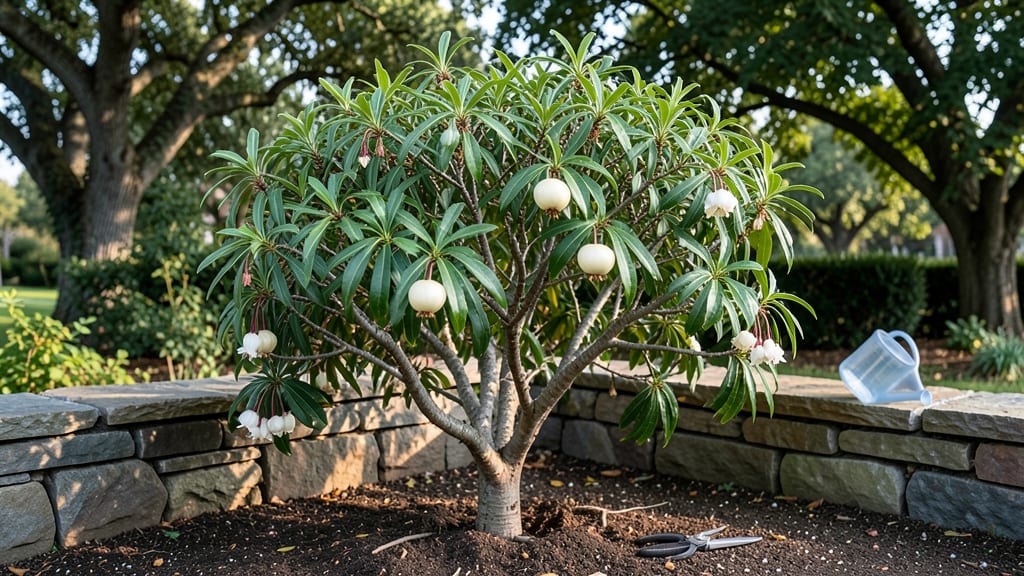
Growing a white pomegranate tree means bringing ethereal pink blooms and delicate fruit to your landscape—no tropical climate required. 🌿 I’ve nurtured these stunning trees in zones 7-11, and their cold-hardy varieties prove they’re far more adaptable than most gardeners realize.
The key isn’t just sunlight and water; it’s understanding their seasonal quirks, from winter dormancy to summer fruiting.
Start with well-draining soil—think sandy loam mixed with compost—and plant in full sun where it gets at least 6 hours of direct light daily. Water deeply once a week (more in extreme heat), but avoid soggy roots, their nemesis.
Prune lightly after flowering to shape the tree, and watch as those ivory-white flowers transform into jewel-toned fruit by late summer.
📚 In This Guide
- What you need
- Instructions
- Tips and common mistakes
- Wrapping up and next steps
What you need
- ● White pomegranate tree sapling (choose a healthy, disease-free 1-2 year old plant from a reputable nursery).
- ● Well-draining potting mix (for containers) or native soil amended with compost (for in-ground planting).
- ● Organic pomegranate fertilizer (low-nitrogen, high-phosphorus blend, e.g., 5-10-10 ratio).
- ● Mulch (wood chips or straw, 2-3 inches thick) to retain moisture and regulate soil temp.
- ● Drip irrigation system or soaker hose (for consistent watering, especially in hot climates).
- ● Garden trowel or spade (for planting and soil prep).
- ● Gloves (to protect hands from thorns and soil).
- ● Pruning shears (sterilized, for shaping and maintenance).
- ● Measuring tape or ruler (to ensure proper spacing, 10-15 ft apart for in-ground trees).
- ○ Container (optional)—at least 15-20 gallon pot with drainage holes if growing in a pot.
- ● Climate: Full sun (6-8+ hours daily) and USDA Zones 7-11 (hardy to ~10°F).
- ● Soil pH: Slightly acidic to neutral (6.0-7.0). Test your soil if unsure!
- ● Water access: Drought-tolerant once established, but needs deep watering 2-3x/week for the first year.
- ● Protection from wind (young trees are sensitive; consider a temporary windbreak if needed).
- ● Epsom salt (1 tbsp/month in water) for magnesium boost.
- ● Neem oil (for pest prevention, especially against aphids).
- ● Tree support stake (for young trees in windy areas).
- ● Shade cloth (30-50% coverage) to protect from intense afternoon sun in hot climates.
Step-by-step instructions for planting and cultivating a white pomegranate tree
Here's how to establish a stunning white pomegranate tree that thrives year-round.
🌱 Step 1: Choose the Perfect Planting Location
White pomegranate trees (Punica granatum 'Alba') demand full sun exposure—at least 6-8 hours of direct sunlight daily. I always select a spot with southern or southwestern exposure, where the tree will receive unfiltered light from mid-morning through early afternoon. Avoid areas with afternoon shade, as this can reduce flowering and fruit production.
Ensure the site has well-draining soil—white pomegranates hate soggy roots. If your soil is heavy clay, amend it with 2-3 inches of organic compost mixed into the top 12 inches of soil. The ideal planting spot should also have 6-8 feet of clearance around the tree to allow for mature growth without crowding.
🪴 Step 2: Plant at the Right Depth and Support Structure
Dig a hole twice as wide as the root ball but only as deep—planting too deep can suffocate the tree. Gently remove the tree from its container and loosen any circling roots with your fingers. Place the tree in the hole so the top of the root ball sits level with the surrounding soil—never bury the trunk deeper than it was in the nursery pot.
Backfill the hole with native soil, pressing lightly to eliminate air pockets. Water deeply to settle the soil, then add a 2-inch layer of mulch around the base, keeping it 3-4 inches away from the trunk to prevent rot. Install a stake and tree tie immediately to support the young tree against wind—white pomegranates can grow 10-15 feet tall, and their branches are surprisingly flexible when young.
☀️ Step 3: Establish a Watering and Fertilizing Routine
Water the tree deeply twice weekly for the first month, then taper to once weekly once new growth appears. White pomegranates are drought-tolerant once established, but young trees need consistent moisture to develop strong roots. You'll know you're watering correctly when the top 2 inches of soil feel dry to touch before the next watering.
Apply a balanced 10-10-10 fertilizer at half-strength in early spring and again in mid-summer. Avoid high-nitrogen fertilizers—they promote leafy growth at the expense of flowers and fruit. Instead, focus on phosphorus and potassium to encourage blooming. I also top-dress with 1-2 inches of compost in early spring to improve soil structure over time.
✂️ Step 4: Prune for Shape and Airflow
Prune your white pomegranate in late winter or early spring before new growth begins. Remove any dead, diseased, or crossing branches first—these compete for energy and can harbor pests. Thin out 10-20% of the canopy to improve airflow, which reduces humidity around the fruit and minimizes rot risk.
Shape the tree into an open vase form by cutting back overly vigorous branches to a bud or lateral branch. Never remove more than 25% of the canopy in a single pruning session, or you'll stress the tree. White pomegranates bloom on new wood, so pruning in late winter ensures a flush of vibrant white flowers in spring or early summer—just before the heat of peak summer.
💧 Step 5: Protect and Maintain Through Seasons
In winter, young trees may need light frost protection—wrap the trunk with burlap if temperatures dip below 20°F. Mature trees handle cold well, but their first few winters are critical. Mulch heavily (4-6 inches) around the base in late fall to insulate roots, but pull it back 3 inches from the trunk to prevent moisture buildup.
Watch for aphids or scale insects on new growth—white pomegranates are particularly attractive to sap-sucking pests. Spray with neem oil at the first sign of infestation, and repeat every 7-10 days until pests are gone. Harvest fruit in late fall when the rind turns deep pinkish-red and feels slightly soft when gently squeezed—this signals peak ripeness for the white-fleshed variety.
Tips & tricks for perfect white pomegranate tree cultivation
Between us, these small details make all the difference when nurturing a white pomegranate tree to thrive.
Sunlight Strategy: While the instructions specify 6-8 hours of direct sunlight, I've found that positioning your tree to catch morning sun and afternoon shade during peak summer months can actually improve fruit quality. The intense afternoon sun in summer can scorch delicate blossoms—so if you notice wilting in summer heat, consider providing partial afternoon shade until the tree establishes deeper roots. This balances the tree's need for light while protecting its flowers.
Soil Preparation Secret: The instructions mention amending heavy clay soil with 2-3 inches of organic compost, but I take it a step further by adding a handful of perlite or coarse sand to the planting hole. This creates better drainage right at the roots, which is critical since white pomegranates absolutely despise waterlogged conditions. Think of it as creating a little "root spa" with perfect drainage from day one.
Watering Wisdom: When establishing your twice-weekly watering routine in the first month, I recommend using a moisture meter to verify the top 2 inches of soil are dry before watering. This prevents overwatering while ensuring consistent moisture. For the first few weeks, I also water in the morning rather than evening to reduce fungal risks—white pomegranates are particularly susceptible to root rot when their roots stay damp overnight.
Fertilizer Timing: The instructions specify applying half-strength 10-10-10 fertilizer in early spring and mid-summer, but I've noticed that young trees often benefit from an additional light feeding in late summer. This extra boost helps them prepare for winter dormancy. Just use a quarter-strength application to avoid overstimulating new growth that wouldn't harden off before cold weather.
Pro Tips for White Pomegranate Tree
- Between us, these small details make all the difference when nurturing a white pomegranate tree to thrive.
- Sunlight Strategy: While the instructions specify 6-8 hours of direct sunlight, I've found that positioning your tree to catch morning sun and afternoon shade during peak summer months can actually improve fruit quality.
- Soil Preparation Secret: The instructions mention amending heavy clay soil with 2-3 inches of organic compost, but I take it a step further by adding a handful of perlite or coarse sand to the planting hole.
Frequently asked questions
Got questions about growing a white pomegranate tree? You’re not alone! Here are some of the most common concerns—and their straightforward answers—to help you nurture a stunning, low-maintenance tree.
How long does it take for a white pomegranate tree to bear fruit?
A young white pomegranate tree (like Punica granatum 'Alba') typically takes 3–5 years to produce its first flowers and fruit, depending on climate and care. Patience pays off—once established, it blooms prolifically in spring and summer, offering year-round greenery even when not in fruit.
Can a white pomegranate tree survive cold winters?
Most white pomegranate varieties are hardy to USDA Zones 7–10, meaning they tolerate light frosts (down to 15°F) if protected. In colder zones, plant near a south-facing wall, mulch heavily, and wrap the trunk with burlap in winter. Young trees are more vulnerable—consider container growing for extra mobility.
Are white pomegranates edible, or just ornamental?
Yes! While the fruit is edible, it’s less sweet than red varieties and often used for jams, teas, or garnishes rather than fresh eating. The real star? The showy white flowers and lush foliage, which make it a drought-tolerant landscape hero. Bonus: Birds and bees adore them!
How do I prune a white pomegranate tree for maximum blooms?
Prune in late winter or early spring to shape the tree and encourage airflow. Remove dead or crossing branches, then trim back 1/3 of the oldest growth to stimulate new, flower-heavy branches. Avoid heavy pruning in summer—it can stress the tree.
What’s the best alternative if I can’t grow a white pomegranate?
If your climate is too cold or dry, try these low-maintenance, drought-tolerant alternatives:
- Dwarf Meyer Lemon (Zones 9–11) – Citrus charm with edible fruit.
- Texas Ranger Olive Tree (Zones 7–11) – Cold-hardy and evergreen.
- Desert Willow (Zones 7–10) – Mimics a pomegranate’s tropical vibe.
Wrapping up and next steps
The white pomegranate tree is a stunning, low-maintenance addition that brings year-round beauty to your garden—from delicate blossoms to vibrant fruit. With the right care, you’ll enjoy its elegant charm and harvestable rewards for seasons to come.
Ready to transform your outdoor space? Start by planting your tree this season and watch it thrive with minimal effort. Need more tips? Explore our companion planting guide to maximize its growth potential! 🌱✨