
Trees
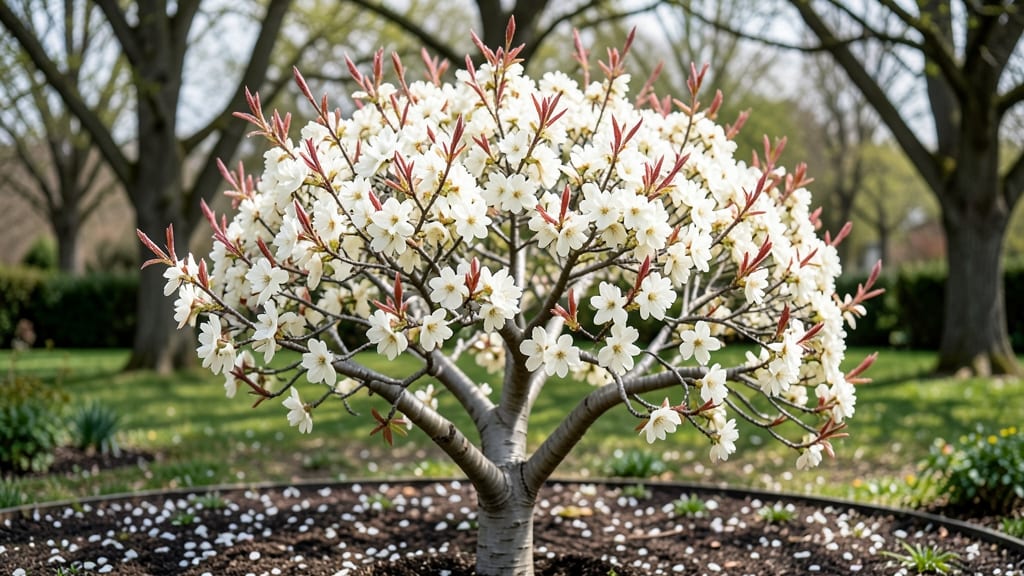
Growing white peach trees means harvesting snow-white fruits that taste like summer magic—sweet, juicy, and impossible to resist. 🌿 These varieties aren’t just stunning; they’re also built to thrive where regular peaches struggle, like cooler climates or urban backyards.
The secret lies in their chill-resistant roots and the right care from the first planting day.
You’ll need a sunny spot with well-draining soil, a spot that gets at least 6-8 hours of sunlight daily.
White peach trees like ‘White Lady’ or ‘White Peach’ cultivars prefer slightly acidic soil (pH 6.0-6.5) and benefit from a winter chill of 250-500 hours below 45°F—perfect for gardeners in zones 5-9. Start with a 1-inch layer of mulch to keep roots cool and moist.
Once planted, these trees reward patience with abundant blooms in spring and fruit by midsummer. Prune in late winter to shape the tree and remove dead wood, then thin fruits early to ensure they grow large and sweet.
With the right spacing (15-20 feet apart), you’ll avoid competition and enjoy a year-round harvest if you pick early varieties.
Common challenges like peach leaf curl or brown rot are easier to manage with preventative sprays and proper air circulation. For pollination, plant two trees or add a pollinator-friendly garden nearby. These trees aren’t just pretty—they’re productive, resilient, and a showstopper in any landscape.
📚 In This Guide
- What you need
- Instructions
- Tips and common mistakes
- Wrapping up and next steps
What you need
- ● White peach tree saplings: Choose chill-resistant varieties like ‘White Lady,’ ‘White Pearl,’ or ‘White Beauty’ from a reputable nursery. Buy 1-3 trees depending on your space and desired yield.
- ● Well-draining soil: A mix of 60% topsoil, 30% compost, and 10% perlite or sand (for drainage). Test soil pH (ideal: 6.0-7.0).
- ● Fertilizer: A balanced 10-10-10 NPK fertilizer (or organic options like composted manure) to kickstart growth.
- ● Mulch: 2-3 inches of organic mulch (straw, wood chips, or pine needles) to retain moisture and regulate temperature.
- ● Drip irrigation system or hose: For consistent watering, especially during dry spells.
- ● Shovel and garden trowel for planting.
- ● Pruning shears (sterilized with rubbing alcohol).
- ● Gloves and long sleeves (protection from thorns!).
- ● Measuring tape (to space trees 15-20 feet apart).
- ● Stakes and twine (for young trees in windy areas).
- ● Tree guards (to protect from pests or curious critters).
- ● Slow-release fertilizer tablets for convenience.
- ● Fruit thinners (if you want to control fruit size for bigger peaches!).
- ● Pest control sprays (neem oil or insecticidal soap for organic options).
Step-by-step guide to planting and caring for white peach trees
Here's how to establish healthy, productive white peach trees that thrive year-round.
🪴 Step 1: Select the Right Location and Soil
White peach trees need full sun exposure—at least 6-8 hours of direct sunlight daily—to produce abundant fruit. Choose a spot with well-draining soil and shelter from strong winds, which can damage delicate branches. Test your soil’s pH; peaches prefer a slightly acidic to neutral range of 6.0-7.0. If your soil is heavy clay or sandy, amend it with 2-3 inches of compost mixed into the top 12 inches of soil before planting.
Real talk: If your yard has poor drainage, consider raised beds or mounded soil. Peach roots hate soggy feet, and waterlogged conditions lead to root rot faster than you’d think. Dig a hole twice as wide as the root ball but only as deep—planting too deep suffocates the graft union, which is critical for tree health.
☀️ Step 2: Plant at the Ideal Time and Depth
Plant your white peach tree in early spring, just as new leaves begin to form on nearby trees. This timing gives roots 6-8 weeks to establish before summer heat arrives. Handle the root ball carefully—if it’s root-bound, gently loosen the roots outward with your fingers before placing it in the hole. Position the tree so the graft union (the swollen area near the base) sits 1-2 inches above soil level. This prevents water from pooling around it.
Backfill the hole with native soil, tamping lightly to remove air pockets. Water deeply until the soil settles—this helps eliminate gaps. Mulch around the base with 2-3 inches of organic mulch, keeping it 6 inches away from the trunk to prevent rot. Here’s the thing—mulch isn’t just for looks; it regulates soil temperature and retains moisture, which is especially important in hot climates.
💧 Step 3: Water Consistently and Fertilize Strategically
For the first 2-3 months, water your peach tree deeply 2-3 times per week, ensuring moisture reaches 12-18 inches down. You’ll know it’s enough when water drains through the soil and doesn’t pool on the surface. After establishment, water once a week during dry spells, but adjust based on rainfall—peaches are drought-tolerant once mature, but young trees need consistent moisture to avoid stress.
Fertilize in early spring with a balanced 10-10-10 fertilizer, applying ½ pound per inch of trunk diameter. For example, a tree with a 3-inch trunk gets 1.5 pounds of fertilizer. Avoid high-nitrogen fertilizers—they promote leafy growth at the expense of fruit production. In late summer, switch to a low-nitrogen, high-phosphorus formula to encourage root and fruit development before winter.
✂️ Step 4: Prune for Shape and Airflow
Prune your white peach tree in late winter or early spring before buds swell. Remove dead, diseased, or crossing branches first—they compete for energy and can spread infections. Next, thin out overlapping branches to improve airflow, which reduces humidity-related diseases like brown rot. Aim to keep the tree open-centered, allowing sunlight to reach the center where most fruit develops.
Watch for suckers—vigorous shoots growing from the base or below the graft union. Cut them off at the ground; they drain energy from the main tree. If you’re unsure which branches to prune, focus on water sprouts (fast-growing, vertical shoots) and weak, spindly growth. You’ll see stronger, more productive branches within a season if you prune correctly.
🌿 Step 5: Monitor for Pests and Diseases
White peach trees are relatively pest-resistant, but keep an eye out for peach tree borers and aphids. Borers tunnel into the bark, causing oozing sap and weakened branches. If you spot frass (sawdust-like debris) near the trunk, treat with beneficial nematodes or neem oil in early spring. Aphids cluster on new growth; blast them off with a strong stream of water or use insecticidal soap for severe infestations.
Prevent fungal diseases like peach leaf curl by applying a copper fungicide in late fall or early spring before buds open. Remove and destroy any infected leaves or fruit immediately—don’t compost them. Here’s where it gets fun: Healthy white peach trees produce sweet, juicy fruit with minimal intervention, but vigilance pays off in bigger harvests and longer tree life.
Tips & tricks for perfect white peach tree cultivation
Between us, these small details can make all the difference between a struggling tree and one that bears fruit year after year.
Sunlight Optimization: While the instructions specify 6-8 hours of direct sunlight, I've found that positioning your tree slightly west of south can actually extend that sunlight exposure by 30-45 minutes during peak growing months. This extra light boosts photosynthesis, which translates to more energy for fruit production. If you're in a particularly hot climate, consider providing afternoon shade during the tree's first year to prevent sunburn on young leaves.
Root Ball Preparation: When you're loosening those root-bound roots in Step 2, don't just pull them outward—make small vertical cuts with a knife to encourage new root growth. This technique, called root pruning, helps the tree establish faster in its new location. I've seen trees with this treatment produce fruit a full season earlier than those planted without it. Just be gentle—you don't want to damage the main roots.
Mulching Strategy: The 2-3 inches of organic mulch mentioned is perfect, but here's what nobody tells you—refresh that mulch layer every spring before new growth begins. As it decomposes, it compacts and loses its moisture-retaining properties. I use a mix of wood chips and straw for my trees, which gives me that perfect balance of moisture retention and airflow at the soil surface. Keep that mulch volcano away from the trunk though—you want to maintain that 6-inch clearance to prevent rot.
Fertilizer Timing: That early spring 10-10-10 application is crucial, but don't stop there. I've found that adding a slow-release fertilizer in late summer—right after your low-nitrogen, high-phosphorus treatment—gives the tree a steady nutrient supply as it prepares for winter dormancy. This two-step approach has helped my trees develop stronger root systems that can better withstand cold snaps. Just remember to water thoroughly after each application to prevent root burn.
Pro Tips for White Peach Trees
- Between us, these small details can make all the difference between a struggling tree and one that bears fruit year a...
- Sunlight Optimization: While the instructions specify 6-8 hours of direct sunlight, I've found that positioning your ...
- Root Ball Preparation: When you're loosening those root-bound roots in Step 2, don't just pull them outward—make smal...
Frequently asked questions
Got questions about growing white peach trees? You’re not alone!
Whether you're a first-time gardener or a seasoned grower, these answers will help you cultivate thriving, fruit-bearing trees with ease. Let’s dive into the most common queries—and how to tackle them like a pro.
How cold-hardy are white peach trees?
Most white peach varieties thrive in USDA Zones 5–9, with some chill-resistant cultivars (like ‘White Lady’ or ‘Springcrest’) surviving brief dips to 15°F (-9°C). For colder climates, plant near a south-facing wall or use mulch to insulate roots. Pro tip: Choose self-pollinating types or plant two trees for better fruit set!
When is the best time to plant white peach trees?
Plant in early spring (after the last frost) or late fall (6–8 weeks before the first freeze). This gives roots time to establish before extreme temperatures. Avoid transplanting during summer heat or winter—roots need moisture and moderate temps to recover. Bonus: Bare-root trees can be planted in winter (while dormant) for easier handling.
How long does it take for a white peach tree to bear fruit?
With proper care, expect fruit in 2–4 years for dwarf varieties and 3–5 years for standard trees. Patience is key! Ensure full sun (6+ hours/day), well-draining soil, and regular watering (1–2 inches/week). Troubleshooting: If no fruit appears after 5 years, check for pests, pollination issues, or nutrient deficiencies.
Can I grow white peach trees in containers?
Yes! Dwarf varieties (like ‘Bonanza’ or ‘Redhaven’) thrive in 15–25 gallon pots with drainage holes. Use a high-quality potting mix and repot every 2–3 years. Place containers in full sun and move them indoors during winter if temps drop below 20°F (-7°C). Warning: Container trees need frequent watering—they dry out faster than in-ground plants!
What pests or diseases should I watch for?
Common issues include:
- Peach leaf curl (fungal): Treat with copper fungicide in late fall/winter.
- Aphids or scale insects: Spray with neem oil or insecticidal soap.
- Brown rot (fruit disease): Remove infected fruit immediately and prune for airflow.
Wrapping up and next steps
Growing white peach trees is a rewarding journey that brings sweet rewards and vibrant beauty to your garden. With the right chill-resistant varieties and care, you can enjoy year-round harvests and a stunning landscape.
Whether you're a seasoned gardener or just starting, the key is patience, consistency, and a little love for your trees.
Now that you’re armed with knowledge, take the next step—plant your tree today! Watch as it thrives, blooms, and fills your space with delicious fruit and natural charm. Happy growing! 🌱🍑