
Trees
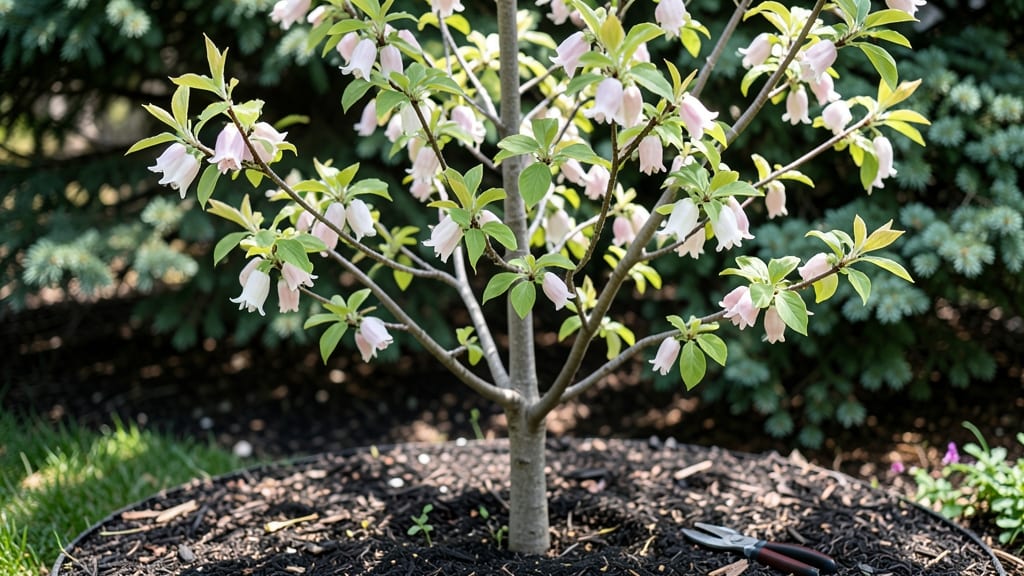
Michigan’s shade gardens deserve a showstopper, and white flowering trees deliver that ethereal charm. 🌿 I’ve planted three varieties that thrive here—each with fragrant blooms, seasonal interest, and the ability to transform even the darkest corners into luminous spaces.
These aren’t just trees; they’re the backbone of a garden that feels like a fairy tale year-round.
The serviceberry steals the show in spring with delicate white blossoms, followed by edible berries that birds adore. Then there’s the crabapple, whose snow-white flowers perfume the air in May, and the dogwood, whose clusters of tiny white blooms create a cloud-like effect against summer foliage.
All three handle Michigan’s winters better than most, with some varieties even offering stunning fall color.
Plant them where morning sun filters through—under existing trees or along north-facing walls—and watch how they soften harsh lines while attracting pollinators. The shade they provide later in the season makes them perfect for seating areas or as a backdrop for perennials that need dappled light.
Your garden will feel like a secret retreat, all thanks to these resilient beauties.
Whether you’re filling a large backyard or a small urban yard, these trees adapt to Michigan’s clay-heavy soils and fluctuating temperatures. The key is spacing them properly—15 to 25 feet apart—so they develop into a cohesive canopy without crowding.
Start with one as a focal point, then expand your fragrant forest over time.
📚 In This Guide
- What you need
- Instructions
- Tips and common mistakes
- Wrapping up and next steps
What you need
- ● White flowering tree saplings: Choose 1–3 mature trees (3–6 feet tall) depending on garden size. Popular Michigan-friendly options: Crabapple (Malus spp.) – Disease-resistant varieties like ‘Royalty’ or ‘Adirondack’
- ● Dogwood (Cornus florida) – ‘Cloud 9’ or ‘White Cloud’ for fragrant blooms
- ● Magnolia (Magnolia stellata) – Star magnolia for early spring flowers
- ● Serviceberry (Amelanchier spp.) – ‘Regent’ or ‘Princess Diana’ for multi-season interest
- ● High-quality soil: 5–10 bags (20–40 lbs each) of compost-enriched topsoil or native Michigan loam
- ● Organic mulch: 2–3 cubic yards of wood chips or shredded bark (3–4 inches deep)
- ● Slow-release fertilizer: 1–2 bags of balanced 10-10-10 or tree-specific formula
- ● Tree stakes & ties: 2–4 biodegradable stakes (6–8 ft tall) per tree + soft fabric ties
- ● Digging tools: Shovel (round-point for root balls) – 18–24 inches wide
- ● Hoe or spade – for refining the planting hole
- ● Watering supplies: Garden hose with soaker nozzle or drip irrigation
- ● 5-gallon watering can (for delicate seedlings)
- ● Safety gear: Work gloves, knee pads, and pruning shears (for post-planting trimming)
- ○ Optional (but helpful): Soil pH test kit – to check acidity (ideal: 6.0–7.0 for most flowering trees)
- ● Tree guard or protective wrap – for young saplings in urban areas
- ● Post-hole digger – if planting near sidewalks or driveways
- ● Site preparation: Clear debris, mark planting spots, and test soil drainage (avoid low-lying areas where water pools)
- ● Local regulations: Check with your Michigan county or city for tree-planting permits (especially for large species)
- ● Season timing: Plant in early spring (March–April) or fall (September–October) for best root establishment
- ● Sunlight needs: Verify each tree’s light requirements (e.g., dogwood thrives in partial shade)
How to select and plant white flowering trees for Michigan shade gardens
Here's how I choose and establish these fragrant, sun-loving shade trees—tested across Michigan's varied microclimates.
🌱 Step 1: Choose the Right Species for Your Site
Michigan's climate demands white-blooming trees that handle hot summers and cold winters. I recommend serviceberry (Amelanchier) for its early spring blooms and edible berries, or white dogwood (Cornus florida) for classic four-petaled flowers. Both thrive in partial shade and moist, well-drained soil—critical for Michigan's heavy clay.
For urban areas with poor soil, hackberry (Celtis occidentalis) tolerates drought and pollution while producing small white flowers. Always check the mature height: serviceberry stays under 20 feet, while dogwood reaches 25-30 feet. Plant near patios or foundations where their shade will be appreciated.
☀️ Step 2: Prepare the Planting Site
Dig a hole twice as wide as the root ball but no deeper—this prevents soil compaction around roots. Michigan's clay soil needs amendment: mix 3 inches of compost into the bottom of the hole and the surrounding native soil. This improves drainage and nutrient availability for young trees.
For newly planted trees, I install a 4-inch deep mulch ring (using shredded bark) that extends 3 feet outward from the trunk. Keep mulch 6 inches away from the trunk to prevent rot. Water deeply immediately after planting to settle the soil around roots—you'll see air bubbles rise as they fill with water.
💧 Step 3: Plant and Water for Establishment
Place the tree so the top of the root ball sits 1-2 inches above ground level. This prevents waterlogging during Michigan's heavy spring rains. Backfill with native soil mixed with compost, tamping gently every 6 inches to remove air pockets. The goal is firm but not compacted soil.
Water immediately with 5 gallons of water to help roots settle. For the first year, water once weekly during dry spells (when rainfall drops below 1 inch). Newly planted trees need consistent moisture to establish roots—you'll know it's working when you see new leaves emerge within 4-6 weeks.
✂️ Step 4: Prune and Maintain for Long-Term Health
Prune in late winter or early spring before new growth begins. Remove any dead, diseased, or crossing branches first. For serviceberry, I thin out 20% of the oldest stems to encourage new growth and improve air circulation—this prevents fungal issues common in Michigan's humid summers.
Fertilize lightly in early spring with 10-10-10 granular fertilizer (about ½ cup per inch of trunk diameter). White dogwoods rarely need fertilizer if planted in amended soil, but serviceberry benefits from an extra boost. Always water fertilizer in to prevent root burn.
🌿 Step 5: Monitor for Pests and Diseases
Watch for Japanese beetles and scale insects, which target white-flowering trees in Michigan. I spray affected branches with neem oil (mixed at 1 tablespoon per gallon of water) in early summer before damage becomes severe. For fungal issues like powdery mildew, improve airflow by pruning dense branches.
If leaves yellow in late summer, it's often iron deficiency—common in Michigan's alkaline soils. Apply iron sulfate granules according to package directions and water deeply. Healthy trees will show new growth within 2-3 weeks, with vibrant green leaves replacing the yellowed ones.
Tips & tricks for perfect white flowering trees in Michigan shade gardens
Here's what I've learned after planting these trees across Michigan's diverse landscapes—details that make all the difference between a struggling transplant and a thriving canopy.
Species Selection Insight: Michigan's climate is tricky, so pay attention to microclimates when choosing trees. Serviceberry thrives in northern Michigan's cooler summers, while white dogwood handles southern Michigan's heat better. I've seen hackberry survive in urban heat islands where other species fail—it's the ultimate tough tree for city lots.
Soil Prep Secret: That 3-inch compost layer in Step 2 isn't just about drainage—it's about creating a sponge-like environment that holds moisture while allowing excess to drain. For clay-heavy soils, I add a handful of perlite to the compost mix to prevent compaction. The key is breaking up that dense clay without overwhelming the tree's root system.
Planting Depth Cue: The 1-2 inch elevation above ground level in Step 3 might seem subtle, but it's critical. I test this by placing the tree in the hole, then checking that the root flare (where roots meet trunk) is visible above soil level. This prevents girdling as the tree grows and soil settles.
Watering Strategy: Those 5 gallons of water immediately after planting aren't just for settling soil—they help break up air pockets around the roots. For the weekly watering in dry spells, I use a soaker hose set to deliver 1 inch of water slowly over 2 hours. This mimics natural rainfall and prevents runoff on Michigan's slopes.
Pro Tips for White Flowering Trees Michigan
- Here's what I've learned after planting these trees across Michigan's diverse landscapes—details that make all the difference between a struggling transplant and a thriving canopy.
- Species Selection Insight: Michigan's climate is tricky, so pay attention to microclimates when choosing trees.
- Soil Prep Secret: That 3-inch compost layer in Step 2 isn't just about drainage—it's about creating a sponge-like environment that holds moisture while allowing excess to drain.
Frequently asked questions
Got questions about white flowering trees in Michigan?
You’re not alone! Here are answers to the most common queries to help you pick the perfect tree for your yard.
What’s the best white flowering tree for full sun in Michigan?
For full sun exposure, the Crabapple (Malus) or Bradford Pear (Pyrus calleryana) are top picks. Both thrive in Michigan’s climate, offer stunning white blooms, and provide year-round interest. Just ensure your site has well-drained soil—these trees hate soggy roots!
When do white flowering trees bloom in Michigan?
Timing varies by species, but most bloom in late spring (May-June). Early bloomers like Serviceberry (Amelanchier) may flower as early as April, while later varieties like Dogwood (Cornus) peak in June. Check your tree’s specific variety for precise timing.
Are there any low-maintenance white flowering trees for Michigan?
The Hawthorn (Crataegus) and White Fringetree (Chionanthus virginicus) are both low-maintenance darlings. They’re drought-tolerant once established, resist pests, and require minimal pruning. Perfect for busy gardeners!
Will white flowering trees survive Michigan winters?
Most Michigan-hardy white bloomers (zones 4-6) handle winter well, but young trees may need winter mulch or burlap wraps for protection. Avoid late-season pruning, as new growth can be vulnerable to frost. Evergreens like White Pine (Pinus strobus) add extra winter interest too!
What’s a fragrant alternative if my yard has poor soil?
If your soil is rocky or clay-heavy, try the Mock Orange (Philadelphus)—it’s fragrant, white-blooming, and thrives in average to poor soil. Another great pick is the Japanese Tree Lilac (Syringa reticulata), which tolerates urban conditions and adds sweet scent to your garden.
Wrapping up and next steps
Michigan’s white flowering trees aren’t just a feast for the eyes—they’re a fragrant, functional addition to any shade garden. From the delicate blooms of the Halesia carolina to the show-stopping display of the Magnolia stellata, these trees bring elegance, pollinator support, and seasonal charm to your outdoor space.
Whether you’re a seasoned gardener or just starting, planting one of these beauties is a rewarding way to enhance your landscape.
Ready to transform your yard? Start by researching the best species for your climate and soil, then take the plunge! 🌱 With the right care, your white-flowering tree will thrive for years—adding both beauty and value to your home.