
Pruning
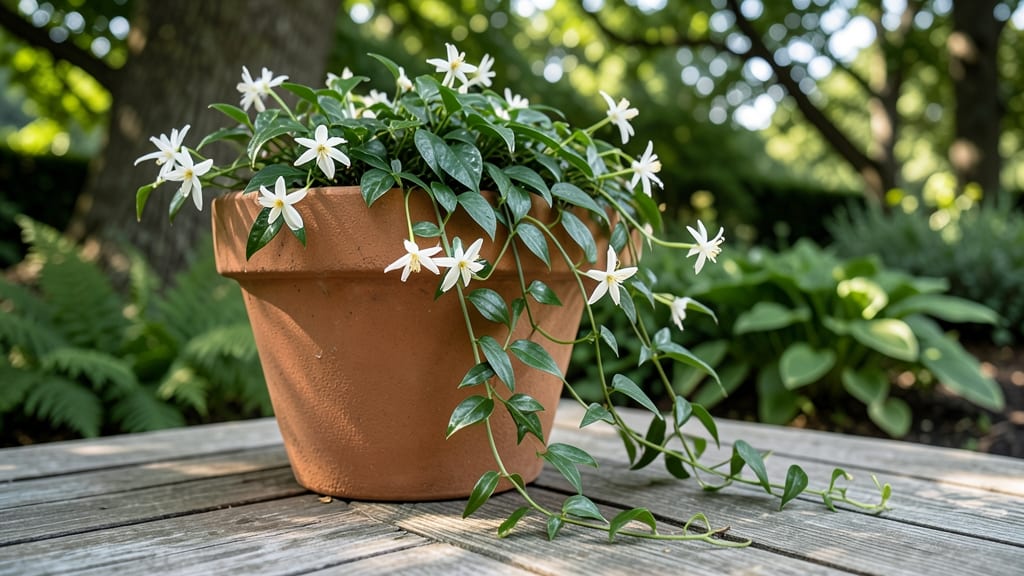
Strategic pruning transforms your weeping jasmine tree into a cascading masterpiece—fragrant, graceful, and full of life. 🌿 I’ve learned that the right cuts don’t just shape the branches; they unlock the tree’s natural elegance and maximize those intoxicating blooms.
The key is timing, technique, and a little patience to let the plant’s weeping habit shine.
Most gardeners overlook pruning until the tree looks unruly, but the best time to shape weeping jasmine is late winter or early spring, just as new growth begins.
You’ll need sharp bypass pruners, a ladder for higher branches, and an eye for balance—cutting back by one-third of the previous year’s growth encourages fuller, more abundant flowering. The goal? A lush, waterfall-like canopy that spills over trellises or containers with effortless beauty.
What you’ll end up with is a tree that’s not just ornamental but functionally stunning—think velvety green leaves, clusters of star-shaped white or yellow flowers, and that signature jasmine scent that lingers in the evening air.
Pruned correctly, it stays compact yet dramatic, perfect for small gardens, patios, or as a living privacy screen. The fragrance alone makes it worth the effort.
This method works for both Trachelospermum asiaticum (star jasmine) and Jasminum nudiflorum (winter jasmine), though winter jasmine blooms earlier in the season. Whether you’re training it up a trellis or letting it sprawl naturally, the same principles apply—just adjust for your climate’s growing zone.
Ready to turn your jasmine into a standout centerpiece?
📚 In This Guide
- What you need
- Instructions
- Tips and common mistakes
- Wrapping up and next steps
What you need
- ● Pruning shears: Bypass pruners (sharp, 6–8 inches) for clean cuts on small branches.
- ● Loppers: 1 pair (8–12 inches) for thicker branches (½–1.5 inches in diameter).
- ● Hand saw: Pruning saw (8–10 inches) for stubborn, woody stems (over 1.5 inches).
- ● Disinfectant: 70% isopropyl alcohol or a 10% bleach solution (1 part bleach to 9 parts water) to sterilize tools between cuts.
- ● Gloves: Heavy-duty gardening gloves (cut-resistant) to protect hands from thorns and sap.
- ○ Pruning sealant: Optional but helpful for sealing large cuts (over ½ inch) to prevent disease.
- ● Extension pole with pruning shears for high branches.
- ● Sharpie marker (to label cuts if training the tree).
- ● Bucket or tarp (to collect clippings for composting).
- ● Safety glasses (if dealing with large, heavy branches).
- ● Timing: Prune in late winter or early spring (before new growth) for best results.
- ● Weather: Choose a dry, overcast day to avoid stressing the tree.
- ● Safety first: Ensure the area below is clear of people/pets and the tree is stable.
Step-by-step guide to pruning your weeping jasmine tree
Here’s how to shape and maintain this elegant, fragrant beauty—without sacrificing its signature cascading form.
✂️ Step 1: Time Your Pruning for Optimal Growth
Prune your weeping jasmine in late winter or early spring, just as new growth begins to emerge. This timing ensures you encourage vigorous blooming while avoiding late-season cuts that may stimulate tender growth vulnerable to frost. If you must prune in summer, do so immediately after flowering to maintain the plant’s energy balance.
Look for buds swelling along branches—this is your cue that the tree is waking up. Pruning too early in dormancy removes potential blooms, while waiting too long risks cutting back new growth that hasn’t yet hardened off. I always mark the first week of March on my calendar as the deadline for spring pruning in my zone.
✂️ Step 2: Shape the Canopy for Balance and Airflow
Use clean, sharp bypass pruners to remove one-third of the oldest, thickest branches first. Focus on branches that are crossing, rubbing, or growing inward—these compete for sunlight and airflow, weakening the tree’s structure. Weeping jasmine responds beautifully to open pruning, so avoid shearing entire sections to maintain its natural, graceful silhouette.
Step back frequently to assess the tree’s form. The goal is to create a balanced, tiered shape that allows light to penetrate to the lower branches. If you notice bare spots or leggy growth, these are signs you’ve pruned too aggressively on one side. Trim back by no more than 25% of the canopy in a single session to avoid shocking the tree.
✂️ Step 3: Encourage Blooming and New Growth
Cut just above a leaf node or outward-facing bud to promote new growth in the direction you want the branch to fill out. For weeping jasmine, this often means pruning slightly upward to encourage a denser, more cascading habit. Avoid leaving stubs—these invite disease and weaken the plant.
After pruning, sanitize your tools with rubbing alcohol to prevent spreading bacterial or fungal infections. If you’re dealing with a mature tree, you may need loppers or a pruning saw for thicker branches. Look for new shoots emerging within 4-6 weeks—this confirms the tree is responding well to the pruning.
☀️ Step 4: Post-Pruning Care for Recovery
Water deeply within 24 hours of pruning to help the tree recover from stress. Apply a layer of 2-3 inches of mulch around the base (but not touching the trunk) to retain moisture and regulate soil temperature. Weeping jasmine has shallow roots, so keep the soil consistently moist but never waterlogged.
Monitor the tree for new growth within 3-4 weeks. If you see yellowing leaves or wilting, it may indicate over-pruning or stress. In this case, reduce watering slightly and avoid fertilizing until the tree shows signs of recovery. A light application of balanced fertilizer (10-10-10) in early spring can support regrowth, but hold off if the tree looks stressed.
Tips & tricks for perfect weeping jasmine pruning
Real talk: Pruning weeping jasmine can feel intimidating, but these pro tips will help you maintain that dreamy, cascading form without stress.
Timing is Everything: The late winter to early spring window (specifically just as buds begin to swell) is non-negotiable for optimal blooming. I learned this the hard way after pruning too early and sacrificing potential flowers. In colder climates, wait until after the last frost date—your tree will thank you with a spectacular spring display. The first week of March is my personal deadline, but always check for those swollen buds first.
Tool Prep Matters: Clean, sharp bypass pruners are your best friend—dull tools crush stems instead of making clean cuts. I always sanitize my tools with rubbing alcohol between cuts to prevent disease spread. For thicker branches, upgrade to loppers or a pruning saw, but make sure they're sharp too. A smooth cut heals faster and looks more professional than a jagged one.
Visual Cues for Balance: Step back frequently and imagine your tree as a tiered fountain. The goal is to create an open, airy structure where light reaches all branches. If you notice bare spots or branches growing inward, those are your targets for removal. Remember the 25% rule: Never trim more than a quarter of the canopy in one session—this prevents shock and maintains the tree's natural elegance.
Post-Pruning Recovery: That 24-hour watering window is critical for stress recovery, but don't overdo it. Weeping jasmine has shallow roots, so consistent moisture (not soggy soil) is key. I always check for new shoots within 4-6 weeks as confirmation the tree is happy. If you see yellowing leaves, it's a sign to back off on watering and wait for signs of recovery before fertilizing.
Pro Tips for Weeping Jasmine Tree
- Real talk: Pruning weeping jasmine can feel intimidating, but these pro tips will help you maintain that dreamy, cascading form without stress.
- Timing is Everything: The late winter to early spring window (specifically just as buds begin to swell) is non-negotiable for optimal blooming.
- Tool Prep Matters: Clean, sharp bypass pruners are your best friend—dull tools crush stems instead of making clean cuts.
Frequently asked questions
Got questions about keeping your weeping jasmine tree thriving with the perfect prune? Here are some common concerns—and their answers—to help you grow a fragrant, lush beauty without the guesswork.
When is the best time to prune a weeping jasmine tree?
The ideal time is late winter or early spring, just as new growth begins but before buds swell. This timing encourages vigorous blooming and maintains shape. Avoid pruning in fall—it can stimulate tender growth that won’t survive winter. For light maintenance (like shaping), you can trim lightly after flowering in summer.
How much can I prune without harming the tree?
Weeping jasmine is forgiving, but avoid cutting back more than 1/3 of the plant’s total growth in one season. For young trees, focus on removing dead or crossing branches. Mature trees can handle selective pruning to open the canopy and improve airflow—just avoid over-pruning, which may reduce flowering.
Why isn’t my weeping jasmine flowering after pruning?
If blooms are sparse, check your pruning timing—late pruning (after summer) removes next year’s flower buds. Also ensure your tree gets 6+ hours of sunlight daily and well-draining soil. Over-fertilizing with high-nitrogen feed can prioritize foliage over flowers. Try a balanced bloom booster in early spring.
Can I prune weeping jasmine in rainy or humid weather?
Avoid pruning during wet conditions—moisture can spread fungal diseases like powdery mildew through fresh cuts. Wait until the forecast is dry for at least 24–48 hours. If you must prune in humidity, sterilize tools with rubbing alcohol and make clean cuts to prevent infection.
What’s a good alternative if my weeping jasmine isn’t thriving?
If your tree struggles with pests, disease, or poor growth, consider these fragrant, low-maintenance alternatives:
- Clematis: Fast-growing climber with showy blooms (prune annually).
- Star Jasmine (Trachelospermum jasminoides): Evergreen vine with jasmine-like scent; drought-tolerant.
- Wisteria: Dramatic cascading flowers (needs sturdy support and regular pruning).
Wrapping up and next steps
The weeping jasmine tree is a stunning addition to any garden, offering fragrant blooms and elegant foliage—but its beauty thrives with the right pruning care. By mastering strategic trimming, you’ll encourage lush growth, vibrant flowers, and a graceful shape that enhances your outdoor space.
Whether you’re a pruning pro or just starting, the key is patience, precision, and a little love for your leafy companion.
Ready to transform your weeping jasmine into a fragrant masterpiece? Grab your tools, follow the steps, and enjoy the rewarding process. Your garden—and your senses—will thank you! 🌿✨