
Pruning
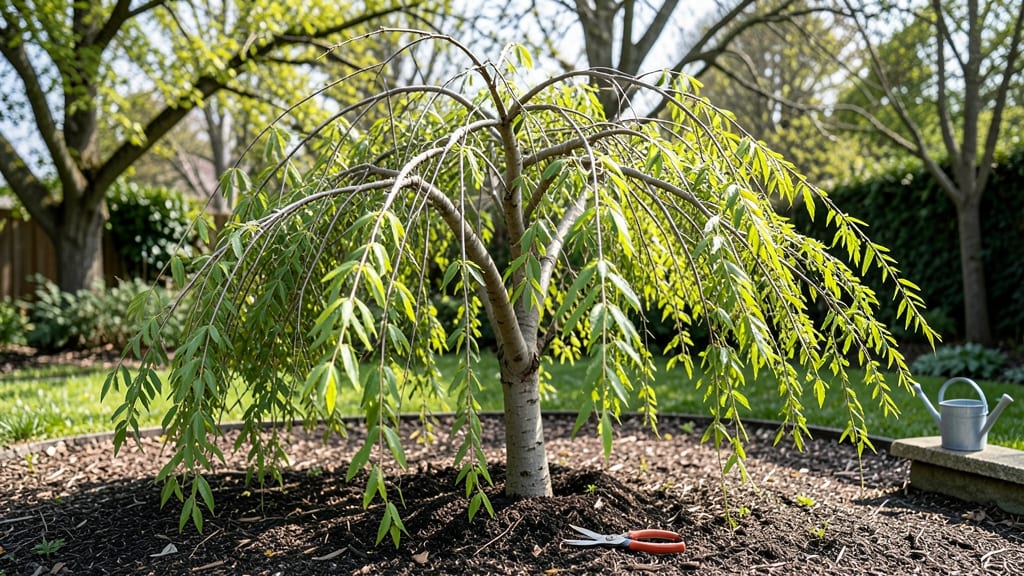
Summer pruning your weeping cherry tree isn’t just about cutting branches—it’s about shaping its graceful silhouette while keeping it healthy through the heat. 🌿 I’ve learned the hard way that summer trims done right encourage lush, cascading growth, while poor timing can stress the tree and invite pests.
The key is working during early morning or late afternoon when temperatures are mild, and the tree’s energy isn’t drained by midday sun.
You’ll need sharp pruning shears, a small ladder (if branches are high), and a bucket of water to clean tools between cuts.
Focus on removing dead or crossing branches first, then thin out the canopy to improve airflow—this reduces humidity trapped in the foliage, which can lead to fungal issues. Think of it like giving your tree a breath of fresh air during the dog days of summer.
What you’ll end up with is a tree that looks effortlessly elegant while staying strong. The new growth will be denser, the branches will cascade more dramatically, and you’ll avoid the weak, leggy look that happens when pruning is neglected.
Plus, the improved airflow means fewer pests and better resistance to heat stress—so your tree stays vibrant even in July’s blazing sun.
This approach works for both ornamental weeping cherries and those with edible fruit, though timing varies slightly. If your tree blooms in summer (like Prunus subhirtella), avoid heavy pruning until after flowering.
For standard weeping varieties, late summer is perfect for shaping—just finish by early September to let the tree harden off before winter.
📚 In This Guide
- What you need
- Instructions
- Tips and common mistakes
- Wrapping up and next steps
What you need
- ● Pruning shears: Bypass pruners (for clean cuts on small branches, 2–4 inches in diameter). Opt for sharp, stainless steel blades to prevent tearing.
- ● Loppers: Pole loppers (for higher branches, ½–1½ inches in diameter) or bypass loppers for thicker cuts.
- ● Pruning saw: Curved-tooth pruning saw (for branches 1½+ inches thick). Look for a non-serrated edge to avoid splintering.
- ● Gloves: Heavy-duty gardening gloves (cut-resistant, like those with Kevlar or leather palms).
- ● Disinfectant: 70% isopropyl alcohol or rubbing alcohol + a clean cloth (to sterilize tools between cuts).
- ○ Sealing wax or pruning sealant: Optional but recommended for large cuts (3+ inches) to prevent disease.
- ● Ladder or step stool: Sturdy, non-slip (ensure it’s rated for your height/weight). Extension pole attachments for loppers can be a game-changer!
- ● Trash bags or bucket: Heavy-duty for collecting pruned branches (check local regulations—some areas require chipping or bagging).
- ● Hand pruners: For tiny twigs (under ¼ inch) that shears can’t handle.
- ● Rope or zip ties: To secure branches temporarily during pruning (prevents unwanted movement).
- ● Plant food: Balanced fertilizer (10-10-10 or similar) to nourish the tree post-pruning.
- ● Safety gear: Safety glasses (if sawing thick branches) and earplugs (for loud power tools, if used).
- ● Notebook & pen: To sketch a quick map of cuts or note growth patterns for future reference.
Step-by-Step guide for pruning weeping cherry trees in summer
Summer’s the perfect time to shape your weeping cherry—here’s how to do it right.
✂️ Step 1: Identify the Right Branches to Trim
Start by examining your tree for branches that disrupt its graceful form. Look for crossing branches (rubbing against each other), dead or diseased wood (brown, brittle, or oozing sap), and suckers or water sprouts (thin, fast-growing shoots). These are your top priorities—they’ll compete with the tree’s natural elegance and weaken its structure over time.
Here’s the thing—weeping cherries grow best when they’re allowed to flow naturally. Only remove branches that are thicker than a pencil or growing upward instead of downward. Thin, upward-growing branches will steal energy from the tree’s signature cascading shape. Use your hand as a guide: if the branch is thinner than your pinky, it’s likely a sucker and can be snapped off by hand.
✂️ Step 2: Make Clean Cuts at the Right Angle
Once you’ve identified the branches to remove, grab your pruning shears or loppers. The key here is to cut just outside the branch collar—the swollen area where the branch meets the trunk or larger branch. This collar is the tree’s natural healing zone, and cutting too close can leave a wound that invites disease. Angle your cut slightly outward (about 45 degrees) to help water runoff, which prevents rot.
For branches thicker than 1 inch, use loppers or a pruning saw. Never leave stubs—this stresses the tree and creates entry points for pests. If a branch is too large to cut cleanly with one motion, make a small undercut first to control the direction of the cut. You’ll know you’ve done it right when the cut is smooth and the branch collar remains intact.
☀️ Step 3: Shape Gradually for a Natural Look
Weeping cherries thrive when their pruning mimics their natural growth habit. Avoid drastic cuts—never remove more than 25% of the tree’s canopy in one season. Instead, focus on refining the tree’s silhouette by thinning out the interior to allow light and air to reach the center. This prevents dense, shaded areas where pests and diseases love to hide.
Step back every few cuts to visualize the tree’s shape. You’re aiming for an even, flowing cascade rather than a rigid, geometric form. If a branch is too long but still contributes to the tree’s grace, you can shorten it by cutting just above a bud that’s facing outward. This encourages new growth in the right direction. Avoid cutting back to a stub or a lateral branch—it weakens the tree’s structure.
💧 Step 4: Clean Up and Protect Your Tree
After pruning, gather all the clippings and dispose of them properly. If any branches show signs of disease (like black spots or mold), bag them and throw them in the trash—don’t compost them. Sterilize your pruning tools with rubbing alcohol or a 10% bleach solution to prevent spreading pathogens to healthy branches.
Finally, give your tree a deep watering to help it recover from the stress of pruning. Focus the water at the base, not on the leaves, to avoid fungal issues. Mulch around the tree’s drip line (the edge of its canopy) with 2-3 inches of organic mulch to retain moisture and regulate soil temperature. This step is crucial—it’s like giving your tree a cozy blanket to heal under.
Tips & tricks for perfect weeping cherry tree summer pruning
Real talk: Summer pruning makes all the difference for your weeping cherry’s long-term health and beauty.
Branch Thickness Matters: In Step 1, when you’re identifying branches to remove, remember that branches thicker than a pencil need special attention. These larger branches often carry more weight and sap flow, so removing them improperly can create wounds that take years to heal. If you’re unsure about a branch’s thickness, compare it to your thumb—if it’s thicker, use proper pruning techniques from Step 2 to avoid damaging the tree.
The 45-Degree Rule: That slight outward angle in Step 2 isn’t just for looks—it’s essential for preventing water from pooling in the cut. When you make your cuts at a 45-degree angle, you’re helping the tree’s natural defenses work better. Think of it like creating a tiny roof over the wound to keep rainwater from sitting and causing rot. This small detail makes a huge difference in how quickly your tree recovers.
Visualizing the Cascade: Step back often during Step 3 to check your progress. The secret to a beautiful weeping cherry isn’t just about removing branches—it’s about creating balance. Imagine your tree as a waterfall: each branch should flow naturally to the next, with no sudden jumps or gaps. If you’re having trouble visualizing, try stepping to the side of the tree to see its silhouette against the sky. This perspective helps you spot areas where branches might be too dense or uneven.
Disease Prevention: In Step 4, when you’re cleaning up, don’t overlook the importance of sterilizing your tools between cuts, especially if you’ve removed diseased branches. A quick wipe with rubbing alcohol or bleach solution can prevent you from accidentally spreading pathogens to healthy parts of the tree. I’ve seen too many beautiful weeping cherries ruined by something as simple as not cleaning tools properly—don’t let that happen to yours.
Pro Tips for Weeping Cherry Tree Summer
- Real talk: Summer pruning makes all the difference for your weeping cherry’s long-term health and beauty.
- Branch Thickness Matters: In Step 1, when you’re identifying branches to remove, remember that branches thicker than a pencil need special attention.
- The 45-Degree Rule: That slight outward angle in Step 2 isn’t just for looks—it’s essential for preventing water from pooling in the cut.
Frequently asked questions
When is the best time to prune a weeping cherry tree in summer?
The ideal time for light summer pruning is after the tree finishes blooming (late spring) but before mid-summer. Avoid heavy pruning in summer heat—opt for minor shape adjustments or deadwood removal. Pro tip: Early morning pruning minimizes stress on the tree.
Can I prune a weeping cherry tree in summer without harming it?
Yes, but keep it minimal! Summer pruning should focus on removing only dead, diseased, or crossing branches. Heavy cuts can stress the tree, reducing its ability to bloom or produce fruit. Stick to 10-15% max of the canopy if necessary.
What are alternatives if I miss summer pruning?
If you skip summer pruning, plan for winter (dormant season) instead. Prune before buds swell (late winter/early spring) to avoid sap loss. For weeping cherries, winter pruning helps shape growth for the next blooming season.
Why does my weeping cherry tree look stressed after summer pruning?
Over-pruning, improper cuts, or timing (e.g., mid-summer heat) can stress the tree. Signs: Wilting, yellow leaves, or slow regrowth. Fix it: Water deeply, avoid fertilizing, and prune only essential branches. Monitor for pests/disease.
Will summer pruning affect next year’s blooms?
Minimal summer pruning won’t harm blooms, but heavy cuts can. Weeping cherries set flower buds in late summer/fall. Focus on structural adjustments—save major pruning for winter. Balance aesthetics with health!
Wrapping up and next steps
Pruning your weeping cherry tree in summer isn’t just about shaping—it’s about inviting health, beauty, and longevity into your garden. 🌿 By mastering the art of strategic cuts, you’ll encourage those iconic, cascading branches to flourish while keeping pests and diseases at bay.
Whether you’re a seasoned green thumb or just starting, the key is patience and precision.
Ready to give your tree the care it deserves? Start small—grab your tools, follow the steps, and watch your weeping cherry tree become the star of your summer landscape. Happy pruning! 🌸