
Trees
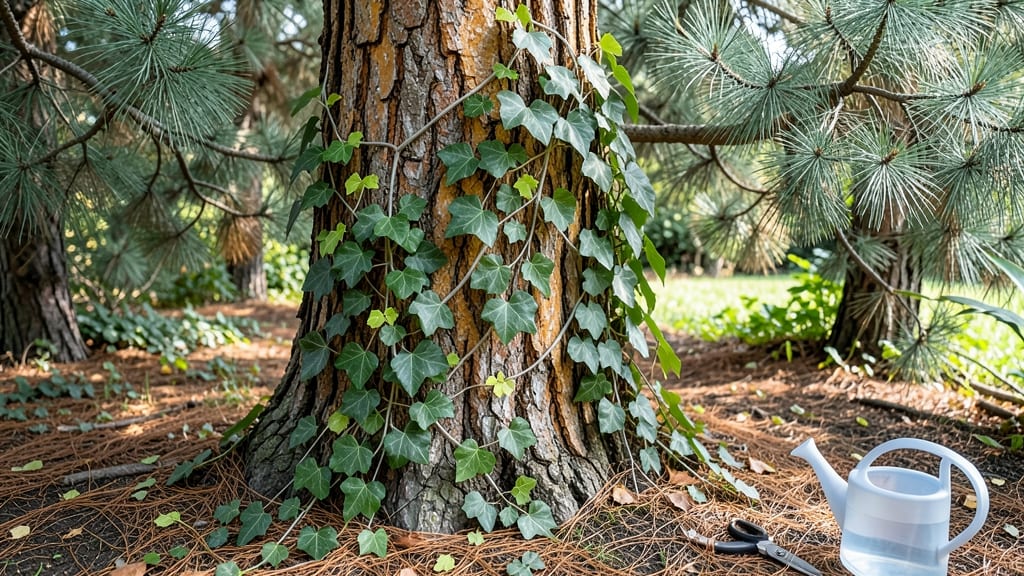
When vines start creeping up your pine trees, it’s not just an eyesore—it’s a silent threat to their health. 🌲 I’ve seen how quickly vines like English ivy can strangle a pine’s branches, blocking sunlight and harboring pests, but there’s a smarter way to handle them.
The key is acting early, using the right tools, and knowing which vines demand immediate action (like poison ivy) versus those you can manage over time.
You’ll need basic supplies: sharp pruning shears, thick gloves, a tarp for debris, and—most importantly—a clear plan. Start by identifying the vine: is it clinging tightly or draping loosely? Some, like wisteria, need aggressive removal, while others can be coaxed away with gentle pruning.
The goal is to protect your pine’s needles and bark without causing more stress than the vine itself.
Once you’ve cut away the worst of it, you’ll notice a difference almost immediately—the tree’s branches will breathe again, and new growth will push through. Pines are resilient, but they can’t fight back if vines are left unchecked.
With the right technique, you’ll restore that crisp, sunlit beauty without harming the tree’s roots or structure.
For long-term prevention, keep the area around your pines clear of debris and monitor for new sprouts in spring. A little vigilance now means fewer battles later—and healthier trees that stay strong for decades. Let’s get those vines under control the right way.
📚 In This Guide
- What you need
- Instructions
- Tips and common mistakes
- Wrapping up and next steps
What you need
- ● Vines: Clematis (hardy, fast-growing, and versatile—choose Clematis armandii or Clematis montana for cold resistance). Quantity: 2–4 vines per tree, depending on size.
- ○ Ivy (Hedera helix) – Optional: For dense coverage, use 1–2 vines per tree.
- ● Wisteria (for bold, fragrant climbers—Wisteria sinensis or Wisteria floribunda). Quantity: 1 vine per mature tree (needs space!).
- ● Support Structures: Tree-friendly climbing trellis or spiral supports (avoid wire—it can damage bark!). Specs: 4–6 ft tall, flexible, and UV-resistant.
- ● Soft twine or jute rope (3/8" thickness) to gently guide vines—Quantity: 10–15 ft per vine.
- ● Pruning Tools: Bypass pruners (for clean cuts on vines).
- ● Loppers (for thicker stems).
- ● Hand saw (if dealing with mature vines).
- ● Healthy Pine Tree: Choose a tree with no signs of disease (e.g., brown needles, oozing sap) and a thick trunk (minimum 4–6 inches in diameter) for vine support.
- ● Sunlight & Soil: Ensure your pine gets 6+ hours of sunlight daily and well-draining soil (amend with compost if needed).
- ○ Optional (But Helpful!): Mulch (2–3 inches of pine bark or wood chips) to retain moisture.
- ● Fertilizer (balanced 10-10-10 or slow-release organic fertilizer) to boost vine growth.
- ● Plant ties or Velcro strips (gentler alternative to twine for sensitive vines).
How to select and pair stress-resistant vines with pine trees
Here's how to create a stunning, low-maintenance evergreen display that thrives together.
🌱 Step 1: Choose the Right Pine Variety for Climbing Vines
Start with a mature pine that has rough, textured bark—this gives vines proper grip. Eastern white pine (Pinus strobus) or Scots pine (Pinus sylvestris) work beautifully because their bark develops deep furrows as they age. Avoid smooth-barked pines like bristlecone (Pinus aristata), as vines struggle to attach.
Look for pines with at least 4-6 inches of trunk diameter—thinner trunks can't support heavy vines like clematis or wisteria. I always check for healthy, flexible branches that can bear the weight of climbing growth without snapping. If you're working with a younger pine, wait until it reaches 10 feet tall before adding vines.
🌿 Step 2: Select Vines That Thrive in Pine's Shadow
Pines create dense shade, so pick vines that tolerate low light conditions but still climb aggressively. My top choices are English ivy (Hedera helix)—it's evergreen, drought-tolerant, and clings to bark with tiny aerial roots. For seasonal color, climbing hydrangea (Hydrangea petiolaris) produces stunning blooms in partial shade.
Avoid sun-loving vines like passionflower or morning glories—they'll wilt and die within weeks. Instead, opt for native vines like Virginia creeper (Parthenocissus quinquefolia), which handles pine's acidic soil and occasional drought. Always check the vine's mature height (some grow 30+ feet—measure your pine first!).
☀️ Step 3: Plant Vines at the Base with Proper Support
Dig a hole 12-18 inches deep and wide enough to loosen the pine's root zone slightly—this encourages new root growth for both plants. Place the vine's root ball 6-12 inches from the pine trunk, depending on its mature spread. For aggressive climbers like ivy, I plant them closer (6 inches) to ensure quick coverage.
Use the 1 gallon of compost from your supplies to fill the hole, mixing it with the native soil. Water deeply until the soil feels 2-3 inches damp—this prevents transplant shock. Install a trellis or wire mesh near the pine trunk to give young vines something to grip while they establish. Skip the mesh only if using self-clinging vines like ivy.
💧 Step 4: Water and Fertilize for the First Critical Year
Keep the soil evenly moist (not soggy) for the first 6-8 weeks—this helps both the pine and vine establish roots. I water every 3-4 days in summer, checking by pushing a finger 2 inches deep into the soil. If it feels dry, water again. Mulch with 2 inches of pine bark nuggets to retain moisture and suppress weeds.
Apply a balanced 10-10-10 fertilizer (using 1 tablespoon per inch of trunk diameter) in early spring and again after flowering. Avoid high-nitrogen fertilizers—they encourage fast vine growth that can overwhelm the pine. Instead, focus on phosphorus and potassium to strengthen root systems. Watch for yellowing needles—this usually means overwatering or poor drainage.
✂️ Step 5: Prune for Balance and Health Yearly
In late winter, prune vines that have grown too dense around the pine's lower branches. Cut back one-third of the oldest stems to encourage new growth and improve airflow. For ivy, I trim aggressive tendrils that threaten to smother the pine's foliage—this keeps the tree's needles healthy and prevents disease.
Shape the vine to follow the pine's natural form rather than forcing it into rigid patterns. If a vine starts to choke the pine's trunk, gently peel it away and redirect it upward. I always prune after the last frost but before new growth begins—this gives the vine time to recover before summer heat arrives.
Tips & tricks for perfect vines on pine trees
These simple tricks will help you create a thriving, low-maintenance evergreen display that lasts for years.
Pine Selection Matters: When choosing your pine, run your hand along the bark—it should feel rough with deep grooves. Smooth-barked pines like bristlecone won't give vines enough grip to climb properly. I always look for Eastern white pine or Scots pine because their mature bark develops those essential furrows. For younger pines under 10 feet, wait a season or two—they need that extra height and trunk thickness to support climbing growth without bending or breaking.
Vine Placement Strategy: In Step 3, when planting your vine's root ball, position it closer (6 inches) for aggressive climbers like English ivy. This proximity ensures quick coverage while giving the vine immediate access to the pine's shade. For slower-growing vines like climbing hydrangea, you can place them 12 inches away—they'll still thrive but at a more controlled pace. Always plant on the north or east side of the pine to protect the vine from harsh afternoon sun.
Support System Hack: If you're using a trellis or wire mesh for support, install it at a slight angle (10-15 degrees) rather than straight up. This mimics the natural upward curve of vines and helps them climb more efficiently. For self-clinging vines like ivy, skip the mesh entirely—those aerial roots will do all the work for you. Just make sure to position the vine's root ball within 6 inches of the trunk so it can start climbing immediately.
Watering Wisdom: During those first critical 6-8 weeks, I check soil moisture by pushing my finger 2 inches deep—if it feels dry, that's your cue to water. But here's the thing: pine trees hate soggy roots. Water deeply but infrequently, aiming for that "evenly moist" texture rather than constantly damp soil. Mulching with 2 inches of pine bark nuggets helps maintain this balance while preventing weeds from competing with your plants.
Pro Tips for Vines On Pine Trees
- These simple tricks will help you create a thriving, low-maintenance evergreen display that lasts for years.
- Pine Selection Matters: When choosing your pine, run your hand along the bark—it should feel rough with deep grooves.
- Vine Placement Strategy: In Step 3, when planting your vine's root ball, position it closer (6 inches) for aggressive climbers like English ivy.
Frequently asked questions
Got questions about growing vines on pine trees? You’re not alone! Here are some of the most common concerns—and their answers—to help you navigate this unique gardening adventure.
Are vines on pine trees safe for the tree’s health?
Yes, when done right! Choose non-parasitic vines like clematis or wisteria, which won’t strangle or drain the pine. Avoid aggressive climbers like ivy, which can smother branches over time. Always use soft ties or mesh supports to prevent bark damage.
How long does it take for vines to establish on a pine tree?
Patience is key! Most vines take 1–3 years to fully establish, depending on the species and climate. Young pines may need extra support (like trellises) until the vine’s tendrils grip securely. Prune lightly in the first year to encourage upward growth.
What’s the best time of year to plant vines on pine trees?
Spring or early fall is ideal—when temperatures are mild and rain is frequent. Avoid extreme heat or frost, which can stress both the pine and vine. For evergreen vines (like English ivy), plant in late spring to give roots time to settle before winter.
Can I remove vines from a pine tree later if needed?
If the vine outgrows its welcome, cut it back in early spring before new growth starts. Use pruning shears to trim tendrils, then pull or saw larger stems. Monitor the pine for sun scald (brown patches) if the vine shaded it heavily—water the tree well post-removal.
What are some low-maintenance vine alternatives for pine trees?
If you want beauty with less upkeep, try:
- Clematis – Fast-growing, drought-tolerant, and blooms in shades of purple/white.
- Star jasmine (Trachelospermum) – Fragrant, evergreen, and thrives in partial shade.
- Honeysuckle – Attracts pollinators and handles pine’s acidic soil well.
Wrapping up and next steps
Vines on pine trees aren’t just a quirky natural phenomenon—they’re a testament to resilience and adaptability in the plant kingdom! 🌿 Whether you’re a gardener, landscaper, or simply a nature enthusiast, understanding how these vines thrive can inspire creative and sustainable ways to enhance your outdoor spaces. Now’s the perfect time to experiment!
Start small—try integrating a few stress-resistant vines into your garden or even in containers. Observe how they interact with your pine trees, and don’t hesitate to share your discoveries with fellow plant lovers.
Every vine tells a story of survival and beauty; yours could be the next great success tale! 🌟