
Pruning
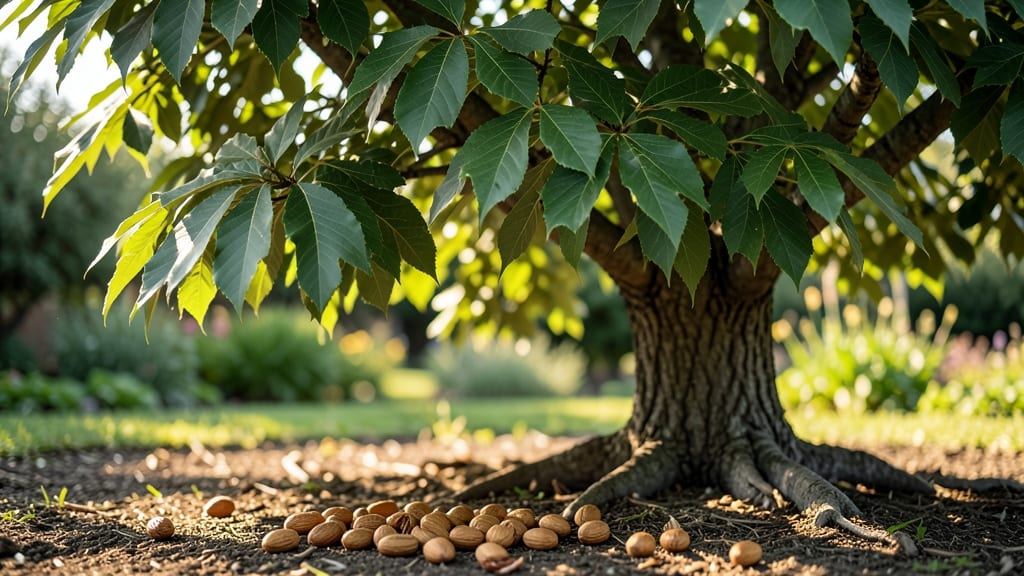
Pruning under that sprawling pecan tree isn't just about shaping branches—it's about unlocking the space beneath for a thriving shade garden. ✨ The right cuts now mean more sunlight for plants next spring, fewer pests, and pecans that actually ripen instead of fighting for light.
My first attempt left half the tree looking like a windblown mess, but I learned the simple rules that actually work.
You'll need basic pruning tools, a ladder, and a clear day when the tree isn't stressed by drought or extreme cold. The key is selective thinning—not just hacking away at branches—to let light filter through while keeping the tree's structure strong.
Most gardeners over-prune in winter, but the real work happens in late fall when the tree's dormant but pests are still active.
What you end up with is a balanced canopy that produces heavier harvests while creating dappled shade perfect for shade-loving plants. Hostas, ferns, and caladiums will thrive where direct sun would scorch them, and the mulched soil stays cooler longer.
The pecan tree even becomes the centerpiece of a low-maintenance garden that works with nature, not against it.
This approach works for both young trees needing shaping and mature ones that need rejuvenation. The same principles apply whether you're dealing with a single tree or a grove. Let's get those branches in balance so your garden—and your pecans—can truly flourish.
📚 In This Guide
- What you need
- Instructions
- Tips and common mistakes
- Wrapping up and next steps
What you need
- ● Pruning saw: A high-quality bypass pruning saw (8–12" blade) for thick branches (1–4" diameter). Look for a sharp, curved blade for clean cuts. (Example: Fiskars X27 or Felco F-2)
- ● Loppers: Bypass loppers (20–24" handles) for medium branches (½–2" diameter). Opt for ratcheting or bypass models for precision. (Example: Corona SL 2020)
- ● Hand pruners: Bypass pruners (7–9") for small branches/twigs (ergonomic, stainless-steel blades for durability. (Example: Felco Classic F-2)
- ● Pole saw or pruning pole: Extendable aluminum or fiberglass pole (10–16 ft) with a sharp, replaceable blade for high branches. (Example: Fiskars X7)
- ● Safety gear: Gloves: Cut-resistant gloves (e.g., blank">Wells Lamont or blank">Pyramex)
- ● Eye protection: Safety goggles (ANSI Z87.1 rated)
- ● Ear protection: Earmuffs or earplugs (if using a chainsaw)
- ● Steel-toe boots: Slip-resistant footwear (e.g., blank">Timberland PRO)
- ● Cleaning supplies: Rubbing alcohol (70% isopropyl) or pruning sealant (e.g., blank">Tanglefoot Tree Wound Pruning Seal)
- ● Disposable wipes or a brush for debris removal
- ● Chainsaw: For very large branches (>4" diameter). Use a sharp, bar-and-chain kit (e.g., blank">Husqvarna or blank">Stihl) and follow safety protocols.
- ● Ladder: Extension ladder (24–32 ft) with non-slip feet for hard-to-reach branches. (Example: Werner 280120)
- ● Tree bag or tarp: To catch falling debris and protect lawns/cars.
- ● Marking twine or spray paint: For tagging branches to remove (useful for large trees).
- ● First-aid kit: Include bandages, antiseptic wipes, and tweezers for minor cuts.
- ● Check local regulations—some areas require permits for tree work over a certain height or diameter.
- ● Schedule pruning on a dry, calm day (avoid wind/rain to prevent accidents or disease spread).
- ● Have a helper if working with large branches or ladders for safety.
- ● Review your pecan tree’s growth habits and health—prune only dead, diseased, or crossing branches to avoid stressing the tree.
Step-by-Step guide for pruning pecan trees year-round
Here’s how I keep my pecan trees thriving with balanced growth and heavy harvests.
✂️ Step 1: Winter Pruning for Structure and Airflow
Start in late winter or early spring (before buds swell) when the tree is dormant. Remove dead, diseased, or crossing branches first—these compete with healthy growth and invite pests. Use sharp pruning shears to make clean cuts just outside the branch collar (the swollen area where the branch meets the trunk).
Look for branches growing inward or rubbing against others. These need removal to prevent bark damage. Thin the canopy by 20-30% to improve sunlight penetration and airflow. You’ll see stronger new growth in spring, and the tree will allocate energy to nut production instead of weak limbs.
🌿 Step 2: Summer Pruning to Encourage Nut Production
After the tree flowers but before nuts form (around June), focus on light pruning to redirect energy toward fruit. Remove any suckers (shoots growing from the base or trunk) and water sprouts (vertical shoots from branches). These drain resources from nut production.
Trim back any overly vigorous branches that are shading the lower canopy. Pecan trees need sunlight on their lower limbs to produce nuts. Prune in the early morning or late afternoon to reduce stress on the tree—avoid midday heat. You’ll notice fewer competing growths and more energy directed toward developing pecans.
☀️ Step 3: Post-Harvest Cleanup and Maintenance
After harvest (typically fall), remove any broken or storm-damaged branches immediately. These can harbor pests and diseases over winter. Use a pruning saw for thicker branches, making cuts at a 45-degree angle just outside the branch collar.
Rake up fallen leaves and debris beneath the tree to prevent fungal growth. Apply a 2-3 inch layer of mulch (like wood chips) around the base, keeping it 6 inches away from the trunk. This protects roots and retains moisture. Your tree will enter dormancy healthier and stronger for next year’s growth.
⏰ Step 4: Year-Round Monitoring for Balance
Check the tree monthly for signs of stress, like yellowing leaves or excessive leaf drop. These can signal overcrowding or nutrient deficiencies. Adjust pruning as needed—sometimes a single branch needs thinning, other times the entire canopy needs restructuring.
Pecan trees grow slowly, so avoid heavy pruning in any single season. Small, consistent adjustments keep the tree balanced. Over time, you’ll see a stronger structure, better airflow, and heavier harvests—the goal of year-round pruning.
Tips & tricks for perfect pecan tree pruning
Keeping your pecan tree healthy and productive takes more than just occasional trimming—it’s about strategic timing and careful technique. Here’s what I’ve learned after years of working with these majestic trees.
Timing is Everything: The late winter/early spring window for Step 1 pruning is critical because the tree is fully dormant. If you prune too early, you risk damaging buds that haven’t swollen yet. I’ve seen trees stressed from late pruning—wait until you can see the buds starting to plump up but haven’t opened. For summer pruning in Step 2, that June timing is perfect because you’re targeting new growth before it diverts energy away from nut production.
Branch Collar Matters: When making cuts in Step 1 or Step 3, never cut flush with the trunk—always leave that branch collar intact. I’ve made this mistake before and watched those cuts heal poorly, inviting disease. The collar contains protective tissues that help the wound seal properly. Use your pruning shears or saw to cut just outside the collar at a slight angle to shed water away from the trunk.
Light Summer Pruning Pays Off: The light pruning in Step 2 might seem insignificant, but it’s what redirects all that energy toward nut production. I’ve seen trees where homeowners skipped this step—those lower branches stayed shaded, and the harvest was noticeably lighter. Focus on those suckers and water sprouts first; they’re the biggest energy vampires. Even just removing 5-10% of these competing growths can make a difference in your pecan yield.
Mulch Like a Pro: That 2-3 inch layer of mulch in Step 3 isn’t just decoration—it’s a game-changer. I’ve measured soil temperatures in mulched vs. unmulched areas, and the difference is dramatic. Mulch keeps roots cool in summer and insulated in winter. Just remember to keep it 6 inches away from the trunk to prevent rot. Wood chips work best because they break down slowly and improve soil structure over time.
Pro Tips for Under The Pecan Tree
- Keeping your pecan tree healthy and productive takes more than just occasional trimming—it’s about strategic timing and careful technique.
- Timing is Everything: The late winter/early spring window for Step 1 pruning is critical because the tree is fully dormant.
- Branch Collar Matters: When making cuts in Step 1 or Step 3, never cut flush with the trunk—always leave that branch collar intact.
Frequently asked questions
about pruning under the pecan tree—because every grower deserves clarity! Whether you're a seasoned orchard manager or a backyard enthusiast, these answers will help you keep your tree thriving and your harvests bountiful.When is the best time to prune a pecan tree for optimal growth?
The ideal time to prune pecan trees is late winter to early spring (just before buds swell) or summer after harvest. Avoid pruning in fall—it can stimulate new growth that’s vulnerable to frost damage. For heavy harvests, prioritize structural pruning in dormant seasons and light thinning after fruit drop to balance canopy and airflow.
Can I prune a pecan tree in summer? If so, what should I watch out for?
Yes! Summer pruning (June–July) is great for removing water sprouts and shaping the tree, but avoid heavy cuts—this can stress the tree. Focus on thinning out crowded branches to improve sunlight penetration and reduce disease risk. Always use sterilized tools and prune on dry days to prevent fungal infections like pecan scab.
What’s the most cost-effective way to prune a large pecan tree without hiring a professional?
Start with hand pruning for lower branches using a sharp bypass pruner or loppers. For higher branches, rent a pole saw or hire a local arborist for a one-time structural trim—this saves money long-term by preventing storm damage. Invest in proper safety gear (gloves, goggles) and take your time to avoid mistakes.
How do I know if I’ve pruned too much or too little?
Signs of over-pruning include excessive leaf drop, stunted growth, or dead branches. If you see large wounds (bigger than ½ inch), seal them with pruning sealant to prevent decay. Under-pruning? Look for dense, shaded inner branches or fruit clusters competing for sunlight—this leads to poor yields. Aim for 20–30% canopy reduction over 2–3 years.
What should I do if my pecan tree starts bleeding sap after pruning?
Sap bleeding (called “weeping”) is normal in pecan trees, especially in warm, wet weather. It won’t harm the tree, but you can reduce it by pruning in cooler months (late winter/early spring) and avoiding cuts during active growth. If bleeding is heavy, apply pruning sealant to larger wounds to minimize sap loss and pest attraction.
Wrapping up and next steps
Under the pecan tree, your efforts to prune year-round aren’t just about aesthetics—they’re the secret to bountiful harvests and a thriving orchard. 🌳 By balancing growth, removing deadwood, and optimizing sunlight, you’re setting the stage for healthier trees and richer yields. Now’s the perfect time to roll up your sleeves—grab those pruners and start shaping your future harvests, one careful cut at a time!
🌱 Your Next Step: Schedule a Pruning Session
Pick a clear, dry day (like this weekend!) to inspect your trees. Need a refresher? Bookmark this guide or snap a photo of your tree’s structure for reference. Your pecans will thank you! 🍃