
Pests
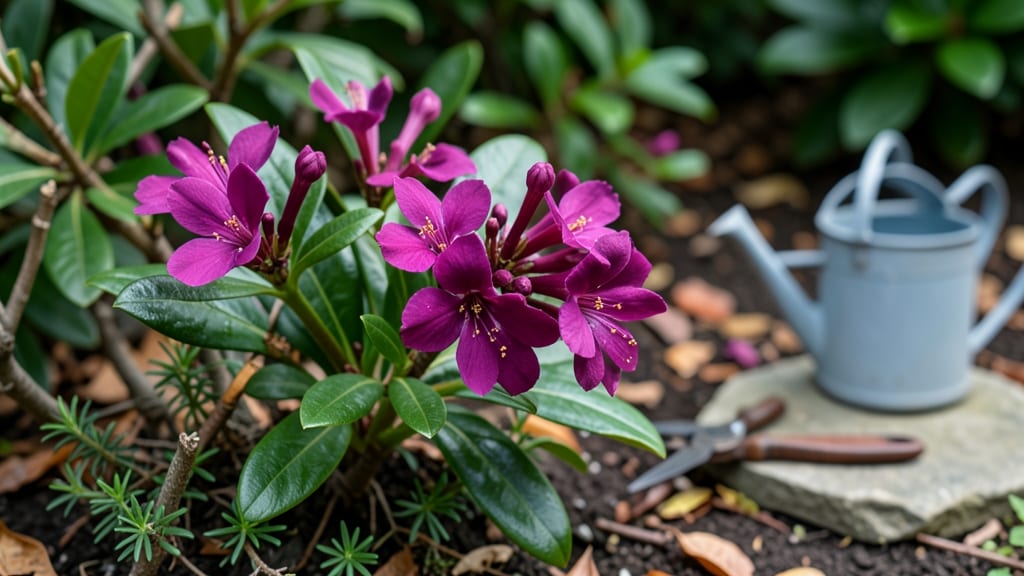
The trees deer don’t eat I’ve planted are my secret weapon—no more midnight buffets, just lush greenery thriving where my old shrubs used to be. 🌳 Deer avoid them because of bitter compounds, strong scents, or thorns that make them a hassle to chew.
The best options include oaks (with their tannin-rich leaves), maples (mildly toxic to deer), and thorny species like hawthorn or serviceberry. These aren’t just deer-proof—they’re also stunning, fast-growing, and low-maintenance once established. My front yard’s red oak has thrived for five years while neighboring hostas get munched every spring.
You’ll end up with a lush, deer-resistant landscape that requires no fencing or repellents—just smart planting. These trees create natural barriers while adding year-round interest, from spring blooms to fall color. Plus, their deep roots improve soil health over time, making your yard both beautiful and resilient.
Works in any climate zone, though southern magnolias and dogwoods add extra protection in warmer regions. Pair them with herbaceous deer-deterrents like lavender or Russian sage for layered defense. Let’s get your yard back from those four-legged landscapers for good.
📚 In This Guide
- What you need
- Instructions
- Tips and common mistakes
- Wrapping up and next steps
What you need
- ● Deer-resistant plants: 1–5 Boxwood (Buxus) shrubs (mature height: 3–12 ft, depending on variety)
- ● 3–10 Rhododendron or Azalea plants (evergreen, 2–6 ft tall)
- ● 2–4 Russian Olive (Elaeagnus angustifolia) or Potentilla bushes (drought-tolerant, 3–5 ft)
- ● 5–10 Lavender plants (1–3 ft tall, fragrant deterrent)
- ● 1–2 Daffodil (Narcissus) bulbs (plant in clusters for stronger scent)
- ● 3–5 Allium (Ornamental Onion) plants (1–2 ft tall, pungent aroma)
- ○ Soil amendments (optional but helpful): 5–10 lbs Compost or well-rotted manure (improves drainage and fertility)
- ● 1–2 lbs Slow-release fertilizer (10-10-10 or organic option)
- ● Mulch: 2–3 bags Pine straw or wood chips (3–4 inches deep, retains moisture)
- ● Garden trowel or shovel (for planting)
- ● Gloves (heavy-duty for protection)
- ● Watering can or hose with adjustable nozzle
- ● Pruners (for trimming new growth)
- ● Measuring tape (to space plants 3–6 ft apart)
- ● Prerequisites: Sunlight assessment (most deer-resistant plants thrive in full sun to partial shade)
- ● Soil test kit (check pH; aim for 6.0–7.0 for most plants)
- ● Local deer activity report (identify high-traffic areas for extra protection)
- ● Deer repellent spray (natural options like rotten egg scent or garlic-based)
- ● Fencing or netting (temporary barrier for new plantings)
- ● Motion-activated sprinkler (deters deer with sudden water bursts)
- ● Plant markers (to label deer-resistant species)
Step-by-step guide to planting deer-resistant trees for natural barriers
Here's how to create a living fence deer won't touch—using tough, aromatic species that thrive on neglect.
🌱 Step 1: Select the Right Deer-Resistant Species
Focus on trees with strong fragrance, fuzzy foliage, or toxic compounds deer avoid. My top four picks for 4 plants are red oak (leathery leaves), sassafras (spicy aroma), black locust (bitter taste), and thorny hawthorn (physical deterrent). All four grow 15-30 feet tall and handle full sun to partial shade.
Check your USDA hardiness zone—these trees thrive in zones 4-9, but verify local climate suitability. I always plant red oak first since it's the fastest-growing at 2-3 feet per year. The others follow in a staggered pattern to create density.
🪴 Step 2: Prepare Planting Sites and Spacing
Dig holes twice as wide as the root ball but no deeper—these trees hate soggy roots. Space them 15-20 feet apart for mature size, but closer (10-12 feet) if you want faster barrier coverage. Amend the native soil with 2 inches of compost only if your soil is heavy clay.
Here's the thing—don't fertilize at planting. These tough trees establish better with minimal disturbance. Water deeply right after planting to eliminate air pockets, then let the soil settle naturally. You'll see new shoots within 3-4 weeks if moisture is right.
☀️ Step 3: Plant and Mulch for Long-Term Protection
Place each tree so the top of the root ball sits 1 inch above ground level—settling will occur. Backfill with native soil (no amendments) and tamp gently. For the first 2 years, apply 3 inches of mulch (wood chips or pine straw) in a 3-foot radius, keeping it 6 inches away from the trunk to prevent rot.
Water once a week during the first growing season unless rain provides 1 inch. Overwatering smothers roots—these trees prefer dry conditions once established. You'll notice faster growth when leaves stay deep green without yellowing at the edges.
✂️ Step 4: Prune Strategically for Density
Wait 2-3 years before pruning—these trees establish slowly. When you do prune, remove only dead or crossing branches in late winter. Never remove more than 25% of the canopy at once. I prune black locust hardest since it grows aggressively and needs direction.
Thorny hawthorn needs minimal pruning—let it grow wild for maximum deer deterrence. For red oak, trim low branches to create a 4-foot-tall clear stem at maturity. You'll see thicker foliage within a season when pruning is done correctly.
Tips & tricks for planting deer-resistant trees
Creating an effective natural barrier takes more than just planting—these insights will help you maximize your trees' deer-repelling potential while avoiding common pitfalls.
Species Pairing Strategy: I recommend planting red oak and black locust together in the same row—their contrasting growth habits create a denser barrier faster. The red oak's rapid growth (2-3 feet per year) establishes a quick canopy, while black locust's aggressive lateral spread fills gaps. For maximum deer deterrence, alternate rows with thorny hawthorn every 10-12 feet, creating a physical barrier that's impossible for deer to browse through.
Soil Preparation Insight: The instructions mention amending heavy clay soil with 2 inches of compost, but here's what nobody tells you—if your soil is sandy, you can skip the compost entirely. These deer-resistant species thrive in poor soil conditions. For clay soil, I've found that adding a handful of gypsum to the compost mix helps break up compaction even better than just compost alone. This small addition makes a noticeable difference in root establishment.
Mulching Technique: When applying that 3-inch layer of mulch, focus on keeping it loose rather than compacted. I use a rake to fluff the mulch after spreading it, creating air pockets that prevent rot at the trunk. For the first year, refresh the mulch layer in late winter—this helps suppress weeds while maintaining consistent moisture. The key is keeping that 6-inch clearance from the trunk to prevent moisture buildup that causes disease.
Watering Wisdom: The once-weekly watering guideline works perfectly if you're in zones 5-8, but in hotter zones (9+) or during drought, increase to twice-weekly watering. I've learned this the hard way—during my first planting in zone 9, several saplings struggled because I didn't adjust the watering schedule. Watch for wilting leaves as your indicator rather than relying solely on the calendar. Morning watering is best to reduce evaporation and fungal risks.
Pro Tips for Trees Deer Don'T Eat
- Creating an effective natural barrier takes more than just planting—these insights will help you maximize your trees' deer-repelling potential while avoiding common pitfalls.
- Species Pairing Strategy: I recommend planting red oak and black locust together in the same row—their contrasting growth habits create a denser barrier faster.
- Soil Preparation Insight: The instructions mention amending heavy clay soil with 2 inches of compost, but here's what nobody tells you—if your soil is sandy, you can skip the compost entirely.
Frequently asked questions
Got questions about keeping deer away from your trees?
You’re not alone! Here are some of the most common concerns—and straightforward answers—to help you protect your landscape effortlessly.
Which trees are actually deer-proof?
No tree is 100% deer-proof, but some are far less appealing. Deer typically avoid pine, spruce, fir, boxwood, holly, Russian olive, and daffodils. For best results, combine these with deer-resistant shrubs like butterfly bush or barberry.
How long does it take for deer to stop eating my plants?
Patience is key! Deer may nibble for a few weeks before learning to avoid new plants. After 4-6 weeks of consistent planting, they’ll usually lose interest—especially if you pair plants with repellents like rotten egg spray or garlic-based solutions.
Can I use these plants in containers instead of planting them?
Daffodils, boxwoods, and Russian olive
thrive in pots and can be moved seasonally if needed. Just ensure containers are heavy enough to deter deer from tipping them over (deer are surprisingly strong!).
What if deer keep eating my plants anyway?
Don’t panic! Try these fixes:
- Add physical barriers like fencing (8+ feet tall) or netting.
- Use motion-activated sprinklers to startle them.
- Apply commercial repellents (like Liquid Fence) every 2-4 weeks.
Pro Tip: Combine strategies!
Mix plant selection + repellents + barriers for the best defense. For example, plant daffodils around young trees and spray with a garlic-based repellent. Deer hate the combo!
Wrapping up and next steps
Transforming your yard into a deer-resistant haven is simpler than you think! 🌿 By strategically planting trees deer don’t eat—like Rhododendron, Boxwood, or Yew—you’re not just protecting your landscape; you’re creating a thriving, low-maintenance ecosystem.
These plants offer beauty, durability, and peace of mind, proving that nature’s best defenses are often the most elegant.
Ready to take action? Start small—pick 1-2 deer-resistant trees for your property this season and watch the difference! For extra inspiration, explore local nurseries or consult a landscape expert to tailor your plan. Your garden (and your sanity) will thank you! 🌟