
Pruning
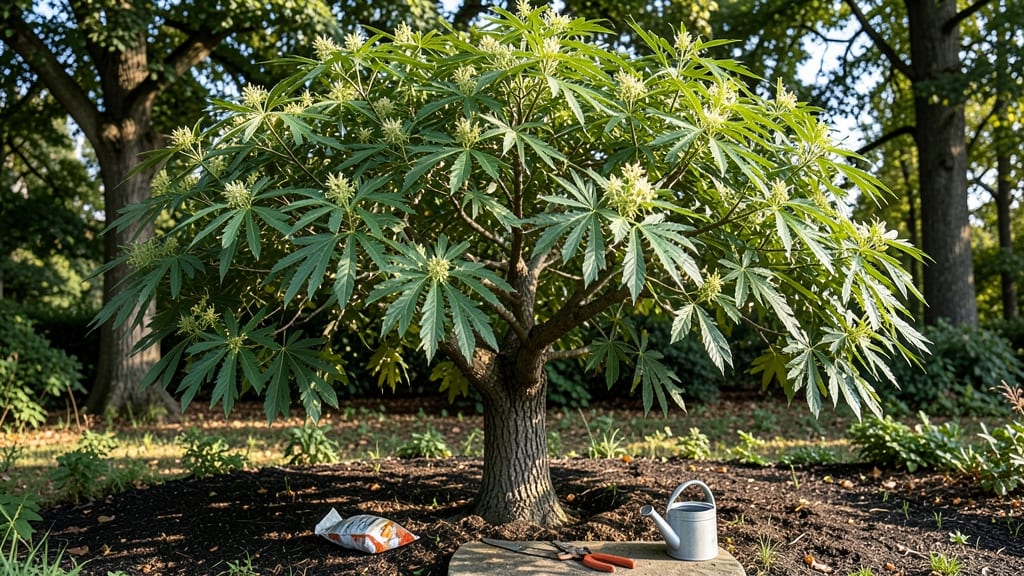
The tree of heaven demands respect—not love—because its fast growth and aggressive roots can outpace even the most enthusiastic gardener. 🌳 I’ve wrestled with its sprawling branches and learned the hard way that pruning isn’t just about shaping; it’s about controlling its invasive tendencies while keeping it productive.
This tree thrives on neglect, so regular trimming is your secret weapon to maintain its size, improve airflow, and prevent disease before it takes hold.
Pruning works best when you tackle it year-round, not just in spring. Start by removing dead or crossing branches in late winter, then follow up with light shaping in early summer to encourage bushier growth. The key is patience—this tree grows back fast, so don’t over-prune in one session.
A sharp pair of loppers and a clean saw are your essential tools, along with gloves to handle its sap, which can irritate skin.
What you’ll gain is a tree that stays contained, produces fewer unwanted seedlings, and resists the fungal diseases that plague neglected specimens. The branches will thicken, the canopy will fill in, and you’ll avoid the heartbreak of it taking over your yard.
Just remember: this tree doesn’t play by the rules, so neither can you—prune early, prune often, and prune with purpose.
If you’re in a restricted zone or worried about its spread, focus on container growing or root barriers to keep it in check. The goal isn’t to tame it completely—just to grow it with you, not against you. Let’s get those branches under control before they get out of hand.
📚 In This Guide
- What you need
- Instructions
- Tips and common mistakes
- Wrapping up and next steps
What you need
- ● Pruning shears: Bypass pruners (for clean cuts on small branches, 4–6" blades). Anvil pruners (for thicker branches, 6"+ blades).
- ● Loppers: Bypass loppers (for branches 1–2" thick, 18–24" handles).
- ● Pruning saw: Curved-tooth saw (for branches 2–4" thick, 16–20" blade).
- ● Extension pole: 10–15 ft. telescoping pole (with pruning saw attachment for high branches).
- ● Gloves: Heavy-duty, cut-resistant gloves (e.g., Mechanix or gardening-specific).
- ● Safety gear: Safety goggles and ear protection (if using a chainsaw).
- ● Disinfectant: Rubbing alcohol (70%+) or bleach solution (1:9 ratio) (to sterilize tools between cuts).
- ○ Sealing wax: Pruning sealant (optional, for large wounds > ½" diameter).
- ● Trash bags: Heavy-duty contractor bags (for debris removal).
- ● Chainsaw: Gas-powered or electric (for very thick branches, 16–20" bar).
- ● Ladder: Sturdy, non-slip ladder (rated for your height + 3 ft. safety margin).
- ● Work gloves: Grip-enhancing gloves (for stability on the ladder).
- ● Marking spray: Paint or chalk (to mark branches for removal).
- ● First-aid kit: Basic kit (for minor cuts or scrapes).
Step-by-Step instructions for pruning tree of Heaven
Here's the method I've used for years to keep these fast-growing trees healthy and under control.
✂️ Step 1: Prune in Late Winter for Strong New Growth
Start your pruning in late winter (just before buds swell) when the tree is still dormant. This timing gives the tree plenty of time to heal before spring growth begins. I always use clean, sharp pruners to make precise cuts—dull blades tear bark and invite disease.
Remove dead, diseased, or crossing branches first. Look for branches that rub against each other or grow inward—they'll compete for sunlight and weaken the tree. Cut these back to the main trunk or a healthy lateral branch. For larger branches, make your cut just outside the branch collar (the swollen area where the branch meets the trunk).
If your tree has become too tall or wide, you can also reduce its height by cutting back the main leader (central stem) by about one-third. This encourages bushier growth and prevents the tree from becoming top-heavy. Avoid removing more than 25% of the foliage in a single pruning session—this can stress the tree.
✂️ Step 2: Light Summer Trimming to Maintain Shape
In early to mid-summer, do a light pruning to maintain the tree's shape and encourage airflow. Focus on removing suckers (shoots growing from the base or along the trunk) and any branches that are growing too close together. These suckers drain energy from the main tree and can lead to a weak structure.
For summer pruning, I use hand pruners for smaller branches and loppers for anything thicker than 1 inch. Always make cuts at a 45-degree angle just above an outward-facing bud. This ensures new growth will angle outward, improving the tree's overall shape and reducing the risk of branches rubbing together.
Watch for pests or signs of disease during this time—yellowing leaves, holes in foliage, or oozing sap are all red flags. If you spot any issues, prune those areas immediately and dispose of the clippings in a sealed bag. Tree of Heaven is prone to psyllids and scale insects, so keeping the canopy open with proper pruning helps prevent infestations.
✂️ Step 3: Fall Cleanup for Winter Readiness
In fall, after the tree has dropped most of its leaves but before the first hard frost, do a final cleanup pruning. Remove any dead, broken, or weak branches that may have been missed earlier in the year. This is also the time to thin out dense areas to improve light penetration and airflow—critical for preventing fungal diseases like powdery mildew.
I like to sterilize my pruners with rubbing alcohol between cuts in fall, especially if the tree shows signs of disease. Disinfecting tools prevents spreading pathogens to healthy parts of the tree. After pruning, rake up and dispose of all fallen leaves and debris—they can harbor pests and diseases over winter.
If your tree has become overly leggy, you can prune back some of the longer branches by one-quarter to one-third of their length. This stimulates bushier growth and helps the tree prepare for winter dormancy. Avoid heavy pruning in fall, though—wait until late winter for major structural changes.
⏰ Step 4: Monitor and Adjust Year-Round
Tree of Heaven grows aggressively, so check your pruning work every few months. Look for new suckers at the base or along the trunk—remove them as soon as you see them to prevent them from stealing nutrients from the main tree. I also keep an eye out for water sprouts (fast-growing, vertical shoots) that can make the tree look unkempt.
If you notice uneven growth or branches growing in odd directions, do a quick trim to redirect energy where you want it. For example, if one side of the tree is sparser, prune back some of the branches on the fuller side to balance it out. The goal is to maintain a natural, open shape that lets light and air move freely through the canopy.
Real talk: Tree of Heaven can be stubborn. If you prune too late in the season or cut back too aggressively, you might see delayed regrowth or even dieback in extreme cases. That’s why I always play it safe—never remove more than 25% of the foliage in one session, and always prune at the right time of year.
Tips & tricks for pruning tree of Heaven
Here's what nobody tells you about keeping these aggressive trees in check without stressing them out.
Timing is Everything: The late winter pruning window (just before buds swell) is non-negotiable for Tree of Heaven. This dormant period lets the tree heal completely before spring growth begins. I've learned the hard way—pruning too early can expose fresh cuts to freezing temperatures, while waiting too late means you're competing with new growth. Mark your calendar for that exact moment when buds are still tight but starting to plump up.
Tool Prep Prevents Problems: Sterilizing your pruners between cuts is especially critical with Tree of Heaven, which is prone to psyllids and scale insects. I keep rubbing alcohol in a small spray bottle and wipe down blades after every 3-5 cuts, especially in summer when pests are most active. Using clean tools prevents spreading diseases from infected branches to healthy ones. And for heaven's sake, keep your blades sharp—dull tools crush bark instead of making clean cuts.
The One-Third Rule: When reducing the main leader's height in Step 1, cutting back by exactly one-third creates the perfect balance between controlling height and encouraging bushier growth. This prevents the tree from becoming top-heavy while stimulating lateral branches. I measure the stem with a tape measure before cutting to ensure I'm staying within that critical one-third range. For larger branches, always cut just outside the branch collar—the swollen area where the branch meets the trunk—to promote faster healing.
Seasonal Strategy: Summer's light trimming focuses on suckers and water sprouts that drain energy, while fall's cleanup removes deadwood and thins dense areas. The key is to never remove more than 25% of foliage in any single session—this rule prevents shock. I think of it like a haircut: you wouldn't shave off all your hair at once, would you? The tree's the same—gradual adjustments keep it healthy and growing strong.
Pro Tips for Tree Of Heaven
- Here's what nobody tells you about keeping these aggressive trees in check without stressing them out.
- Timing is Everything: The late winter pruning window (just before buds swell) is non-negotiable for Tree of Heaven.
- Tool Prep Prevents Problems: Sterilizing your pruners between cuts is especially critical with Tree of Heaven, which is prone to psyllids and scale insects.
Frequently asked questions
Got questions about pruning Tree of Heaven (Ailanthus altissima)? You’re not alone—this fast-growing tree can be tricky to manage! Here are some of the most common questions (and answers) to help you trim with confidence.
When is the best time to prune a Tree of Heaven?
The ideal time is late winter or early spring (before new growth starts), but you can also prune in summer to control aggressive growth. Avoid heavy pruning in fall—it can stimulate late-season growth vulnerable to frost damage. For disease resistance, prioritize removing dead or diseased branches year-round.
How do I remove suckers from the base of the tree?
Suckers (sprouts from the roots) are a common nuisance. Cut them off at the ground level with pruning shears or a sharp shovel. For stubborn suckers, apply a horticultural vinegar solution (20% vinegar + 1 tsp dish soap) to the stump to prevent regrowth. Repeat as needed—consistency is key!
Can I prune a Tree of Heaven too much? What are the signs?
Yes! Over-pruning can stress the tree, making it susceptible to disease or pest infestations. Watch for yellowing leaves, stunted growth, or excessive sap oozing—these are red flags. Aim to remove no more than 25% of the canopy in one season, and always use sterilized tools to avoid spreading pathogens.
Are there non-pruning alternatives to control its spread?
If pruning feels overwhelming, try these low-maintenance strategies:
- Root barriers: Install a 18–24-inch deep barrier to block root suckers.
- Mulch suppression: Apply cardboard + thick mulch around the base to smother new shoots.
- Competitive planting: Underplant with dense ground covers (like pachysandra) to outcompete suckers.
Why does my Tree of Heaven keep getting diseases after pruning?
Diseases like anthracnose or powdery mildew often stem from poor pruning practices. To prevent them:
- Always sterilize tools with rubbing alcohol between cuts.
- Avoid pruning when leaves are wet (wait for dry weather).
- Improve air circulation by thinning dense branches.
- Apply copper fungicide if you spot early signs of infection.
Wrapping up and next steps
The Tree of Heaven (Ailanthus altissima) may seem intimidating with its rapid growth, but with the right pruning techniques, you can harness its potential for lush foliage and resilience.
Whether you’re tackling overgrowth in spring, shaping it in summer, or preparing for winter, consistent care will reward you with a healthier, more manageable tree. Start small, stay patient, and watch your Tree of Heaven thrive!
🌱 Next Step: Grab your tools, pick a sunny day, and get pruning! If you’re new to tree care, consider consulting a local arborist for personalized advice—your Tree of Heaven will thank you with vibrant growth all year round.