
Pruning
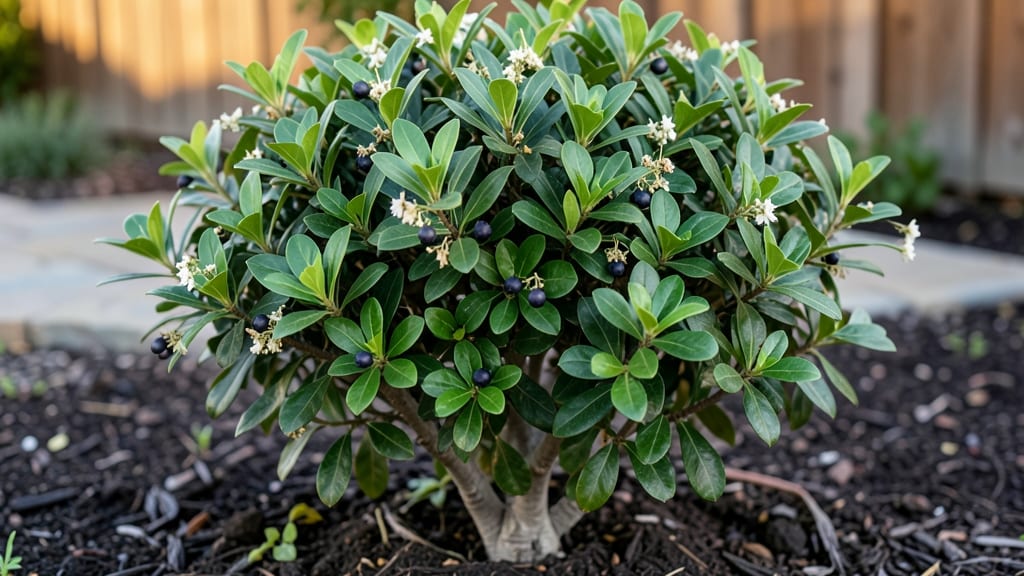
Your Texas privet tree (Chiliopsis linearis) thrives with minimal fuss—once you master its year-round pruning rhythm that keeps it dense and fragrant. 🌿 I’ve watched mine transform from a scraggly sapling into a sun-loving powerhouse that blooms even in Texas summers, and the secret lies in when (and how) you cut.
This isn’t your grandmother’s privet—it’s a desert-adapted beauty that rewards patience with silvery foliage and trumpet-shaped blooms.
The real magic happens in three simple pruning phases: a light trim after spring blooms to shape the canopy, a mid-summer cleanup to encourage new growth, and a harder cut in late winter before new shoots emerge.
Most gardeners overdo it in spring, but Texas privet responds better to gradual shaping—think of it as sculpting a living sculpture rather than hacking back branches. You’ll need basic pruners, gloves, and about 20 minutes for the whole process.
What you end up with is a tree that stays compact yet sturdy, with glossy leaves that perfume the air and a habit of blooming from spring through fall. The flowers attract hummingbirds, and the drought tolerance means you’ll water half as much as with other ornamentals.
Even in our 100-degree summers, mine stays lush—no fuss, no drama, just reliable beauty.
Works equally well as a specimen plant, privacy screen, or low-maintenance hedge in zones 8–11. Whether you’re reclaiming a dry corner of your yard or adding structure to a xeriscape, this guide will keep your privet thriving for decades. Let’s get those shears ready!
📚 In This Guide
- What you need
- Instructions
- Tips and common mistakes
- Wrapping up and next steps
What you need
- ● Pruning shears or hand pruners – Sharp, bypass-style (not anvil) for clean cuts. Example: Felco F-2 or Corona Pro.
- ● Loppers – For thicker branches (up to 2 inches in diameter). Example: Fiskars PowerGear.
- ● Pruning saw – For branches over 2 inches thick. Example: Bahco Laplander.
- ● Gloves – Heavy-duty, cut-resistant gloves to protect your hands from thorns.
- ● Disinfectant (70% isopropyl alcohol or bleach solution) – To sterilize tools between cuts and prevent disease spread.
- ● Heavy-duty trash bags or bucket – For collecting pruned branches and debris.
- ● Ladder or extension pole – If your tree exceeds 6 feet in height.
- ● Safety glasses – To shield your eyes from debris.
- ● Pruning sealant – For large cuts (over ½ inch) to reduce sap loss and disease risk.
- ● Tree wound dressing – Use sparingly! Only for very large wounds (over 2 inches).
- ● Work gloves with grip – If branches are slippery or wet.
- ● Portable leaf blower – To clear debris from the base of the tree quickly.
- ● Notebook & pen – To sketch a pruning plan or track growth over time.
Step-by-Step guide to pruning Texas privet for year-round growth
Here's how to shape your Texas privet into a lush, fragrant hedge or specimen tree.
🌿 Step 1: Assess Growth and Identify Pruning Zones
Start by examining your Texas privet in early spring, just as new growth begins. Look for three distinct growth zones: the main trunk, lateral branches, and twiggy new growth. The key is to prune just above outward-facing buds—this encourages dense, bushy growth rather than leggy stems. I always carry a small magnifying glass to spot hidden buds if the branches are thick.
Focus first on dead or crossing branches—these compete for energy and weaken the plant. Remove them completely at the base, cutting back to a strong lateral branch or the trunk itself. For Texas privet, you'll know a branch is dead if it snaps when bent or lacks green pith when cut open. Healthy branches bend slightly and have green centers.
✂️ Step 2: Perform Seasonal Pruning with Precision Cuts
In late winter to early spring, make your first major pruning cut. Use clean, sharp bypass pruners to avoid tearing bark. Cut at a 45-degree angle about ¼ inch above the bud, slanting away from the bud to prevent water from pooling. For thicker branches over ½ inch, switch to loppers—never use dull tools, as they crush stems and invite disease.
For summer maintenance, lighten up the canopy by trimming overly vigorous shoots that spoil the shape. Texas privet responds well to formative pruning—gradually shaping it into your desired form. I like to step back every few cuts to check the balance. If you see bare patches, prune back the surrounding branches to redirect growth into those areas.
🌱 Step 3: Encourage Dense Growth with Strategic Trimming
To maintain a dense, fragrant canopy, prune one-third of the oldest wood each year. This prevents the center from becoming woody and sparse. Start at the outer edges and work inward, removing long, leggy branches that stick out. These branches often produce fewer flowers and foliage than the shorter, bushier ones.
After pruning, water deeply to help the plant recover. The roots will need extra moisture to support new growth, especially if you've made heavy cuts. I always apply a 2-inch layer of mulch around the base (but not touching the trunk) to retain moisture and regulate soil temperature. This is particularly important in Texas's hot summers.
⏰ Step 4: Schedule Year-Round Maintenance for Optimal Health
Texas privet is forgiving, but timing matters. Avoid heavy pruning in fall—it stimulates tender new growth that won’t harden off before winter. Instead, do light shaping cuts to remove any storm-damaged branches or diseased foliage. In early summer, you can do a light trim to encourage a second flush of growth before the heat of August.
Watch for new shoots emerging from the base or along branches—these are your plant’s way of filling in gaps. If you notice yellowing leaves, it’s often a sign of overwatering or nutrient deficiency. In that case, apply a balanced fertilizer in early spring and reduce irrigation slightly. Texas privet thrives in well-draining soil, so never let it sit in soggy conditions.
Tips & tricks for pruning Texas privet trees
Transforming your Texas privet into a thriving, fragrant landscape feature starts with these precision pruning insights.
Bud Identification: In Step 1, when you're assessing those outward-facing buds, use a small magnifying glass to spot hidden ones—especially on thick branches. I learned this the hard way after making cuts that left awkward stubs. Look for tiny, slightly raised bumps along the branch; these are your growth points. Pruning just above them ensures new growth emerges in the direction you want, creating that perfect bushy shape.
Precision Cutting Technique: That 45-degree angle in Step 2 isn't just about aesthetics—it's about plant health. When cutting branches over ½ inch thick, remember to slant away from the bud. This prevents water from pooling and rotting the wound. For branches under ½ inch, your bypass pruners should make clean cuts that heal faster. I always wipe my tools with rubbing alcohol between cuts to prevent disease spread—especially important in Texas's humid summers.
Seasonal Timing Strategy: The late winter to early spring window in Step 2 is critical because it coincides with dormancy. Pruning during this period minimizes stress on the plant. If you must prune in summer for maintenance, do it on cooler mornings to reduce water loss. I've found that pruning before 10 AM helps the plant recover faster from the heat. For fall pruning, limit yourself to only removing dead or diseased branches—never make heavy cuts that stimulate tender growth before winter.
Post-Pruning Recovery: After your cuts in Step 3, that deep watering isn't just about hydration—it's about signaling to the roots that new growth is coming. I've seen Texas privets recover dramatically when given this extra moisture, especially after heavy pruning. The 2-inch mulch layer acts like a blanket, keeping roots cool in summer and preventing soil compaction. Just remember to keep it clear of the trunk to avoid rot—this is where many gardeners make the mistake of smothering the base.
Pro Tips for Texas Privet Tree
- Transforming your Texas privet into a thriving, fragrant landscape feature starts with these precision pruning insights.
- Bud Identification: In Step 1, when you're assessing those outward-facing buds, use a small magnifying glass to spot hidden ones—especially on thick branches.
- Precision Cutting Technique: That 45-degree angle in Step 2 isn't just about aesthetics—it's about plant health.
Frequently asked questions
Got questions about growing and maintaining your Texas privet tree? You’re not alone—this hardy shrub has its quirks! Here are some of the most common queries, answered for quick clarity.
When is the best time to prune a Texas privet tree?
Prune your Texas privet late winter or early spring (February–March in Texas) to encourage dense, bushy growth. Avoid heavy pruning in fall—it can stimulate tender new growth that may not survive winter. Light shaping after flowering (spring/summer) is fine, but never prune into old wood if you want to maintain its natural form.
How much can I trim back my Texas privet without harming it?
Texas privet is highly resilient—you can safely remove up to one-third of its branches in a single pruning session. For thick hedges or overgrown specimens, spread pruning over 2–3 years to avoid stress. Focus on removing dead, crossing, or overcrowded branches first, then shape the canopy. Pro tip: Use sharp, clean tools to prevent disease.
Why is my Texas privet dropping leaves or turning yellow?
Yellowing leaves or defoliation often signal overwatering, underwatering, or fungal issues. Check soil moisture—Texas privet prefers well-draining soil and tolerates drought once established. If leaves curl or spots appear, powdery mildew may be the culprit. Improve airflow, avoid overhead watering, and treat with neem oil if needed.
Can I grow Texas privet in full shade? Will it still thrive?
While Texas privet tolerates partial shade, it thrives best in full sun (6+ hours daily). In shady spots, growth may become leggy, and flowering/foliage density will suffer. If full sun isn’t an option, choose a sunnier edge of your yard or supplement with a bright grow light for container-grown plants.
What’s a good alternative if I want a fragrant, low-maintenance shrub?
If Texas privet isn’t your style, consider these fragrant, drought-tolerant alternatives:
- Texas sage (Leucophyllum frutescens) – Purple blooms, silvery foliage, and zero fuss.
- Wax myrtle (Morella cerifera) – Evergreen, fragrant foliage, and bird-friendly berries.
- Anise-scented olive (Osmanthus × burkwoodii) – Sweetly fragrant flowers, compact size.
Wrapping up and next steps
Cultivating a Texas privet tree into a fragrant, dense beauty is totally within reach—with the right tools, timing, and technique! 🌿 From mastering year-round pruning to troubleshooting common challenges, you now have the know-how to keep your tree thriving.
Remember, consistency is key, and a little effort now means lush foliage and sweet blooms for seasons to come.
Ready to take the next step? Grab your pruners, mark your calendar for seasonal check-ins, and enjoy the process! Whether you’re shaping a hedge or nurturing a standalone specimen, your Texas privet will reward you with its signature charm. Happy pruning! 🌟