
Neem Oil
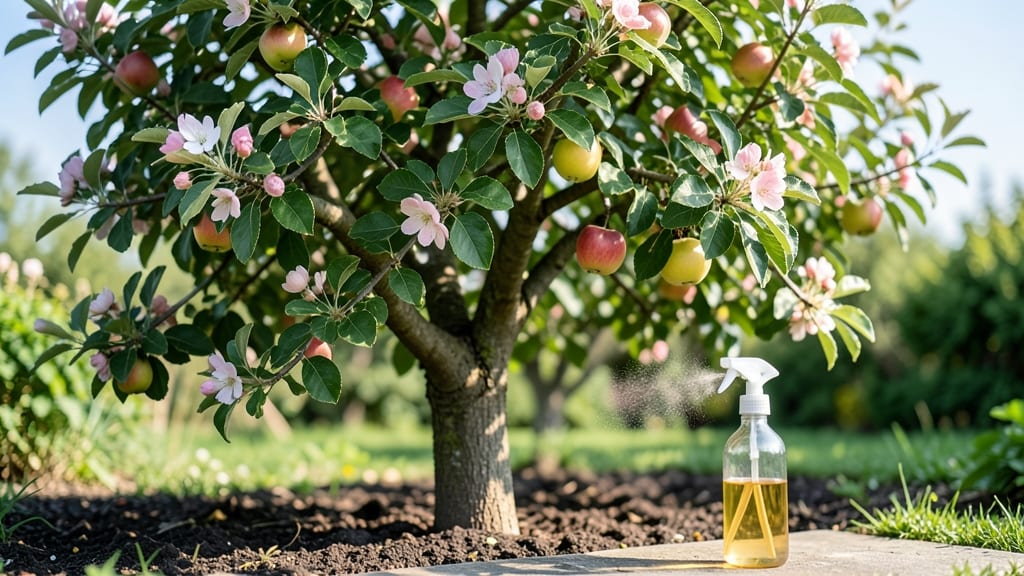
When aphids turn your apple tree leaves into sticky messes, neem oil is the organic superhero your harvest needs. 🌱 I’ve watched this golden liquid transform struggling trees into pest-free powerhouses—no harsh chemicals required. The key lies in timing, concentration, and knowing which pests it actually stops in their tracks.
You’ll need neem oil, a spray bottle or pump sprayer, and a little patience—this isn’t a quick fix, but a season-long strategy. The oil disrupts pests’ life cycles while being safe for bees when applied correctly (more on that later).
For fungal issues like apple scab, it’s a preventative game-changer if used before symptoms appear.
By mid-summer, you’ll see fewer chewed leaves, no more codling moth tunnels in fruit, and branches that stay lush and green instead of skeletonized by mites. The best part? Your apples stay chemical-free, and the tree’s natural defenses get stronger with each treatment.
Works for backyard orchards, community garden trees, and even container-grown dwarfs—just adjust the volume. Let’s get your trees thriving without the spray bottle guilt.
📚 In This Guide
- What you need
- Instructions
- Tips and common mistakes
- Wrapping up and next steps
What you need
- ● Neem oil (100% pure, cold-pressed): 1–2 gallons (enough to cover your trees thoroughly). Look for Azadirachta indica oil with at least 1000 ppm azadirachtin for maximum efficacy.
- ○ Horticultural oil or vegetable oil (optional but recommended): 1 cup per gallon of neem oil. Helps the neem oil adhere better to leaves and fruit.
- ● Water: 1 gallon per 2–3 gallons of neem oil solution (adjust based on tree size). Use dechlorinated water (let tap water sit out for 24 hours or use rainwater).
- ● Dish soap (mild, biodegradable): 1–2 teaspoons per gallon of water. Acts as an emulsifier to mix oil and water.
- ● Spray bottle or backpack sprayer: A 5–10 gallon capacity sprayer with a fine mist nozzle for even coverage. For smaller trees, a handheld spray bottle works.
- ● Protective gear: Gloves (nitrile or rubber)
- ● Long sleeves and pants
- ● Safety goggles (to avoid eye irritation)
- ● Mask or respirator (if spraying in windy conditions)
- ● Garden hose with a spray nozzle: For rinsing tools or diluting the solution quickly.
- ● Ladder or step stool: To reach higher branches safely (especially for mature trees).
- ● Pruners or shears: For trimming heavily infested branches before treatment.
- ● pH testing kit: To ensure your water is neutral (pH 6–7). Neem oil works best in this range.
- ● Label or marker: To tag treated trees and note the application date.
How to apply neem oil to apple trees for organic pest defense
Here’s the straightforward method I’ve used for years to keep apple trees thriving without harsh chemicals.
🌿 Step 1: Choose the Right Time and Conditions
Apply neem oil when apple trees are dormant in early spring or after harvest in late fall. Avoid spraying during bloom—it harms pollinators. Early morning or late afternoon works best, when temperatures are below 85°F and humidity is moderate. Windy days scatter the spray, reducing effectiveness.
Check the weather forecast first. Rain within 24 hours washes off the oil, so wait for a dry stretch. I always do a quick leaf inspection before spraying—if you see aphids, mites, or scale, it’s a good sign your trees need treatment.
💧 Step 2: Mix and Apply the Neem Oil Solution
Combine 1 tablespoon of neem oil with 1 teaspoon of mild liquid soap (like Castile soap) in 1 gallon of water. The soap helps the oil stick to leaves. Stir well until fully emulsified—neem oil and water don’t mix naturally. I use a hose-end sprayer for even coverage, but a pump sprayer works too.
Shake the mixture before each use. Spray both sides of leaves and the tree trunk, focusing on new growth, buds, and fruit clusters. Avoid overspraying nearby plants, as neem oil can harm beneficial insects like ladybugs and bees. A light, even mist is ideal—don’t drip.
☀️ Step 3: Reapply as Needed for Season-Long Protection
Neem oil breaks down quickly in sunlight, so reapply every 7–14 days during active pest seasons. After the first treatment, monitor for pests like codling moths or apple maggots. If you spot fresh damage, spray again immediately.
For preventative care, I do two applications: once in early June and again in July. This timing covers most pest lifecycles. Always rotate with other organic methods like dormant oil sprays or beneficial nematodes to avoid resistance.
✂️ Step 4: Clean Up and Store Leftovers Properly
Rinse your sprayer thoroughly with soapy water after use to prevent clogging. Leftover neem oil solution can be stored in a dark, airtight container for up to 2 weeks in a cool place. Label it clearly—neem oil is non-toxic but can stain fabrics.
Dispose of unused solution by mixing it with compost or soil (it’s safe for plants in small amounts). Never pour it down drains or onto lawns, as it can harm aquatic life. I keep a small bottle in my shed for quick touch-ups during pest outbreaks.
Tips & tricks for perfect neem oil application on apple trees
Here's what I've learned after years of using neem oil—these small details make all the difference between effective pest control and wasted effort.
Timing is Everything: The 24-hour window before rain is critical—neem oil needs time to bind to leaves, and rain will wash it away. I always check the forecast for the next 48 hours before applying. For early spring applications, aim for right after buds swell but before flowers appear, when pests are most vulnerable.
Mixing Technique Matters: When combining 1 tablespoon of neem oil with 1 teaspoon of soap in 1 gallon of water, use warm water to help emulsify the mixture more easily. Stir vigorously for at least 2 minutes to ensure the oil and water fully integrate—this prevents clumping that can clog your sprayer. I like to add a few drops of vegetable oil to help the solution cling better to leaves.
Equipment Check: Your sprayer choice affects coverage dramatically. Hose-end sprayers provide the most even distribution, but if you're using a handheld sprayer, work in sections and overlap your passes by 50% to prevent missed spots. Always test your sprayer first on a small area to check for proper flow and droplet size—you want a fine mist, not heavy drips.
Monitoring After Application: After your first treatment, inspect leaves closely for pests every 3-4 days. Look under leaves and along stems where pests often hide. If you see fresh damage after 7 days (the reapplication window), it's time to spray again—neem oil works best with consistent coverage during active pest seasons.
Pro Tips for Neem Oil For Apple Trees
- Here's what I've learned after years of using neem oil—these small details make all the difference between effective pest control and wasted effort.
- Timing is Everything: The 24-hour window before rain is critical—neem oil needs time to bind to leaves, and rain will wash it away.
- Mixing Technique Matters: When combining 1 tablespoon of neem oil with 1 teaspoon of soap in 1 gallon of water, use warm water to help emulsify the mixture more easily.
Frequently asked questions
Got questions about using neem oil for your apple trees? You’re not alone!
Here are some of the most common concerns—plus clear, actionable answers to keep your orchard thriving naturally.
1. How often should I apply neem oil to apple trees?
Apply neem oil every 7–14 days during active pest seasons (spring through early fall). For preventive care, start treatments before pests appear—think of it like a shield, not a cure. Pro tip: Avoid spraying when bees are active (early morning or evening works best).
2. What’s the best time of year to use neem oil on apple trees?
Timing is key! Use neem oil:
- Early spring: Before buds bloom to prevent aphids, mites, and fungal spores.
- Summer: During pest outbreaks (e.g., codling moths, apple scab).
- Avoid winter: Cold temps reduce effectiveness, and it can harm dormant trees.
3. Can neem oil harm beneficial insects like bees or ladybugs?
Yes, but only if misused. Neem oil is least toxic to bees when:
If pests persist, try these organic backups:
Yellowing can happen if:
Ladybugs and lacewings? They’re tougher—just avoid direct spraying on their habitats (like leaf undersides).
4. What if neem oil doesn’t work? Are there alternatives?
Combine methods! Rotate treatments to prevent resistance.
5. My apple leaves turned yellow after using neem oil—what went wrong?
Fix it: Water deeply, avoid future sprays until leaves recover, and test a small branch next time. Healthy trees handle neem better!
Wrapping up and next steps
Neem oil is your powerful, natural ally for keeping apple trees thriving without harsh chemicals! 🌿 With its pest-repelling, fungal-fighting properties, it’s a game-changer for organic gardeners. Whether you’re battling aphids, powdery mildew, or mites, this versatile oil delivers effective, eco-friendly results while protecting your harvest.
Ready to give your apple trees the care they deserve? Start small—test a branch first, monitor results, and gradually expand your treatment. Your future orchard (and hungry critters!) will thank you!