
Planting
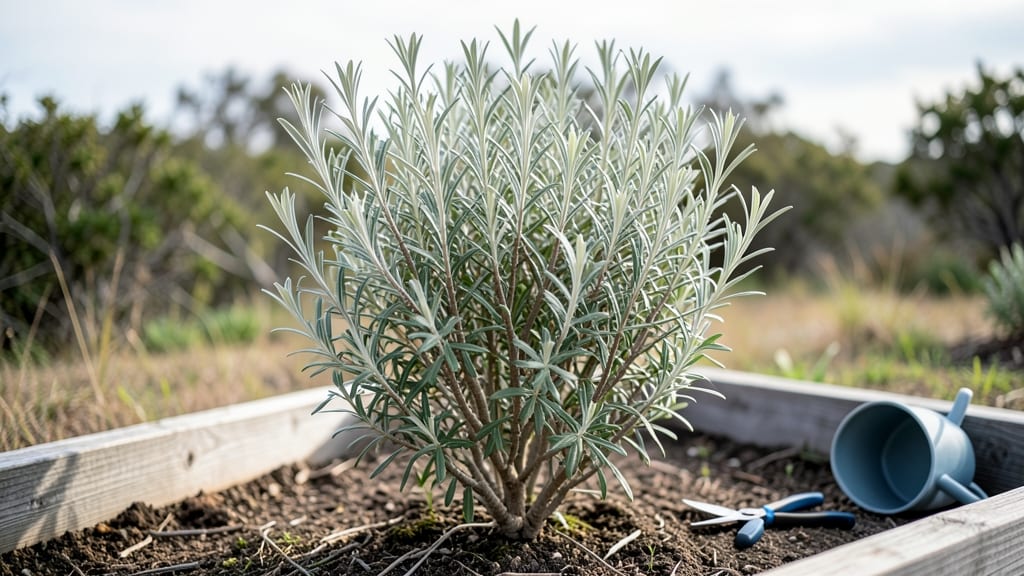
The tea tree plant thrives where few others do—drought-resistant, disease-fighting, and almost impossible to kill once established. I’ve grown mine in a sunny corner of the yard for three years now, and it’s become my go-to for natural remedies, from cuts to skin irritations.
The key isn’t just its medicinal properties; it’s how effortlessly it grows once you get the basics right.
You’ll need full sun (at least 6 hours daily), well-draining soil (sandy or loamy works best), and 3-5 feet of space between plants to prevent overcrowding. Tea trees hate soggy roots, so if your soil stays damp, amend it with perlite or plant on a slope.
Start with cuttings—seeds are finicky and slow—dip the stems in rooting hormone, and they’ll take in 4-6 weeks.
Water lightly once established (they’re drought-tolerant), prune lightly after flowering to shape, and fertilize once a year in early spring with a balanced 10-10-10. The real magic?
Harvesting the leaves for oil: strip them in late summer, dry them, and steep in carrier oil for a potent antiseptic. Every. Single. Leaf has purpose.
Watch for spider mites (they love dry conditions) and fungal spots in humid climates—both fixable with neem oil or better airflow. Tea trees reward patience: a mature plant yields pounds of leaves annually, and the oil stays potent for years.
Start small, and you’ll have your own pharmacy growing in the ground.
📚 In This Guide
- What you need
- Instructions
- Tips and common mistakes
- Wrapping up and next steps
What you need
- ● Tea tree seeds or a young sapling: Seeds: 5–10 (for germination testing)
- ● OR a 6–12-inch sapling (from a nursery or trusted source)
- ● Well-draining potting mix: 1–2 gallons (for pots) or 10 cubic feet (for in-ground planting)
- ● Mix: 60% cactus/succulent soil + 30% perlite + 10% coarse sand
- ● Container (if potting): 5–7-inch pot (for seeds) or 12–18-inch pot (for saplings)
- ● Drainage holes are a must!
- ● Watering can or spray bottle (with a fine mist setting)
- ○ Fertilizer (optional but helpful): Balanced liquid fertilizer (e.g., 10-10-10) or slow-release granules
- ● Diluted fish emulsion (for organic growers)
- ● Gloves (tea tree oil can irritate skin—better safe than sorry!)
- ● Trowel or small shovel (for transplanting or in-ground planting)
- ● Pruning shears (sterilized with rubbing alcohol)
- ● Sunlight access: 6+ hours of full sun daily (or bright indirect light for indoor pots)
- ● Patience! 🌱 Seeds take 4–6 weeks to germinate; saplings grow slowly at first.
- ● Humidity dome or plastic wrap (to retain moisture during germination)
- ● Grow lights (for indoor setups with limited sunlight)
- ● Mulch (e.g., pebbles or bark) to retain moisture and deter weeds
- ● Tea tree oil (for identification—rub a drop on a leaf to confirm it’s the real deal!)
Step-by-step guide to growing a thriving tea tree plant
Here's my foolproof method for cultivating this medicinal powerhouse—minimal fuss, maximum benefits.
Select the Right Location and Soil
Tea tree plants (Melaleuca alternifolia) thrive in full sun to partial shade, with at least 6 hours of direct sunlight daily. I always choose a spot that gets morning sun and afternoon shade if temperatures exceed 85°F—this prevents leaf scorch. The soil must be well-draining to avoid root rot, which is the biggest killer of young plants.
Amend heavy clay soil with 2-3 inches of coarse sand or perlite to improve drainage. I test drainage by digging a 6-inch deep hole, filling it with water, and watching how quickly it drains. If water remains after 30 minutes, the site needs more amendments. Tea trees tolerate poor soil but grow best in slightly acidic to neutral pH (6.0-7.0).
Plant at the Correct Depth and Spacing
Dig a hole twice as wide as the root ball but only as deep—planting too deep suffocates the roots. Gently remove the plant from its container and loosen any circling roots with your fingers. This encourages outward growth rather than a tangled mass.
Place the tea tree in the hole so the top of the root ball sits level with the surrounding soil. Backfill with native soil, pressing lightly to eliminate air pockets. Space plants 8-10 feet apart for mature size, as they can reach 10-15 feet tall and wide. Water deeply right after planting to settle the soil and eliminate gaps.
Establish a Watering Routine for Strong Growth
Water deeply once a week during the first year, allowing the top 2-3 inches of soil to dry out between waterings. Overwatering is the fastest way to kill tea trees—yellowing leaves or wilting despite wet soil are red flags. I use a soaker hose to deliver water slowly at the base, avoiding wetting the foliage to prevent fungal diseases.
After the first year, tea trees become drought-tolerant. Reduce watering to every 2-3 weeks, except during prolonged dry spells. Mature plants show stress when leaves curl at the edges or drop prematurely—this is your cue to water again. Mulch with 2-3 inches of organic mulch (like pine bark) to retain moisture and regulate soil temperature.
Prune for Shape and Health
Prune tea trees once a year in late winter or early spring before new growth begins. Remove dead, diseased, or crossing branches first, cutting back to the nearest healthy bud. This improves airflow and prevents fungal infections. I never prune more than one-third of the plant in a single year—this avoids shocking the tree.
Shape the plant by trimming outer branches to encourage bushier growth. Use clean, sharp pruning shears and make cuts just above a leaf node. Avoid heavy pruning in summer, as new growth won’t harden off before winter. Tea trees respond well to pruning, so you can easily shape them into hedges or allow them to grow naturally as small trees.
Harvest and Use the Leaves
Harvest leaves anytime after the plant is 2-3 years old, but the best time is late spring or early summer when oil content peaks. Snip small branches with 4-6 inches of growth using clean shears. Hang them upside down in a dry, dark place for 1-2 weeks until crisp. Store dried leaves in an airtight container away from light.
For fresh leaves, simply pluck individual leaves as needed. Tea tree oil is extracted commercially, but you can infuse the leaves in carrier oil (like olive or coconut oil) for a homemade antiseptic. Always label your harvest—tea tree leaves are toxic if ingested, so keep them out of reach of pets and children.
Tips & tricks for growing a thriving tea tree plant
Between us, these small details make all the difference when cultivating your medicinal tea tree—especially for those first critical months.
Location Precision: That 6 hours of sunlight isn't just a minimum—it's a baseline. I've seen plants struggle when placed in spots with just 5 hours, even in ideal conditions. For maximum oil production, aim for 8-10 hours daily, especially in cooler climates. The afternoon shade becomes crucial when temperatures hit 85°F or higher; without it, you'll notice leaf edges turning brown within weeks.
Soil Test Hack: The 30-minute drainage test is your best friend. If water still stands after that time, you need to add more sand or perlite—don't guess. For pH testing, use a simple soil kit from your garden center. Tea trees tolerate a wide range (6.0-7.0), but if your soil tests below 5.5, you'll need to mix in some lime to prevent nutrient deficiencies that show up as yellowing leaves.
Planting Depth Secret: That root ball should sit level with the surrounding soil—never buried. I've seen beginners plant too deep, which suffocates the roots and causes the plant to struggle for years. The key is to remove the plant from its container, check the root flare (where the roots meet the trunk), and plant so that flare sits just above soil level. This encourages strong upward growth from the start.
Pruning Timing: Late winter pruning isn't just about timing—it's about catching those first signs of new growth. Look for tiny buds forming along the branches; that's your cue to prune. I always carry a small pair of sharp shears with me during this period, as new growth can appear surprisingly quickly in warm climates. Never prune more than one-third at once, or you'll shock the plant into producing weak, disease-prone growth.
Pro Tips for Tea Tree Plant
- Between us, these small details make all the difference when cultivating your medicinal tea tree—especially for those first critical months.
- Location Precision: That 6 hours of sunlight isn't just a minimum—it's a baseline.
- Soil Test Hack: The 30-minute drainage test is your best friend.
Frequently asked questions
Got questions about growing and using your tea tree plant? You’re not alone! Here are answers to the most common queries—from care tips to practical uses—so you can make the most of this versatile plant.
How often should I water my tea tree plant?
Water your tea tree plant moderately—about once a week (or when the top inch of soil feels dry). Overwatering can harm its roots, so ensure the pot has drainage holes. Pro tip: Reduce watering in winter when growth slows.
Can I grow a tea tree plant indoors?
Yes! Tea trees thrive indoors with bright, indirect light (like a sunny windowsill). Keep humidity moderate and avoid drafts. Just ensure it gets at least 4–6 hours of sunlight daily to maintain its antibacterial properties.
What are the best uses for tea tree oil from my plant?
The leaves can be dried and distilled into tea tree oil for natural remedies like antiseptic treatments, acne spot treatments, or household cleaning. Just ensure you dilute it (1–2 drops per teaspoon of carrier oil) to avoid skin irritation.
Why are my tea tree leaves turning yellow?
Yellowing leaves often signal overwatering or poor drainage. Let the soil dry slightly between waterings, and check for root rot. If the pot lacks drainage, repot in well-draining soil. Troubleshoot: Trim affected leaves to encourage new growth.
Are there alternatives to tea tree plants for antibacterial benefits?
If you’re looking for similar benefits, consider lavender, eucalyptus, or rosemary—all have natural antibacterial properties. However, tea tree’s melaleuca oil is uniquely potent for skin and home use. For a low-maintenance swap, try aloe vera (great for skin but less antibacterial).
Wrapping up and next steps
The tea tree plant is a true gem for any gardener—packed with natural antibacterial properties, easy to grow, and perfect for both beginners and green thumbs! 🌿 Whether you're cultivating it for its medicinal benefits or simply adding a touch of greenery to your space, this hardy plant delivers big results with minimal fuss.
Ready to harness its power? Start by planting one in your garden or even a cozy pot on your windowsill—your home (and skin!) will thank you. Take the next step today and enjoy the rewards of nature’s little powerhouse!