
Pruning
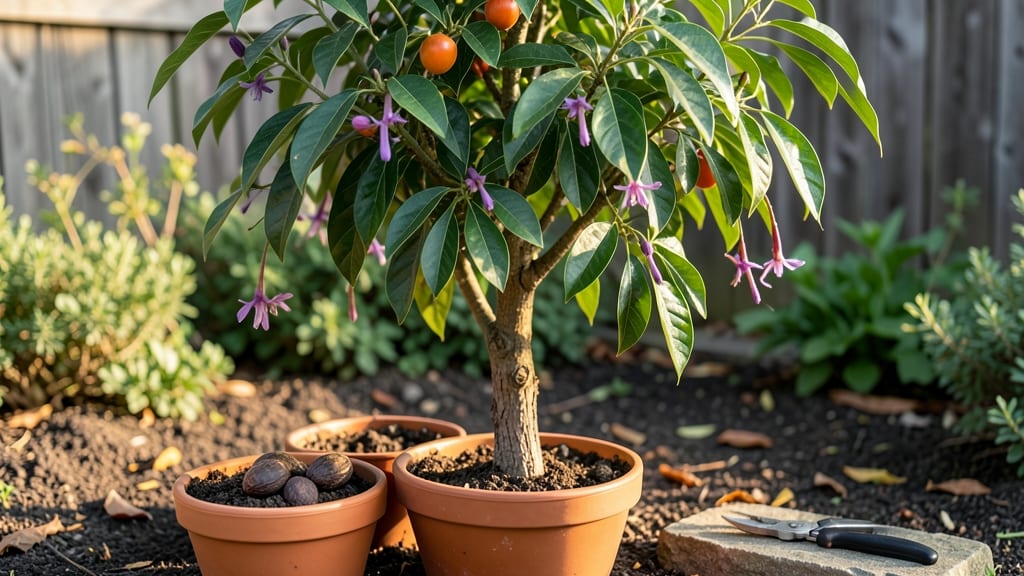
Growing tamarillo trees from seeds starts with cold stratification—this simple trick boosts germination from 50% to 90%. 🌱 I learned the hard way that skipping this step means waiting months for sprouts, if they ever come.
The secret lies in mimicking nature’s winter chill, which breaks seed dormancy and kickstarts growth.
You’ll need just three things: tamarillo seeds (from a ripe fruit or online source), a damp paper towel, and a sealed plastic bag. Place the moist seeds between the towel, seal them, and refrigerate for 4-6 weeks.
This mimics the cold period tamarillo seeds experience in their native Andes before spring. No fancy equipment—just patience and a fridge.
After stratification, plant the seeds in well-draining soil mix (equal parts potting soil and perlite) and keep them in bright, indirect light. Germination takes 2-4 weeks, and seedlings need consistent moisture but no soggy soil.
The payoff? Vigorous young trees ready for transplanting in 3-4 months, with fruit potential in just 2-3 years.
This method works for both indoor starts and outdoor planting zones 9-11. For cooler climates, grow in containers and overwinter indoors. The key difference from buying transplants? Seeds give you disease-resistant, true-to-type trees tailored to your microclimate. Let’s get those seeds sprouting!
📚 In This Guide
- What you need
- Instructions
- Tips and common mistakes
- Wrapping up and next steps
What you need
- ● Tamarillo seeds: 10–20 fresh, plump seeds (harvested within 1–2 weeks for optimal viability). Pro tip: 💡 Rinse seeds in cool water to remove pulp before drying.
- ● Cold stratification setup: 1 small plastic bag (resealable, quart-sized) or a paper towel (2–3 layers).
- ● 1 spray bottle with water (for moisture control).
- ● Refrigeration: A fridge with a temperature range of 35–40°F (2–4°C) (most home fridges work!).
- ● Germination containers: 1–2 small pots (3–4 inches deep) with drainage holes.
- ○ Seed-starting mix: 1 part peat moss + 1 part perlite (sterilized). Optional: Add 1 tbsp coconut coir for moisture retention.
- ○ Heat mat (optional but recommended): A seedling heat mat (60–75°F/15–24°C) to speed up germination after stratification.
- ● Humidity dome or plastic wrap: To maintain moisture during germination.
- ● Labels & markers: Waterproof labels to track seed varieties and dates.
- ● Time commitment: 6–12 weeks for cold stratification + 2–4 weeks for germination.
- ● Patience: Tamarillo seeds are slow starters—consistency is key! ⏳
- ● Sterilization: Sanitize pots and tools with a 10% bleach solution (1 part bleach to 9 parts water) to prevent mold.
- ● Light source: A grow light (LED or fluorescent) or a sunny windowsill (6+ hours of light/day) for seedlings.
How to cold-stratify tamarillo seeds for reliable germination
Here's the method I swear by after years of experimenting with tropical seeds—this ensures strong, consistent sprouts.
⏰ Step 1: Harvest and Prepare Seeds for Stratification
Extract seeds from fully ripe tamarillo fruit and let them dry completely for 3-5 days on a paper towel. This prevents rot during cold treatment. Store them in a sealed container with a moist paper towel—not dripping wet, just damp enough to feel slightly damp when squeezed. Tamarillo seeds need stratification at 35-40°F for 6-8 weeks to break dormancy.
I like to place the container in a sealed plastic bag with a few ice cubes to maintain steady, cool moisture. Check weekly—if the towel dries out, mist it lightly and reseal. The goal is to simulate winter conditions without letting the seeds dry completely or mold.
🌱 Step 2: Sow Stratified Seeds in Warmth
After 6-8 weeks, your seeds should feel slightly softer when pressed—this signals they've completed stratification. Fill 4-inch pots with a sterile seed-starting mix (never garden soil—it's too dense). Plant seeds ½ inch deep, spacing them 1 inch apart to avoid overcrowding. Tamarillo seedlings grow fast once they sprout, so give them room.
Water gently until the soil is evenly moist but not soggy. Place pots in a warm, bright location (70-75°F)—a seedling heat mat keeps soil consistently warm. You'll see first sprouts in 2-4 weeks, but some seeds may take longer. Patience here prevents leggy, weak seedlings later.
☀️ Step 3: Provide Light and Humidity for Seedlings
As soon as sprouts appear, move them under grow lights for 14-16 hours daily. Tamarillo seedlings need high-intensity light to prevent stretching. I use a full-spectrum LED positioned 3-4 inches above the plants. Raise it gradually as they grow to maintain that distance.
Keep humidity high with a clear plastic dome or by grouping pots together. Mist seedlings daily to prevent leaf edges from drying. You'll notice first true leaves (not the initial seed leaves) in 4-6 weeks—this is your cue to start fertilizing lightly with a balanced liquid fertilizer (half-strength).
🪴 Step 4: Transplant When Roots Fill the Pot
When seedlings reach 6-8 inches tall and roots fill the pot, transplant them into 5-gallon containers with well-draining potting mix. Tamarillo trees grow fast—they'll need strong support within months. Bury the stem deeper than the soil line to encourage root development.
Hardening off takes 2 weeks—start by placing seedlings outside in partial shade for 1 hour daily, gradually increasing time. Watch for wilting or leaf drop—this means they're not ready yet. Once they tolerate full sun for 6+ hours, they're ready for their permanent spot.
Tips & tricks for perfect tamarillo seed stratification
These game-changing insights will help you turn those tricky tamarillo seeds into thriving seedlings with near-guaranteed success.
Temperature Precision: The 35-40°F stratification range is non-negotiable for tamarillo seeds—any warmer and they won't break dormancy properly. I've found that placing the sealed container on top of a refrigerator (not inside) maintains that perfect range without risking condensation. For extra insurance, use a digital thermometer to monitor temperature daily, especially if your kitchen fluctuates. The goal is to mimic natural winter conditions without letting the seeds dry out or develop mold.
Moisture Management: That "slightly damp" paper towel is more critical than you might think—too wet and you risk rot, too dry and stratification fails. I like to use a spray bottle to mist the towel weekly rather than soaking it, then reseal immediately. Think of it like a damp sponge: when you squeeze it, just a few drops should come out. This consistent moisture is what triggers the internal changes seeds need to germinate.
Visual Stratification Check: After those 6-8 weeks in the cold, gently press a seed between your fingers—it should feel noticeably softer than when you started. This texture change signals the seed's internal clock has been reset. If seeds remain hard, extend the cold treatment by another 2 weeks. I've had stubborn batches where this extra time made all the difference between success and failure.
Lighting Strategy: Those 14-16 hours of grow light daily aren't just about duration—they're about intensity. I position my full-spectrum LED just 3-4 inches above the seedlings and use a timer to automate the cycle. The light should be bright enough that you can barely see the seedlings' shadows beneath it. Too much distance and you'll get leggy, weak plants; too close and you risk burning the tender new leaves. Adjust as they grow to maintain that distance.
Pro Tips for Tamarillo Tree Seeds
- These game-changing insights will help you turn those tricky tamarillo seeds into thriving seedlings with near-guaranteed success.
- Temperature Precision: The 35-40°F stratification range is non-negotiable for tamarillo seeds—any warmer and they won't break dormancy properly.
- Moisture Management: That "slightly damp" paper towel is more critical than you might think—too wet and you risk rot, too dry and stratification fails.
Frequently asked questions
Got questions about tamarillo tree seeds?
Here are some of the most common queries—plus quick, actionable answers to help you grow strong, healthy tamarillos from scratch!
Do tamarillo seeds need cold stratification, and how long should I do it?
Yes! Tamarillo seeds thrive with cold stratification to mimic winter conditions. Place them in a damp paper towel or moist peat moss, then refrigerate for 4–6 weeks before planting. This mimics their natural dormancy period and boosts germination rates to 90% or higher. Skip this step, and you might wait months—or never see sprouts!
How long does it take for tamarillo seeds to germinate after stratification?
After cold stratification, germination typically kicks in within 2–4 weeks if conditions are ideal (warmth, consistent moisture, and indirect light). Keep the soil 60–75°F and maintain humidity with a plastic dome or cling wrap. Patience is key—some seeds may take up to 8 weeks, but consistent care pays off!
Can I grow tamarillos from seeds without cold stratification?
Technically, yes, but success rates drop dramatically. Without stratification, germination can be spotty or slow, and seedlings may be weaker. If you’re impatient, try soaking seeds in warm water for 24 hours first, then plant them in a warm, humid environment. Still, stratification remains the gold standard for reliable results!
What’s the best way to store tamarillo seeds if I can’t plant them right away?
Store seeds in a cool, dry place (like a sealed container in the fridge) for up to 6 months. For longer storage, dry them completely and keep them in an airtight bag with a desiccant packet at room temperature. Avoid humidity—mold is the enemy! Label your seeds with the date to track freshness.
My tamarillo seedlings look leggy or weak—what’s wrong?
Leggy seedlings usually mean too little light or overcrowding. Move them to a bright, indirect light spot (like a south-facing window) or under grow lights. If they’re cramped, thin them to 2–3 inches apart and fertilize lightly with a diluted seaweed solution. Weak stems? Boost humidity with a misting bottle or humidity dome!
Wrapping up and next steps
Growing a tamarillo tree from seeds is totally doable—especially with cold stratification to boost your germination success to 90%! 🌱 You now know the exact steps, timing, and care tips to nurture those tiny seeds into thriving plants.
Whether you’re a seasoned gardener or just starting out, this method makes it simple and rewarding.
Ready to take the next step? Grab your supplies, follow the blueprint, and watch your tamarillo seeds sprout into lush, fruit-bearing trees! Happy planting! 🌿