
Pruning
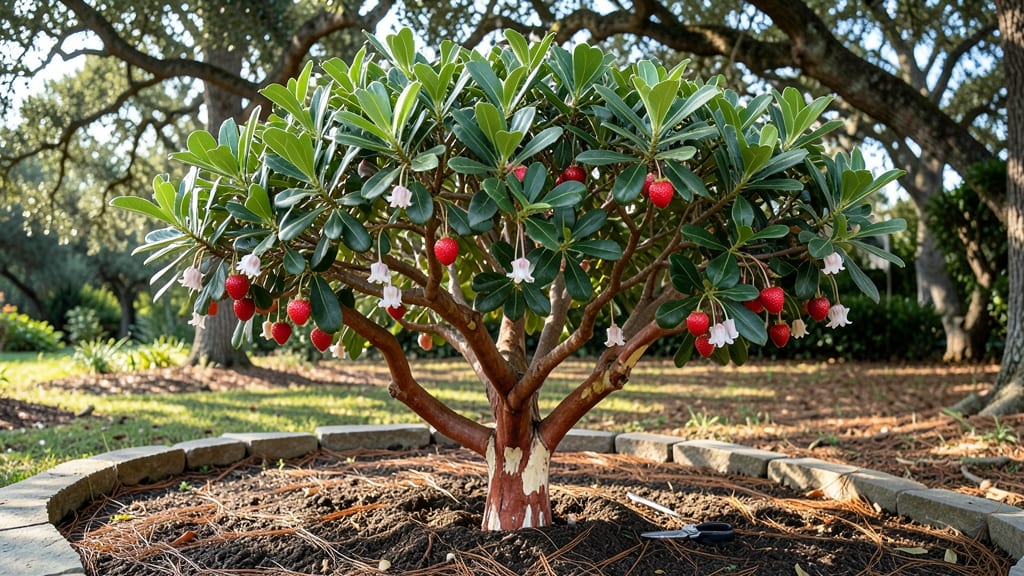
Growing a strawberry tree in Florida means you’ll have fragrant, evergreen foliage and edible berries year-round—but only if you prune it right. 🌿 I’ve watched mine transform from a scraggly sapling into a lush, fragrant canopy by pruning at the right times, and the difference is stunning.
Florida’s humidity and heat demand a different approach than cooler climates, but with the right timing and technique, your tree will thrive.
The key is year-round pruning, not just seasonal cuts. Lightly trim dead or crossing branches in spring, then do a more thorough shape-up after the berries ripen in fall. Florida’s warm winters mean you can prune almost anytime—just avoid heavy cuts when new growth is starting.
A sharp pair of pruners and a clear day are all you need to keep your tree looking its best.
What you’ll end up with is a fragrant, sun-dappled canopy that smells like strawberries even before the fruit appears. The tree’s peeling bark adds texture, and the glossy leaves stay vibrant through Florida’s heat.
Plus, you’ll get a modest harvest of sweet, wine-flavored berries—though the real prize is the intoxicating scent that fills your yard.
Works for coastal areas, inland Florida, and even containers if you’re short on space. The secret is adapting to Florida’s climate while keeping the pruning simple and consistent. Let’s get your strawberry tree looking—and smelling—like a dream.
📚 In This Guide
- What you need
- Instructions
- Tips and common mistakes
- Wrapping up and next steps
What you need
- ● Strawberry Tree Sapling: Choose a 2–3 year-old nursery-grown plant (available at local FL nurseries or online). Opt for dwarf varieties (6–10 ft tall) if space is limited.
- ● Well-Draining Soil: 60% native FL sandy loam (or 50% topsoil + 50% compost for richer growth).
- ● 20% perlite or coarse sand (to prevent root rot—critical in FL’s humid climate!).
- ● 10% pine bark fines (for aeration and acidity balance).
- ● Fertilizer: Acid-loving plant fertilizer (e.g., Miracle-Gro Azalea/Camellia)—apply twice yearly (spring & fall).
- ● Slow-release granules (e.g., Osmocote) for steady nutrients.
- ● Pruning Tools: Bypass pruners (for clean cuts on 1/4–1/2 inch stems).
- ● Loppers (for thicker branches, 3/4–1.5 inch diameter).
- ● Sterilized pruning saw (for stubborn branches, 2+ inches thick).
- ● Disinfectant (70% isopropyl alcohol or bleach solution)—clean tools between cuts to prevent disease.
- ● Mulch: 3–4 inches of pine straw or bark mulch (retains moisture and mimics FL’s natural ecosystem).
- ● Soil pH Test Kit—strawberry trees thrive in acidic soil (pH 4.5–6.0). Adjust with sulfur or peat moss if needed.
- ● Drip Irrigation System—automates watering (critical during FL’s dry spells).
- ● Tree Support Stakes (for young saplings in windy areas).
- ● Organic Pest Control: Neem oil or horticultural soap (for aphids or scale insects).
- ● Garden Gloves & Safety Glasses (for thorny branches and chemical handling).
Step-by-Step pruning guide for Florida's strawberry tree
Here's how to sculpt your fragrant Arbutus into a lush, year-round beauty.
🌿 Step 1: Identify Growth Cycles and Prune at the Right Time
The strawberry tree thrives when pruned in three distinct phases—each tied to its natural growth rhythm. Start with late winter pruning (January-February) when the tree is fully dormant. This is your chance to remove dead, crossing, or diseased branches first—they'll never produce flowers or fruit. Use sharp pruners to make clean cuts just above a bud or lateral branch, never leaving stubs.
Here's the thing—Florida's mild winters mean your tree might not fully dormancy. Watch for new leaf buds swelling (usually by mid-February) before you prune. If you cut too early, you'll remove next year's growth potential. I always do a visual sweep first: healthy branches have smooth, light brown bark; dead ones are dark, brittle, and often hollow.
✂️ Step 2: Shape the Canopy for Optimal Airflow and Fragrance
After removing the "bad wood," focus on structural shaping to encourage that signature strawberry-scented foliage. Aim for a rounded, open center—this prevents fungal diseases by improving airflow. Start by thinning out overcrowded branches from the center outward, removing every third branch that's growing inward. You want sunlight to penetrate to the inner canopy, where those fragrant leaves develop.
For side branches, I like to create a tiered effect—longer branches on the bottom, progressively shorter as you move up. This mimics the tree's natural growth pattern and makes harvesting those edible leaves easier. Never remove more than one-third of the canopy in a single pruning session, or you'll shock the tree. Florida's heat is relentless, and a stressed tree will drop leaves faster than you can say "strawberry jam."
☀️ Step 3: Summer Light Pruning to Encourage New Growth
Mid-summer (around July-August) is when you do light maintenance pruning—no heavy cuts, just tidy-ups. This is your chance to remove any water sprouts (those fast-growing, vertical shoots that pop up everywhere) and any branches that are growing at unusual angles (like straight up or down). These won't contribute to the tree's signature rounded shape or fragrance.
Watch for leaf scorch during this time—if you see crispy edges on new growth, your tree is telling you it needs more shade (especially in central Florida). I always do a dappled shade check: if the tree is getting direct afternoon sun for more than 4 hours, consider moving it slightly or adding a light fabric shade cloth for a few weeks. The goal is to keep those leaves lush and fragrant, not crispy.
🌱 Step 4: Fall Fertilization and Minimal Pruning for Winter Prep
By October-November, your tree should be showing signs of new growth flushes—this is your cue to do a final light pruning and fertilize. Remove any deadheading flowers (they won't produce fruit in Florida's climate) and any branches that are rubbing together (they'll create wounds where pests love to hide). Use a balanced 10-10-10 fertilizer (about 1/2 cup per inch of trunk diameter) to encourage root growth before winter.
Here's where Florida's unique climate plays a role: unlike northern trees, your strawberry tree won't go fully dormant. Instead, it'll grow slowly year-round. That means you can lightly prune in December if you see any dieback from cold snaps (Florida's occasional 30°F nights can do a number). Just remove the obviously dead wood—no heavy cuts. The tree's natural resilience will handle the rest.
Tips & tricks for perfect strawberry tree pruning in Florida
A few strategic moves will transform your strawberry tree from ordinary to extraordinary—especially in Florida's unique climate.
Timing Secret: The January-February window for late winter pruning is your best bet, but don't rush! Wait until you see those first leaf buds swelling—usually by mid-February. This ensures you're not cutting off next year's growth potential. I've learned the hard way that pruning too early can leave your tree looking bare for months. Trust the buds—they're nature's calendar.
Canopy Architecture: When shaping in Step 2, think of your tree like a tiered wedding cake—longer branches at the bottom, progressively shorter as you move up. This natural tiering mimics how the tree grows and makes harvesting those fragrant leaves effortless. Remember, never remove more than one-third of the canopy at once, or you'll shock the tree and invite pests. Florida's heat is unforgiving, and a stressed tree will drop leaves faster than you can say "strawberry jam."
Summer Shade Strategy: During July-August's light pruning, watch for leaf scorch like a hawk—especially in central Florida. If new growth shows crispy edges, your tree is begging for more shade. I always do a quick "dappled shade check": if it's getting direct afternoon sun for more than 4 hours, consider moving it slightly or adding a light fabric shade cloth. The goal is fragrant leaves, not crispy ones.
Fertilizer Precision: That 10-10-10 fertilizer in October-November is your secret weapon. Measure exactly 1/2 cup per inch of trunk diameter—no more, no less. Too much nitrogen can burn roots, while too little won't give you that lush growth we're after. I like to apply it in a circular pattern around the drip line, then water thoroughly. This encourages root growth while preparing your tree for Florida's occasional 30°F nights.
Pro Tips for Strawberry Tree Florida
- A few strategic moves will transform your strawberry tree from ordinary to extraordinary—especially in Florida's unique climate.
- Timing Secret: The January-February window for late winter pruning is your best bet, but don't rush!
- Canopy Architecture: When shaping in Step 2, think of your tree like a tiered wedding cake—longer branches at the bottom, progressively shorter as you move up.
Frequently asked questions
Got questions about growing and pruning your strawberry tree (Arbutus unedo) in Florida? We’ve got answers!
Whether you’re a newbie or a seasoned gardener, these FAQs will help you keep your fragrant, evergreen beauty thriving year-round.
When is the best time to prune my strawberry tree in Florida’s climate?
The ideal time to prune is late winter or early spring (February–March), just before new growth begins. This timing promotes healthy blooms and fruit while avoiding the stress of pruning during Florida’s hot summers. Light trimming to shape or remove dead wood can also happen in fall—just avoid heavy pruning then.
How much can I prune without harming my strawberry tree?
You can safely remove up to 25–30% of the tree’s foliage in one session, but avoid over-pruning. Focus on:
- Dead, diseased, or crossing branches
- Suckers at the base (unless you want a hedge)
- Overcrowded growth to improve airflow
Will pruning my strawberry tree reduce fruit production?
Not if done correctly! Pruning stimulates fruit production by redirecting energy to new growth. However, avoid heavy pruning during flowering or fruiting seasons (fall/winter). If you prune too late, you might delay next year’s harvest. Balance pruning with patience—your tree will reward you with abundant, aromatic berries!
Are strawberry trees prone to pests or diseases in Florida?
Florida’s humidity can attract scale insects, spider mites, or fungal issues like powdery mildew. Watch for:
- Sticky residue (aphids/scale)
- Yellowing leaves (mites or overwatering)
- White powder (fungus)
Can I grow a strawberry tree in a container, or does it need to be planted in the ground?
Yes! Strawberry trees thrive in large containers (15+ gallons) with well-draining soil and a slightly acidic pH (5.5–6.5). Use a mix of:
- Potting soil
- Perlite or sand (for drainage)
- Compost (for nutrients)
Wrapping up and next steps
The strawberry tree (Arbutus unedo) is a Florida gardener’s dream—offering fragrant blooms, vibrant foliage, and low-maintenance care. With the right pruning techniques, you’ll encourage lush, year-round growth and bountiful harvests of edible berries.
Whether you’re a seasoned pruner or just starting, these steps will keep your tree thriving for decades to come! 🌿
Ready to transform your landscape? Start by assessing your tree’s health—trim dead branches first, then shape it in early spring or late winter. Pro tip: Use sterilized tools and take your time for the best results!
Grab your shears and get growing—your strawberry tree will thank you with beauty (and berries) for years.