
Trees
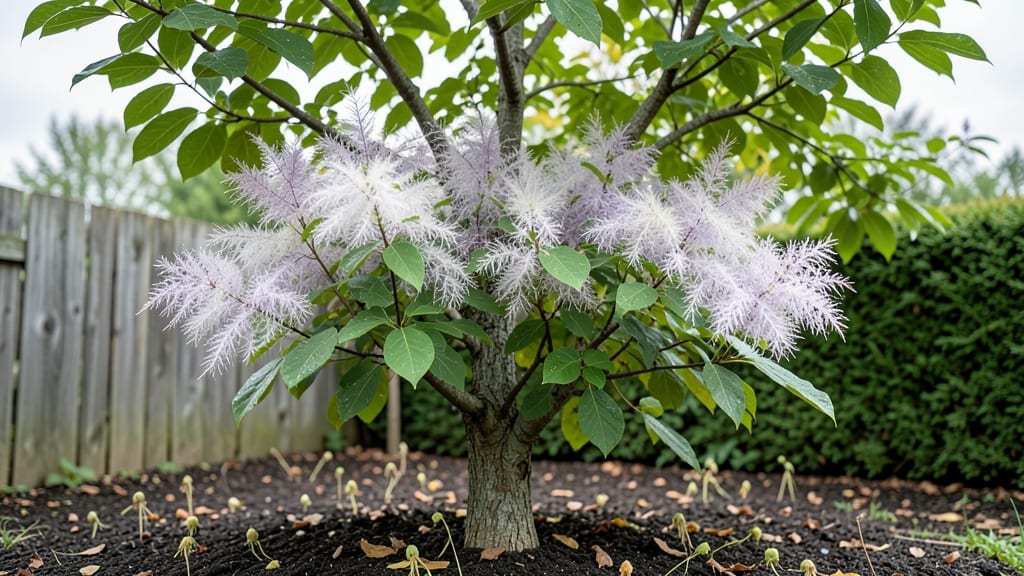
The white smoke tree (Cotinus coggygria) thrives where winters chill its roots just enough to trigger stunning winter blooms. 🌿 I’ve learned that planting in cooler climates—zones 5-8—actually enhances its fragrance and hardiness, proving nature’s quirks can work in your favor.
This tree loves full sun but tolerates partial shade, making it versatile for small yards or urban spaces. Plant in well-draining soil with 3-5 feet of spacing between stems, and water deeply after planting to help roots establish. The secret? Cold-stressed roots—they’re the key to those fragrant winter flowers.
📚 In This Guide
- What you need
- Instructions
- Tips and common mistakes
- Wrapping up and next steps
What you need
- ● Smoke Tree White plant: 1 nursery-grown sapling (3–5 gallons) or seeds (if propagating from scratch). Pro tip: 💡 Young plants thrive best when purchased from reputable growers.
- ● Well-draining soil: Mix 60% native soil with 30% compost and 10% perlite or coarse sand (1 cubic yard per planting site).
- ● Organic mulch: 2–3 inches of wood chips or shredded bark to retain moisture and regulate temperature.
- ● Garden trowel or spade: For digging holes (12–18 inches deep/wide).
- ● Gloves & knee pads: To protect your hands and joints during planting.
- ● Watering can or hose with nozzle: For gentle, deep watering (avoid overhead sprinklers).
- ○ Pruning shears (optional): For shaping young plants or removing dead branches.
- ● Sunlight: Full sun (6+ hours daily) or partial shade (morning sun, afternoon shade in hot climates).
- ● Hardiness zone: USDA Zones 5–9 (cold-hardy but benefits from winter mulch in Zone 5).
- ● Spacing: 10–15 feet apart for mature trees (they grow 15–20 feet tall/wide).
Step-by-Step guide for planting and caring for smoke tree white
Here’s how to establish your smoke tree for stunning winter fragrance and cold-hardy beauty.
🪴 Step 1: Choose the Perfect Planting Site
Smoke trees thrive in full sun to partial shade, but the key is drainage. These plants despise soggy roots, so pick a spot where water runs away quickly—even in winter. If your soil drains poorly, amend with 2-3 inches of gritty material like coarse sand or gravel before planting.
Test the site by digging a hole and filling it with water. If it drains in less than 2 hours, you’re good. If not, raise the planting area by mounding soil or using a container with drainage holes. Smoke trees also tolerate urban pollution, making them ideal for city landscapes.
🌱 Step 2: Plant with Proper Spacing and Root Care
Dig a hole twice as wide as the root ball but no deeper. Gently loosen the roots if they’re circling—this prevents girdling as the tree matures. Place the smoke tree at the same depth it was growing in the nursery, with the top of the root ball level with the surrounding soil.
Backfill with native soil mixed with compost to improve fertility without compacting. Water deeply to settle the soil, then add a 2-inch layer of mulch around the base, keeping it 6 inches away from the trunk. Mulch helps regulate soil temperature and retain moisture, which is critical during dry spells.
☀️ Step 3: Water Deeply and Adjust for Seasonal Needs
After planting, water once a week for the first month, providing 1-2 gallons per tree to encourage root establishment. Let the top 2-3 inches of soil dry out between waterings—overwatering suffocates roots and leads to rot. Smoke trees are drought-tolerant once established, but young plants need consistent moisture.
In winter, reduce watering to once every 3-4 weeks unless temperatures drop below 10°F. The tree’s natural dormancy helps it survive cold, but a light layer of mulch (up to 3 inches) protects roots from extreme fluctuations. Avoid wetting the foliage in winter, as frost can damage tender new growth.
✂️ Step 4: Prune for Shape and Winter Prep
Prune in late winter or early spring before new growth begins. Remove any dead, diseased, or crossing branches first—smoke trees respond well to light shaping. Aim to maintain an open center for airflow, which reduces fungal risks. You can also trim back up to ⅓ of the plant’s height to encourage denser foliage.
This is also the time to fertilize lightly with a balanced, slow-release fertilizer (10-10-10 ratio). Apply it in early spring when the soil is workable but before buds swell. Avoid heavy feeding in fall, as it encourages late-season growth that won’t harden off before winter.
🌿 Step 5: Monitor for Pests and Winter Stress
Smoke trees are generally pest-resistant, but watch for scale insects or aphids on new growth. Treat with horticultural oil in early spring if you spot sticky residue (honeydew) on leaves. Avoid chemical sprays, as they can harm beneficial insects and the tree’s delicate foliage.
In winter, check for signs of winter burn—brown, crispy edges on leaves. This happens when roots can’t absorb enough water due to frozen soil. If it occurs, trim affected branches in spring and water deeply once the ground thaws. With proper care, your smoke tree will reward you with fragrant blooms and stunning winter interest for decades.
Tips & tricks for perfect smoke tree white planting
These practical insights will help you avoid common pitfalls and ensure your smoke tree thrives for years to come.
Drainage Test: The 2-hour drainage test in Step 1 is non-negotiable for smoke trees. I've seen too many growers skip this step and end up with root rot within months. If your soil fails the test, consider planting in a raised bed or container with drainage holes—this simple adjustment can save your tree from soggy soil stress.
Root Ball Care: When loosening circling roots in Step 2, focus on the outer edges rather than digging aggressively. I learned this the hard way after tearing roots beyond repair. A gentle approach prevents trauma while still preventing girdling. The goal is to encourage outward root growth, not create wounds.
Mulch Layering: The 2-inch mulch layer in Step 2 serves multiple purposes beyond moisture retention. It also helps regulate soil temperature, which is especially important during our unpredictable spring freezes. In colder climates, I recommend adding an extra inch of mulch in winter to create that protective barrier against temperature swings.
Winter Watering: The once-every-3-4-weeks winter watering guideline in Step 3 assumes normal conditions. If temperatures drop below 10°F, you might need to adjust this schedule. I've found that checking soil moisture with your finger—rather than relying solely on the calendar—gives more accurate results. The soil should feel dry 2-3 inches down before watering again.
Pro Tips for Smoke Tree White
- These practical insights will help you avoid common pitfalls and ensure your smoke tree thrives for years to come.
- Drainage Test: The 2-hour drainage test in Step 1 is non-negotiable for smoke trees.
- Root Ball Care: When loosening circling roots in Step 2, focus on the outer edges rather than digging aggressively.
Frequently asked questions
about growing Smoke Tree White (Cotinus obovatus 'White Wonder') can help you avoid common pitfalls and maximize your success. Here are answers to the most common inquiries:Why does my Smoke Tree White have yellow leaves?
Yellowing leaves on your Smoke Tree White are often a sign of overwatering or nutrient deficiency. This tree thrives in well-draining soil—ensure it’s not soggy. Check the roots for rot if yellowing persists. A balanced fertilizer in early spring can also help restore vibrancy.
How cold-hardy is the Smoke Tree White?
The Smoke Tree White is highly cold-tolerant, surviving down to -20°F (-29°C) with proper care. However, young trees may need winter mulching (3–4 inches of mulch) to protect roots. Avoid heavy snow load on branches by gently shaking off accumulation in stormy weather.
How long does it take for a Smoke Tree White to bloom?
With patience, your Smoke Tree White will reward you with fragrant white blooms in 3–5 years from planting. For faster results, choose a 2–3-year-old nursery-grown tree, which may bloom within 1–2 years. Prune lightly in late winter to encourage healthy growth and flowering.
Can I grow Smoke Tree White in containers?
While Smoke Tree White can thrive in large containers (15+ gallons), it’s best suited for ground planting due to its mature size (10–15 feet). If container-grown, use well-draining potting mix, repot every 2–3 years, and ensure the pot has drainage holes to prevent root rot.
Are there pests I should watch for on Smoke Tree White?
This tree is disease-resistant but may attract aphids, spider mites, or scale insects. Monitor leaves for sticky residue or webbing. Treat infestations early with neem oil or insecticidal soap. Healthy trees with proper spacing and airflow rarely face severe pest issues.
Wrapping up and next steps
The Smoke Tree White (Cotinus obovatus) is a stunning, low-maintenance tree that rewards patience with its fragrant winter blooms and striking foliage.
Whether you’re a seasoned gardener or just starting, its cold-hardy roots and adaptability make it a fantastic addition to any landscape. Ready to transform your yard? Grab your gloves, pick a sunny spot, and get planting—your future winter garden will thank you!
🌱 Next step: Mark your calendar for fall planting (or early spring) and watch your Smoke Tree White thrive with minimal fuss!