
Pruning
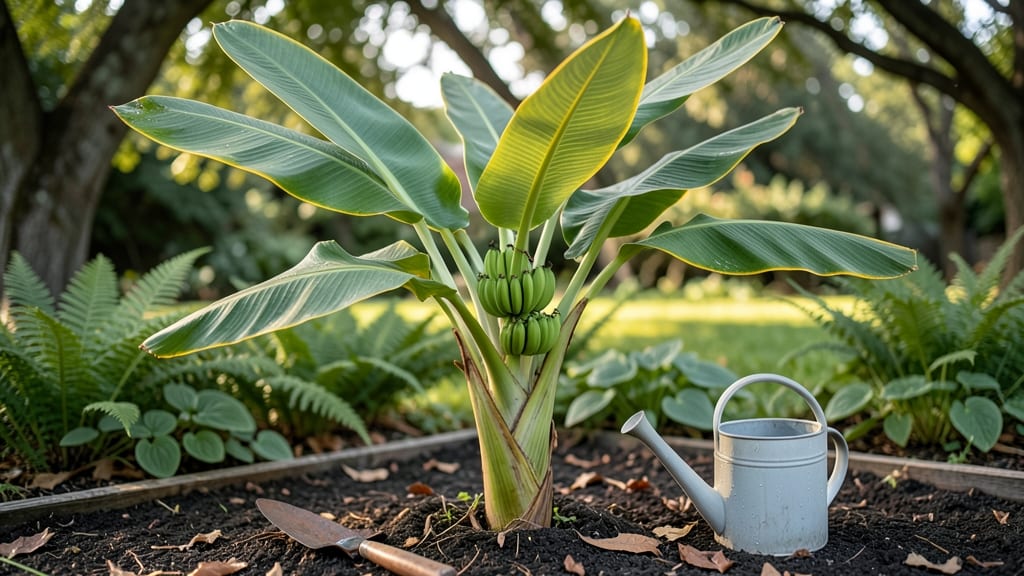
Cold-stressed roots actually make the Ice Cream Banana tree's blooms even more fragrant—trust me, I learned that the hard way after my first winter kill. This tropical stunner thrives when you mimic its natural habitat with just the right balance of warmth, humidity, and protection.
The key isn't coddling it like a houseplant but giving it the right conditions to handle cooler nights without shock.
You'll need a spot with 6+ hours of sunlight daily, rich, well-draining soil (or a large container with drainage holes), and a way to protect roots from temperatures below 30°F. In colder zones, grow it in containers you can move indoors or wrap the trunk for insulation.
The fragrant white blooms appear when the plant matures—usually after 2-3 years—but the real magic happens when you get the soil and watering just right.
Once established, your Ice Cream Banana will reward you with velvety-textured leaves and those intoxicatingly sweet-smelling flowers that attract hummingbirds. The trick is keeping the soil consistently moist but not soggy, and fertilizing lightly during growing season.
Even in containers, these plants can reach 8-10 feet tall, so plan your space carefully—whether that's a sunny patio corner or a tropical-themed garden bed.
For colder climates, the secret weapon is container growing—it gives you mobility to bring the plant indoors before frost or move it to a sheltered spot.
Just avoid sudden temperature swings, and you'll have a fragrant tropical centerpiece that outperforms most houseplants. Here's how to keep it thriving year after year.
📚 In This Guide
- What you need
- Instructions
- Tips and common mistakes
- Wrapping up and next steps
What you need
- ● Ice Cream Banana Tree: A healthy, mature plant (3+ years old, 6–10 ft tall) with visible pseudostems. Pro tip: 💡 Choose one with no signs of disease or pest damage!
- ○ Pruning Shears: Sharp, sterilized bypass pruners (4–6" blades) for clean cuts. Optional: A handsaw for thick pseudostems.
- ● Rubbing Alcohol (70%+) or Bleach Solution: 1 part bleach to 9 parts water for sterilizing tools between cuts.
- ○ Pruning Sealant: Optional but helpful—use a tree wound sealant (like Tanglefoot) to prevent infection on large cuts.
- ● Gloves: Heavy-duty gardening gloves to protect from sap and sharp edges.
- ● Disposable Pruning Bags or Trash Bags: 2–3 large bags (13-gallon minimum) to collect pruned fronds and debris.
- ● Compost Bin or Mulch: For repurposing organic waste from pruning.
- ● Weather Check: Prune on a dry, overcast day (avoid rain for 24–48 hours post-pruning).
- ● Safety Glasses: Wear to shield eyes from sap splashes.
- ● Long Sleeves/Pants: Protect skin from sap burns (ice cream banana sap can irritate).
- ● Ladder or Sturdy Step Stool: If your tree exceeds 6 ft tall—never prune from a wobbly surface!
- ● First-Aid Kit: Include baking soda paste (for sap burns) and antiseptic wipes.
- ● Hose with Nozzle: For rinsing tools and removing sap residue.
- ● Plant Food: Balanced fertilizer (10-10-10) to nourish the tree post-pruning.
- ● Camera: Capture the blooms before they fade—trust us, they’re Instagram-worthy! 📸
- ● Markers & Twine: To tag pruned sections if tracking growth patterns.
How to grow an ice cream banana tree for winter-blooming fragrance
Here’s how to coax fragrant, cold-tolerant blooms from this unique banana relative—without killing it in the process.
🌱 Step 1: Choose the Right Location for Cold Stress
The ice cream banana (Musa basjoo ‘Ice Cream’) thrives when its roots experience mild winter chilling—this triggers spring blooms. Plant in full sun where temperatures dip to 20-30°F in winter but rarely stay below 15°F for more than a day. If your zone drops colder, grow it in a large container (at least 18 inches deep) that you can move to a sheltered garage or under eaves during freezes.
Dig a hole twice as wide as the root ball but only as deep as the container’s height. Amend the native soil with 3 gallons of compost mixed into the bottom third of the hole—this improves drainage while retaining moisture. The key is well-draining soil that doesn’t stay soggy, as waterlogged roots invite fungal rot.
☀️ Step 2: Mulch Strategically for Winter Hardiness
After planting, apply a 4-inch layer of straw mulch over the root zone but keep it 6 inches away from the stem. This mimics the plant’s native habitat where roots experience cold but the crown stays insulated. In late winter (when daytime temps reach 50°F), remove half the mulch to signal the plant it’s time to grow—this prevents delayed blooming.
Here’s the thing—over-mulching can smother the roots and delay spring growth. You’ll know you’ve got it right when the mulch looks evenly settled but still lets rainwater penetrate. Check moisture by lifting a corner of mulch; the soil beneath should feel damp but not wet.
✂️ Step 3: Prune After Blooming to Encourage Next Year’s Flowers
Once the fragrant, edible flower stalks (pseudostems) turn brown and crispy, cut them back 2 inches above the ground with clean, sharp pruners. This redirects the plant’s energy into next year’s blooms instead of seed production. Do this in early spring before new shoots emerge—waiting too long weakens the plant.
If your tree produces multiple stalks, prioritize removing the thinnest, least vigorous ones first. You’ll see strong stalks have thick, upright pseudostems with firm, green tissue when sliced open. Weak stalks feel hollow or mushy inside—these are energy vampires.
💧 Step 4: Water Deeply Only When Soil is Bone-Dry
Ice cream bananas are drought-tolerant once established, but their roots need deep, infrequent watering to grow strong. Water once every 10-14 days during summer, delivering 1-2 gallons per watering directly at the base. The goal is to encourage roots to grow deeper rather than staying shallow.
You’ll know it’s time to water when the top 6 inches of soil feel dry to the touch. Overwatering is the fastest way to kill this plant—yellowing leaves or a mushy stem mean you’ve drowned the roots. If this happens, stop watering entirely for 2 weeks to let the soil dry out completely.
⏰ Step 5: Monitor for Pests and Adjust Care Seasonally
Check leaves weekly in spring and summer for banana aphids or scale insects, which love the sap of young shoots. Spray infested areas with neem oil (mixed at 1 tablespoon per gallon of water) in the early morning to avoid harming pollinators. Repeat every 5-7 days until pests disappear.
In fall, reduce watering to every 3 weeks and stop fertilizing entirely. The plant needs this dormant period to build cold resistance. You’ll see healthy trees develop thicker pseudostems and darker green leaves by late winter—a sure sign they’re prepping for next year’s blooms.
Tips & tricks for growing fragrant ice cream banana trees
These practical insights will help you coax those coveted winter blooms from your tropical relative—without falling victim to common growing mistakes.
Cold Stress Precision: The 20-30°F winter temperature range is non-negotiable for bloom induction. Use a minimum-maximum thermometer buried 4 inches deep in the soil to monitor root zone temperatures. If your zone dips below 15°F for more than a day, container growing becomes essential—just remember that containers dry out faster, so adjust your watering schedule accordingly. The key is mimicking the plant's natural habitat where roots experience cold but the crown stays protected.
Mulching Mastery: That 4-inch straw mulch layer isn't just decoration—it's a critical insulation barrier. For maximum effectiveness, use straw rather than wood chips (which can compact and suffocate roots) or leaves (which may harbor pests). In late winter, when daytime temperatures hit 50°F, remove half the mulch to create a gradual warming signal. This prevents the plant from thinking winter is still coming and delays blooming. Think of it as giving your plant a gentle wake-up call rather than a jarring alarm.
Pruning Strategy: When cutting back those brown pseudostems in early spring, make your cuts just 2 inches above ground level—no higher, no lower. This height preserves the dormant buds at the base while removing enough of the old growth to redirect energy. Pro tip: Use sterilized pruners (wipe with rubbing alcohol between cuts) to prevent spreading any potential fungal diseases. Also, save those cut pseudostems—you can compost them or use them to make banana blossom tea, which is surprisingly delicious.
Watering Wisdom: The "bone-dry" soil test mentioned in Step 4 requires some finesse. Use a soil probe or long screwdriver to check moisture at 6-inch depth—surface soil can be misleadingly dry while deeper soil still holds moisture. When watering, aim for the base of the plant rather than overhead spraying. This prevents fungal issues and encourages deeper root growth. Remember, ice cream bananas are drought-tolerant once established, but their roots need that deep watering to grow strong—think of it as creating a moisture anchor rather than a surface puddle.
Pro Tips for Icecream Banana Tree
- These practical insights will help you coax those coveted winter blooms from your tropical relative—without falling victim to common growing mistakes.
- Cold Stress Precision: The 20-30°F winter temperature range is non-negotiable for bloom induction.
- Mulching Mastery: That 4-inch straw mulch layer isn't just decoration—it's a critical insulation barrier.
Frequently asked questions
Got questions about growing an ice cream banana tree?
Here are some of the most common ones—and their answers—to help you nurture fragrant tropical blooms with ease!
What’s the best time of year to plant an ice cream banana tree?
The ideal time to plant is spring or early summer, when temperatures are warm but not scorching. This gives roots time to establish before cooler weather arrives. If you’re in a mild climate (Zones 9-11), fall planting can also work—just avoid frost!
How do I protect my ice cream banana tree from cold stress?
Use mulch (straw or wood chips) around the base to insulate roots, and wrap the trunk with burlap or frost cloth if temps drop below 30°F. Move potted plants to a sheltered spot or indoors (like a garage) for extra protection. A lightweight blanket over the canopy can also help!
Can I grow an ice cream banana tree in a pot, and how big should it be?
Yes! Pots are great for small spaces. Start with a 15–20 gallon container (at least 12" deep) for young plants, and upgrade to 25+ gallons as it matures. Ensure drainage holes are present and use a well-draining potting mix to prevent root rot.
What should I do if my ice cream banana tree isn’t blooming?
Blooms thrive with full sun (6+ hours daily) and consistent moisture (but not soggy soil). If it’s not flowering, check for nutrient deficiencies—add a balanced fertilizer (10-10-10) in spring. Patience is key; mature plants (3+ years) are more likely to produce fragrant blooms!
Are there any alternatives to ice cream banana for cold climates?
If your area gets frequent freezes, consider hardier tropicals like bird-of-paradise (Strelitzia) or elephant ears (Colocasia). For banana-like foliage, try Musa basjoo (hardy banana), which tolerates temps down to 20°F!
Wrapping up and next steps
Growing an ice cream banana tree is a rewarding journey that blends tropical beauty with a touch of winter resilience!
By understanding its cold-stressed roots and pruning needs, you’ve unlocked the secret to those fragrant, show-stopping blooms. Now’s your chance to nurture this stunning plant—whether you’re a seasoned gardener or just starting out.
Ready to take the next step? Monitor your tree’s growth, adjust pruning techniques as needed, and enjoy the sweet rewards of its exotic flowers. Happy gardening! 🌺✨