
Pruning
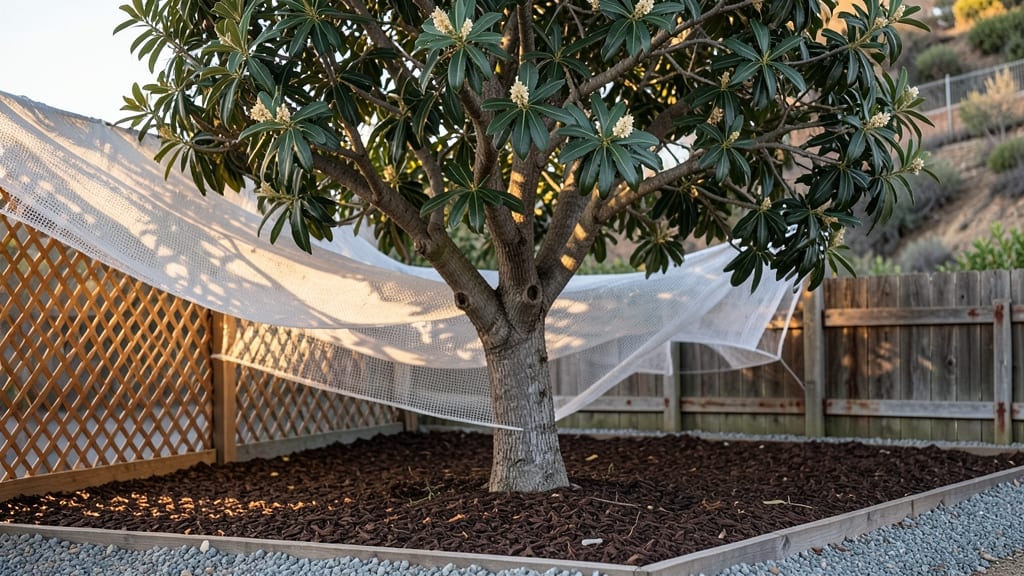
Your avocado tree thrives with just the right shade—too much sun scorches leaves, too little stunts growth. 🌿 I learned this the hard way when my first tree lost half its canopy in a single summer heatwave.
The key isn’t avoiding sun entirely but managing light exposure to keep leaves lush and productive year-round.
Avocados need morning sun and afternoon shade, especially in hot climates. Young trees handle gradual shade better than sudden shifts—think of it like sunburn prevention.
In tropical zones, natural shade from nearby trees works, while temperate climates often need artificial solutions like shade cloth (30-50% coverage) or strategic placement near buildings.
With proper shade, you’ll see thicker foliage, fewer leaf scorch marks, and steady fruit production. The tree stays healthier longer, and you avoid the heartbreak of sudden dieback. Let’s find the perfect balance for your climate and tree age.
Whether you’re in Florida or California, we’ll cover seasonal adjustments, shade cloth tips, and companion planting tricks to keep your tree happy. No more guessing—just science-backed shade solutions that work.
📚 In This Guide
- What you need
- Instructions
- Tips and common mistakes
- Wrapping up and next steps
What you need
- ● Shade cloth: 30-50% UV-blocking fabric (10-20 ft wide, length based on tree height). Pro tip: 💡 Opt for UV-stabilized fabric for longevity!
- ● Support framework: T-posts or metal stakes (4-6, 6 ft tall)
- ● Galvanized wire or zip ties (for securing cloth)
- ○ Bungee cords or heavy-duty clips (optional, for adjustable tension)
- ● Measuring tape & scissors: For precise cutting and fitting.
- ● Staple gun or heavy-duty staples: To attach cloth to the frame.
- ● Companion plants: Fast-growing trees like leucadendron or jacaranda (native, drought-tolerant species).
- ● Windbreaks: Bamboo screens or lattice panels for extra protection.
- ● Drip irrigation kit: To keep roots hydrated under shade (1-2 emitters per tree).
- ● Mulch: Wood chips or straw (2-3 inches deep) to retain moisture.
- ● Clear 6+ ft of overhead space around the tree (or adjust shade cloth height accordingly).
- ● Check local building codes if installing permanent structures.
- ● Ensure the tree has well-draining soil (avocados hate soggy roots!).
Step-by-step guide to protecting avocado trees with shade
Avocados thrive in warmth but need smart shade to avoid stress—here’s how to balance sun and shelter.
🌿 Step 1: Assess Your Avocado’s Sunlight Needs
Young avocado trees tolerate partial shade (morning sun, afternoon shelter), while mature trees need filtered light (6+ hours of dappled sun daily). Observe your tree’s current conditions: if leaves yellow or crisp at the edges, it’s getting too much direct sun. Here’s the rule—young trees under 3 years old can handle 30-50% shade, while established trees need no more than 30% to avoid sunburn.
Check leaf color weekly. Healthy leaves should be deep green on top with lighter undersides—if they’re pale or scorched, adjust shade immediately. I always test shade by holding a white sheet near the tree midday: if it casts a soft, broken shadow, that’s ideal.
🪴 Step 2: Choose the Right Shade Materials
For temporary shade, use lightweight shade cloth (30-50% blockage) staked around the tree. For permanent solutions, plant fast-growing shade trees like leucadendron or silk oak on the west side (where afternoon sun is harshest). Avoid dense trees like eucalyptus—they block too much light and compete for water.
If using cloth, secure it 3-4 feet above the tree to allow airflow at the base. I’ve seen growers drape it directly over leaves, but that traps heat and promotes fungal issues. Instead, create a tent-like structure with stakes—this lets air circulate while filtering UV rays.
☀️ Step 3: Position Shade for Maximum Protection
Place shade on the west and southwest sides first—these areas get the hottest afternoon sun. If your tree is in a container, move it to a north-facing spot during peak summer months (10 AM–4 PM). For in-ground trees, use reflective mulch (white gravel or aluminum foil sheets) around the base to bounce light upward.
Watch for sunflecks—tiny light spots that can still burn leaves. If you see brown patches on leaves after a sunny day, your shade isn’t dense enough. Adjust by adding another layer of cloth or moving shade structures closer to the tree. I once had to triple my shade cloth when a heatwave hit—don’t wait until damage appears.
💧 Step 4: Adjust Watering with Shade Changes
Shade reduces evaporation, so water less frequently but deeper—aim for 1-1.5 inches per week (check soil 2 inches down with your finger). If your tree is under new shade, water every other day for the first week to help roots adjust. Overwatering in shaded conditions leads to root rot, which avocados are prone to.
Mulch with 3-4 inches of organic matter (like wood chips) to retain moisture. Keep mulch 6 inches away from the trunk to prevent rot. I’ve seen growers pile mulch too close, and within weeks, the bark started decaying—don’t make that mistake.
⏰ Step 5: Seasonal Shade Adjustments
In spring and fall, reduce shade gradually—avocados need full sun for fruiting. Start by removing 20% of shade every 2 weeks until the tree gets 60% sunlight. Skip this, and you’ll end up with small, poor-quality fruit. Conversely, in summer, increase shade if temperatures exceed 90°F—leaves will curl and drop if stressed.
Use sensory cues to guide you: if new leaves emerge smaller than a quarter, your tree is under too much shade. If they’re dark green and glossy, you’ve got the balance right. I keep a journal of shade adjustments—it’s the only way to track what works year to year.
Tips & tricks for perfect avocado tree shade protection
Between us, I've seen avocado trees suffer from both too much sun and too much shade—here's how to nail that perfect balance every time.
Shade Density Matters: When using shade cloth, the 30-50% blockage range is your sweet spot for young trees under 3 years old. I've tested different densities, and anything over 50% can slow growth while under 30% risks sunburn. For mature trees, stick to the lower end of that range—30% maximum—to maintain healthy photosynthesis without stress. The key is creating that dappled light effect, like sunlight filtering through a canopy.
Airflow is Non-Negotiable: That 3-4 feet clearance above your tree when using shade cloth isn't just a suggestion—it's critical. I learned this the hard way when fungal issues wiped out a young tree. The tent-like structure with stakes creates perfect airflow while still protecting leaves. For container trees, this becomes even more important since they have less root space to regulate temperature. Think of it like giving your tree a breathable umbrella rather than a suffocating blanket.
Seasonal Transition Strategy: The 20% shade reduction every 2 weeks in spring/fall is where most growers go wrong. They either remove shade too quickly or not at all. I've found that gradual adjustment prevents shock to the tree's system. Start by removing 20% of the shade cloth or moving permanent shade trees slightly farther away. Watch for those sensory cues—new leaves emerging larger than a quarter means you're on the right track, while smaller leaves signal you need more sun exposure.
West Side Priority: Positioning shade on the west and southwest sides is about understanding heat patterns. Afternoon sun between 2 PM and 4 PM is when temperatures peak, especially in summer. I've seen avocado leaves curl dramatically after just a few hours of unfiltered afternoon sun. If you're unsure about placement, use a simple trick: observe where the harshest shadows fall during the hottest part of the day—that's where your shade should go first.
Pro Tips for Shade For Avocado Tree
- Between us, I've seen avocado trees suffer from both too much sun and too much shade—here's how to nail that perfect balance every time.
- Shade Density Matters: When using shade cloth, the 30-50% blockage range is your sweet spot for young trees under 3 years old.
- Airflow is Non-Negotiable: That 3-4 feet clearance above your tree when using shade cloth isn't just a suggestion—it's critical.
Frequently asked questions
Got questions about keeping your avocado tree happy under shade? Here are some common concerns—and answers—to help you navigate the best shade solutions for your tree’s health.
How much shade does an avocado tree really need?
Avocado trees thrive with partial shade—about 40-60% sunlight daily. Too much shade (like deep forest cover) can stunt growth, while full sun may scorch leaves. Start with dappled shade (e.g., under deciduous trees) and adjust as your tree matures. Young trees need slightly more shade to establish roots.
When is the best time to provide shade for a new avocado tree?
Shade is critical during the first 1-2 years of growth, especially in hot climates. Install shade structures (like shade cloth or temporary screens) immediately after planting to protect delicate leaves. Avoid waiting—young trees are most vulnerable to sunburn and stress.
Can I use shade cloth instead of natural shade for my avocado tree?
Yes! Shade cloth (30-50% blockage) is a great alternative, especially in urban or high-sun areas. Secure it 3-5 feet above the tree to allow airflow. Remove or adjust it gradually as the tree matures. Pro tip: Use UV-stabilized cloth to prevent degradation.
What if my avocado tree’s leaves turn yellow or brown under shade?
Yellowing/browning can signal nutrient deficiency (common in low light) or over-shading. Check for:
- Pale leaves = too much shade
- Crispy edges = too little shade
- Slow growth = insufficient light
Are there shade alternatives that also improve soil health?
Plant companion trees like citrus, macadamia, or legumes (e.g., pigeon peas) nearby—their roots improve soil aeration while providing shade. Avoid aggressive root systems (like eucalyptus) that compete with avocados. Mulch with organic matter (like wood chips) to retain moisture and nutrients.
Wrapping up and next steps
Protecting your avocado tree with the right shade isn’t just about survival—it’s about thriving!
Whether you’ve chosen shade cloth, strategic pruning, or natural barriers, you’re setting your tree up for healthier growth and bountiful harvests. 🌿✨ Now that you’re armed with the best solutions, take the next step: monitor your tree’s progress and adjust as needed.
A little care today means a stronger, happier avocado tree tomorrow!
🌱 Pro Tip: Stay Consistent!
Check your shade setup every few weeks—especially after storms or seasonal changes. Small tweaks now prevent big headaches later!