
Pruning
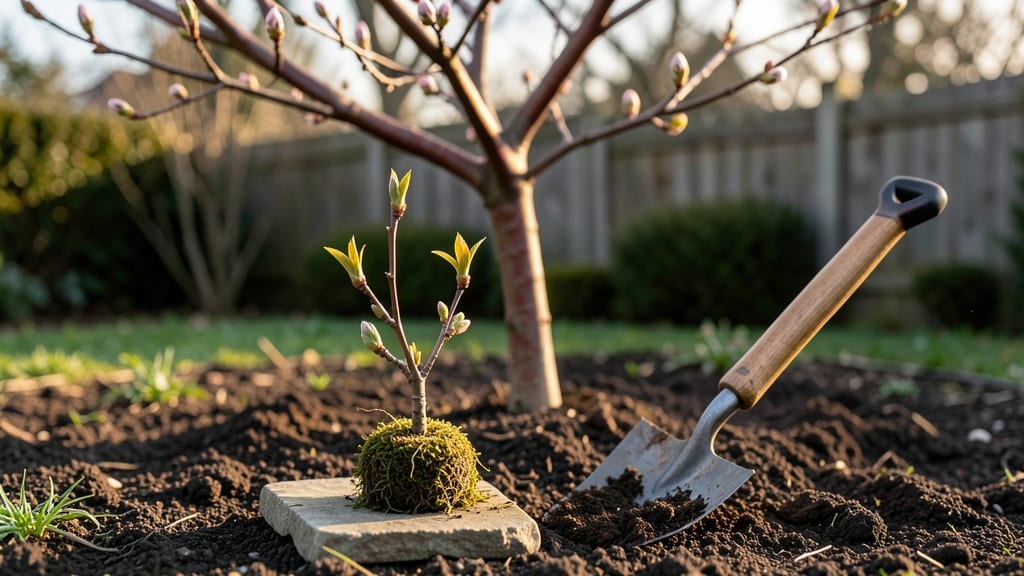
Planting a sakura tree isn’t just about spring blooms—it’s about creating a living legacy that transforms your yard into a dreamy, pink-hued paradise every year. I’ve planted mine in early fall when the soil stays warm but the air cools down, giving roots time to settle before winter.
The secret isn’t just the timing—it’s the sunlight, soil, and space that turn a bare-root sapling into a showstopper by March.
You’ll need a spot with full sun (at least 6 hours daily), well-draining soil, and room to grow—some varieties reach 30 feet tall! Dig a hole twice as wide as the root ball but no deeper, then mix in compost for that extra boost.
The first year is all about patience: water deeply once a week (unless it rains) and mulch to keep roots cozy. Skip the fertilizers—your tree’s energy should go to roots, not leaves.
By year three, you’ll see the magic: clusters of delicate blossoms that perfume the air and attract bees in a dazzling display. The trade-off? Pruning in late winter to shape the tree and remove dead branches—it’s the only way to keep those blooms coming back bigger every spring.
Even in colder zones, sakuras thrive with the right care, turning your yard into a seasonal highlight.
Here’s the kicker: sakuras love company. Plant a few together for a dramatic effect, or pair them with shade-tolerant perennials underneath. Just avoid planting near sidewalks—their roots spread wide, and you don’t want cracked pavement ruining the view. Ready to turn your yard into a springtime spectacle?
📚 In This Guide
- What you need
- Instructions
- Tips and common mistakes
- Wrapping up and next steps
What you need
- ● Sakura tree sapling: Choose a healthy, Prunus serrulata (or hybrid) with a sturdy root system. Size: 1-3 gallons (for young trees) or 7-15 gallons (for mature transplants).
- ● Planting hole: Dig a hole 2-3 times wider than the root ball and as deep as the container’s height.
- ● Native soil or amended mix: 50% topsoil (well-draining)
- ● 30% compost (for nutrients)
- ● 20% perlite or coarse sand (to prevent compaction)
- ● Mulch: 2-3 inches of wood chips or shredded bark (keep mulch 6 inches away from the trunk).
- ● Watering can or hose: With a gentle spray nozzle (to avoid displacing soil).
- ○ Gloves and knee pads: For comfort (optional but highly recommended!).
- ● Shovel or spade: For digging (rent one if needed).
- ● Garden trowel: For fine-tuning the hole and root ball.
- ● Stakes and ties: If planting in windy areas (use 3-4 stakes, 6+ inches tall).
- ● Soil pH tester: Sakura prefers slightly acidic soil (pH 5.5-6.5).
- ● Tree collar protection: A plastic tree guard to deter rodents.
- ● Best planting time: Fall (October-November) or early spring (March-April) (avoid extreme heat or frost).
- ● Sunlight: Full sun (6+ hours/day)—sakuras thrive in open, sunny spots!
- ● Space: Mature sakuras need 20-30 feet of clearance (check your tree’s variety for exact spacing).
- ● Water source: Ensure easy access for the first 2-3 weeks post-planting.
Step-by-step guide to planting and caring for your sakura tree
Here's how to plant your cherry blossom for a showstopping spring display.
🌱 Step 1: Choose the Perfect Planting Site
Sakura trees thrive in locations with full sun exposure—at least 6 hours of direct sunlight daily. I always select a spot where the tree will have room to mature, as some varieties grow 20-30 feet tall. Look for areas with well-draining soil, as sakura trees hate soggy roots.
If your yard has heavy clay soil, amend it with 2-3 inches of compost mixed into the top 12 inches of soil. This improves drainage and gives young roots a nutrient boost. Avoid low-lying areas where water pools after rain.
🪴 Step 2: Dig the Hole and Plant with Care
Dig a hole twice as wide as the tree's root ball but no deeper. This prevents the tree from sitting too low, which can cause root rot. Gently remove the tree from its container and loosen any circling roots with your fingers—sakura trees hate root-bound conditions.
Place the tree in the hole so the top of the root ball sits 1-2 inches above ground level. This ensures the tree won't settle too deeply over time. Backfill with the native soil, tamping lightly as you go to remove air pockets. Water deeply to settle the soil around the roots.
☀️ Step 3: Water and Mulch for Long-Term Health
After planting, water the tree deeply every 2-3 days for the first 2 weeks to encourage root establishment. You'll know it's getting enough water when the top 6 inches of soil stay consistently moist but not waterlogged. Reduce watering to once a week once new growth appears.
Spread 2-3 inches of mulch (like wood chips) around the base, keeping it 3 inches away from the trunk to prevent rot. Mulch helps retain moisture and regulates soil temperature. Replenish mulch annually to maintain its protective layer.
✂️ Step 4: Prune and Fertilize for Strong Growth
Prune your sakura tree in late winter or early spring before new growth begins. Remove any dead, diseased, or crossing branches to improve airflow and sunlight penetration. I never prune more than 25% of the canopy in one season—sakura trees bloom on old wood, so aggressive pruning reduces flowers.
Apply a balanced, slow-release fertilizer in early spring and again in early summer. Follow package instructions, but I usually use about ½ pound per inch of trunk diameter. Avoid fertilizing in fall, as new growth won't harden off before winter.
Tips & tricks for perfect sakura tree planting
Here's what I've learned after planting sakura trees for years—these details make all the difference for a thriving cherry blossom.
Sunlight Secret: That 6 hours of daily sunlight is non-negotiable for vibrant blooms, but here's the thing: morning sun is more important than afternoon. If you must compromise, prioritize morning light—sakura trees need that energy boost to kickstart their growth each day. I've seen trees with afternoon shade still thrive, but those with weak morning light often struggle.
Soil Preparation Tip: When amending heavy clay soil with 2-3 inches of compost, don't just dump it in a pile. Mix it thoroughly into the top 12 inches of soil—this creates proper drainage channels that prevent root suffocation. I like to use a garden fork to break up compacted layers first, then work in the compost like you're fluffing a cake batter.
Planting Position: The 1-2 inch elevation above ground level for the root ball is crucial, but here's what nobody tells you—check this after watering settles. Roots can settle over time, so monitor the first few weeks and add soil if needed. I mark the original level with a small stake to track any settling.
Watering Wisdom: Those first 2 weeks of deep watering every 2-3 days require patience. I test moisture by sticking my finger 2 inches into the soil—if it's dry, water again. Overwatering is just as bad as underwatering, so let the top 6 inches dry slightly between waterings. This teaches the roots to seek moisture deeper in the soil.
Pro Tips for Sakura Tree Planting
- Here's what I've learned after planting sakura trees for years—these details make all the difference for a thriving cherry blossom.
- Sunlight Secret: That 6 hours of daily sunlight is non-negotiable for vibrant blooms, but here's the thing: morning sun is more important than afternoon.
- Soil Preparation Tip: When amending heavy clay soil with 2-3 inches of compost, don't just dump it in a pile.
Frequently asked questions
Got questions about planting and caring for your sakura tree? Here are some of the most common ones—plus expert answers to help you grow a stunning, long-lived tree!
When is the best time to plant a sakura tree?
The ideal time is early spring or fall (3-4 weeks before the first frost). This gives roots time to establish before extreme temperatures. Avoid planting in summer heat or winter frost, as stress can harm young trees. If you must plant in late spring, water deeply every 2-3 days for the first month.
Can I plant a sakura tree in winter?
While dormant sakura trees (bare-root) can be planted in late winter (before bud break), it’s riskier due to frost damage. If you do, water sparingly (only when soil is dry) and mulch heavily (4-6 inches) to protect roots. Spring planting is always safer for container-grown trees.
What’s the best location for a sakura tree?
Sakuras thrive in full sun (6+ hours/day) and well-draining soil. Avoid low spots where water pools—root rot is a common killer. For street trees, ensure 8-10 feet of clearance from sidewalks/pavement (sakura roots spread widely). If your yard is shady, choose dwarf varieties like ‘Kanzan’ or ‘Shidare Yoshino’.
Why aren’t my sakura blooms as vibrant as they should be?
Faded or sparse blooms often mean poor nutrition, over-pruning, or stress. Feed with acidic fertilizer (pH 5.5-6.5) in early spring, and avoid heavy pruning—sakuras bloom on old wood. Check for pests (aphids, spider mites) and water deeply 1-2x/week during dry spells. If blooms drop early, it may be thirst stress or root competition.
Are there sakura alternatives for small yards?
Yes! If space is limited, try:
- Dwarf sakuras: ‘Kanzan’ (15-20 ft), ‘Shirotae’ (20-25 ft)
- Weeping varieties: ‘Shidare Yoshino’ (15-20 ft, cascading branches)
- Non-sakura options: Japanese maple (Acer palmatum) or ornamental cherry (Prunus serrulata ‘Spire’)
For container planting, choose ‘Kanzan’ or ‘Taihaku’—use a 15-gallon pot and dwarfing rootstock.
Wrapping up and next steps
Planting and caring for a sakura tree is a rewarding journey that brings beauty and joy to your landscape—especially when those iconic pink blossoms burst into bloom each spring! 🌸 By choosing the right variety, preparing the soil, and staying consistent with watering, pruning, and seasonal adjustments, you’ll create an environment where your tree thrives year-round.
Remember, patience and attention to detail are key—your efforts will pay off in stunning, vibrant displays for seasons to come.
Ready to take the next step? Start small—whether it’s planting a single tree or planning a full garden—then share your progress with fellow gardening enthusiasts for inspiration and support! 🌱