
Blooming
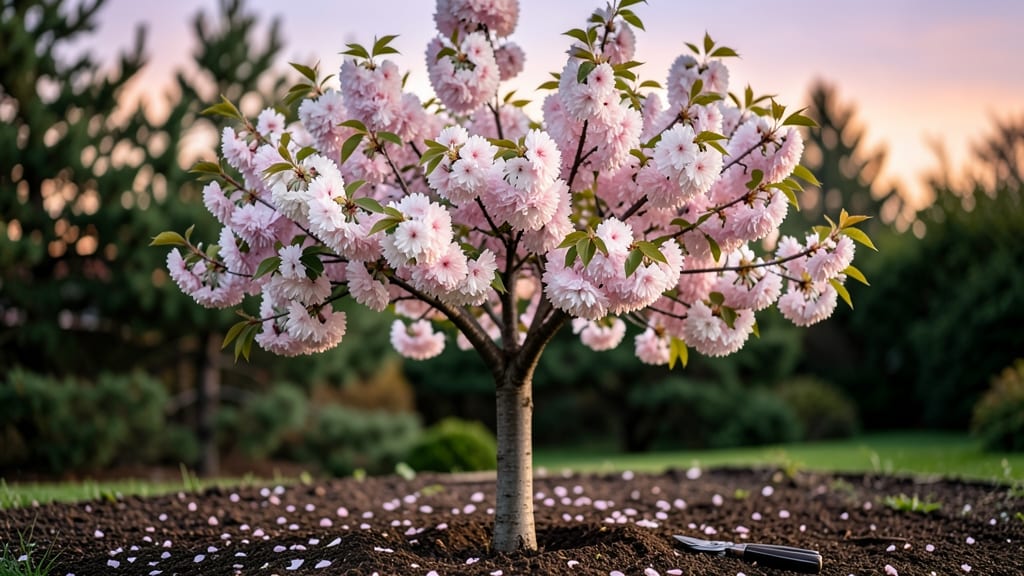
A Japanese cherry blossom tree nearby isn’t just a tree—it’s a seasonal masterpiece that turns any yard into a tranquil sanctuary. 🌸 I still remember the first time I saw one in full bloom: the soft pink petals drifting like snow, the way the light filtered through the branches, creating a dappled glow on the lawn.
These trees thrive in open spaces where they can spread their branches wide, but they adapt beautifully to smaller yards too. Pair them with azaleas, hostas, or a gravel path for a classic Japanese garden feel, or go bold with modern perennials like ornamental grasses.
The key is planting in full sun with well-draining soil—once established, they’re surprisingly low-maintenance.
When spring arrives, you’ll wake up to petals carpeting the ground and the sweet, fleeting fragrance that lasts just days. The trade-off? A few weeks of cleanup afterward, but the memories—and the Instagram-worthy photos—are worth every moment.
Even city dwellers can enjoy the magic by visiting nearby public parks during peak bloom.
From pruning in late winter to protecting against late frosts, a few simple steps keep your tree healthy for decades. The payoff? A landscape that feels like stepping into a living painting every spring. Ready to make your yard the neighborhood’s cherry blossom hotspot?
📚 In This Guide
- What you need
- Instructions
- Tips and common mistakes
- Wrapping up and next steps
What you need
- ● Japanese Cherry Blossom Tree: 1 young tree (3–6 feet tall, Prunus serrulata or hybrid variety like ‘Kanzan’ or ‘Somei-Yoshino’)
- ● Rootstock: Bare-root or container-grown (check local nurseries for seasonal availability)
- ● Planting Site: Full sun exposure (6+ hours daily)
- ● Well-draining soil (amend with compost if clay-heavy)
- ● Space: 20–30 feet diameter (account for mature spread)
- ● Tools: 1 shovel or trowel (for digging)
- ● 1 wheelbarrow (for soil/compost)
- ● 1 hose or watering can (with spray nozzle)
- ● 1 pruning shears (sterilized)
- ○ 1 soil pH tester (optional but helpful)
- ● Soil Amendments: 5–10 gallons of organic compost or aged manure
- ● 1–2 cups of slow-release fertilizer (10-10-10 or cherry-tree-specific blend)
- ● Mulch (2–3 inches of wood chips or pine straw)
- ● Tree stake & ties (if planting in windy areas)
- ● Drip irrigation system (for consistent watering)
- ● Local cherry blossom society contacts (for variety recommendations!)
How to enjoy a stunning Japanese cherry blossom tree in your landscape
Here's how to make the most of this breathtaking seasonal treasure.
🌱 Step 1: Select the Perfect Planting Location
Japanese cherry blossoms thrive in full sun—choose a spot that gets at least 6 hours of direct sunlight daily. I always look for areas with southern or western exposure where the tree will receive gentle morning light and afternoon warmth. Avoid low-lying spots where cold air settles, as these trees are sensitive to late spring frosts.
Consider the tree's mature size—most varieties reach 20-40 feet tall—so give it plenty of space for its canopy to spread. If planting near a house or fence, allow 15-20 feet of clearance to prevent root competition and ensure proper air circulation. The right location transforms your landscape into a serene focal point, especially when the blossoms burst into color.
☀️ Step 2: Prepare the Soil for Optimal Growth
Japanese cherry blossoms prefer well-draining, slightly acidic soil with a pH between 5.5 and 6.5. Before planting, mix 2-3 inches of organic compost into the native soil to improve fertility and structure. I like to work in a 50/50 blend of garden soil and compost for the first planting hole, ensuring the roots have a nutrient-rich environment to establish themselves.
Test your soil’s drainage by digging a 12-inch deep hole and filling it with water. If it drains within 30-60 minutes, your soil is suitable. If water pools at the bottom, amend the soil with sand or perlite to improve drainage. Proper soil preparation is key—these trees hate soggy roots, which can lead to root rot and weaken the tree over time.
🪴 Step 3: Plant at the Right Time and Depth
Plant your Japanese cherry blossom in early spring or fall, when temperatures are mild and the tree isn’t under stress. Dig a hole twice as wide as the root ball but no deeper—this prevents the tree from sitting too low in the soil, which can suffocate the roots. Gently loosen the roots if they’re circling tightly in the container, then place the tree in the hole so the top of the root ball sits level with the surrounding soil. Here’s the thing—never bury the graft union (the swollen area near the base of the trunk) if your tree has one.
Backfill the hole with the amended soil, tamping it down lightly to remove air pockets. Water deeply to settle the soil and eliminate gaps. Mulch around the base with 2-3 inches of organic mulch, keeping it 3-4 inches away from the trunk to prevent rot. This mulch layer helps retain moisture and regulate soil temperature, which is especially important during the tree’s first year.
💧 Step 4: Water and Maintain for Long-Term Beauty
Water your Japanese cherry blossom deeply once a week during the first growing season, ensuring the soil is moist 6 inches down. You’ll know it’s time to water when the top 2 inches of soil feel dry to the touch. Avoid overwatering—these trees are drought-tolerant once established but hate sitting in waterlogged soil. Reduce watering in winter unless you’re in a particularly dry climate.
Fertilize lightly in early spring with a balanced, slow-release fertilizer (like 10-10-10) to encourage healthy growth. Prune in late winter or early spring before new growth begins, removing any dead, diseased, or crossing branches. This keeps the tree’s shape open and airy, allowing sunlight to reach all the blossoms. With the right care, your tree will reward you with weeks of stunning pink or white flowers every spring.
⏰ Step 5: Plan for Seasonal Care and Longevity
Japanese cherry blossoms are deciduous, so their leaves will turn golden in fall and drop in winter. This is natural—don’t worry if you see bare branches in late autumn. However, if you notice yellowing leaves in summer, it could signal overwatering or nutrient deficiency. Adjust your care routine accordingly, and consider a soil test if the issue persists.
As the tree matures, its blossoms will become more abundant and vibrant. To extend their display, plant companion shrubs or perennials that bloom before and after the cherry blossoms, creating a continuous seasonal showcase. With patience and proper care, your Japanese cherry blossom will become the centerpiece of your landscape, drawing admiration from neighbors and visitors alike.
Tips & tricks for perfect Japanese cherry blossom planting
Transforming your landscape with a Japanese cherry blossom starts with these pro tips that make all the difference.
Sunlight Strategy: While the instructions mention 6 hours of direct sunlight, I've found that positioning your tree to capture morning sun (east-facing) and afternoon shade (west-facing) creates the perfect balance. This prevents leaf scorch while ensuring those blossoms get the light they need to thrive. If your yard has limited sun exposure, consider a more compact variety like 'Shidarezakura' that tolerates partial shade better than standard varieties.
Soil Test Tip: The 30-60 minute drainage test is crucial, but here's what I learned: if your soil drains too quickly (under 30 minutes), add a bit more compost to help retain moisture. If it drains too slowly (over 60 minutes), mix in sand or perlite—but don't overdo it. The goal is to mimic the tree's natural forest floor environment where water drains well but doesn't pool. I always test multiple spots in my yard before deciding on the final location.
Planting Depth Secret: When placing your tree in the hole, use a level to ensure the top of the root ball sits exactly level with the surrounding soil. I've seen many gardeners plant too deep, which can suffocate the roots. Pro tip: place a small stake next to the tree at planting time and mark the soil level with a pencil—this gives you a visual reference as you backfill. For the graft union (if present), keep it visible above soil level to prevent rot.
Mulching Mastery: That 2-3 inches of organic mulch makes a huge difference in regulating soil temperature and moisture. I recommend using wood chips or shredded bark mulch, but avoid fresh wood chips that can steal nitrogen from the soil. Spread the mulch in a donut shape—keep it 3-4 inches away from the trunk to prevent moisture buildup that can cause rot. Refresh the mulch layer annually to maintain its protective properties.
Pro Tips for Japanese Cherry Blossom Tree Nearby
- Transforming your landscape with a Japanese cherry blossom starts with these pro tips that make all the difference.
- Sunlight Strategy: While the instructions mention 6 hours of direct sunlight, I've found that positioning your tree to capture morning sun (east-facing) and afternoon shade (west-facing) creates the perfect balance.
- Soil Test Tip: The 30-60 minute drainage test is crucial, but here's what I learned: if your soil drains too quickly (under 30 minutes), add a bit more compost to help retain moisture.
Frequently asked questions
Got questions about finding or caring for a Japanese cherry blossom tree nearby? You’re not alone! Here are some of the most common queries—and their answers—to help you make the most of this stunning seasonal beauty.
When is the best time to see cherry blossoms in my area?
The blooming season varies by region and tree type, but most Japanese cherry blossoms (like Prunus serrulata) peak in late March to early May. Check local forecasts or your city’s sakura forecast (like Washington, D.C.’s National Park Service alerts) for exact timing. Pro tip: Early bloomers may appear in February in warmer climates!
Can I plant a cherry blossom tree in my yard? What’s the best location?
Cherry blossoms thrive in full sun (6+ hours/day) and well-drained soil. Avoid low-lying areas where water pools. For best results, plant in late fall or early spring and space trees 20–30 feet apart (they grow 20–40 feet tall). Some varieties are messy—check if yours drops petals or fruit before planting!
Are there alternatives to Japanese cherry blossoms for smaller spaces?
Yes! If space is limited, consider these sakura-like options:
- Dwarf cherry blossoms (e.g., Prunus ‘Snow Fountain’) – Grow 10–15 feet tall.
- Ornamental cherries (e.g., Prunus ‘Kanzan’) – Compact with vibrant blooms.
- Plum blossoms (e.g., Prunus mume) – Bloom earlier and are hardier.
All offer stunning spring color without the same maintenance needs!
Why aren’t my cherry blossoms blooming this year?
Several factors can delay blooms:
- Age: Young trees (under 3–5 years) may not bloom yet.
- Weather: Late frosts or extreme heat can shock buds. Cherry blossoms need chilling hours (300–1,000) in winter to trigger blooms.
- Stress: Overwatering, poor soil, or pests (like borers) can stunt growth.
Try pruning in late winter to encourage new growth and check for signs of disease.
How do I find a cherry blossom tree near me?
Start with these resources:
- National Arbor Day Foundation’s Tree Finder – Search by species and location.
- Local botanical gardens – Many have labeled cherry blossom varieties.
- City parks – Urban areas like Philadelphia, NYC, or Portland often feature public sakura groves.
- Social media – Post in local gardening groups (e.g., Facebook or Reddit) with your city tag.
Bonus: Use apps like iNaturalist to spot wild or planted trees in your neighborhood!
Wrapping up and next steps
Discovering a Japanese cherry blossom tree nearby isn’t just about adding beauty to your landscape—it’s about embracing nature’s fleeting magic and creating a serene, culturally rich space. These trees bring hanami (flower-viewing) traditions to your doorstep, turning ordinary days into moments of wonder.
Whether you’re a gardening novice or a seasoned green thumb, the journey to nurturing one is rewarding and full of surprises.
Ready to take the next step? Start small: research local nurseries, sketch a planting plan, or even join a community garden to share tips. Your cherry blossom dream is closer than you think—let the petals lead the way! 🌸✨