
Pruning
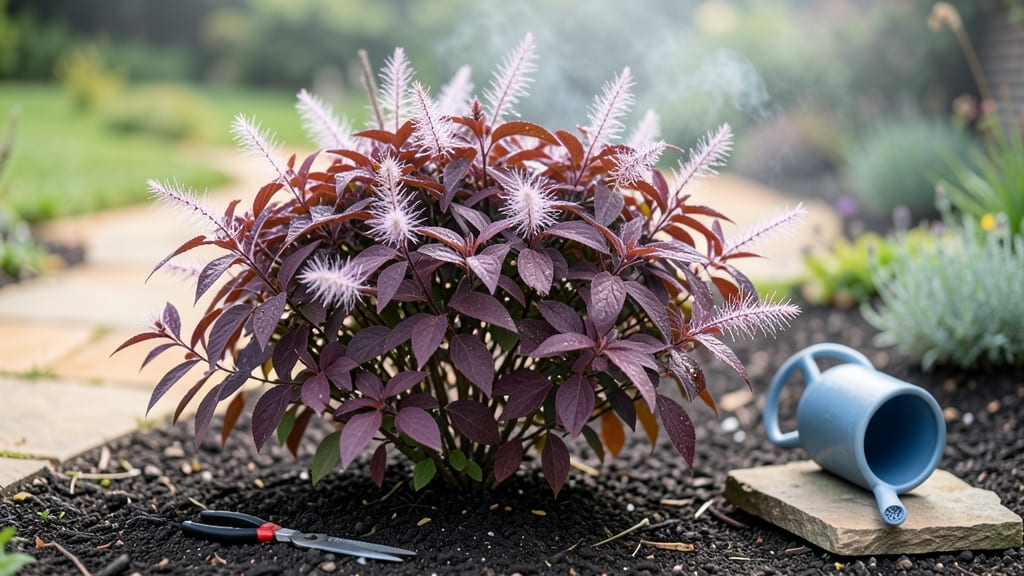
That deep, velvety purple foliage of the Royal Purple Smoke Bush Tree doesn’t happen by accident—it takes year-round pruning to keep it bold and lush.
I’ve pruned mine every season for five years, and the difference between a bush that just survives and one that wows comes down to timing, technique, and a few simple cuts. The key?
Pruning isn’t just about shaping—it’s about encouraging that signature purple hue to stay vibrant from spring through winter.
Here’s the thing—this tree thrives on neglect almost as much as it does on attention, but skipping pruning means losing that dramatic color over time.
Start with clean shears and a sunny morning, then focus on three main cuts: removing dead wood in early spring, shaping in late spring, and a light trim in summer to keep new growth compact.
The goal isn’t perfection—it’s keeping the bush open enough for airflow (which prevents disease) while preserving those rich, jewel-toned leaves. Even in colder zones, this tree rewards the effort with four-season interest, from spring’s fresh foliage to winter’s skeletal beauty.
By mid-summer, you’ll notice new growth pushing out—this is your cue to step back. Over-pruning here leads to leggy branches and faded color, while too little pruning means crowded centers that block sunlight. The sweet spot? A light touch that maintains the bush’s natural shape while encouraging dense, purple foliage.
Think of it like giving your tree a haircut: just enough to keep it looking its best without stripping away its personality. The payoff? A tree that stands out in any garden, whether as a standalone statement piece or part of a mixed border.
Works for USDA Zones 5-8, though in colder areas, a bit of winter protection (like burlap wrap) helps preserve those stunning leaves through frost. For those in warmer climates, prune later in the season to avoid stressing the tree during heat waves.
The secret to long-term success? Consistency—just 10-15 minutes every few months keeps this tree looking effortlessly elegant. Ready to make yours the talk of the neighborhood?
📚 In This Guide
- What you need
- Instructions
- Tips and common mistakes
- Wrapping up and next steps
What you need
- ● Pruning shears: Bypass pruners (sharp, clean, and sterilized with rubbing alcohol or bleach to prevent disease). Recommended: Felco F-2 or similar.
- ● Loppers: For thicker branches (1–2 inches in diameter). Recommended: Fiskars X7 or similar.
- ● Hand pruners: For smaller stems (¼–1 inch). Recommended: Corona or similar.
- ● Garden gloves: Heavy-duty, cut-resistant (e.g., Mechanix or similar) to protect hands from thorns and sharp edges.
- ○ Disposable pruning bags: 1–2 medium-sized bags (for collecting clippings). Optional but handy: Biodegradable bags.
- ● Rubbing alcohol (70% isopropyl) or bleach solution: For sterilizing tools between cuts (1 part bleach to 9 parts water).
- ● Pruning saw: Only if dealing with very thick branches (over 2 inches). Recommended: Fiskars or Bahco.
- ● Ladder or step stool: If your tree is taller than 6 feet (ensure it’s stable and rated for your weight).
- ● Hose with spray nozzle: For rinsing tools and removing sap after pruning.
- ● Tree wound dressing: Controversial but some swear by it for larger cuts (e.g., Tanglefoot Tree Wound Pruning Sealer).
- ● Notebook or app: To log pruning dates, cuts made, and growth observations (e.g., Gardenate or a simple journal).
- ● Safety glasses: If pruning in dusty or windy conditions.
- ● Compost bin: For repurposing healthy clippings as mulch.
Step-by-Step guide for pruning royal purple smoke bush trees
Here’s how to keep your smoke bush thriving with vibrant purple foliage all year.
✂️ Step 1: Prune in Late Winter or Early Spring
This is the best time to shape your smoke bush, right before new growth begins. Remove any dead, damaged, or crossing branches first—these are easy to spot since they’ll be brown or sticking out awkwardly. Use clean, sharp pruning shears to make cuts at a 45-degree angle just above a bud or branch collar.
Next, thin out the center of the plant to improve airflow and sunlight penetration. Aim to open up the canopy so light reaches all the way to the inner branches. You’ll know you’ve done enough when you can see through the center of the bush without much obstruction.
I like to step back every few cuts to check the overall shape. If the bush looks too dense from a distance, keep pruning until it’s more open and balanced. This early pruning sets the stage for lush, vibrant foliage later in the season.
✂️ Step 2: Light Pruning in Late Summer
About 6-8 weeks before your first frost, give your smoke bush a light trim to encourage fresh growth before winter. Focus on any branches that are growing too long or looking leggy. Cut back these stems by about one-third to promote bushier growth.
This late-summer pruning also helps prepare the plant for dormancy. It’s a good time to remove any weak or spindly branches that aren’t contributing to the plant’s structure. Just avoid heavy pruning now—you don’t want to stress the bush before winter.
Watch for new growth after pruning. If you see soft, green shoots emerging, that’s a good sign the plant is responding well. If nothing new appears within a couple of weeks, don’t worry—smoke bushes are resilient and will bounce back in spring.
✂️ Step 3: Minimal Pruning in Early Fall and Winter
During the cooler months, your smoke bush should rest, so limit pruning to only what’s necessary. Remove any dead or diseased branches immediately—they can harbor pests or diseases that might affect the plant in spring. Also, trim back any branches that are rubbing against each other, as this can cause damage over time.
If you notice any branches that were pruned too late in the season and didn’t heal properly, you can lightly trim them in early fall to encourage new growth before winter sets in. Just keep it minimal—over-pruning now can leave the plant vulnerable to cold damage.
This is also a good time to clean up the area around your smoke bush. Remove any fallen leaves or debris, especially if they’re diseased. Keeping the base of the plant clear helps prevent fungal issues and makes it easier to spot any problems early.
✂️ Step 4: Shape and Maintain Through the Growing Season
As your smoke bush grows, keep an eye on its shape throughout the year. If you notice branches growing in directions you don’t like, trim them back to encourage more balanced growth. You can also pinch back the tips of new growth to promote bushier foliage.
Pay attention to how the plant responds to pruning. If you see new shoots emerging from old wood, that’s a great sign—it means the plant is healthy and ready to fill out. If growth slows down after pruning, it might need more sunlight or water, especially during dry spells.
Finally, don’t forget to fertilize lightly in early spring if your soil is poor. A balanced fertilizer will give your smoke bush the nutrients it needs to produce that signature bold purple foliage all season long.
Tips & tricks for pruning royal purple smoke bush trees
Real talk: These small adjustments will make all the difference in keeping your smoke bush looking stunning without stressing the plant.
Timing is Everything: In Step 1, when pruning in late winter or early spring, focus on making those cuts just above a bud or branch collar at a 45-degree angle. This creates a larger wound surface that heals faster and prevents water from pooling at the cut. I've seen too many pruning wounds fail to heal because they were made too close to the trunk or at odd angles. The goal is to encourage new growth while protecting the plant's health.
Visual Pruning Cues: During the late summer light pruning in Step 2, look for branches that are growing outward rather than upward. These are the ones to trim back by about one-third. You'll know you've done enough when you can see sunlight reaching the center of the plant. This isn't just about aesthetics—better light penetration means more vibrant purple foliage throughout the growing season. I learned this the hard way after letting my first smoke bush get too dense in the center.
Seasonal Pruning Strategy: For Step 3's minimal pruning in early fall and winter, remember that less is more. Focus only on removing dead, diseased, or rubbing branches. The plant needs this rest period to recover from the previous growing season. I've made the mistake of over-pruning in winter, which left my smoke bush looking ragged come spring. Trust me on this—your plant will thank you for the gentle approach.
Pro Tips for Royal Purple Smoke Bush Tree
- Real talk: These small adjustments will make all the difference in keeping your smoke bush looking stunning without stressing the plant.
- Timing is Everything: In Step 1, when pruning in late winter or early spring, focus on making those cuts just above a bud or branch collar at a 45-degree angle.
- Visual Pruning Cues: During the late summer light pruning in Step 2, look for branches that are growing outward rather than upward.
Frequently asked questions
Got questions about keeping your Royal Purple Smoke Bush Tree (Cotinus coggygria 'Royal Purple') looking its best with year-round pruning? Here are some common ones—and their answers!
When is the best time to prune for vibrant purple leaves?
The ideal time to prune for bold foliage is late winter or early spring (just before new growth starts). However, you can do light shaping prunes in summer to encourage denser growth—just avoid heavy cuts after mid-summer, as it may reduce winter hardiness.
Can I prune my Royal Purple Smoke Bush in fall?
Fall pruning is not recommended—it can stimulate tender new growth that may not survive winter frost. If you must prune in fall, keep cuts minimal and only for safety (e.g., removing dead branches). Always stop by late October to avoid stressing the plant.
What if my Smoke Bush loses its purple color?
Purple foliage fades due to too much sun, poor soil, or over-fertilizing with nitrogen. To restore vibrancy:
- Ensure it gets morning sun + afternoon shade (especially in hot climates).
- Use well-draining, slightly acidic soil (pH 6.0–7.0).
- Avoid high-nitrogen fertilizers; opt for balanced or phosphorus-rich feeds in spring.
How often should I prune for a bushy shape?
Prune once a year in late winter/early spring for major shaping, then do light maintenance prunes in summer (every 4–6 weeks) to trim leggy stems. Avoid over-pruning—this plant thrives with 20–30% of last year’s growth removed annually to maintain its natural form.
Are there alternatives to Royal Purple Smoke Bush for low-maintenance color?
Yes! If you want year-round interest with minimal pruning, consider:
- Dwarf Fothergilla (Fothergilla gardenii) – Stunning fall foliage + fragrant spring blooms.
- Oakleaf Hydrangea (Hydrangea quercifolia) – Purple-tinged leaves + large, showy flowers.
- Ninebark (Physocarpus opulifolius) – Tough, colorful foliage + berries for winter interest.
Wrapping up and next steps
The Royal Purple Smoke Bush is a stunning addition to any garden, offering year-round drama with its vibrant foliage and effortless care—when pruned right! 🌿 By mastering the art of seasonal trimming, you’ll keep its bold purple hues thriving and encourage lush, bushy growth for seasons to come.
Whether you’re a pruning pro or just starting, these tips make maintenance a breeze.
Now that you’re armed with the know-how, roll up your sleeves and give your Smoke Bush the TLC it deserves!
Start with a quick inspection this fall, then follow your seasonal pruning plan. Pro tip: Snap a photo of your tree’s shape before you begin—it’s your secret weapon for confidence! 📸✨ Ready to transform your garden? Grab those shears and get pruning!