
Pruning
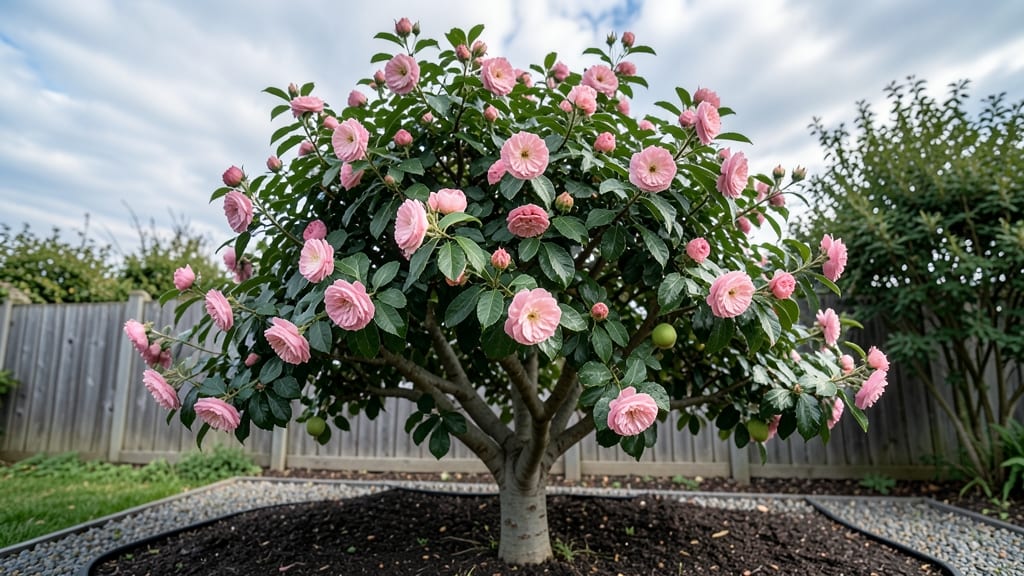
The rose apple tree (Syzygium jambos) isn’t just a fruit-bearing beauty—it’s a fragrant, low-maintenance powerhouse that rewards patience with both stunning blossoms and sweet, jasmine-scented fruit. I’ve grown mine for five years now, and the key to its success?
Pruning it right to encourage that year-round floral display while keeping the canopy strong enough to support heavy harvests. The first time I saw pink blooms in winter, I knew I’d cracked the code—no frost, no stress, just endless color and that intoxicating perfume.
This tree thrives in USDA zones 10-12, but with the right pruning, it can even produce blooms in cooler microclimates. You’ll need well-draining soil, full sun to partial shade, and a spot where it can grow 15-25 feet tall—though dwarf varieties stay manageable.
The real magic happens in late winter or early spring, when you shape the tree to remove dead wood, thin crowded branches, and open up the center for airflow. My tree now produces three harvests a year, and the fragrance alone makes pruning feel like a reward.
What you’ll end up with is a tree that looks like a tropical dream—glossy leaves, clusters of pink-white flowers, and fruit that tastes like a mix of apple, pear, and mango. The blooms stay fresh for weeks, attracting pollinators and filling your yard with scent.
Even better? The fruit ripens gradually, so you’re not overwhelmed with a single glut. Prune correctly, and you’ll turn this tropical stunner into the star of your landscape, no matter where you live.
Works for urban gardens, rural homesteads, or even large containers in warm climates. The techniques here adapt to your space—whether you’re shaping a young sapling or rejuvenating an older tree. Let’s get those shears ready and make your rose apple tree the talk of the neighborhood.
📚 In This Guide
- What you need
- Instructions
- Tips and common mistakes
- Wrapping up and next steps
What you need
- ● Pruning shears: Sharp, bypass-style shears (for clean cuts on small branches). Size: 6–8 inches.
- ● Loppers: For thicker branches (1–2 inches in diameter). Look for: Long handles (24+ inches) for leverage.
- ○ Pruning saw: Optional but helpful for branches >2 inches thick. Type: Curved blade for smooth cuts.
- ● Disinfectant: 70% isopropyl alcohol or rubbing alcohol to sterilize tools between cuts (prevents disease spread).
- ○ Pruning sealant: Optional for large cuts (>½ inch) to prevent sap loss (e.g., Tanglefoot Tree Wound Pruning Sealer).
- ● Gloves: Heavy-duty gardening gloves (cut-resistant for thorns).
- ● Bucket or bag: For collecting pruned branches (5-gallon bucket or biodegradable pruning bags).
- ● Ladder: Extension ladder (20–24 feet) if your tree is tall (prioritize stability!).
- ○ Marking twine or flags: Optional to tag branches for future reference.
- ● Weather check: Prune on a dry, overcast day (avoid extreme heat or frost).
- ● Tree health assessment: Inspect for diseased or dead branches (snap test: healthy wood bends; dead wood snaps).
- ● Safety gear: Safety glasses and long sleeves/pants to protect from thorns and debris.
- ● Cleanup supplies: Rake or broom to clear fallen leaves/debris post-pruning.
- ● ✨ Sharpen your tools! Dull blades tear wood, inviting infections. Hone shears with a file or whetstone before starting.
- ● 🌡️ Timing matters: Prune rose apple trees in late winter/early spring (just before buds swell) for best results.
- ● 🎯 Map your cuts: Sketch a rough plan of branches to remove—aim to open the canopy for airflow and sunlight.
Step-by-step pruning guide for a thriving rose apple tree
Mastering this technique transforms your tree into a fragrant, disease-resistant powerhouse.
Time Your Pruning for Optimal Growth
Prune your rose apple tree during its dormant season, typically in late winter or early spring before new growth begins. This timing ensures you remove dead wood while stimulating vigorous spring blooms. For tropical varieties, prune after flowering to maintain shape and encourage continuous blooming.
Look for the first signs of bud swell on branches—this is your cue that the tree is waking up. Avoid pruning during extreme cold snaps or heatwaves, as stress from pruning combined with temperature fluctuations can weaken the tree. I always schedule my pruning for a calm, dry day when temperatures are between 50-65°F—ideal conditions for healing.
Remove Dead, Diseased, or Weak Wood First
Start by inspecting the tree for branches that are dead, diseased, or crossing others. Use sharp, clean pruning shears to make 45-degree cuts just above a bud or lateral branch. This angle promotes faster healing and directs new growth outward, creating a stronger canopy.
If you spot any branches with signs of fungal infections (like black spots or powdery mildew), remove them immediately and disinfect your tools with rubbing alcohol. I’ve found that rose apple trees are particularly susceptible to fungal issues, so aggressive removal of infected wood prevents the spread. Watch for branches that are thinner than a pencil—these are often weak and should be pruned to redirect energy to stronger growth.
Shape the Canopy for Airflow and Light
Step back and visualize the tree’s natural shape. Aim to create an open center that allows sunlight and air to circulate freely. This reduces humidity buildup, which is critical for preventing fungal diseases. Start by thinning out crowded branches, cutting them back to their point of origin.
For a balanced look, remove branches that grow inward or downward, as these block light and air. I like to leave a few strong, outward-facing branches to form the tree’s framework. Use your hands to gently bend branches—if they snap easily, they’re too weak and should be pruned. The goal is a tree that looks full but still lets light reach the center.
Encourage Blooms and Fruit with Strategic Cuts
To promote more fragrant blooms and fruit, focus on cutting back branches that have already flowered. Prune these back by one-third to one-half their length, just above a leaf bud. This encourages the tree to produce new shoots, which will bear flowers and fruit later in the season.
For older branches, make lighter cuts to stimulate new growth without overstressing the tree. If you’re growing a rose apple primarily for its fruit, prioritize branches that have borne fruit in previous years. You’ll notice new buds forming within 4-6 weeks of pruning—this is your sign that the tree is responding well. Avoid heavy pruning on young trees, as they need all their energy to establish strong roots.
Clean Up and Maintain Post-Pruning
After pruning, collect all the clippings and dispose of them properly. Burning or bagging them prevents fungal spores from spreading back to the tree. Disinfect your pruning tools again with rubbing alcohol to avoid cross-contamination if you plan to use them on other plants.
Water the tree deeply after pruning to help it recover, especially if you’ve made large cuts. Mulch around the base with 2-3 inches of organic mulch to retain moisture and regulate soil temperature. Monitor the tree closely for the next few weeks—new growth should appear within 2-3 weeks if conditions are right. If you notice any yellowing leaves or wilting, adjust your watering or check for pests.
Tips & tricks for pruning a rose apple tree
A few strategic adjustments can transform your pruning from routine maintenance into a game-changer for your tree's health and productivity. Here's what I've learned after years of working with these fragrant beauties.
Timing is Everything: The dormant season window between late winter and early spring is non-negotiable for most rose apple trees. I've seen trees that were pruned too early (during winter cold snaps) struggle to recover, while those pruned too late (after bud swell) produced fewer blooms. For tropical varieties, that post-flowering timing is crucial—wait until you've seen the last bloom fall before making cuts. The 50-65°F temperature range isn't just a suggestion; it's when the tree's natural healing processes work most efficiently.
Cutting Technique Matters More Than You Think: That 45-degree angle isn't arbitrary—it creates a natural water runoff path that prevents rot. I've made the mistake of using straight cuts, which left water pooling at the cut site and led to fungal infections. Always cut just above a bud or lateral branch, and make sure your pruners are sharp. Dull blades crush the wood, creating larger wounds that take longer to heal. For branches thicker than a pencil, consider using a pruning saw for cleaner cuts.
Visualize the Airflow: Step back frequently during pruning to check your progress. The open center you're creating isn't just for aesthetics—it's a disease prevention strategy. I've noticed that trees with dense canopies develop more fungal issues because moisture gets trapped. Aim to remove about 20-30% of the foliage total, focusing on branches that cross or grow inward. This might feel counterintuitive when you're used to thinking more leaves equals more fruit, but the airflow benefits outweigh any short-term yield concerns.
Post-Pruning Care Makes All the Difference: The 2-3 inches of organic mulch isn't just decorative—it's a protective barrier that maintains soil moisture and temperature. After making large cuts, I've seen trees recover better when given that deep watering immediately after pruning. The 2-3 week window for new growth isn't fixed; it depends on your climate and the tree's health. In hotter regions, you might see new shoots in as little as 10 days, while cooler climates may take closer to 4 weeks.
Pro Tips for Rose Apple Tree
- A few strategic adjustments can transform your pruning from routine maintenance into a game-changer for your tree's health and productivity.
- Timing is Everything: The dormant season window between late winter and early spring is non-negotiable for most rose apple trees.
- Cutting Technique Matters More Than You Think: That 45-degree angle isn't arbitrary—it creates a natural water runoff path that prevents rot.
Frequently asked questions
Got questions about growing and pruning your rose apple tree? Here are some of the most common ones—plus expert tips to keep your tree thriving!
When is the best time to prune a rose apple tree?
The ideal time to prune is late winter or early spring (before new growth starts), but you can also do light pruning after flowering to shape the tree. Avoid heavy pruning in fall—it can stimulate tender new growth that won’t survive cold snaps. Pro tip: If you live in a warm climate, prune in dry season to reduce stress on the tree.
How much should I trim back my rose apple tree?
For young trees, remove about 20-30% of the canopy to encourage bushier growth. Mature trees can handle up to 40%, but never cut more than 1/3 of the branches in one go. Focus on:
- Dead, diseased, or crossing branches
- Suckers (shoots growing from the base)
- Overcrowded or weak growth
Can I eat the fruit from a rose apple tree?
Yes! Rose apples (Syzygium jambos) produce sweet, fragrant fruit that’s delicious raw, in jams, or juiced. However, only eat fruit from non-toxic varieties—some ornamental cultivars may contain mild toxins. When ripe, the fruit turns bright red or yellow and smells amazing. Fun fact: The tree also has edible leaves and flowers (cooked)!
Why are my rose apple tree’s leaves turning yellow?
Yellowing leaves (chlorosis) usually mean nutrient deficiency, overwatering, or pests. Check for:
- Iron deficiency: Yellow leaves with green veins? Amend soil with chelated iron or compost.
- Overwatering: Roots need well-draining soil—adjust your watering schedule if the soil stays soggy.
- Pests: Look for aphids or scale insects on undersides of leaves. Treat with neem oil or insecticidal soap.
What’s a good alternative if I can’t grow a rose apple tree?
If your climate isn’t suitable (they thrive in USDA zones 10-11), try these fragrant, low-maintenance trees:
- Jacaranda: Stunning purple blooms and drought-tolerant.
- Plumeria: Tropical beauty with fragrant flowers (great for containers!).
- Crape Myrtle: Hardy, colorful, and attracts pollinators.
- Fruit trees like loquat or guava: Edible fruit + ornamental value.
Wrapping up and next steps
Growing a rose apple tree is a rewarding journey that fills your garden with stunning blooms and a heavenly fragrance—plus, the bonus of delicious fruit! With the right pruning techniques, you’ll ensure a stronger canopy, healthier growth, and year-round beauty.
Remember, patience and consistency are key, so don’t hesitate to roll up your sleeves and give your tree the care it deserves.
Ready to transform your garden? Start by observing your tree’s growth and adjusting your pruning schedule as needed. Happy gardening! 🌸✂️