
Pruning
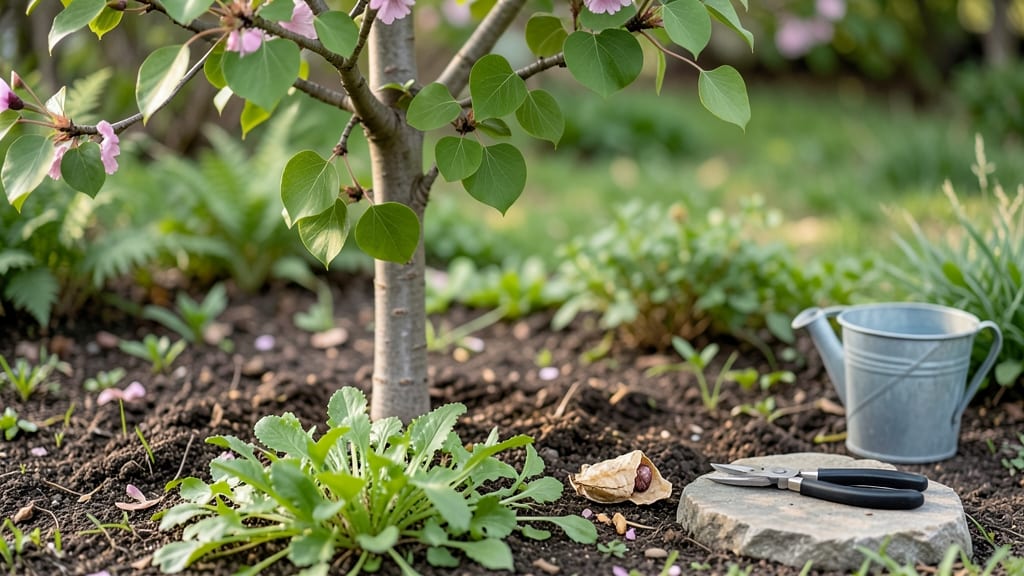
The redbud tree's delicate pink blooms make it a spring favorite, but its edible potential often goes overlooked—and for good reason. While some parts like young leaves and flowers have been used in traditional medicine, most of the tree contains toxic compounds that require careful handling.
Before you consider harvesting, it’s critical to understand which parts are safe (if any) and which could pose serious health risks.
Historically, Native American tribes used redbud leaves in poultices for skin irritations, but modern research shows these contain cyanogenic glycosides, which can release cyanide when consumed in large quantities. The seeds are particularly dangerous, as they’re packed with these compounds.
Even the inner bark, while sometimes brewed as a tea, should be treated with extreme caution—overconsumption can lead to nausea, dizziness, or worse.
If you’re looking for edible alternatives with similar beauty and practicality, consider planting fruit trees like apple, pear, or serviceberry, or berry bushes like elderberry or gooseberry.
These offer both ornamental value and safe, nutritious harvests without the risks. For redbuds, admire their flowers from afar—your safety is worth more than a questionable harvest.
When in doubt, consult the Poison Control Center or a local botanist before experimenting with any unfamiliar plant. The redbud’s allure lies in its spring display, not its edibility—so enjoy its beauty while keeping your kitchen (and stomach) safe.
📚 In This Guide
- What you need
- Instructions
- Tips and common mistakes
- Wrapping up and next steps
What you need
- ● Fresh redbud flowers (early spring) or seed pods (late summer/fall): Harvest only from non-toxic trees (confirm identification with a local expert or guidebook).
- ● Use a small pruning shears (4-6" blades) or clean scissors to snip flowers or pods.
- ● Food-safe storage containers: 1-2 glass jars or mesh bags (for flowers/pods).
- ● 1 paper bag (for seed pods to prevent mold).
- ● Basic kitchen tools: 1 sharp chef’s knife (for prep).
- ● 1 cutting board (preferably wood or plastic).
- ● 1 colander (for rinsing).
- ● Safety gear: 1 pair nitrile gloves (to avoid sap irritation).
- ● 1 field guidebook (e.g., Peterson Field Guide to Edible Wild Plants).
- ● Foraging aids: 1 hand lens (10x magnification) (to inspect pods/seeds for pests).
- ● 1 small trowel (for digging roots if attempting young redbud sprouts—not recommended for beginners).
- ● Cooking/preservation: 1 blender or mortar & pestle (for flower tea or seed powder).
- ● 1 dehydrator or oven (for drying flowers/pods).
- ● 1 food processor (for grinding seeds into flour).
- ● First aid: 1 small antiseptic wipe pack (for minor scrapes).
- ● 1 allergy meds (e.g., Benadryl) (in case of reactions).
Step-by-Step guide to harvesting and preparing edible redbud tree parts
This tree offers more than just spring blooms—learn to safely gather and use its edible components.
Identify the Correct Species and Seasonal Timing
Only harvest from Cercis canadensis (eastern redbud) or Cercis occidentalis (western redbud)—never from ornamental cultivars sprayed with pesticides. Young, tender leaves appear in early spring, just as flowers bloom, making this the ideal window for harvesting. Wait until the leaves are fully unfurled but still bright green—older leaves develop bitter compounds.
Mature pods form in late summer and must be collected when they turn brown but remain firm, typically in September. Avoid pods that split open or show signs of insect damage. I always cross-reference with a field guide to confirm species, as look-alikes like Judas tree can be toxic.
Gather Leaves and Flowers Safely
Use clean, sharp scissors to snip leaf clusters just above a leaf node, leaving at least half the foliage on the tree to maintain its health. Harvest flowers in the morning after dew has dried but before midday heat—this preserves their delicate flavor. Place your harvest in a breathable mesh bag or paper towel-lined container to prevent crushing.
Never pull leaves directly from the stem, as this damages the tree and invites disease. For flowers, I gather them by hand rather than cutting stems to avoid disturbing the plant's energy flow. Limit your harvest to no more than 20% of the tree's foliage in any single season to ensure regrowth.
Prepare Leaves for Culinary Use
Wash leaves thoroughly under cool running water to remove any dust or insect debris. Blanch them for 30 seconds in boiling water, then immediately plunge into ice water to stop cooking. This process removes bitterness and softens the texture. Drain and pat dry with a clean kitchen towel before storing.
Use redbud leaves within 3 days of preparation, as they oxidize quickly. I like to chop them finely and add them to salads, pestos, or as a garnish for soups. The flavor is mild and slightly sweet, similar to young pea shoots. Avoid consuming large quantities—moderation is key, as even edible parts can cause mild stomach upset in excess.
Harvest and Prepare Seed Pods
Collect pods when they're dry and brown but haven't yet split open. Wear gloves if you're sensitive to plant sap, as some people experience mild skin irritation. Remove pods from the tree by hand or with pruning shears, then place them in a paper bag to dry completely in a dark, well-ventilated space for 1-2 weeks.
Once fully dry, open the pods to extract the seeds. Toast the seeds lightly in a dry skillet over medium heat for 5-7 minutes, stirring constantly, until they release an aromatic scent. This enhances their flavor and makes them easier to digest. Store toasted seeds in an airtight container in a cool, dark place for up to 6 months.
Store and Use Harvested Parts
Store leaves in an airtight container lined with a paper towel in the refrigerator for up to 3 days. For longer storage, blanch and freeze them in an ice cube tray with a bit of olive oil before transferring to a freezer bag. Flowers can be dried on a screen in a dark, dry place for 1-2 weeks, then stored in an airtight container away from light.
Use leaves and flowers sparingly in dishes where their delicate flavor can shine. I've used them in spring risottos, infused vinegars, and as a decorative element in cocktails. Toasted seeds can be ground into a flour for thickening soups or sprinkled over dishes like poppy seeds. Always label your stored harvests clearly, as redbud parts resemble other plants that may be toxic.
Tips & tricks for perfect redbud tree harvesting
Confession: I spent years admiring redbud trees without realizing their edible potential—until I discovered these game-changing techniques for working with their delicate parts.
Timing is Everything: That 30-second blanch for leaves in Step 3 is non-negotiable—it's the only way to remove bitterness while preserving their tender texture. I use a kitchen timer and keep a bowl of ice water ready to stop the cooking process immediately. The moment leaves hit the boiling water, start your timer. Any longer than 30 seconds, and you'll start breaking down their delicate cell structure, which makes them mushy. For flowers, harvesting in the morning after dew has dried but before noon heat is crucial—their flavor intensity peaks at this time.
Seed Toasting Technique: When toasting those seeds for 5-7 minutes in Step 4, medium heat is key—any hotter, and you'll burn them before they release their nutty aroma. I stir constantly using a wooden spoon to distribute the heat evenly. The moment you catch that toasty scent, remove them immediately. Over-toasted seeds lose their subtle sweetness and develop a bitter aftertaste. For extra flavor, I like to add a pinch of sea salt during the last 30 seconds of toasting, but this is completely optional.
Storage Wisdom: The 3-day refrigerator shelf life for leaves in Step 5 is strict—after that, they develop an unpleasant sliminess. I've found that freezing blanched leaves in olive oil cubes (as mentioned) preserves their flavor for months, but they're best used within 3 months for peak quality. For pods, that 1-2 week drying period in Step 4 is essential—rushing it can leave seeds damp and prone to mold. I place my pods in a paper bag with a few holes punched in it to allow airflow while keeping out contaminants.
Pro Tips for Redbud Tree Edible
- Confession: I spent years admiring redbud trees without realizing their edible potential—until I discovered these game-changing techniques for working with their delicate parts.
- Timing is Everything: That 30-second blanch for leaves in Step 3 is non-negotiable—it's the only way to remove bitterness while preserving their tender texture.
- Seed Toasting Technique: When toasting those seeds for 5-7 minutes in Step 4, medium heat is key—any hotter, and you'll burn them before they release their nutty aroma.
Frequently asked questions
Can you eat any part of the redbud tree?
The edible parts of the redbud tree (Cercis canadensis) are primarily the young leaves, flower buds, and seed pods—only when fully mature and properly prepared. Avoid raw or unripe pods, as they contain toxic compounds. Never consume the bark, roots, or unripe seeds, as these can be harmful. Always confirm identification before harvesting!
When is the best time to harvest redbud tree leaves and pods?
Harvest young leaves in early spring (April–May) when they’re tender and 2–4 inches long. For flower buds, pick them just before they bloom (late winter to early spring). Seed pods should be collected in late summer to fall (August–October) only after they’ve fully ripened, turned brown, and opened slightly. Avoid harvesting in polluted areas.
How do you prepare redbud leaves and pods for eating?
For leaves, blanch them in boiling water for 2–3 minutes, then sauté or add to soups. Flower buds can be steamed or boiled like asparagus. Seed pods require soaking in water for 24 hours to remove toxins, then boiling for 10–15 minutes before eating. Always cook thoroughly—raw parts can cause stomach upset.
What are the signs of redbud tree poisoning?
Symptoms of consuming toxic parts (like raw pods or bark) may include nausea, vomiting, diarrhea, dizziness, or skin irritation. If you experience these after eating, seek medical help immediately. Children and pets are especially vulnerable, so supervise them closely during harvests. When in doubt, avoid consumption entirely.
Are there safe alternatives to redbud if I can’t find one?
Yes! If redbud isn’t available, try these edible wild greens: dandelion leaves, purslane, stinging nettle (cooked), or lamb’s quarters. For flower buds, dandelion or salsify are great substitutes. Always research and confirm edibility before trying new plants—never eat anything you’re unsure about!
Wrapping up and next steps
Discovering that your redbud tree offers more than just beauty is exciting! While its flowers and young leaves are the star edible parts, always prioritize safety—stick to confirmed sources, avoid contaminated areas, and consult local guidelines.
Whether you’re crafting floral teas or savoring tender greens, this tree adds a unique touch to your culinary adventures.
Ready to explore further? Start small—try a single recipe or experiment with foraging in a controlled setting. Share your creations with fellow nature enthusiasts, and who knows? You might inspire others to appreciate the edible wonders hiding in their own backyards! 🌿✨