
Pruning
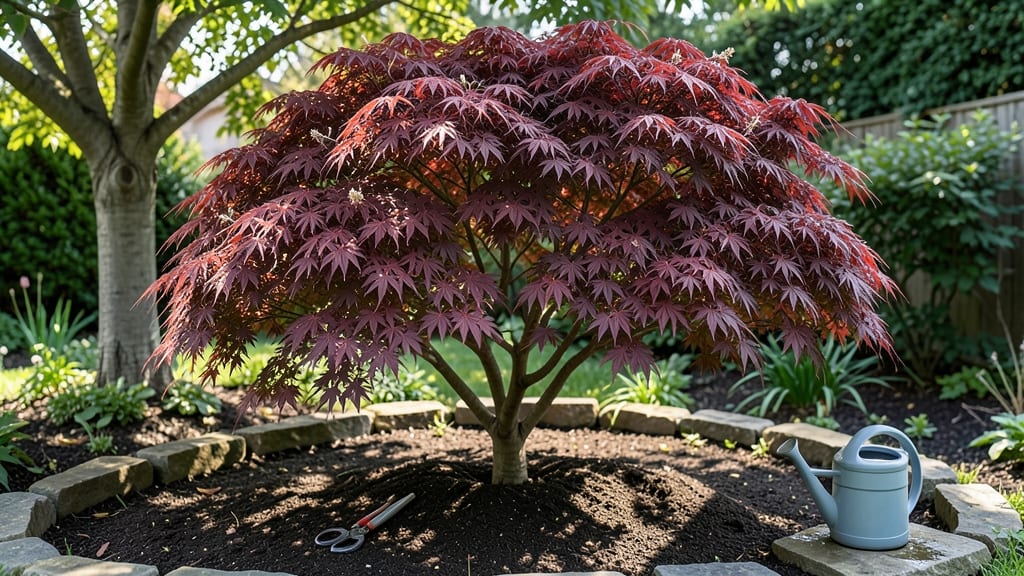
The Red Emperor Japanese maple (Acer palmatum 'Red Emperor') transforms any garden into a living work of art with its fiery foliage and graceful form. 🌿 I fell for this tree the first time I saw its deep red leaves unfurl in spring—it’s not just a plant, it’s a statement piece that demands attention.
Unlike fast-growing shrubs, this maple grows slowly but deliberately, creating a refined, layered silhouette that’s perfect for both small yards and grand landscapes.
Pruning isn’t just about shaping—it’s about preserving that stunning color and maintaining its health. The key is working with its natural growth habit: open, spreading branches that need gentle encouragement to stay balanced.
You’ll want to prune in late winter or early spring before new growth starts, focusing on removing dead wood, crossing branches, and thinning out crowded areas to let light reach the inner leaves. This keeps the foliage vibrant and prevents disease by improving airflow.
What you’ll end up with is a tree that looks like it belongs in a botanical garden, not just your backyard. Those crimson leaves stay bold through summer, turn fiery orange in fall, and even hold their own in winter when they develop a subtle bronze tint.
The best part? It thrives in partial shade, making it ideal for spots where other maples would struggle. With the right pruning, you’ll have a year-round focal point that neighbors will envy.
Whether you’re dealing with a young sapling or a mature specimen, the principles stay the same—just adjust the scale. Start small, observe how the tree responds, and soon you’ll have a pruning routine that keeps your Red Emperor looking like it was designed by a master.
Let’s get those shears ready!
📚 In This Guide
- What you need
- Instructions
- Tips and common mistakes
- Wrapping up and next steps
What you need
- ● Pruning shears: Bypass pruners (sharp, 6-8 inch blades) – for small to medium branches (1/4" to 3/4" thick). Example: Felco F-2 or Corona Classic.
- ● Loppers: Bypass loppers (18-24 inch, 2.5 lb) – for thicker branches (3/4" to 2" in diameter). Example: Felco F-22 or Gonic GL24S.
- ● Pruning saw: Curved-tooth pruning saw (10-12 inch) – for branches too thick for loppers (2"+ diameter). Example: Felco F-4 or Bahco Ergo.
- ○ Disinfectant: 70% isopropyl alcohol or pruning sealant (optional but recommended) – to sterilize tools and prevent disease spread.
- ● Gloves: Heavy-duty gardening gloves (cut-resistant) – protect your hands from thorns and rough bark.
- ● Ladder or step stool: Sturdy, extendable ladder (12-16 ft) or a stable stool – for reaching higher branches safely.
- ● Trash bags or bucket: Heavy-duty bags or a 5-gallon bucket – to collect pruned branches and debris.
- ● Sharpie or permanent marker: Fine-tip marker – for labeling cuts if needed (e.g., for future reference).
- ● Hand pruners: Compact bypass pruners (for precision work on tiny branches) – great for detail-oriented trimming.
- ● Pole pruner: Extendable pruner (10-15 ft reach) – if your tree is tall and hard to access.
- ● Pruning paint: Tree wound dressing (e.g., Tanglefoot Tree Wound Pruning Seal) – for sealing large cuts (controversial but some gardeners swear by it!).
- ● Workwear: Long sleeves, closed-toe shoes, and safety glasses – for extra protection.
- ● Notebook or app: Garden journal or app (e.g., PlantNet) – to track pruning dates, notes, and progress.
Step-by-Step instructions for pruning a Red Emperor Japanese Maple
Here's how to shape your tree for vibrant color and healthy growth.
✂️ Step 1: Prune in Late Winter or Early Spring
Wait until after the last frost but before new buds swell—typically February to March in most climates. The Red Emperor thrives on dormant-season pruning, which prevents disease spread and encourages strong spring growth. Avoid pruning in fall or winter when the tree is stressed.
Start by removing any dead, diseased, or crossing branches first. These are easy to spot—they'll be brown, brittle, or growing inward toward the trunk. Use clean, sharp pruning shears to make cuts just outside the branch collar (the swollen area where the branch meets the trunk). This ensures proper healing.
✂️ Step 2: Shape for Balance and Airflow
Step back and examine your tree's natural shape. The Red Emperor has a graceful, layered habit, so aim to maintain that form while opening up the canopy. Remove any branches that rub against each other—they'll create wounds that invite pests and disease.
For thicker branches over ½ inch, use loppers to make clean cuts at a 45-degree angle just outside the branch collar. For smaller branches, hand pruners work best. Never leave stubs—this slows healing and weakens the tree. You'll know you're doing well when sunlight can reach all layers of the canopy.
☀️ Step 3: Thin Out Dense Areas
Focus on the tree's interior where branches grow too tightly together. Selective thinning—removing entire branches back to their origin—improves airflow and reduces disease risk. Look for areas where leaves look sparse or branches appear crowded; these are prime spots for improvement.
Remove no more than 25% of the tree's foliage in one season. The Red Emperor responds well to gradual shaping. After thinning, you'll notice more vibrant red foliage in spring and summer—this tree's signature trait—because light can penetrate deeper into the canopy.
✂️ Step 4: Clean Up and Monitor
Rake up all pruned branches and debris immediately after finishing. This prevents fungal spores from infecting fresh cuts. Disinfect your pruning tools with rubbing alcohol between cuts on different branches to avoid spreading disease.
Water the base of the tree thoroughly after pruning to help it recover. Watch for new growth in 4-6 weeks—this is your signal that the tree is responding well. If you notice excessive weeping (sap oozing) from cuts, it's normal for the first few days but should stop as the tree heals.
Tips & tricks for pruning a Red Emperor Japanese Maple
These simple strategies will help you prune your Red Emperor Japanese Maple like a pro—keeping it healthy and stunning year after year.
Timing is Everything: I can't stress this enough—pruning in late winter or early spring (February to March) is crucial. This timing aligns with the tree's natural dormancy period, reducing stress and preventing disease. If you're in a warmer climate, wait until just before buds begin to swell. Real talk: I once pruned in fall and ended up with a stressed tree that struggled through winter—don't make my mistake!
Branch Collar Technique: When making cuts in Step 1 and Step 2, always cut just outside the branch collar—the swollen area where the branch meets the trunk. This ensures the tree can seal the wound properly and heal faster. I've seen too many pruning jobs where stubs were left, leading to slow healing and potential infections. Use sharp tools and make clean cuts at a 45-degree angle for branches over ½ inch.
Gradual Shaping Wins: The Red Emperor responds best to gradual shaping, so never remove more than 25% of the foliage in one season. I learned this the hard way after over-pruning and nearly losing a young tree. Focus on selective thinning in Step 3—remove entire branches back to their origin rather than just trimming the ends. This improves airflow and encourages vibrant red foliage by letting sunlight reach deeper into the canopy.
Post-Pruning Care: After you've finished pruning, water the base of the tree thoroughly to help it recover. I also make it a habit to monitor for new growth in 4-6 weeks—this is your signal that the tree is responding well. If you notice excessive sap weeping from cuts, it's normal for the first few days, but it should stop as the tree heals. Keep an eye out for any signs of stress or disease, and address them promptly.
Pro Tips for Red Emperor Japanese Maple Tree
- These simple strategies will help you prune your Red Emperor Japanese Maple like a pro—keeping it healthy and stunning year after year.
- Timing is Everything: I can't stress this enough—pruning in late winter or early spring (February to March) is crucial.
- Branch Collar Technique: When making cuts in Step 1 and Step 2, always cut just outside the branch collar—the swollen area where the branch meets the trunk.
Frequently asked questions
about pruning your Red Emperor Japanese Maple Tree—because even pros need a little clarity! Here are answers to the most common queries to keep your tree thriving.When is the best time to prune a Red Emperor Japanese Maple?
The ideal time is late winter to early spring (before buds swell) or summer after flowering. Avoid pruning in fall or winter when the tree is dormant—this can stress it. For minor shaping, summer pruning works too, but heavy cuts should wait for dormancy.
How much can I prune without harming the tree?
Limit pruning to no more than 25% of the tree’s foliage per year. The Red Emperor is sensitive to over-pruning—its stunning red foliage relies on healthy growth. Focus on removing dead, crossing, or weak branches first. Pro tip: If you must prune heavily, spread it over 2–3 years.
Why are my Red Emperor’s leaves turning brown after pruning?
Brown leaves post-pruning usually mean stress from over-cutting, poor timing, or dry conditions. Ensure you’re pruning at the right time (late winter/early spring) and water deeply afterward. If browning persists, check for pests (like spider mites) or fungal issues—neem oil can help if needed.
Can I prune a young Red Emperor Japanese Maple differently than a mature one?
Young trees (under 5 years)
benefit from light shaping to encourage a strong structure—remove only dead or rubbing branches. Mature trees need thinning cuts to improve airflow and reduce weight. Always prune 1/4" above a bud to promote healthy regrowth.
What should I do if my Red Emperor gets storm-damaged?
Act fast! Remove broken or hanging branches immediately to prevent further damage. Sterilize cuts with pruning sealant (optional but helpful) and monitor for disease. If the tree is severely damaged, consult an arborist—some Red Emperors may need structural support or cabling.
Wrapping up and next steps
The Red Emperor Japanese Maple is a stunning addition to any garden, and with the right pruning techniques, you can keep it thriving and breathtaking year-round. 🌿 From shaping its elegant branches to promoting vibrant foliage, this guide gives you the confidence to maintain its beauty while ensuring long-term health.
Now that you’re armed with knowledge, take the next step—grab your pruning shears and give your Red Emperor the care it deserves! Whether you’re a seasoned gardener or just starting, every trim brings you closer to a showstopping tree that turns heads (and hearts) for seasons to come.