
Pruning
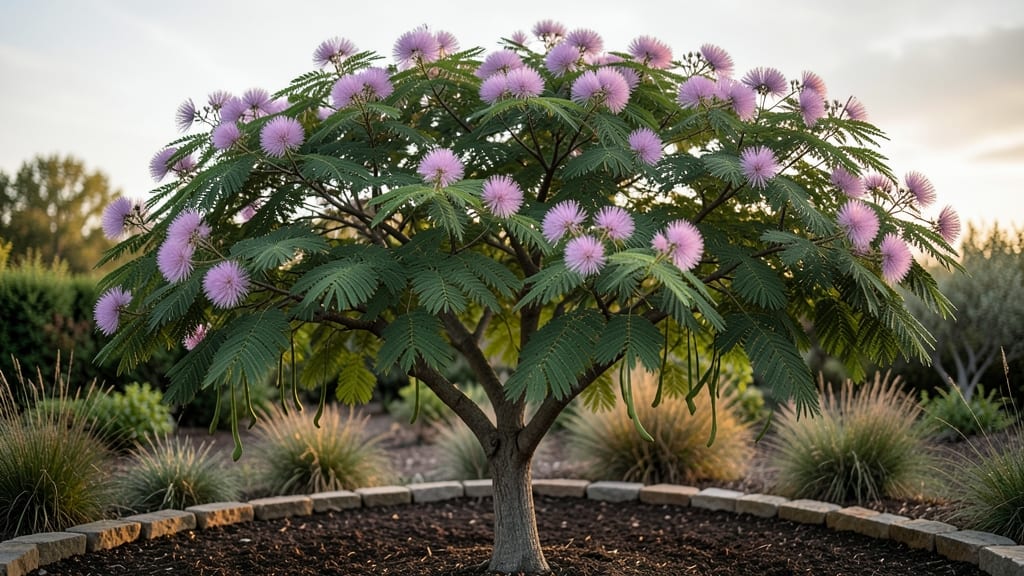
The purple mimosa tree (Albizia julibrissin 'Pink Cascade') is a showstopper with its cascading pink blooms—but pruning it wrong can turn that floral display into a tangled mess.
I’ve pruned mine for five years, and the difference between a bushy, blooming beauty and a leggy disappointment comes down to timing, technique, and a few key cuts. The right approach keeps those delicate pink pom-poms coming back all season, even in winter’s chill.
Here’s the secret: prune after blooms fade in late summer, not in spring. Most gardeners make that mistake, thinking early cuts boost growth—but this tree blooms on old wood. Cut too early, and you’ll sacrifice next year’s flowers.
Grab your shears, focus on shaping the canopy, and thin out crowded branches to let light and air circulate. It’s not about drastic cuts; think of it as sculpting rather than hacking.
What you’ll end up with is a tree that looks like a cloud of pink fluff from spring through fall, with fewer bare spots and stronger structure. The blooms stay vibrant longer, and new growth fills in gaps where old branches once dominated.
Even in winter, the skeleton branches hold their own charm—just add a few twinkling lights for extra magic.
Works for both container-grown trees and in-ground plantings, though larger specimens need a ladder. The same principles apply whether you’re shaping a small patio tree or a backyard centerpiece. Let’s get those shears sharp and those branches blooming again.
📚 In This Guide
- What you need
- Instructions
- Tips and common mistakes
- Wrapping up and next steps
What you need
- ● Bypass pruners (sharp, clean, and sterilized with rubbing alcohol) – 1 pair (for small branches up to ½ inch thick).
- ● Loppers (long-handled, 10-12 inch) – 1 pair (for branches ½ to 1½ inches thick).
- ● Pruning saw (with a fine-tooth blade) – 1 (for branches 1½+ inches thick).
- ● Gloves (heavy-duty, cut-resistant) – 1 pair (to protect from thorns!).
- ● Disinfectant (70% isopropyl alcohol or 10% bleach solution) – small bottle (for tool sterilization).
- ○ Pruning sealant (optional but recommended for larger cuts) – small tube (to prevent disease).
- ● Ladder (stable, extension ladder if needed) – 1 (for high branches).
- ● Heavy-duty trash bags – 2-3 (for debris disposal).
- ● Notebook & pen – 1 each (to map out cuts and track growth).
- ● Hand saw (for stubborn, thick branches).
- ● Pole pruner (for high, hard-to-reach branches).
- ● Garden hose (to rinse tools and clean cuts).
- ● Safety glasses (to shield from debris).
- ● Tree growth regulator (if overgrowth is a recurring issue).
Step-by-step guide to pruning your purple mimosa tree
Here's how to keep your tree blooming beautifully all year with minimal effort.
Time Your Pruning for Optimal Growth
Prune your purple mimosa tree right after flowering, typically in late spring or early summer. This timing ensures you remove spent blooms while leaving enough foliage for photosynthesis. Avoid pruning during dormancy—your tree needs its energy reserves to push new growth in spring.
If you notice leggy branches stretching toward light, trim them back by one-third in early summer. This encourages bushier growth and more flowers. Use sharp, clean pruners to make cuts just above a leaf node or bud—this prevents unsightly stubs and promotes faster healing.
Remove Dead or Weak Branches First
Start by inspecting your tree for branches that are dead, diseased, or crossing. Dead branches snap easily when bent—remove these immediately to prevent pests from moving into healthy wood. Diseased branches often have discolored leaves or oozing sap; prune them back to healthy tissue.
Crossing branches compete for sunlight and nutrients, weakening the tree. Look for branches rubbing against each other—these should be removed at the base. Make your cuts at a 45-degree angle just outside the branch collar (the swollen area where the branch meets the trunk) to allow proper sealing.
Shape for Airflow and Light Penetration
Step back and assess your tree's overall shape. Purple mimosa trees thrive with open, airy canopies that let sunlight reach the center. Thin out crowded branches by cutting them back to the main trunk or a strong lateral branch. Aim to remove no more than 25% of the foliage in one session to avoid shocking the tree.
Focus on the outer third of the tree first—this opens up the center for better airflow and reduces humidity-related diseases. Avoid "topping" (cutting the main trunk flat), as this encourages weak, water-sprout growth. Instead, prune to create a natural, balanced silhouette that maintains the tree's structural integrity.
Encourage New Blooms with Strategic Trimming
To promote more flowers, cut back last year's blooming stems by half in early summer. These stems produce the most vibrant flowers, and shortening them encourages the tree to branch out further. Look for stems with clusters of spent blooms—trim just above a set of healthy leaves or buds.
If your tree has become too tall or leggy, you can also perform a moderate height reduction by cutting the main trunk back by 10-15% in early spring. This stimulates new growth from lower buds, resulting in a fuller, more compact tree. Just avoid heavy pruning in fall, as the tree needs time to harden off before winter.
Tips & tricks for pruning your purple mimosa tree
Here's what I wish I'd known before my first pruning session—these small details make all the difference.
Timing is Everything: When you prune right after flowering in late spring or early summer, you're actually encouraging your tree to produce more blooms next season. I learned this the hard way after pruning in fall and wondering why my tree didn't bloom as heavily. The key is removing spent blooms while leaving enough foliage for photosynthesis—think of it as giving your tree a fresh start for its next growth cycle.
The One-Third Rule for Leggy Branches: If you notice branches stretching toward light, trim them back by exactly one-third in early summer. This might seem drastic, but it works wonders for encouraging bushier growth. I used to be afraid of cutting too much, but the tree actually responds better to this moderate reduction than to leaving branches too long. Always make your cuts just above a leaf node or bud to promote faster healing and new growth.
Branch Collar Matters: The branch collar—the swollen area where a branch meets the trunk—isn't just decoration. When you remove crossing branches, make your cuts at a 45-degree angle just outside this collar. This prevents unsightly stubs and allows the tree to seal the wound properly. I've seen too many pruning jobs where people cut too close to the trunk, leaving ugly scars that never heal right.
Don't Top Your Tree: Avoid the temptation to "top" your purple mimosa by cutting the main trunk flat. This might seem like an easy way to control height, but it actually encourages weak, water-sprout growth that looks unnatural and weakens the tree. Instead, focus on creating a natural, balanced silhouette by thinning out crowded branches and removing only what's necessary to maintain airflow and light penetration.
Pro Tips for Purple Mimosa Tree
- Here's what I wish I'd known before my first pruning session—these small details make all the difference.
- Timing is Everything: When you prune right after flowering in late spring or early summer, you're actually encouraging your tree to produce more blooms next season.
- The One-Third Rule for Leggy Branches: If you notice branches stretching toward light, trim them back by exactly one-third in early summer.
Frequently asked questions
Got questions about keeping your purple mimosa tree blooming beautifully? Here are answers to the most common ones—so you can prune with confidence!
When is the best time to prune a purple mimosa tree for maximum flowers?
The ideal time to prune is late winter or early spring (before new growth starts) or right after flowering (late spring/early summer). Avoid heavy pruning in fall—it can stimulate tender new growth that won’t survive winter. Light trimming to shape or remove dead branches can happen year-round!
How much can I trim back my purple mimosa tree without harming it?
You can safely trim up to one-third of the tree’s height in a single session, but avoid cutting into old wood (the thick, woody stems). Focus on removing dead, diseased, or crossing branches first, then shape the canopy. Over-pruning can stress the tree, so gradual trimming over 2–3 years works best for vigorous regrowth.
Why aren’t my purple mimosa flowers as vibrant as they used to be?
Duller blooms often mean overcrowding or poor sunlight. Thin out dense branches to improve airflow, and ensure the tree gets at least 6–8 hours of sunlight daily. Also, check for nutrient deficiencies—a balanced fertilizer in early spring can revive color. If pests (like spider mites) are present, treat with neem oil or insecticidal soap.
Can I grow a purple mimosa tree in a container, and how do I prune it?
Yes! Purple mimosa thrives in containers if the pot is at least 24 inches wide/deep with drainage holes. Prune container-grown trees more aggressively (up to 30% of height) to control size, but repot every 2–3 years to refresh soil. Use well-draining potting mix and fertilize lightly during growing season to prevent root-bound stress.
What’s the difference between pruning for shape vs. pruning for more flowers?
| Pruning for Shape | Pruning for Flowers |
|---|---|
| Focus on evenly spaced branches, removing suckers or water sprouts. Use hand pruners for clean cuts. | Trim back old wood (but not to bare wood) to encourage new growth. Remove spent blooms to redirect energy. |
| Best done in late winter or after flowering. | Light trimming after each bloom cycle (every 6–8 weeks) boosts reblooming. |
Pro tip: Combine both methods—shape in winter, then prune lightly after flowers fade to keep blooms abundant!
Wrapping up and next steps
Pruning your purple mimosa tree doesn’t have to be intimidating—with the right timing, tools, and technique, you’ll unlock a year-round floral spectacle that’s both rewarding and stunning. Remember, consistency is key: light trims in late winter and shaping cuts in early summer will keep your tree healthy and blooming beautifully.
Now that you’re armed with expert tips, grab those pruners and give your tree the care it deserves—your garden (and future visitors) will thank you!
🌿 Next step: Mark your calendar for February and June and start small—confidence grows with every snip! 🌸