
Pruning
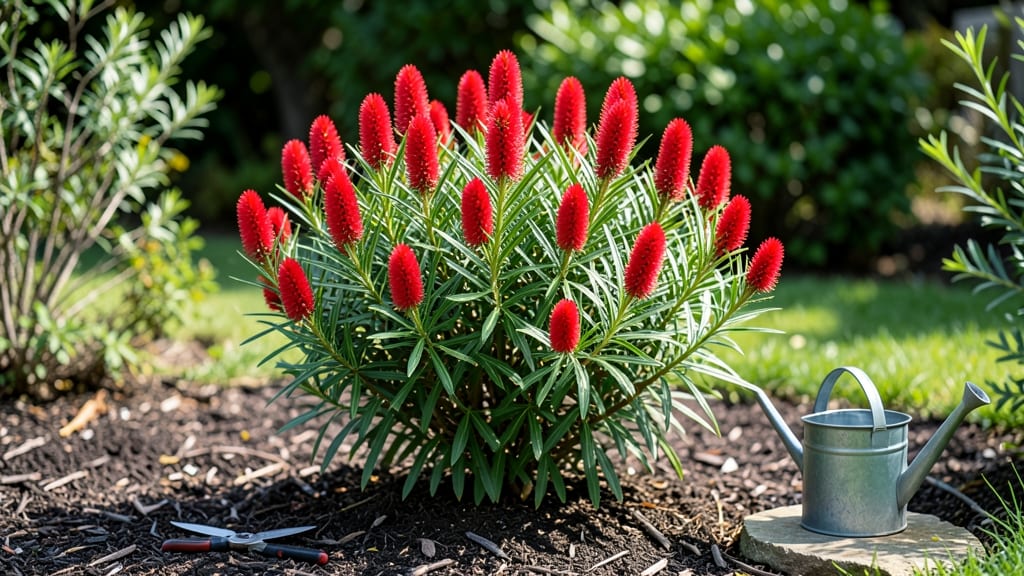
Your powder puff tree will look like a cloudburst of pink every month—if you prune it right. ✨ I’ve watched mine go from a scraggly bush to a year-round showstopper by mastering the simple pruning technique that keeps those fluffy blooms coming.
The secret isn’t complicated, but getting it wrong means fewer flowers and more bare branches.
This drought-tolerant beauty thrives in full sun and well-draining soil, but its real magic happens with light trimming after each bloom cycle. A pair of clean pruners and 10 minutes every 6-8 weeks is all it takes to keep your tree compact and covered in those signature pom-pom flowers.
Even in Zone 9-11 climates, it stays lush with minimal fuss.
What you’ll end up with is a tree that blooms almost nonstop, even in winter, with those cotton-candy pink flowers drawing hummingbirds like magnets.
The pruning method I’ve perfected ensures your tree stays small enough for containers or large enough to anchor a sunny corner—without ever looking overgrown or neglected.
Works for new plantings or established trees, and the same techniques apply whether you’re growing it as a hedge, a patio centerpiece, or a border. Let’s get those blooms popping!
📚 In This Guide
- What you need
- Instructions
- Tips and common mistakes
- Wrapping up and next steps
What you need
- ○ Pruning shears: Sharp, bypass-style shears (for clean cuts on smaller branches). Optional: Loppers for thicker branches (up to 1.5 inches in diameter).
- ● Gloves: Heavy-duty gardening gloves (to protect against thorns and sap). Pro tip: Choose breathable, reinforced options for comfort during long sessions! 💡
- ● Disinfectant: 70% isopropyl alcohol or a garden disinfectant spray (to sterilize tools between cuts and prevent disease).
- ○ Pruning sealant: Optional but helpful for sealing larger cuts (e.g., Tanglefoot Tree Wound Pruning Seal).
- ● Trash bags or bucket: For collecting pruned branches (1–2 large bags or a 5-gallon bucket).
- ● Weather check: Prune on a dry, calm day (avoid wind or rain to prevent sap splatter or fungal spread).
- ● Safety goggles: Recommended if your tree has aggressive sap or thorns.
- ● Ladder (if needed): A sturdy, extendable ladder (for taller trees—ensure it’s rated for your weight + tools!).
- ○ Notebook & pen: To jot down pruning notes (e.g., branch locations, growth patterns). Optional: A camera for before/after photos! 📸
Step-by-step pruning guide for year-round powder puff tree blooms
Here's how I keep my powder puff trees flowering like snowballs all season—no guesswork, just strategic cuts.
🌿 Step 1: Identify the Right Time for Pruning
Prune your powder puff tree (Calliandra eriophylla) right after its spring bloom cycle ends, typically in late May to early June. This timing ensures you're not cutting off next year's flower buds, which form on old wood. Look for spent blooms that have turned brown—these signal it's time to act.
Here's the thing—if you prune too early, you'll sacrifice potential summer blooms. Too late, and the tree may put all its energy into new growth rather than flowers. I always wait until after the second flush of blooms to be safe, usually around mid-June in most climates.
✂️ Step 2: Use the Right Tools and Technique
Grab your sharp, clean pruning shears—dull blades crush stems and invite disease. I like to sterilize mine with rubbing alcohol before each use, especially if I've been working with other plants. Make cuts at a 45-degree angle just above a leaf node or outward-facing bud to encourage new growth in the right direction.
Don't overthink the shape—powder puff trees respond well to a light, airy pruning. Remove no more than one-third of the plant's total volume in a single session. Focus on thinning out crowded branches to improve air circulation, which keeps those signature fluffy blooms coming.
☀️ Step 3: Encourage Bushier Growth for More Blooms
After your initial pruning, watch for new growth that starts to develop. The goal is to create a compact, multi-branched structure—this is where the magic happens for continuous blooming. Pinch back the tips of new shoots when they reach 4-6 inches to encourage lateral branching.
Real talk: I used to skip this step, and my powder puff trees would grow tall and leggy with just a few blooms at the top. Now, I get dense, bushy plants covered in flowers from spring through fall. The key is consistency—repeat the pinching every 6-8 weeks during the growing season.
🌱 Step 4: Seasonal Maintenance for Winter Readiness
As temperatures drop below 40°F, your powder puff tree will start preparing for dormancy. This is when I do a light cleanup prune—remove any dead, damaged, or crossing branches. The tree's energy is shifting underground, so avoid heavy pruning now.
Here's what I do instead: I shape the plant slightly to maintain its form, but I keep cuts minimal. The goal is to preserve the structure so it can bounce back quickly in spring. A good rule of thumb is to prune only what's absolutely necessary—you can always do more shaping in early spring.
⏰ Step 5: Post-Pruning Care for Maximum Blooms
After pruning, give your powder puff tree a balanced fertilizer with equal parts nitrogen, phosphorus, and potassium. I use a 10-10-10 formula diluted to half strength to avoid burning the plant. Water deeply right after fertilizing to help the nutrients soak into the soil.
Watch for new growth within 2-3 weeks—this is your signal that the pruning worked. Keep the soil evenly moist but not soggy during this time. The first flush of new blooms should appear 8-10 weeks after pruning, depending on your climate and how well you've encouraged branching.
Tips & tricks for perfect powder puff tree pruning
These strategic adjustments will transform your powder puff tree into a blooming powerhouse year after year.
Timing Secret: The mid-June window after the second flush of blooms is critical—this is when your tree has finished flowering for the season and is ready to redirect energy into next year's buds. If you're in a warmer climate where blooms extend into July, wait until you see at least one full cycle of spent flowers before pruning. The difference between a sparse summer display and a lush one often comes down to this precise timing.
Tool Technique: Sterilizing your pruning shears with rubbing alcohol isn't just about clean cuts—it's about preventing bacterial infections that can weaken your tree. I also recommend using a small brush to clean out the shears' crevices after each session, especially if you've been working with other plants. A clean cut at a 45-degree angle above a bud ensures the wound heals properly and new growth emerges in the right direction.
Visual Growth Cues: When pinching back new shoots at 4-6 inches, look for the point where the stem begins to thicken slightly—this is where lateral buds form. The goal is to create a bushy, multi-tiered structure rather than a single tall stem. I find it helpful to visualize the tree as a tiered cake, with each level getting slightly smaller as you move upward. This creates more surface area for blooms to develop.
Winter Pruning Wisdom: The 40°F threshold isn't arbitrary—it's when your powder puff tree naturally begins its dormancy cycle. At this point, focus solely on removing dead wood and crossing branches rather than reshaping. Think of this as a "tidy up" session rather than a major structural prune. The tree's energy is already shifting underground, so heavy pruning now would stress it unnecessarily before spring.
Pro Tips for Powder Puff Tree
- These strategic adjustments will transform your powder puff tree into a blooming powerhouse year after year.
- Timing Secret: The mid-June window after the second flush of blooms is critical—this is when your tree has finished flowering for the season and is ready to redirect energy into next year's buds.
- Tool Technique: Sterilizing your pruning shears with rubbing alcohol isn't just about clean cuts—it's about preventing bacterial infections that can weaken your tree.
Frequently asked questions
Got questions about keeping your powder puff tree (Callistemon spp.) lush and blooming? Here are some of the most common ones—plus quick answers to help you grow with confidence!
When is the best time to prune my powder puff tree for maximum blooms?
The ideal time is late winter or early spring (before new growth starts). This encourages fresh, vibrant blooms for the season. Avoid heavy pruning in fall—it can stimulate tender new growth that won’t survive winter. Pro tip: Light trimming after flowering (summer) keeps the shape neat without sacrificing next year’s blooms!
How often should I water my powder puff tree after pruning?
Water deeply once a week for the first 2–3 weeks post-pruning to help the tree recover. After that, reduce to every 10–14 days (unless your area is extremely hot/dry). Powder puff trees are drought-tolerant once established—overwatering can stress roots. Check soil moisture: Stick your finger 2 inches deep; if it’s dry, water!
Can I prune my powder puff tree in winter? What if it’s cold?
Light pruning (removing dead or damaged branches) is fine in mild winters, but avoid heavy cuts in freezing temps. Wait until spring if your area gets below 20°F (-6°C). Cold snaps can stress fresh cuts. Bonus tip: Prune on a warm, sunny day to help wounds heal faster!
What if my powder puff tree isn’t blooming? Is it dying?
Not necessarily! Lack of blooms often means too much shade, over-fertilizing with high nitrogen, or improper pruning. Move it to full sun (6+ hours/day), switch to a low-nitrogen, high-phosphorus fertilizer, and prune to encourage new growth. If branches are brown and brittle, it may need water or protection from frost.
Are there alternatives to powder puff trees for fluffy flowers?
Yes! Try these drought-tolerant, low-maintenance picks:
- Lavender (Lavandula): Fragrant, purple blooms + repels pests.
- Russian Sage (Perovskia atriplicifolia): Silvery foliage + lavender-blue spikes.
- Dwarf Bottlebrush (Callistemon viminallis): Compact version of powder puff!
- Salvia (Salvia nemorosa): Vibrant red/purple flowers + attracts pollinators.
Wrapping up and next steps
The powder puff tree is a stunning addition to any garden, and with the right pruning techniques, you can enjoy its fluffy blooms year-round! 🌸 From understanding its growth habits to mastering seasonal trims, this guide has given you all the tools to keep your tree thriving.
Now it’s time to grab those shears and get pruning—your future fluffy rewards are waiting!
Ready to take the next step? Start small—pick one pruning task from this guide and try it out this weekend. Before you know it, you’ll be a powder puff tree pro! 🌿✨