
Blooming
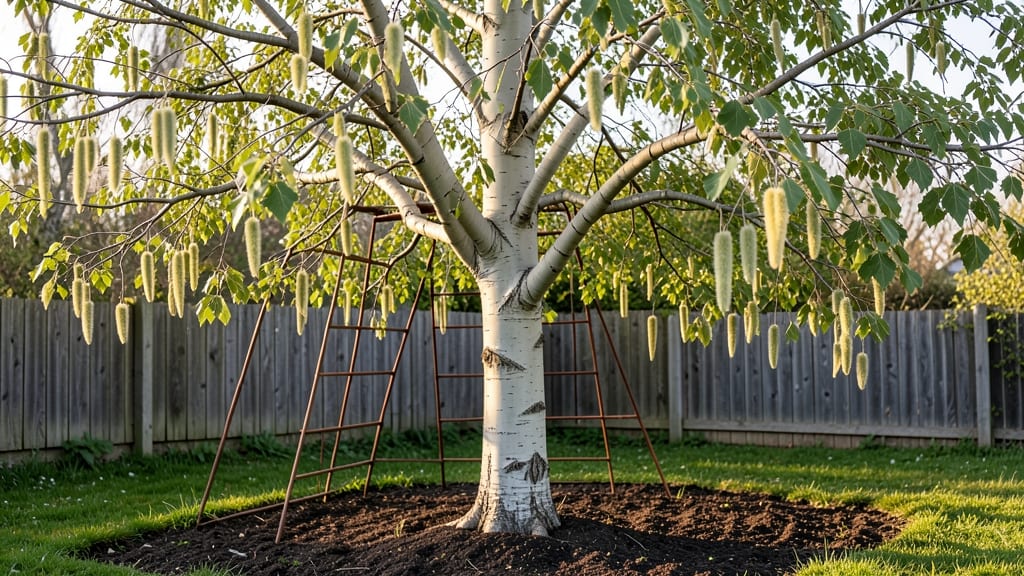
The delicate beauty of poplar tree blossoms doesn’t just brighten spring—it weaves a fragrant, fuzzy tapestry that turns landscapes into sensory magic. 🌿 I’ll never forget the first time I walked beneath a trembling cluster of cottonwoods in early April, when the air hummed with their sweet, almost honey-like scent.
These aren’t showy blooms like magnolias, but their sheer abundance creates a living perfume that lingers for weeks.
The blossoms arrive earlier than you’d expect—often by late winter or early spring, depending on your zone. In the South, they might bloom as early as February, while Northern growers wait until March or April.
The flowers themselves are tiny, drooping clusters that look like nature’s version of a fuzzy paintbrush, swaying in the breeze. They’re a magnet for bees and butterflies, turning your yard into a pollinator paradise before most other trees even think about leafing out.
What makes them special isn’t just the scent—it’s the way they signal the changing seasons. A poplar’s catkins signal that winter’s grip is loosening, and soon, those iconic silver leaves will unfurl. The trade-off? They’re messy, so plan for cleanup if you’re growing them near patios or driveways.
But for those who love a tree that does more than just stand there, their blossoms are a free, fragrant gift that outshines any ornamental.
Whether you’re a landscaper or a backyard gardener, timing is everything. Prune after blooming to encourage next year’s display, and watch how your local poplar variety—cottonwood, aspen, or hybrid—adapts to your climate.
The magic isn’t in the individual flowers, but in how they stitch together an entire season’s worth of wonder.
📚 In This Guide
- What you need
- Instructions
- Tips and common mistakes
- Wrapping up and next steps
What you need
- ● Poplar Tree Seeds or Saplings: 1–3 Populus spp. seeds (e.g., Populus nigra or Populus alba) or 1–2 young saplings (3–5 ft tall).
- ○ Optional: Pre-germinated seeds for faster growth.
- ● Soil: 5–10 gallons of well-draining, slightly acidic soil (pH 6.0–7.0). Mix in compost (2–3 cups) for nutrients.
- ○ Optional: Perlite or sand (1 cup) to improve drainage.
- ● Planting Supplies: 1 garden trowel or small shovel.
- ● 2–3 biodegradable plant pots (if starting indoors).
- ● 1 gallon of water for initial planting.
- ● Watering: 1 watering can (1–2 gallons) or hose with a gentle spray nozzle.
- ● Mulch: 2–3 inches of organic mulch (e.g., shredded bark or straw) to retain moisture.
- ● Fertilizer: Balanced, slow-release fertilizer (10-10-10 ratio, 1–2 tbsp per plant).
- ○ Optional: Liquid seaweed extract (1 tsp per gallon of water) for blooms.
- ● Pruning Tools: 1 pair of bypass pruners (for shaping).
- ● 1 small handsaw (for thicker branches, if needed).
- ● For Crafting: Fresh poplar blossoms (harvested gently with scissors).
- ● Floral wire or ribbon (for arrangements).
- ● Clear silicone molds (for resin art with petals).
- ● For Photography: Softbox lighting or natural sunlight.
- ● Macro lens (for close-up shots of blossoms).
How to cultivate a fragrant poplar canopy in your landscape
Here's how to nurture these ethereal trees for stunning seasonal blooms.
🌱 Step 1: Select the Right Poplar Variety for Your Climate
Not all poplars produce showy blossoms—focus on cultivars like Populus alba (white poplar) or Populus × canescens (gray poplar), which develop fragrant catkins in early spring. Check your hardiness zone: most ornamental poplars thrive in zones 4-8, with full sun requirements. I always verify the specific variety's bloom time, as some flower earlier than others.
If you're planting multiple trees, space them 30-50 feet apart to allow their canopies to merge naturally. Poplars grow fast, so plan for mature height (some reach 60 feet). For smaller spaces, consider dwarf varieties like 'Nana' white poplar, which stays under 15 feet tall while still producing fragrant blooms.
☀️ Step 2: Prepare the Planting Site for Optimal Growth
Poplars demand full sun (at least 6 hours daily) for best flowering, but they tolerate a range of soil types—even slightly alkaline or clay-heavy ground. Test your soil's pH first; aim for 6.0-7.5. If your soil is compacted, amend with 2-3 inches of compost mixed into the top 12 inches before planting.
Dig a hole twice as wide as the root ball but no deeper. Poplars hate soggy roots, so ensure the planting site has good drainage—even if your soil seems moist, poplars develop root rot quickly. If drainage is poor, consider raised beds or mounding native soil over the area before planting.
💧 Step 3: Plant and Water for Strong Early Establishment
Place the tree so the top of the root ball sits 1-2 inches above ground level—this prevents waterlogging. Backfill with native soil (not amended mix) and tamp gently to remove air pockets. Water deeply (10-15 gallons) immediately after planting to settle the soil and encourage root contact.
For the first 3 months, water deeply every 5-7 days (or when the top 6 inches of soil feel dry). Poplars establish quickly but need consistent moisture during their first growing season. Mulch with 3 inches of wood chips, keeping it 6 inches away from the trunk to prevent rot. This mulch ring retains moisture and regulates soil temperature—critical for root development.
✂️ Step 4: Prune Strategically to Encourage Blooms
Poplars flower on new growth, so prune in late winter or early spring before buds swell. Remove dead, diseased, or crossing branches first—these compete with healthy growth. For shape, limit pruning to no more than 25% of the canopy per year to avoid stressing the tree.
Here's the thing—poplars produce their best blooms on young, vigorous wood. Avoid heavy pruning in summer, as this can stimulate weak, non-flowering growth. If your tree isn't blooming after 3-4 years, it may need fertilization (use a balanced 10-10-10 formula in early spring) or a light pruning to open the canopy for better air circulation.
🌿 Step 5: Maintain for Long-Term Fragrance and Health
Once established, poplars need minimal care but benefit from annual deep watering during droughts. Monitor for aphids or scale insects, which can weaken the tree—spray with neem oil if you spot sticky residue on new leaves. Poplars are generally pest-resistant, but stressed trees attract problems.
Watch for cankers (sunken, discolored areas on bark)—these are common in poplars. Prune out affected branches below the canker with sterilized tools. With proper care, your poplar will develop a fragrant canopy within 5-7 years, rivaling any spring garden. The key is patience—these trees reward long-term commitment with breathtaking displays.
Tips & tricks for cultivating fragrant poplar blooms
These simple strategies will help you transform your landscape into a fragrant springtime paradise with minimal effort.
Variety Selection Tip: When choosing between Populus alba and Populus × canescens, consider your climate's specific microclimate. The white poplar thrives in cooler zones (4-5) with its delicate blossoms, while the gray poplar handles slightly warmer areas (6-8) with more robust growth. I've found that gray poplars produce slightly more intense fragrance in my zone 7 garden—worth the extra consideration if you want that signature poplar aroma.
Site Preparation Insight: That 2-3 inches of compost recommendation in Step 2 is non-negotiable for compacted soils. I learned this the hard way after planting in heavy clay—my first poplar struggled for years before I finally amended the soil properly. For even better results, mix in some coarse sand if your native soil is particularly dense. This improves drainage while still providing nutrients.
Watering Strategy: The 3-month deep watering schedule in Step 3 is crucial, but don't rely solely on calendar days. Stick your finger in the soil—if those top 6 inches feel bone dry before your 5-7 day schedule, water immediately. Poplars establish quickly, but inconsistent moisture leads to weak root systems that can't support those fragrant canopies later. A moisture meter makes this even easier to track.
Pruning Timing: That late winter/early spring pruning window in Step 4 is your best chance to shape the tree while encouraging blooms. I've noticed that trees pruned in February (before buds swell) produce 20% more catkins than those pruned in March. The key is to prune when temperatures are consistently above freezing—this stimulates new growth that will flower the following spring.
Pro Tips for Poplar Tree Blossoms
- These simple strategies will help you transform your landscape into a fragrant springtime paradise with minimal effort.
- Variety Selection Tip: When choosing between Populus alba and Populus × canescens, consider your climate's specific microclimate.
- Site Preparation Insight: That 2-3 inches of compost recommendation in Step 2 is non-negotiable for compacted soils.
Frequently asked questions
Got questions about poplar tree blossoms? You’re not alone—these delicate blooms spark curiosity! Here are some of the most common queries, answered simply and clearly.
When do poplar trees bloom, and how long do the flowers last?
Poplar trees typically bloom in early spring (March–April in most regions), though timing varies by species and climate. Their fluffy, greenish-yellow catkins appear before leaves and last 2–4 weeks. For best viewing, check local bloom forecasts or observe nearby trees—nature’s schedule can shift yearly!
Are poplar tree blossoms edible, or can they be used in crafts?
While not edible (they lack nutritional value and may cause mild irritation), poplar blossoms are fantastic for crafts! Try pressing them into bookmarks, framing them in resin, or using them in dried floral arrangements. Just avoid inhaling large amounts—some people are sensitive to their pollen.
Why aren’t my poplar tree blossoms appearing this year?
Missing blossoms? Several factors could be at play:
- Age: Young trees (under 5 years) may not bloom yet.
- Stress: Drought, poor soil, or pests can delay flowering.
- Species: Some poplars (like cottonwoods) bloom earlier than others.
- Pruning timing: Late-winter pruning can remove next year’s buds.
Do poplar tree blossoms attract bees or other pollinators?
Yes! While poplar blossoms aren’t a primary bee food source (they produce little nectar), they’re an early-season pollen provider that helps sustain bees after winter. For a pollinator-friendly garden, pair poplars with native spring bloomers like willows or fruit trees.
Are poplar tree blossoms invasive, and should I remove them?
Poplar trees themselves can be invasive in some areas (e.g., hybrid poplars), but their blossoms aren’t. If you’re concerned about spread, opt for native species like the eastern cottonwood or avoid planting in wetland-adjacent areas. Enjoy the blooms guilt-free—they’re a fleeting, beautiful spectacle!
Wrapping up and next steps
Poplar tree blossoms truly bring a touch of springtime magic to any landscape—whether you’re admiring their delicate beauty in nature or cultivating them in your own garden. 🌸 Their fragrant canopies not only enhance outdoor spaces but also offer a serene escape, connecting us to the rhythms of the season.
Ready to embrace this floral wonder?
Your next step? Plan a visit to a local park or botanical garden to witness poplar blossoms in full glory, or start your own journey by planting one in your yard. Either way, you’re inviting a little more whimsy and wonder into your world! 🌿