
Pruning
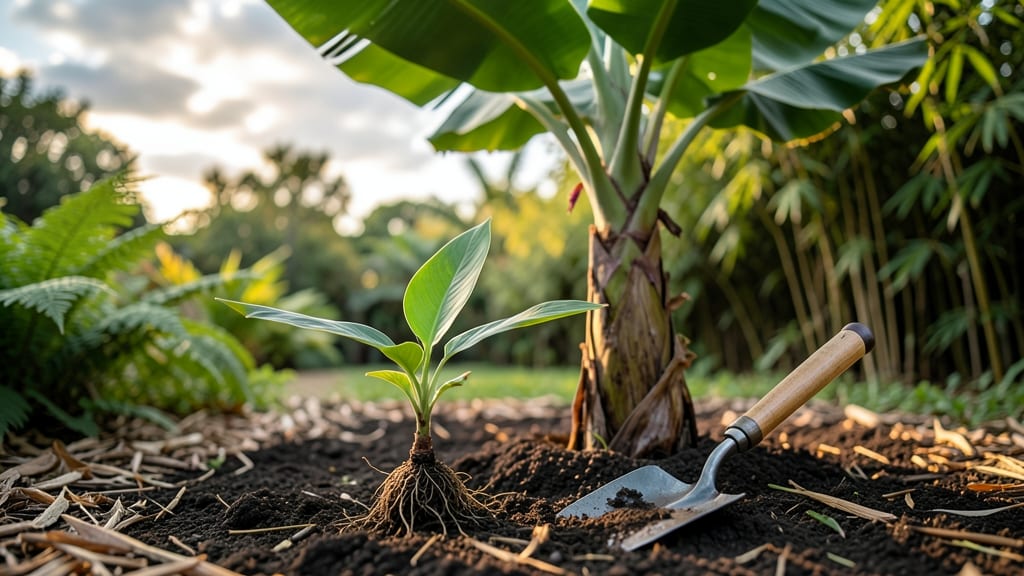
Planting a banana tree isn't just about sticking a clump in the ground—it's about giving those roots the revival they need to thrive. 🌱 I’ve nursed back more than my share of wilted banana plants, and the difference between success and failure often comes down to how you handle the first few weeks after transplanting.
The trick is mimicking their tropical home: warm soil, plenty of water, and protection from harsh winds until they’re established.
You’ll need well-draining soil mixed with compost, a spot that gets full sun (at least 6 hours daily), and patience—banana trees grow fast once they take root.
For containers, choose something large enough (15+ gallons) to hold moisture without waterlogging, while in-ground plantings need space (10 feet apart) to let their broad leaves spread. The biggest mistake? Rushing the process—banana trees hate being disturbed once they start growing.
What you’ll end up with is a lush, productive plant that rewards your care with massive leaves and—if you’re lucky—a few fruit bunches. The first sign of success? New growth within weeks, followed by that unmistakable tropical vibe in your yard.
Just don’t expect fruit in the first year; focus on getting those roots strong first. Ready to give it a try?
Works for both warm climates and containers in cooler zones, though you’ll need to bring potted trees indoors when temperatures dip below 50°F. Here’s how to set it up right the first time—no more sad, yellowing leaves.
📚 In This Guide
- What you need
- Instructions
- Tips and common mistakes
- Wrapping up and next steps
What you need
- ● Banana plant (pseudostem): A healthy, mature pseudostem (the "trunk") with visible roots or a pups (suckers) at the base. Choose one that’s at least 3–4 feet tall for best results.
- ● Shovel or digging spade: A sturdy, sharp-edged tool (18–24 inches long) for digging holes and transplanting.
- ○ Pruning shears or knife: For trimming dead leaves or roots and cutting the pseudostem to the desired height (optional but helpful).
- ● Well-draining potting mix or soil: A blend of 60% topsoil, 30% compost, and 10% perlite/sand (for container planting). For in-ground planting, amend native soil with compost.
- ● Organic mulch: Shredded bark, straw, or leaves (2–3 inches thick) to retain moisture and regulate temperature.
- ● Watering can or hose with a gentle spray nozzle: Banana trees need consistent moisture, especially after transplanting.
- ○ Staking materials (optional but recommended): 3–4 bamboo stakes (1–2 inches in diameter) and soft garden twine to support the pseudostem during recovery.
- ● Rooting hormone: Speeds up root growth if replanting a bare-root pseudostem (dip cut roots in powder or gel before planting).
- ● Slow-release fertilizer: A balanced 10-10-10 or organic option (like banana tree-specific fertilizer) to kickstart growth after transplanting.
- ● Container or raised bed: If your climate has cold winters, use a large pot (15+ gallons) with drainage holes for easy moving indoors.
- ● Shade cloth (30–50%): Protects young transplants from harsh sun for the first 2–3 weeks while roots establish.
- ● Soil pH tester: Banana trees thrive in slightly acidic soil (pH 5.5–7.0). Adjust with lime (to raise pH) or sulfur (to lower pH) if needed.
Step-by-step guide to planting a banana tree for strong root revival
Reviving a banana tree from a root ball is easier than you think—just follow these key steps.
🌱 Step 1: Prepare the Planting Site for Optimal Drainage
Banana trees despise soggy roots, so your first move is to create a well-draining spot. Choose a location with partial shade to full sun—morning sunlight works best in hot climates. If your soil drains poorly, amend it with 2-3 inches of compost mixed into the top 12 inches of soil. I like to dig a hole twice as wide as the root ball but only 6 inches deep—this prevents burying the base, which causes rot.
Loosen the soil around the edges of the hole with a shovel or trowel. This helps roots spread outward instead of circling the root ball. If your yard has heavy clay, mix in 1 part perlite or coarse sand to 3 parts soil to improve aeration. The goal is soil that feels like a damp sponge—not sticky or dry.
🪴 Step 2: Handle the Root Ball with Care to Avoid Shock
Remove the banana tree from its container and gently loosen the root ball with your fingers. If the roots are tightly bound, use a knife to make 2-3 vertical cuts around the edges—this encourages outward growth instead of a tangled mess. Place the tree in the hole so the base of the trunk sits just above soil level. Banana trees rot easily when buried too deep.
Backfill the hole with the amended soil, pressing lightly as you go to eliminate air pockets. Water deeply until the soil is evenly moist to a depth of 12 inches. You’ll know it’s right when water drains through within 30 minutes. Avoid compacting the soil too firmly—banana roots need room to breathe.
☀️ Step 3: Mulch and Water for Root Establishment
Spread a 3-inch layer of organic mulch (like wood chips or straw) around the base, keeping it 6 inches away from the trunk to prevent rot. Mulch retains moisture and regulates soil temperature—critical for tropical plants in cooler climates. Water the tree again after mulching to settle everything in place.
For the first 2-3 weeks, water deeply every 2-3 days until the soil feels damp 6 inches down. You’ll notice new leaves emerging within 4-6 weeks if the roots are happy. If the leaves yellow or wilt, you’re either overwatering or the drainage isn’t right—check the soil moisture before watering again.
✂️ Step 4: Prune and Protect for Long-Term Health
Once the tree is established (after 3-4 months), remove any damaged or dead leaves with clean pruners. Focus on keeping the center of the plant open to improve airflow—this prevents fungal diseases that thrive in humid conditions. If your banana tree is in a frost-prone area, cover it with burlap or move it indoors during cold snaps.
Fertilize lightly once a month during the growing season with a balanced, water-soluble fertilizer. Banana trees are heavy feeders but don’t need much—too much fertilizer burns roots. Watch for signs of stress: brown tips on leaves mean it’s thirsty, while yellowing leaves often signal overwatering.
Tips & tricks for planting a hardy banana tree
Here's what nobody tells you about giving your banana tree the best shot at thriving—these tricks make all the difference.
Soil Texture Matters: When amending your soil with the 2-3 inches of compost, mix it thoroughly into the top 12 inches. I like to use a garden fork to loosen the soil first—this creates pockets for roots to spread into. If your soil feels like wet cement after watering, you're still dealing with compaction. The goal is soil that crumbles easily when squeezed, not sticks together.
Root Ball Rescue: Those 2-3 vertical cuts around the root ball are non-negotiable if you see a tight, circular root mass. I've seen banana trees struggle for years because someone skipped this step. Use a sharp knife to make clean cuts, then gently separate the roots with your fingers. This simple action can double your tree's growth rate by letting roots explore outward instead of circling.
Watering Wisdom: The 30-minute drainage test after planting is your best friend. If water pools on top after 30 minutes, your hole isn't deep enough or your soil needs more sand. I've had to dig deeper holes twice because I rushed this step—don't make my mistake! The soil should feel uniformly moist down to 12 inches, not just at the surface.
Mulch Placement: Keep that 3-inch mulch layer exactly 6 inches away from the trunk—this prevents rot while still regulating temperature. I use straw mulch because it breaks down slowly and adds organic matter as it decomposes. Just avoid pine bark mulch, which can acidify the soil over time and stress your banana tree.
Pro Tips for Planting Banana Tree
- Here's what nobody tells you about giving your banana tree the best shot at thriving—these tricks make all the difference.
- Soil Texture Matters: When amending your soil with the 2-3 inches of compost, mix it thoroughly into the top 12 inches.
- Root Ball Rescue: Those 2-3 vertical cuts around the root ball are non-negotiable if you see a tight, circular root mass.
Frequently asked questions
Got questions about reviving and planting banana trees?
You’re not alone! Here are some of the most common concerns—plus quick, actionable answers to get your tropical transplant thriving.
How do I know if my banana tree is ready for transplanting?
Banana trees are ready when they’re 1-2 feet tall with 3-4 strong leaves (called "fronds"). Avoid transplanting during flowering or fruiting—wait until the plant is dormant (late winter/early spring in warm climates). Look for healthy roots (white or light tan) when you dig up the soil. Pro tip: If roots are brown/mushy, soak the plant in water for 24 hours before replanting!
What’s the best time of year to plant a banana tree?
Timing depends on your climate! In tropical zones (USDA 10-11), plant year-round. For cooler areas (USDA 9 or below), wait until after the last frost (spring) or plant in containers to move indoors in winter. Banana trees hate cold—aim for soil temps above 60°F (15°C) for best survival.
How often should I water a newly planted banana tree?
Water deeply 2-3 times per week for the first month, keeping soil consistently moist but not soggy. After root establishment (3-4 months), reduce to 1-2 times weekly, depending on rainfall. Warning: Banana trees rot in waterlogged soil—ensure well-draining soil or raised beds. Mulch around the base to retain moisture.
Can I grow a banana tree from a store-bought bunch?
Yes! The small green shoot at the base of the stem (called a "pups") can grow into a new tree.
- Cut the stem just above the shoot and let it dry for 2-3 days.
- Plant the shoot 1 inch deep in moist soil.
- Keep it warm and humid (use a plastic bag as a mini greenhouse if needed).
It’ll take 1-2 years to produce fruit—but it’s free and fun! Fun fact: This method works best with organic bananas (conventional ones may have growth inhibitors).
Why are my banana tree leaves turning yellow or brown?
Yellowing leaves often signal overwatering or poor drainage, while brown edges can mean underwatering or sunburn. Check for:
Pro tip: A simple soil pH test (aim for 6.0-7.5) can rule out chemical imbalances.
Wrapping up and next steps
Planting a banana tree is a rewarding journey that blends patience with the joy of nurturing life.
By choosing the right variety, preparing your soil, and mastering transplanting techniques, you’re well on your way to growing a thriving, hardy banana plant. 🌱 Whether you’re a seasoned gardener or just starting, every step you take brings you closer to a lush, productive harvest.
Ready to take the next step? Start small—plant one tree today! Monitor its growth, learn from each season, and soon, you’ll be sharing your tropical bounty with friends and family. Happy planting! 🌿