
Trees
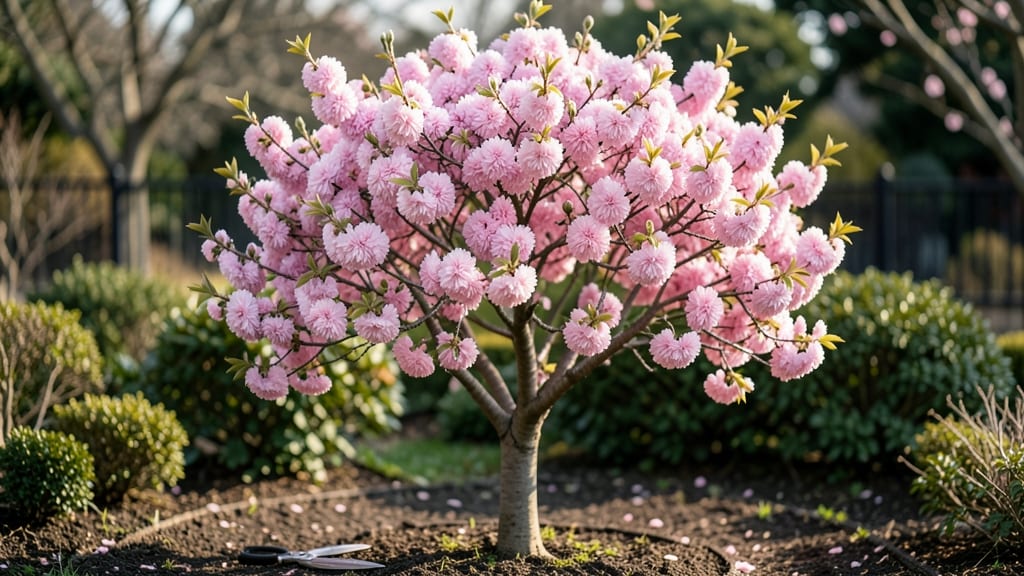
A pink flowering cherry tree turns your yard into a springtime masterpiece with almost no effort. 🌸 I planted mine last fall, and now every March, clouds of delicate blossoms transform the bare branches into a dreamy, pastel cloud.
The way the petals catch the morning light—it’s like nature’s own confetti shower. These trees are the ultimate low-maintenance star. They thrive in full sun with minimal watering once established, and their disease-resistant roots mean fewer headaches than other ornamentals. The best part?
They pair beautifully with hostas, azaleas, or even a simple gravel path to highlight their drama. Imagine waking to soft pink canopies that last weeks, then enjoy the lush green foliage all summer. In fall, the leaves turn golden before dropping, giving you seasonal interest without extra work.
Even small yards can fit one—dwarf varieties work perfectly in tight spaces. For maximum impact, plant yours near a seating area or entryway. The fragrance alone makes it worth it, and the contrast against dark evergreens or a white fence? Pure landscaping magic.
Let’s make your garden the envy of the neighborhood.
📚 In This Guide
- What you need
- Instructions
- Tips and common mistakes
- Wrapping up and next steps
What you need
- ● Pink flowering cherry tree: Choose a Prunus serrulata variety (e.g., ‘Kwanzan,’ ‘Somei-Yoshino,’ or ‘Shirofugen’). Opt for a 1- to 3-gallon container-grown plant (easier to handle) or a bare-root sapling (budget-friendly).
- ● Planting site: A sunny location (6+ hours of direct sunlight daily) with well-draining soil (pH 5.5–7.0). Avoid low spots where water pools.
- ● Digging tools: Shovel or spade (for digging the hole)
- ● Garden trowel (for delicate root adjustments)
- ● Amendments (if soil is heavy/clay): 50% compost or aged manure
- ● 20% perlite or sand (for drainage)
- ● Watering: Garden hose with adjustable nozzle or watering can (5+ gallons capacity).
- ● Mulch: 2–3 inches of organic mulch (e.g., shredded bark or pine straw) to retain moisture and suppress weeds.
- ○ Fertilizer (optional but helpful): Balanced 10-10-10 fertilizer (1–2 tbsp per year for established trees)
- ● Slow-release granular fertilizer (spring application only)
- ● Pruning tools: Bypass pruners (for small branches)
- ● Loppers (for thicker stems)
- ○ Protective gear (optional): Gloves (to avoid thorns)
- ● Knee pads (for comfort)
- ● Best planting time: Late winter to early spring (dormant season) or fall (4–6 weeks before first frost).
- ● Space: Ensure 15–25 feet of clearance (mature height/width varies by variety).
- ● Local regulations: Check if your area requires permits for tree planting (especially in urban zones).
How to plant and care for a pink flowering cherry tree
Here's the simple method I've used to grow stunning blooms year after year.
🌱 Step 1: Choose the Perfect Planting Spot
Pink flowering cherries thrive in full sun—at least 6 hours daily. I always pick a location with morning sunlight and afternoon shade to protect delicate blossoms from harsh afternoon rays. The tree needs well-draining soil—avoid low spots where water pools after rain.
Test your spot by digging a 12-inch deep hole. If water stands for more than 15 minutes, amend the soil with 2-3 inches of compost mixed into the top 6 inches of soil. The tree's roots will spread wide, so give it plenty of room—20 feet from structures and other trees.
🪴 Step 2: Plant at the Right Time and Depth
Plant your pink flowering cherry in early spring, after the last frost but before buds swell. This gives roots time to establish before summer heat. Dig a hole twice as wide as the root ball but no deeper—planting too deep suffocates roots.
Gently remove the tree from its container and loosen any circling roots with your fingers. Place it in the hole so the top of the root ball sits 1-2 inches above ground level. Backfill with native soil, tamping lightly every 4 inches to remove air pockets. Water deeply to settle the soil around roots.
☀️ Step 3: Water and Mulch for Healthy Growth
Water your new cherry tree deeply 2-3 times weekly for the first 3 months, then taper to once weekly once established. You'll know it's getting enough when the top 6 inches of soil feel dry between waterings. Avoid wetting the leaves to prevent fungal diseases.
Spread 3 inches of mulch around the base, keeping it 6 inches away from the trunk. I use shredded bark mulch because it breaks down slowly and improves soil structure over time. Replenish mulch annually to maintain this protective layer.
✂️ Step 4: Prune for Shape and Bloom Health
Prune your cherry tree in late winter, just before buds swell but before new growth begins. Remove any dead, diseased, or crossing branches first—these compete with healthy growth. Cut back to a bud or branch collar rather than leaving stubs.
To encourage more blooms, thin out crowded branches to improve air circulation. Never prune more than 25% of the tree's canopy in one season. The goal is to maintain an open, vase-like shape that lets sunlight reach all branches—this ensures vibrant pink blooms every spring.
Tips & tricks for perfect pink flowering cherry tree planting
Let me share the secrets I've learned from years of growing these stunning trees—these small details make all the difference for vibrant blooms.
Sunlight Strategy: While the instructions call for at least 6 hours of daily sun, I've found the sweet spot is actually 7-8 hours for maximum blooms. The afternoon shade helps protect delicate blossoms, but morning sun is non-negotiable. If your spot only gets 5 hours, consider planting near a south-facing wall that reflects extra light. The tree will still grow, but you might see slightly fewer blooms.
Soil Test Hack: Before amending your soil with compost, do this quick test: Dig a small hole and fill it with water. If it drains completely within 15 minutes, your soil is perfect. If water remains after 30 minutes, you'll need to add more compost or create a raised bed. I've seen trees planted in heavy clay struggle for years—this simple test prevents that heartbreak.
Planting Depth Check: When positioning your tree, use your finger to check the depth—press lightly on the root ball. The top should sit about 1-2 inches above ground level. Too high and roots dry out; too low and they suffocate. I mark the depth on my shovel before planting as a visual reminder. This small adjustment prevents the most common planting mistake I see.
Mulch Maintenance: That 3-inch layer of mulch isn't just decoration—it's a living part of your tree's care. I check mine every spring before blooming season and replenish if it's broken down below 2 inches. The key is keeping it 6 inches away from the trunk to prevent rot. Think of it as your tree's winter blanket and summer sunblock all in one.
Pro Tips for Pink Flowering Cherry Tree
- Let me share the secrets I've learned from years of growing these stunning trees—these small details make all the dif...
- Sunlight Strategy: While the instructions call for at least 6 hours of daily sun, I've found the sweet spot is actual...
- Soil Test Hack: Before amending your soil with compost, do this quick test: Dig a small hole and fill it with water. ...
Frequently asked questions
Got questions about growing and enjoying your pink flowering cherry tree? You’re not alone! Here are some of the most common queries—plus straightforward answers to help you make the most of this stunning spring star.
When is the best time to plant a pink flowering cherry tree?
Plant your tree in early spring or fall, when temperatures are mild (50–60°F). Avoid extreme heat or frost, as these can stress young roots. If you must plant in summer, water deeply and mulch to retain moisture—just don’t let the soil stay soggy!
How much sunlight does a pink flowering cherry tree need?
These trees thrive in full sun (6+ hours daily), but they tolerate partial shade—especially in hot climates. Too little light? Expect fewer blooms. For best results, plant in an open, sunny spot where the branches can stretch without obstruction (like power lines or buildings).
Are pink flowering cherry trees cold-hardy? Can they survive winter?
Most varieties (like Prunus serrulata) are hardy to USDA Zones 5–8, meaning they can handle winters down to -20°F. However, young trees may need winter protection (like wrapping the trunk or adding mulch). Avoid planting in windy spots—frost damage is more likely when branches whip in cold winds.
Why aren’t my pink cherry blossoms as vibrant as I expected?
Dull or sparse blooms often mean nutrient deficiency, overpruning, or stress. Try this: Fertilize in early spring with a balanced, slow-release fertilizer (like 10-10-10). Avoid heavy pruning in late winter—wait until after flowering. Also, check for pests (like aphids) or fungal spots on leaves.
Can I grow a pink flowering cherry tree in a container or small yard?
While possible, these trees prefer room to grow (many reach 20–30 feet tall). For containers, choose a dwarf variety (like ‘Amanogawa’) and a large pot (3+ feet wide) with drainage. Expect slower growth and fewer blooms compared to in-ground planting. If space is tight, consider a multi-stemmed “weeping” cultivar for a compact look.
Do pink flowering cherry trees attract bees or other pests?
Yes! Their fragrant blooms draw pollinators like bees and butterflies—great for gardens. However, they can also attract aphids, borers, or powdery mildew if stressed. Monitor leaves for sticky residue (aphids) or sawdust-like frass (borers). Treat with neem oil or insecticidal soap if needed, and prune for airflow to prevent mildew.
Wrapping up and next steps
Incorporating a pink flowering cherry tree into your landscape is a rewarding way to welcome spring with breathtaking beauty and minimal fuss! These trees thrive with simple care—just a little sunlight, well-draining soil, and occasional pruning—and they’ll repay you with vibrant blooms year after year.
Whether you’re a seasoned gardener or a beginner, their effortless charm makes them the perfect addition to patios, yards, or even urban spaces.
Ready to bring a touch of magic to your outdoor space? Start small: research the best variety for your climate, grab your tools, and plant with confidence! 🌸 Your future self (and pollinators!) will thank you.